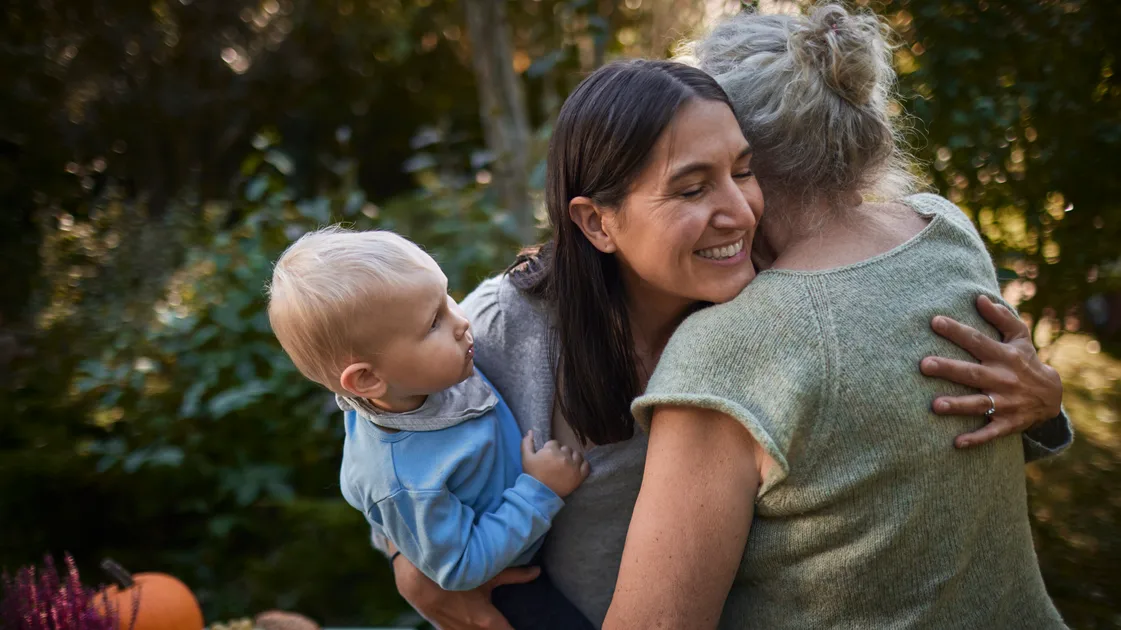
When you stop drinking, you’ll probably start noticing little changes, both physically and mentally. Without alcohol throwing off your body clock, it may be easier to fall asleep and stay asleep. You might lose some weight, feel more motivated and notice that your mood feels steadier and more even overall.What’s less talked about is how much giving up alcohol can transform your relationships ― for better and worse. “Removing alcohol from my life changed every relationship I had. Not a single one went untouched,” said Paul Churchill, the host of the Recovery Elevator Podcast and author of “Dolce Vita: Ditch the Booze and Step into the Good Life.”The most important relationship that changed was the one Churchill had with himself. “Since I was no longer poisoning myself on a nightly basis, the self-hatred softened with each passing 24 hours without alcohol, and I was able to look myself in the eyes again,” he told HuffPost. “As my inner connection with myself improved, the relationships in my outside world became lighter and more authentic.With Dry January in full swing — and sobriety, or at least cutting back on drinking, on a lot of people’s minds — we asked Churchill and others who’ve given up alcohol how the change affected their relationships, for better or worse.Responses have been lightly edited for clarity.You stop settling for second-rate relationships. “I would call some of my drinking days relationships ‘transactional’ or in some cases codependent in the sense that I worked hard at being accepted and acceptable all the while drinking in a way that made it feel tolerable. When I got sober, I realized I had to accept myself for where I was in my life, who I was, what I did and didn’t believe in, and quit trying to force myself into situations that were incongruent with what I already knew to be incompatible with my better self. Once you remove alcohol from the equation, it isn’t long at all before you begin to see what you were settling for in relationships, or how certain relationships require you to stay in unhealthy roles you had learned to feel secure in them. Sobriety is a process of awakening to the things that we no longer want to settle for in our lives that we have begun to question because they no longer serve us. To the people around us, it may feel like we have become contentious or overly critical as we examine all the areas of our lives that no longer work.” ― David Hampton, a certified professional recovery coach in the Greater Nashville, TN areaMaskot via Getty ImagesYou're less willing to settle in your friendships and relationships when you're sober, said David Hampton, a certified professional recovery coach in the Greater Nashville, TN area.You’re able to receive love and praise from those you’re close to. “Whenever I was praised during my drinking years, I would get upset and reject it. My response was, you don’t really know me; even to those closest to me. I felt so trapped, guilty and ashamed of both my drinking and who I was when I drank, that I didn’t feel any praise was deserved. I can see now that I was still the lovely, kind, generous of heart and spirit woman I am today, but she was cloaked in the pain of her drinking.Now if someone praises me, I thank them. I hug them and I hug myself. I say clearly and often that I love myself. I acknowledge my goodness and I admit my flaws, and still I love all of me. This self-love makes me a joy to be around, even when I am driving them nuts!” ― Sonia Grimes, a recovery coach in BritainMaskot via Getty ImagesPraise and affection is easier to receive when you're sober, Sonia Grimes, a recovery coach said.You’re more present in all your relationships.“When I was drinking I often felt overwhelmed, irritated and resentful. I was stressed when I got home from work, running around to take care of the kids and our to-do list and then would check out on the couch with my wine at the end of the day. I would sleep terribly and wake up exhausted. He felt like I was avoiding him or irritated at him ― when the truth was that I didn’t want him to see how hungover I was.About 30 days after I stopped drinking I asked him if he noticed anything that was different with me and in our lives. He said that our home was much more peaceful. My moods were more even. I seemed happier and less stressed out. And it was all true. I was happier, more calm, more present. I was sleeping better and physically feeling better. And I was more honest with him about everything. Because I wasn’t trying to hide from him that I felt sick because I was hungover, I was able to tell him when I was sad or lonely, when I needed a hug or support. And I was able to enjoy all the little things in our lives that were beautiful ― like our home and kids and each other.” ― Casey McGuire Davidson, a sober coach and host of “The Hello Someday Podcast for Sober Curious Women”Maria Korneeva via Getty Images"About 30 days after I stopped drinking I asked [my husband] if he noticed anything that was different with me and in our lives. He said that our home was much more peaceful," said Casey McGuire Davidson, a sober coach and host of "The Hello Someday Podcast for Sober Curious Women." You might have to ditch certain social engagements or change the way you have fun with people.“Four years after removing alcohol, I decided to leave my Fantasy Football league, which always turned into a drunk fest at the draft. This was hard since my best friends were in the league, but it wasn’t the right place for me anymore. Life is full of chapters and transitions, and this was a difficult one to swallow, but inevitably, I had to move on. While they’re at the draft, I now do a men’s backpacking trip in the mountains. Pine trees over pints are always better, in my opinion.” ― Churchill “I also needed to shift the way my partner and I had fun together. In the past a ‘date night’ meant going out to dinner and drinks and special occasions or anniversaries meant wine tasting weekends away. So when I stopped drinking we needed to be creative and think of things to do that didn’t prominently feature alcohol. We went to bookstores to wander around and to movies. We went to waterfront parks and brought our books to hang out. Instead of going to Italian restaurants for dinner we went to coffee shops with live music. Instead of a wine tasting anniversary weekend we went paragliding. It was actually a really good thing for our marriage. We were more creative and present with each other. We did more interesting things that we hadn’t tried in years instead of defaulting to happy hours.” --McGuire DavidsonYou have a clearer picture of what you need to work on in your relationships.“Quitting drinking isn’t about the alcohol, it’s about what you’re drinking over. It’s about behaviors, especially old, deeply-rooted ones. My relationship with my family is great ― parents, siblings, spouse ― but quitting drinking forced me to look at my part in my family dynamics, and where I needed to learn new, healthier coping mechanisms and better ways to communicate. I had to look at where I was drinking and numbing out to avoid feeling anxiety or having to begin a tough conversation with someone. Sobriety will shine a light on where you need help with your thoughts and feelings, plain and simple. And addressing the root issues helped me not want to drink over them anymore.” -- Tricia Lewis, the host of the Recovery Happy Hour PodcastMoMo Productions via Getty Images"Sober dating also gives you the opportunity to feel everything when it does go well, or when the nerves of a first kiss turn into butterflies," said Tricia Lewis, the host of the Recovery Happy Hour Podcast.Sober dating means emotions are heightened.“I could write a whole book about sober dating, but I’ll try to keep it succinct. Dating while sober means you can’t drink to numb the anxious nerves of a date that doesn’t go well. It means you have to feel the awkwardness of getting to know someone for the first time, and deal with the fact that sometimes it doesn’t work out and you have to go home and be alone. When I was drinking, I could numb all of that and make unhealthy choices that felt good in the moment but left me with even bigger problems to solve the next day while hungover. Sober dating also gives you the opportunity to feel everything when it does go well, or when the nerves of a first kiss turn into butterflies, or when you fall in love. When you numb the bad, you also numb the good. Don’t miss out on all the good.” ― LewisYou’re less inclined to people please in your relationship.“I used to people please. Always feeling open to attack. I knew I wasn’t good enough, so my thinking back then was, if I please you, you will love me because I don’t love myself. This was a disastrous way of living. Exhausting and allowing people to create boundaries for me that worked for them, with their agenda at the forefront of every decision. I was scared to say ‘no’ or to challenge anyone’s behavior in case I lost their affection. Now I know losing the wrong affection is one of the healthiest losses, and there is no grieving attached to it.” ― Grimes
This Is How Ditching Alcohol Affects Your Relationships
"Removing alcohol from my life changed every relationship I had. Not a single one went untouched."
1,637 words~7 min read