As a defence lawyer, I rely on witness statements. But one unusual case prompted me to reconsider the role of memory, and a traumatic experience that had affected me for years
I
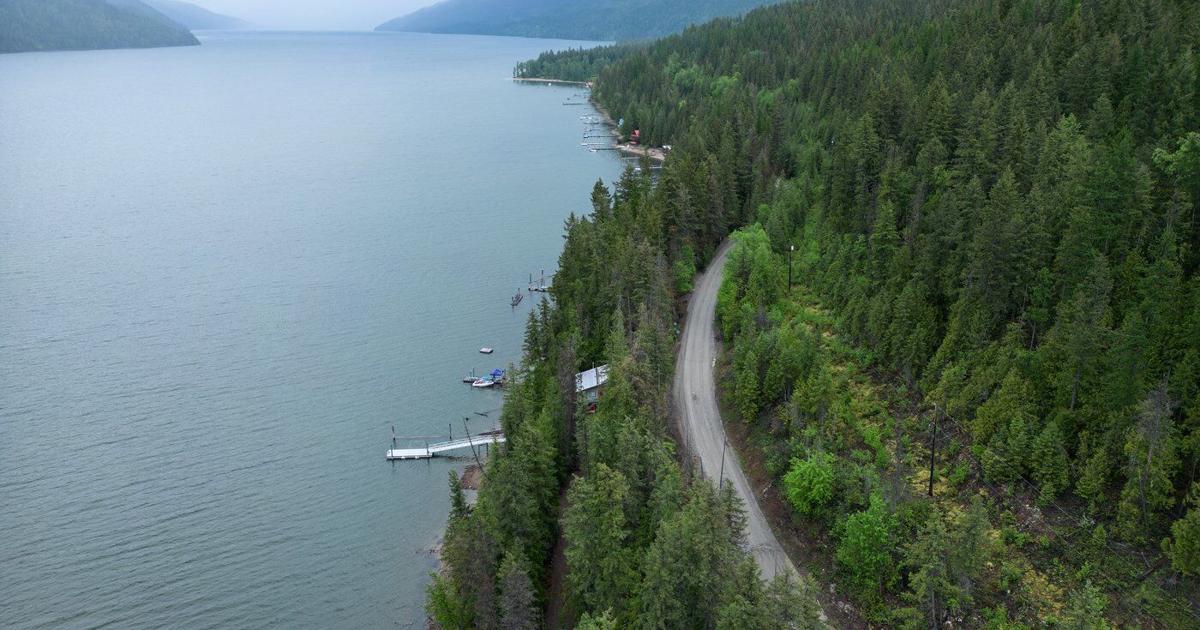
spent nearly 20 years working as a criminal defence lawyer in the remote communities of the Canadian Arctic. Nunavut – roughly the size of western Europe – is home to fewer than 40,000 people, most of whom are Inuit. The brief summers boast endless days, while polar night descends over long winters where temperatures occasionally drop as low as -50C. Despite the lack of urban centres and a small, homogenous population, the territory records one of the highest violent-crime rates per capita in the world.
There are no roads connecting Nunavut’s 26 communities. Aircraft is the only option, except for a brief ice-free window in late summer when supplies and fuel can be delivered by boat. Several times a year, the justice system arrives: a travelling circuit court sets up a temporary courtroom in local gymnasiums or community halls for three to four days.
I handled many tragic and strange cases over the course of two decades, but one stands out. Early in my career, I represented a young Inuit man charged with firing a rifle at a parked car filled with innocent passengers. Several sober, reliable witnesses gave articulate, seemingly unembellished statements. They said they had seen the accused leave his house with a rifle, walk towards the vehicle, and open fire – shattering several windows and terrorising the people inside. Miraculously, no one was seriously injured.