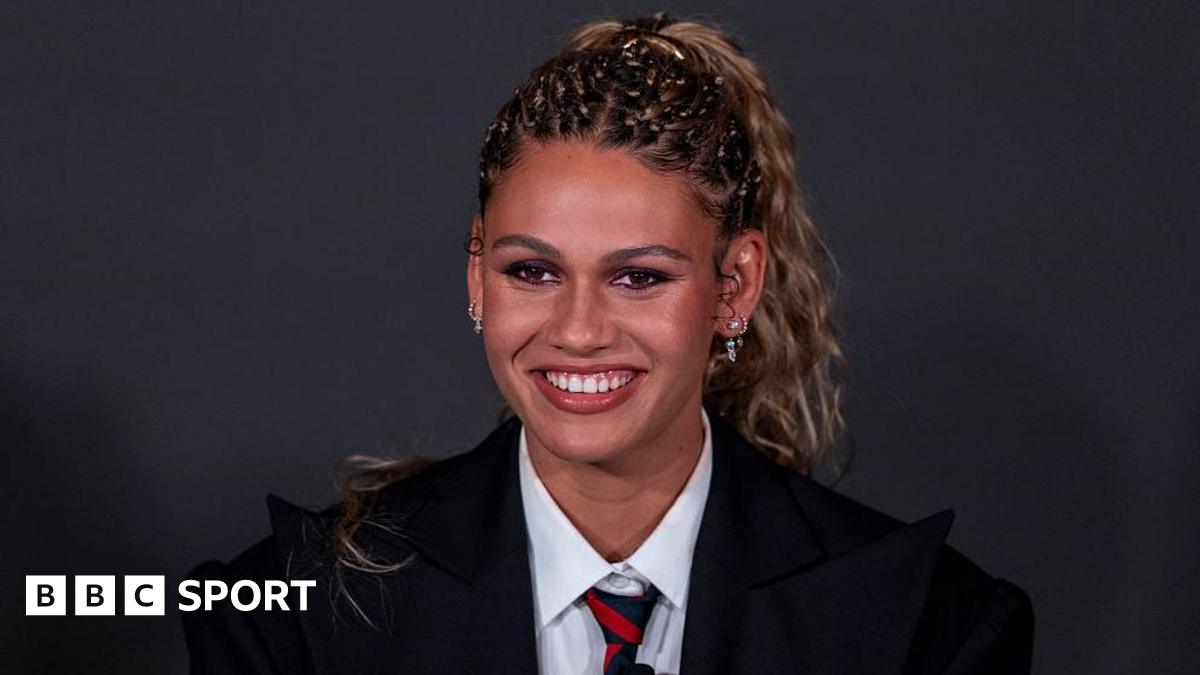
The benefit of national team players honing skills abroad is balanced by concerns over a weakened NWSL
The dust has yet to settle on Trinity Rodman’s club status, but the star USA forward’s near future has ignited an emphatic revival of an old debate on this side of the Atlantic.
How does the National Women’s Soccer League stack up against its top competitor leagues? At what point should the league be worried, if top USWNT talent trickles across the Atlantic? And what, if anything, can be done to stop the flow?
The questions swirling stateside have been around for quite some time, though they once operated in much different conditions – a less competitive global landscape, diminished investment abroad, NWSL’s formal management by US Soccer.
Those conditions have drastically shifted over the past decade, especially in the past six years. Since winning Olympic gold at the Parc des Princes, some of the USA’s biggest names moved abroad. That includes the starting right-back Emily Fox (Arsenal), the centre-back and sometimes captain Naomi Girma (Chelsea) and the ascendant winger Alyssa Thompson (Chelsea). Key players such as Catarina Macario, the captain Lindsey Heaps (who has signed for her home town club in Denver this month), Phallon Tullis-Joyce and Lily Yohannes were already abroad.