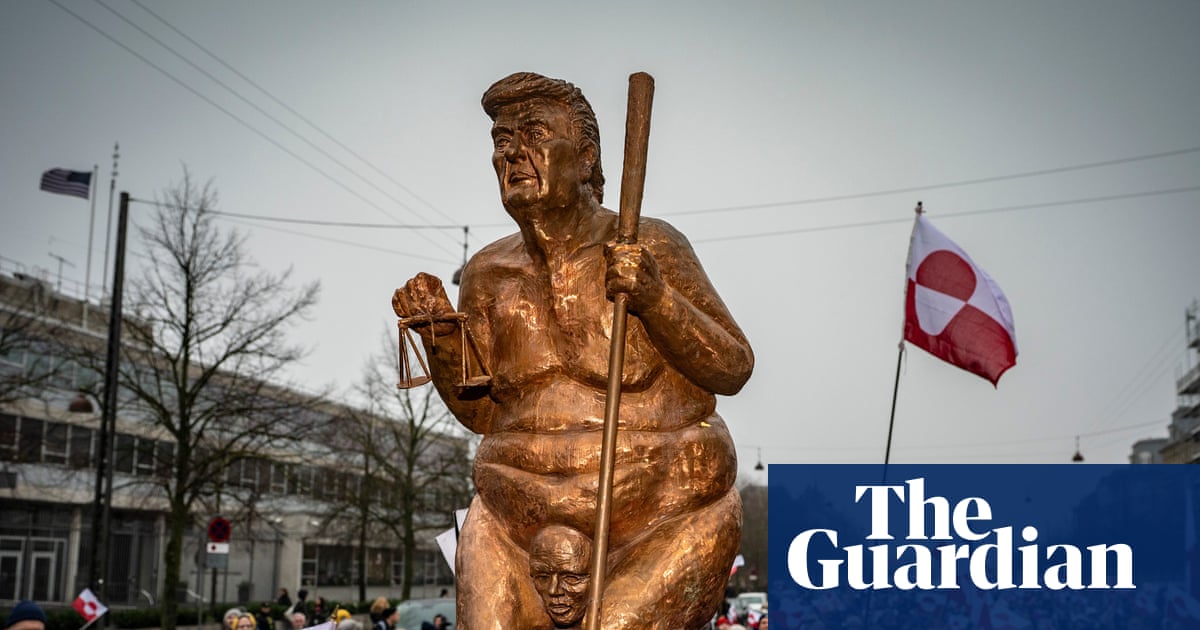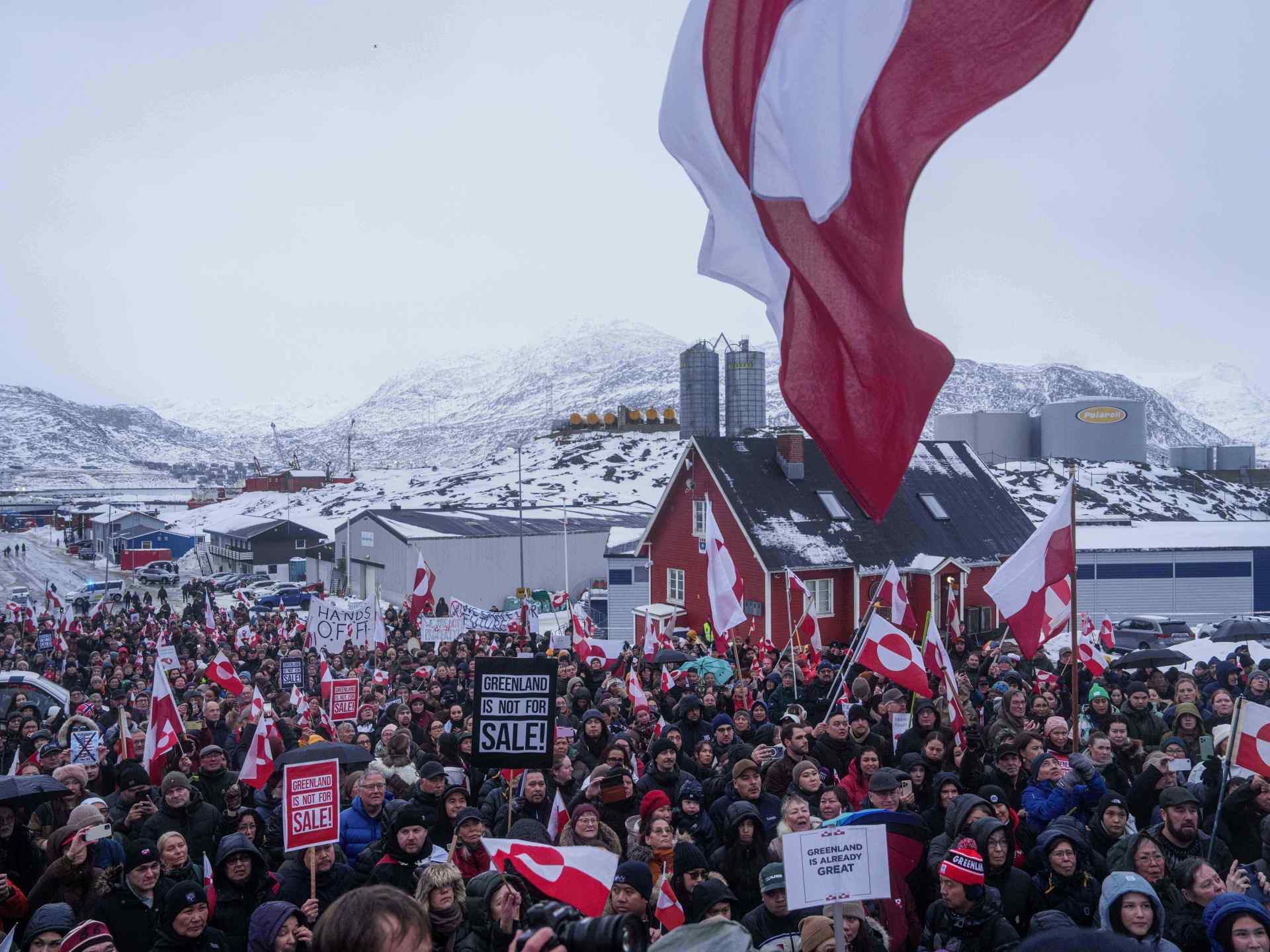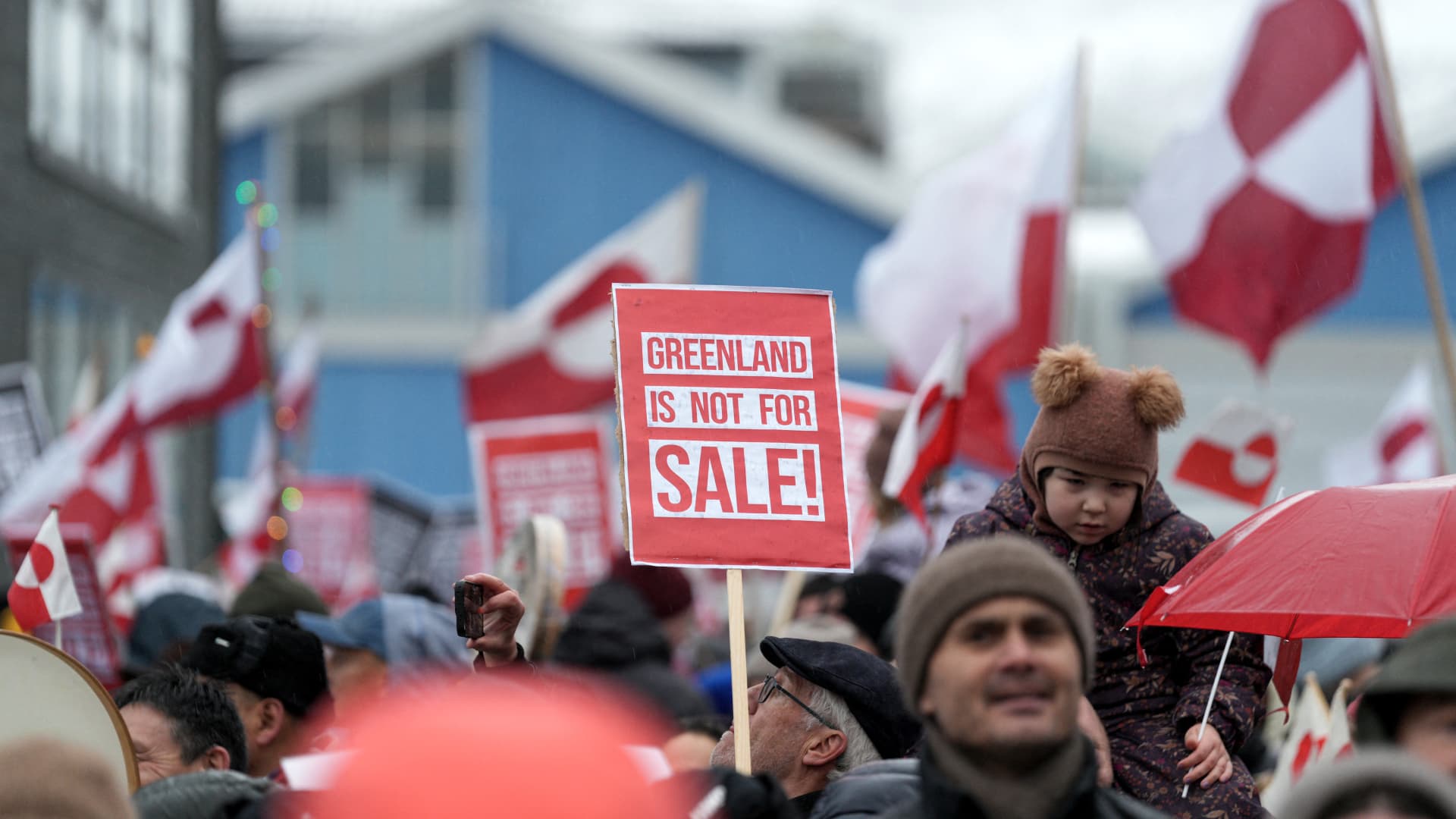
Denmark and its former colony have a complex relationship, but for now they must speak with one voice against US colonial ambitions
T
here are two tales about the relationship between Greenland and Denmark; both contain truth and blindness. One is the story told by the ruling classes in Denmark, the other is the narrative that unites progressives and nationalists in Greenland.
The moral of the first tale is that Greenland, as a part of the Danish kingdom, has managed the extremely challenging transition to a modern society without sacrificing its culture or identity. This is a rare and impressive achievement. Greenlanders are among the only indigenous people in the world with their own parliament, political institutions and education system and who have maintained their own language. And they have access to the same welfare services as other citizens of Denmark.
This has been achieved under difficult conditions by only around 55,000 inhabitants on a vast island in the North Atlantic and Arctic oceans, isolated from the rest of the world. True, the people of Greenland were not asked to consent when they were integrated into the Danish kingdom in 1953, after more than 200 years as a Danish colony. But in referendums in 1979 and 2008 a majority of them voted in favour of a revised arrangement that allowed them to expand political control over their own territory and resources. Greenland’s constitution calls the period from 1953 to 1979 a phase of “hidden colonisation”, but also recognises that the next decades constitute an era of “decolonisation”.