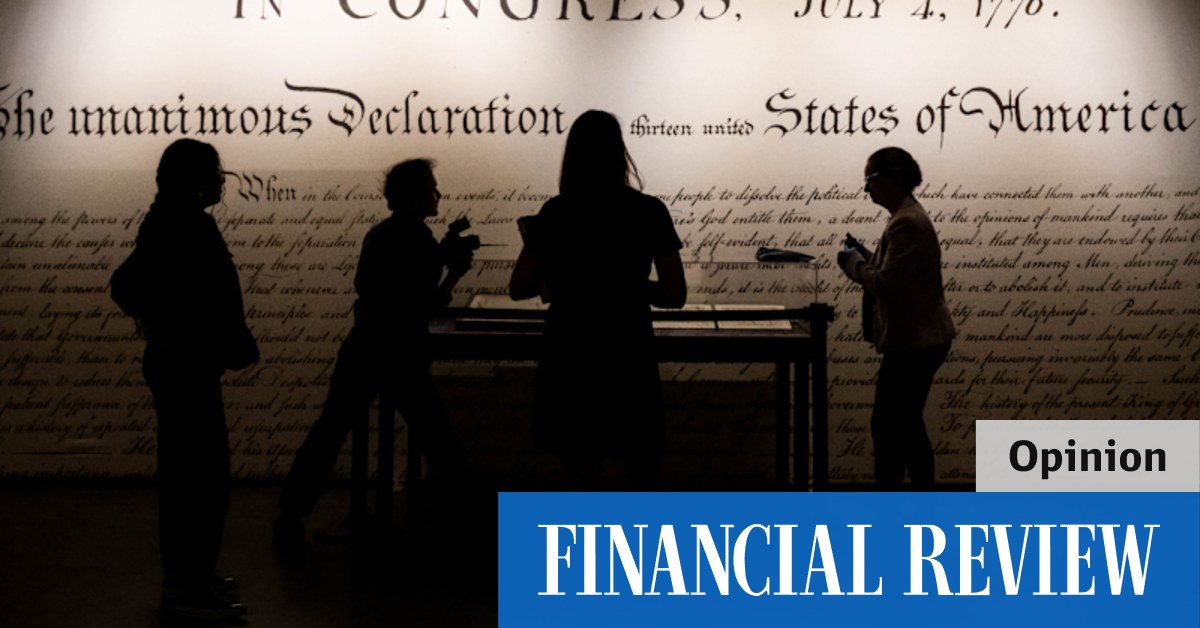
The founders called it “petitioning for redress.” Martin Luther King Jr. referred to it as “civil disobedience,” and his protégé, Sen. John Lewis, described it as “good trouble.”
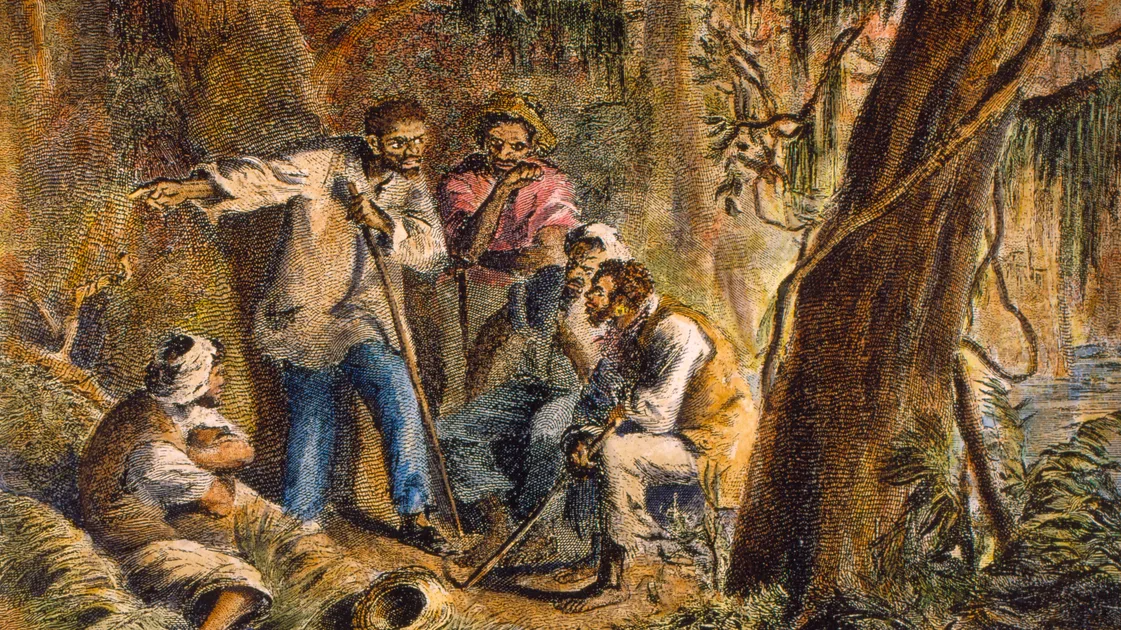
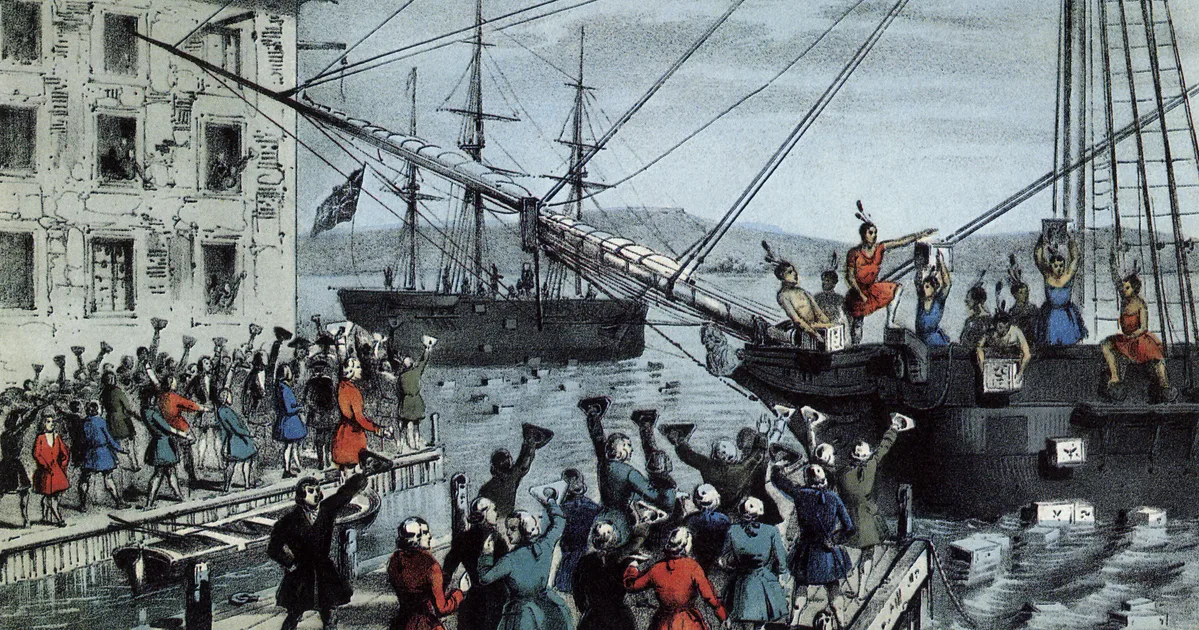
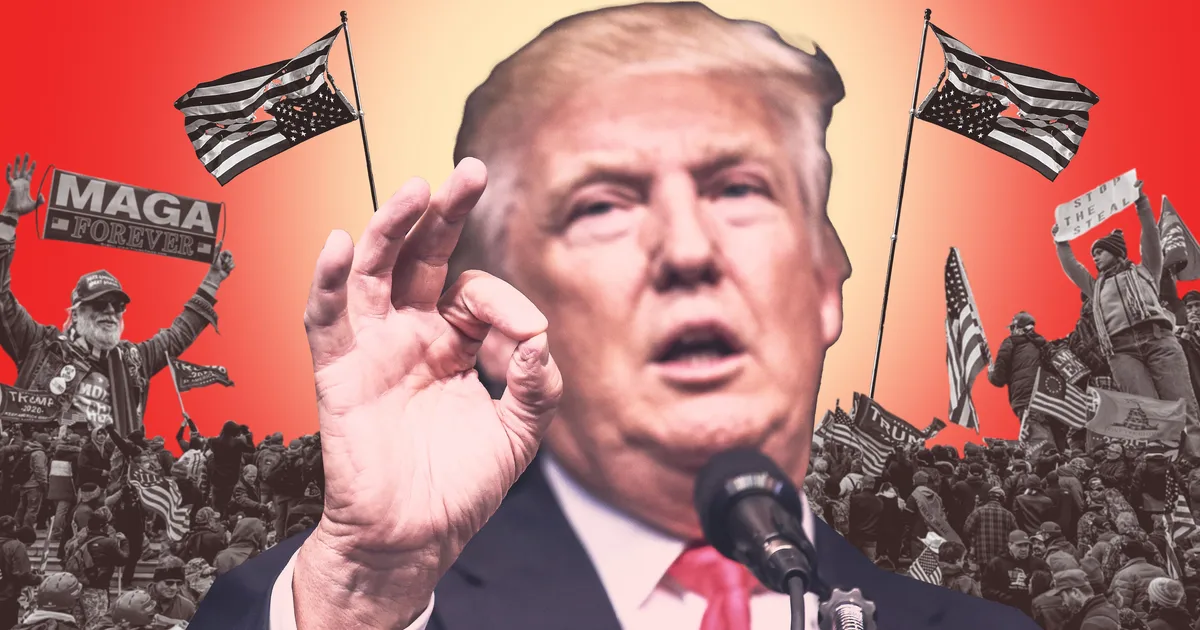
Whatever the term, historians largely agree: The United States was born out of protest 250 years ago and has been propelled forward by raucous social movements, from abolition to civil rights, ever since.
“Protests have been pivotal to the progress of this country,” said Gloria Browne-Marshall, author of “A protest History of the United States,” describing demonstrations as the “human spirit pushing against insurmountable odds for something that the status quo believes is not necessary.”
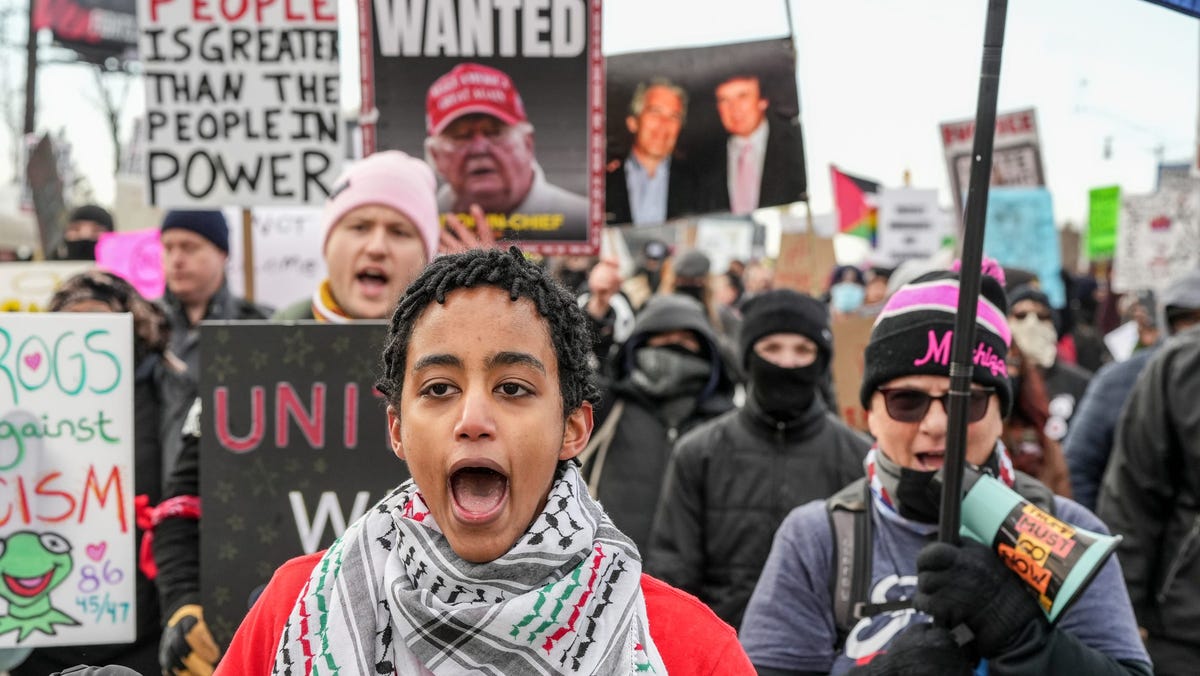
Today, Americans continue the deep-rooted tradition of public dissent, most recently through a string of nationwide demonstrations over the fatal shooting of Renee Nicole Good, a 37-year-old mother of three, on Jan. 7 by an immigration agent and broader Trump administration policies.
Tens of thousands of people have taken to the streets in big cities and small towns across the nation carrying signs that read “ICE out for good” and chanting phrases like “Hey, ho, I-C-E has got to go.”