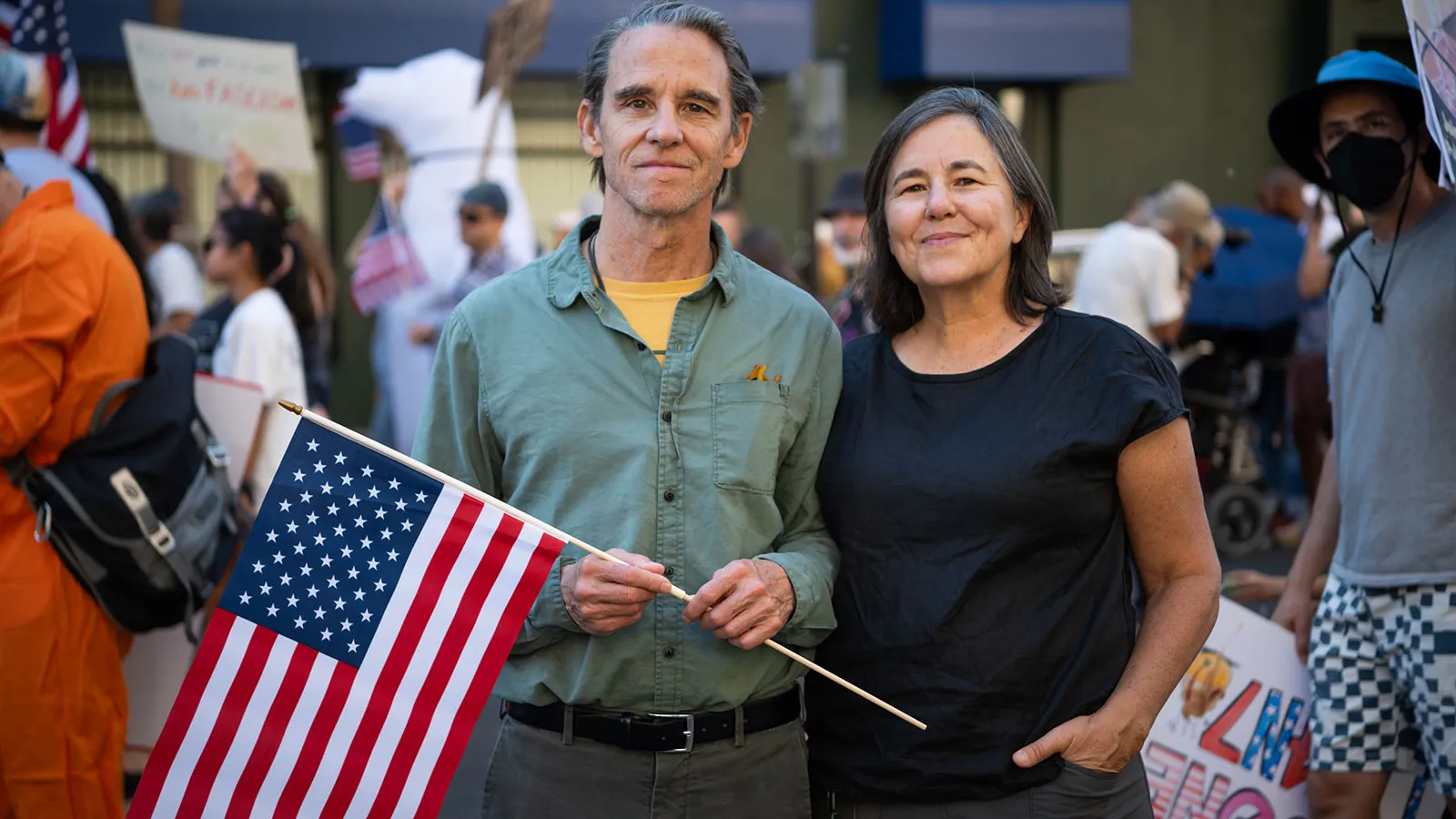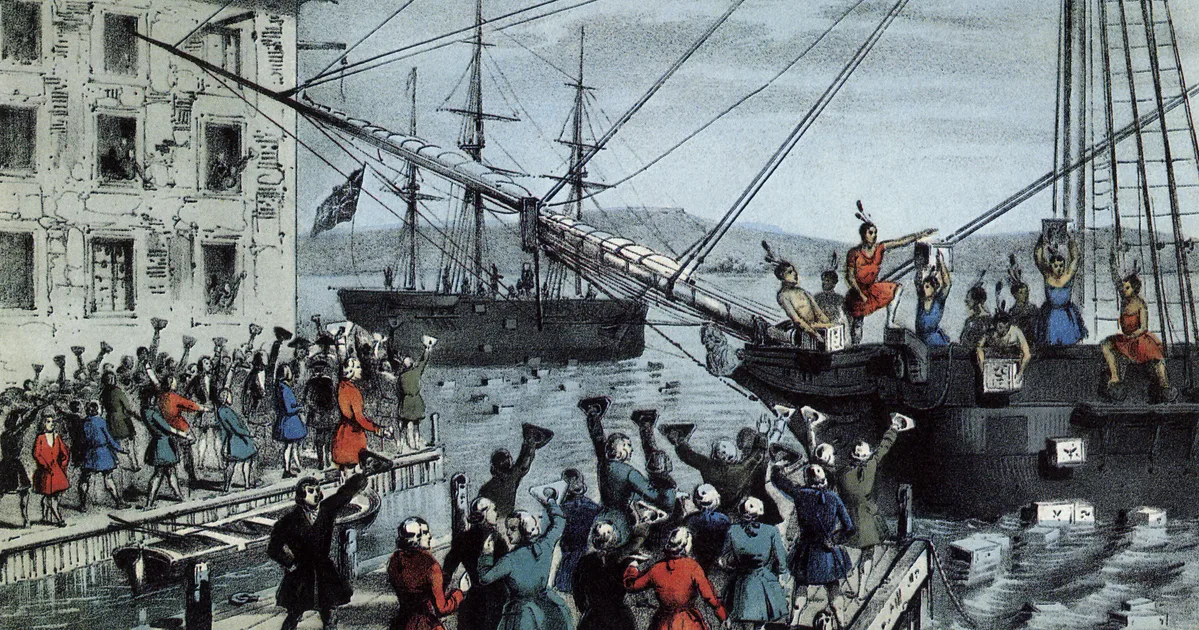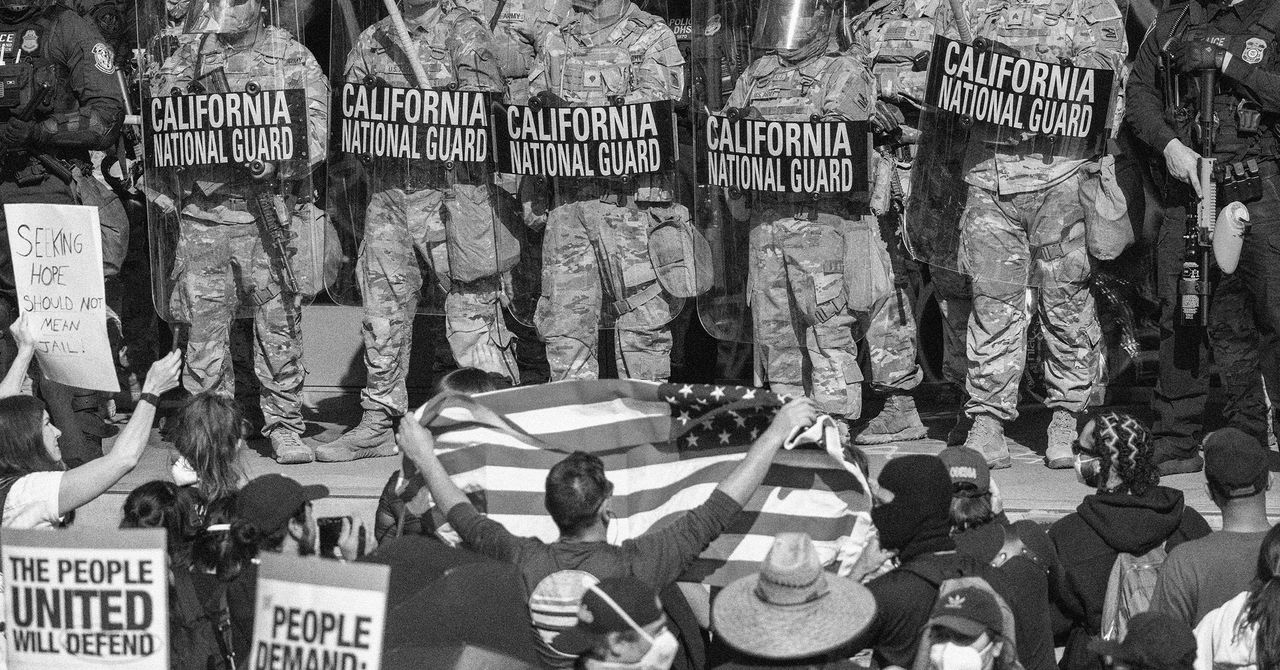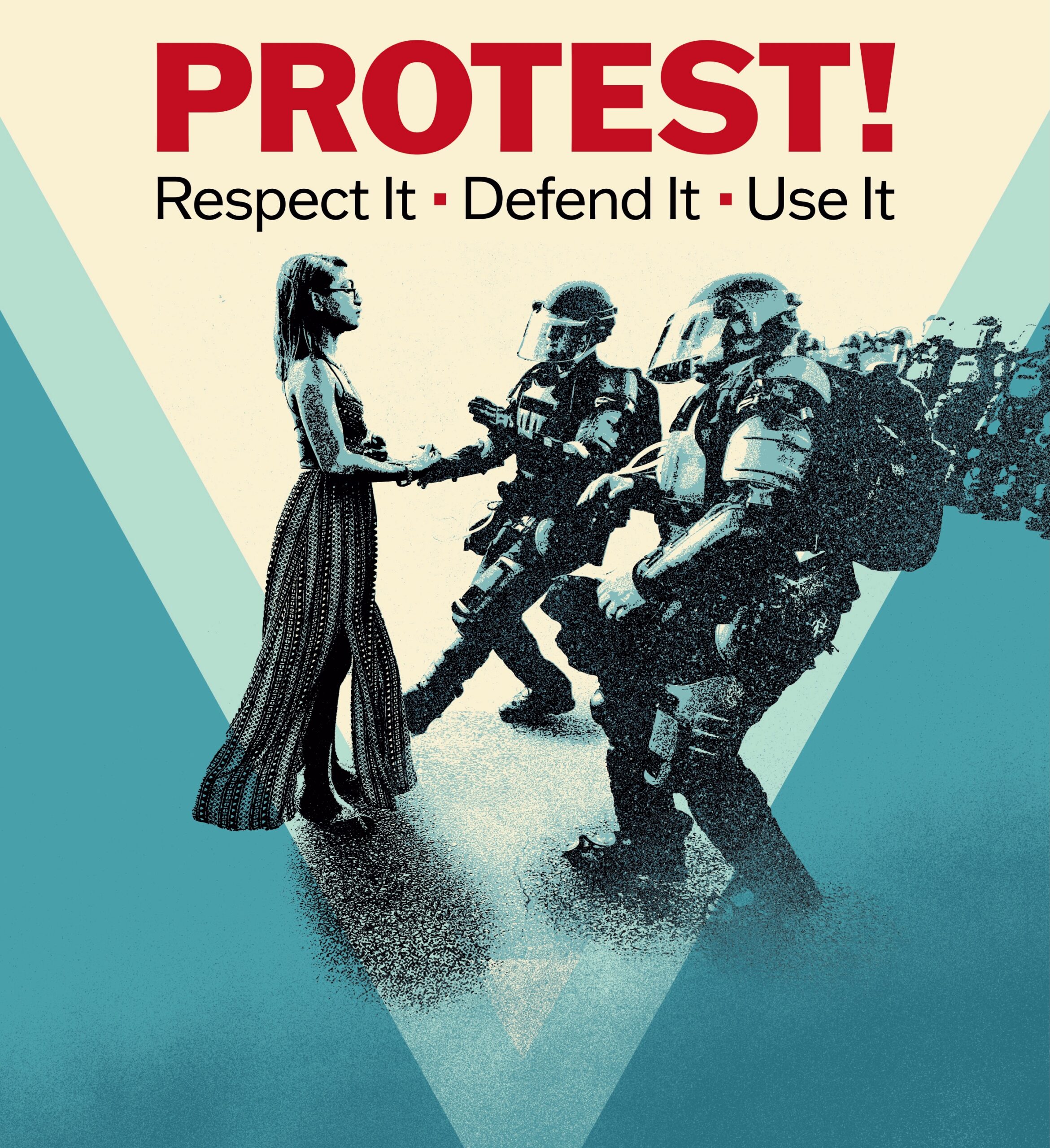
“We are experiencing what some people call sort of a shutdown of the public square in the United States and around the world,” says veteran environmental activist André Carothers. Along with the former executive director of Greenpeace US, Annie Leonard, the two have co-authored a new book about the history of protest, why it works, and why it’s under attack.Protest: Respect It. Defend It. Use It. was written to “remind readers about the role protests played in gaining a lot of the progress that we take for granted today,” Leonard says.Earth Day 1970 famously saw around 10% of the U.S. population actively participating in one of the largest demonstrations in the nation’s history. This led to a number of landmark environmental laws that are arguably taken for granted today. Protest highlights how movements begin, and ultimately shape public discourse leading to these significant victories.The authors also highlight how some in society often lionize protest movements of the past, while condemning ones of the present, forgetting that at their inception, protests and the movements they represent are often unpopular. Leonard and Carothers point to Dr. Martin Luther King Jr., whose approval rating never went above 50% in all his years as a civil rights leader. His disapproval rating stood at 75% the year he was assassinated.“There’s something about the gymnastics of history that allows us to honor these people well after they’re dead, but not when it’s happening right in front of them,” Carothers says.If you’re irritated by climate activists throwing soup on the encasements of paintings, you’re certainly not alone, but something larger is happening that these activists are bringing to a wider public consciousness: the issue itself. Leonard had some thoughts for the annoyed.“I just wanna say having protested now for four or five decades, it’s not fun to have a lot of people mad at you,” she says, explaining that when the traditional levers of “polite democracy” no longer work, people have no choice but to protest.“We would much rather simply call a polluter and say, ‘Could you please stop polluting in that river?’”But what happens when the last line of defense becomes punishable by up to 15 years in prison? That’s a story currently playing out in San Francisco, where Sarah Cantor is currently facing charges for felony conspiracy for her role in a protest that blocked lanes of traffic on the Golden Gate Bridge for four hours. This is just one of the ways protests are being curtailed in the U.S. and other nations.“It’s called lawfare. It’s called charge aggregation, where you pile on all these different laws and make it so that a person who would have gotten a misdemeanor 20 years ago is facing years in prison,” Carothers says.In urging listeners to defend protest for all the reasons stated above, Leonard added a quote near the end of the interview from historian Timothy Snyder:You can find a copy of Protest: Respect It. Defend It. Use It. at theprotestbook.com.Mike DiGirolamo is the host & producer for the Mongabay Newscast based in Sydney. Find him on LinkedIn and Bluesky.Banner image: Photographer Jonathan Bachman was a finalist for the Pulitzer Prize for capturing a photograph of Ieshia Evans being arrested in Baton Rouge, Louisiana. It was Evans’ first protest, and Bachman’s first time covering one. The photo was included in The New York Times’ “The Year in Pictures 2016,” among other honors. jonathan bachman / reuters. Shepard Fairey—a prolific artist and activist who often addresses social and political issues in his work—was invited by the authors of ‘Protest’ to interpret Bachman’s photograph for the book. Image credit to Shepard Fairey. Image Courtesy of Patagonia Books.
Protest works, but is under attack and needs your help, veteran activists say
“We are experiencing what some people call sort of a shutdown of the public square in the United States and around the world,” says veteran environmental activist André Carothers. Along with the former executive director of Greenpeace US, Annie Leonard, the two have co-authored a new book about the history of protest, why it works, […]
8,486 words~39 min read