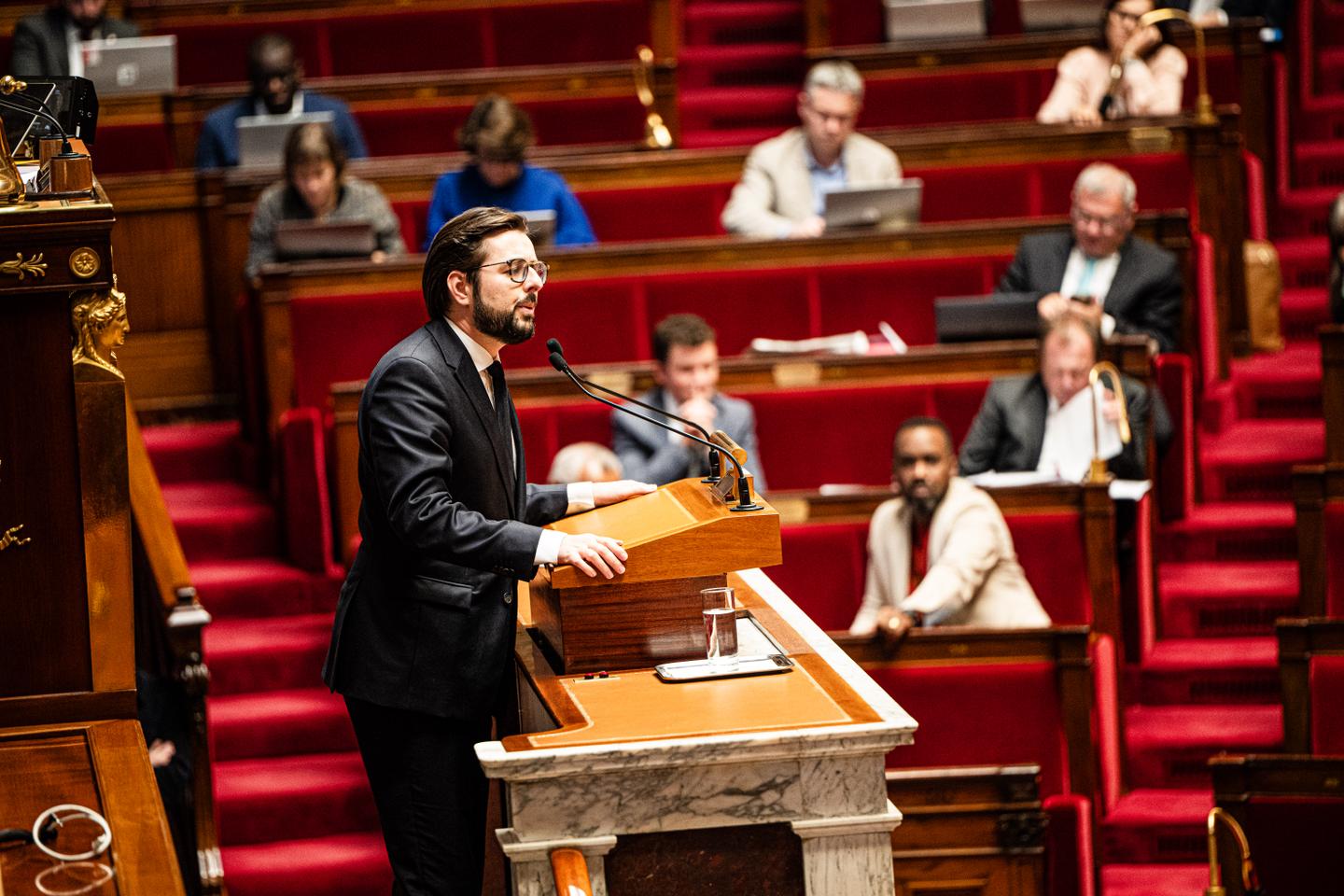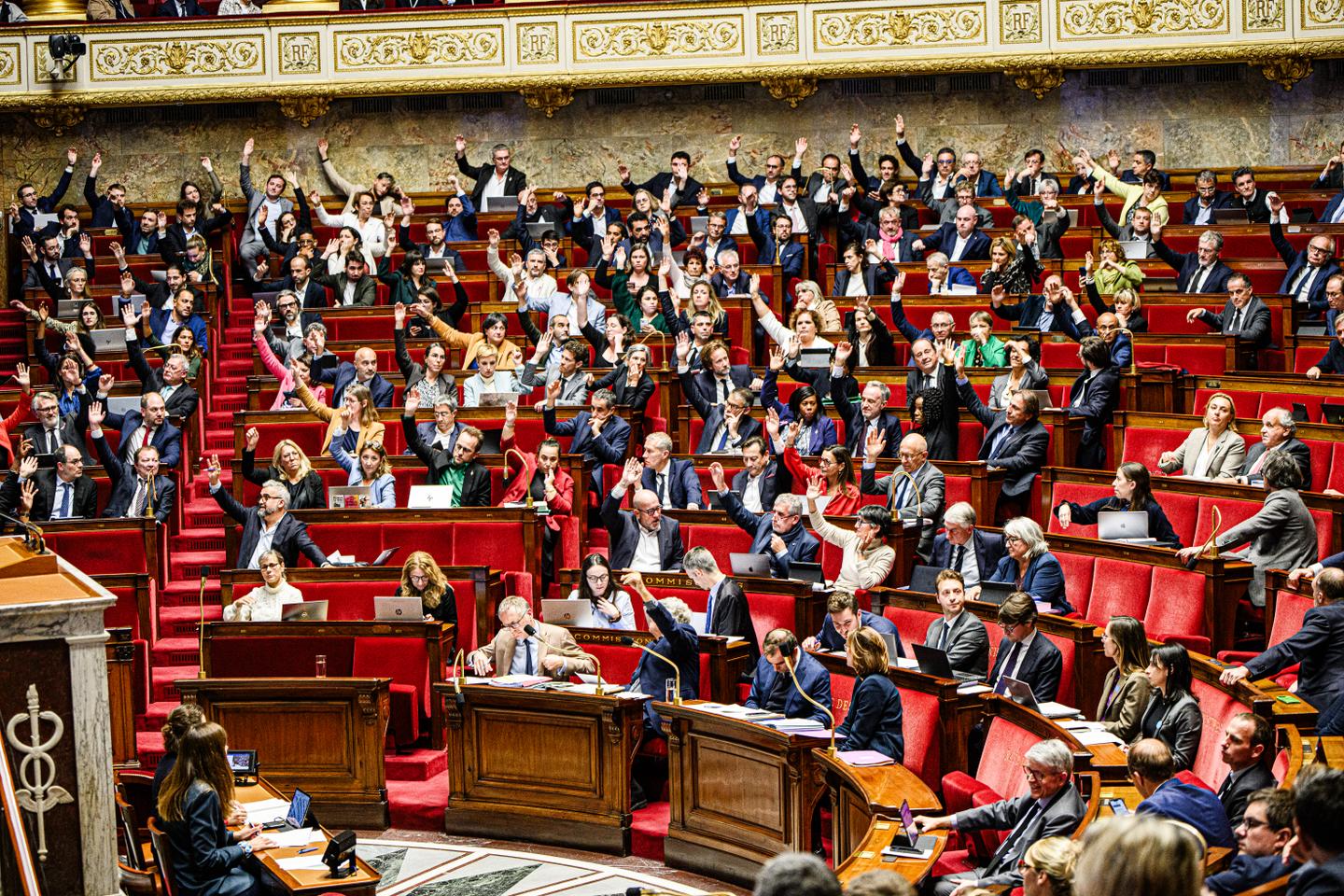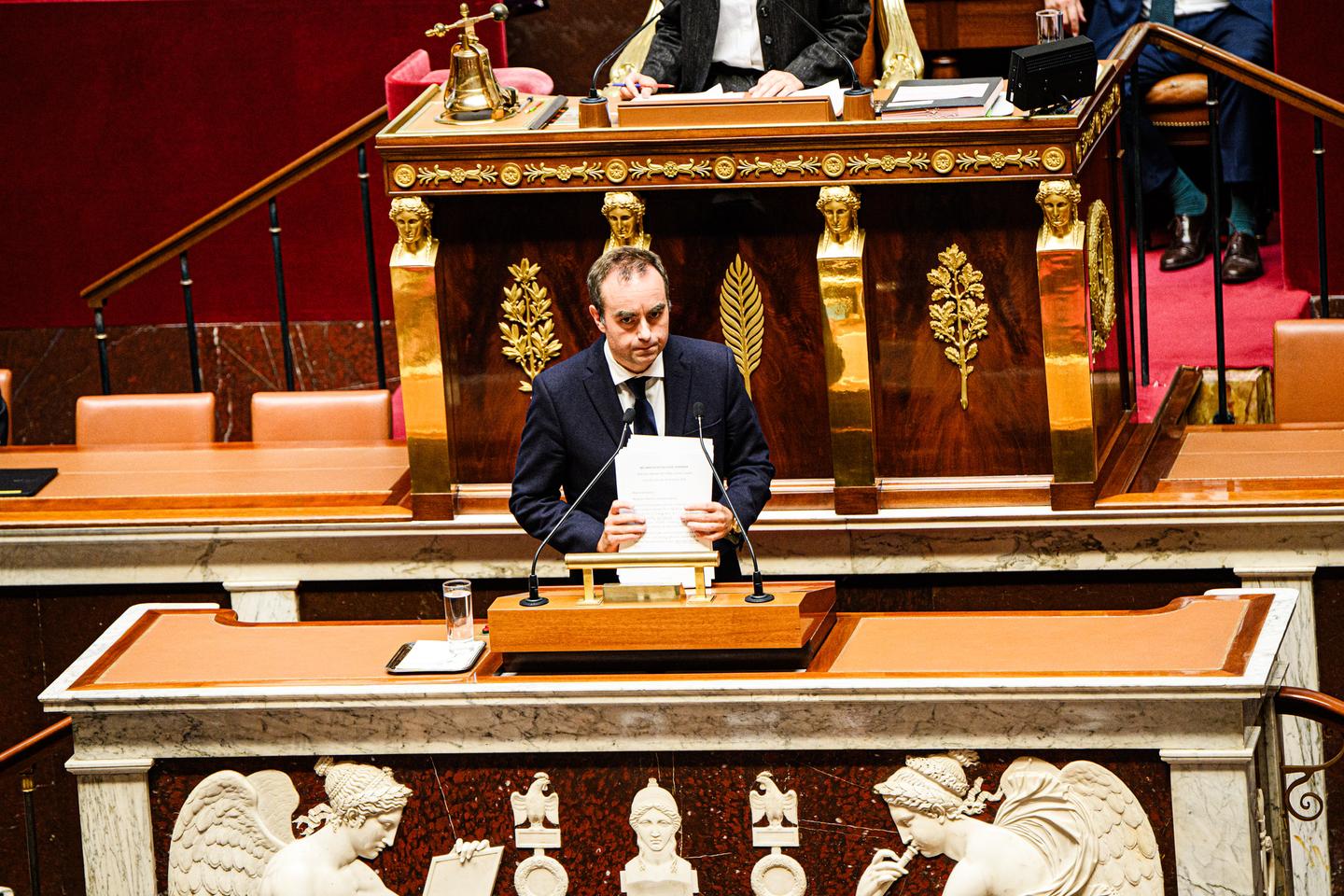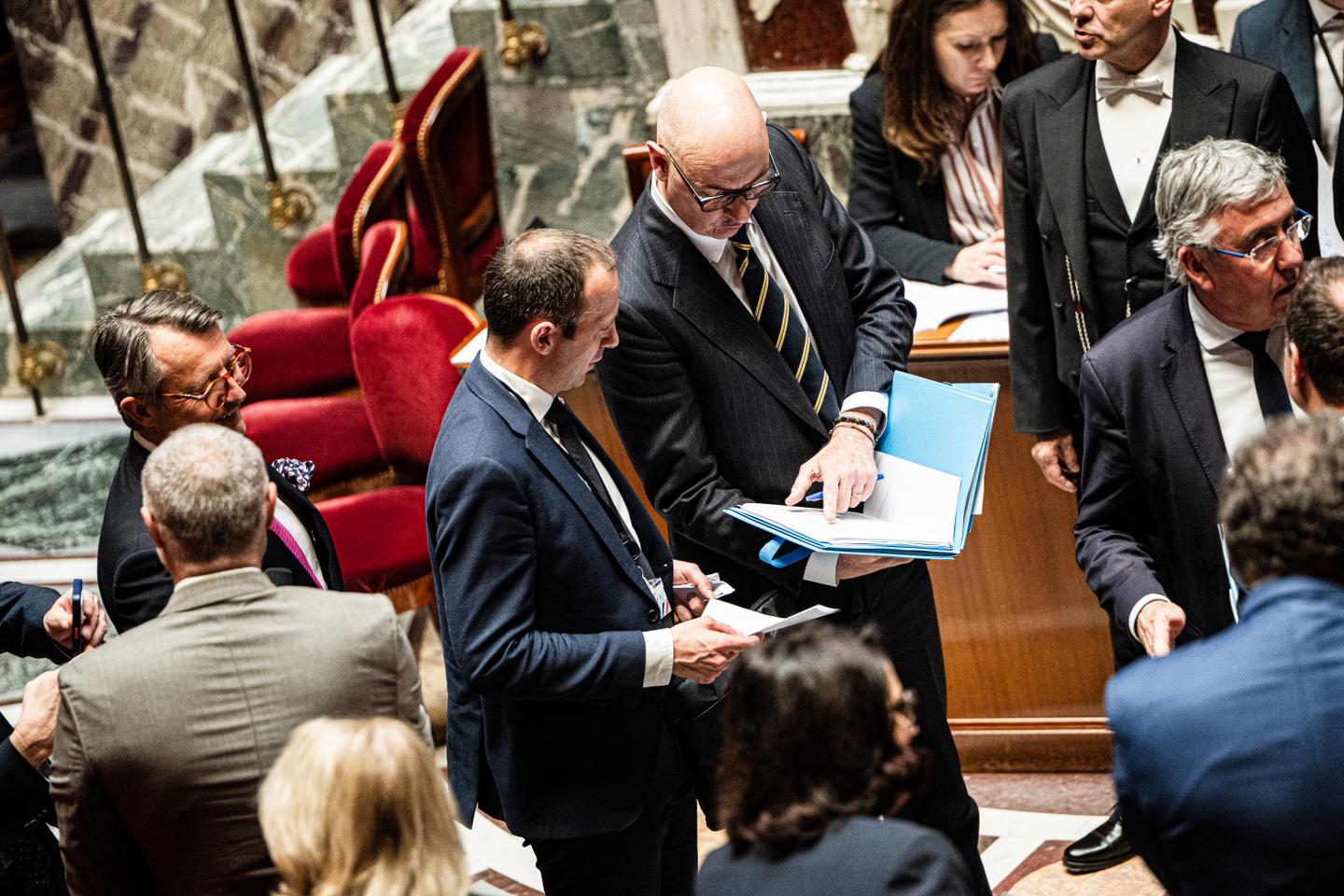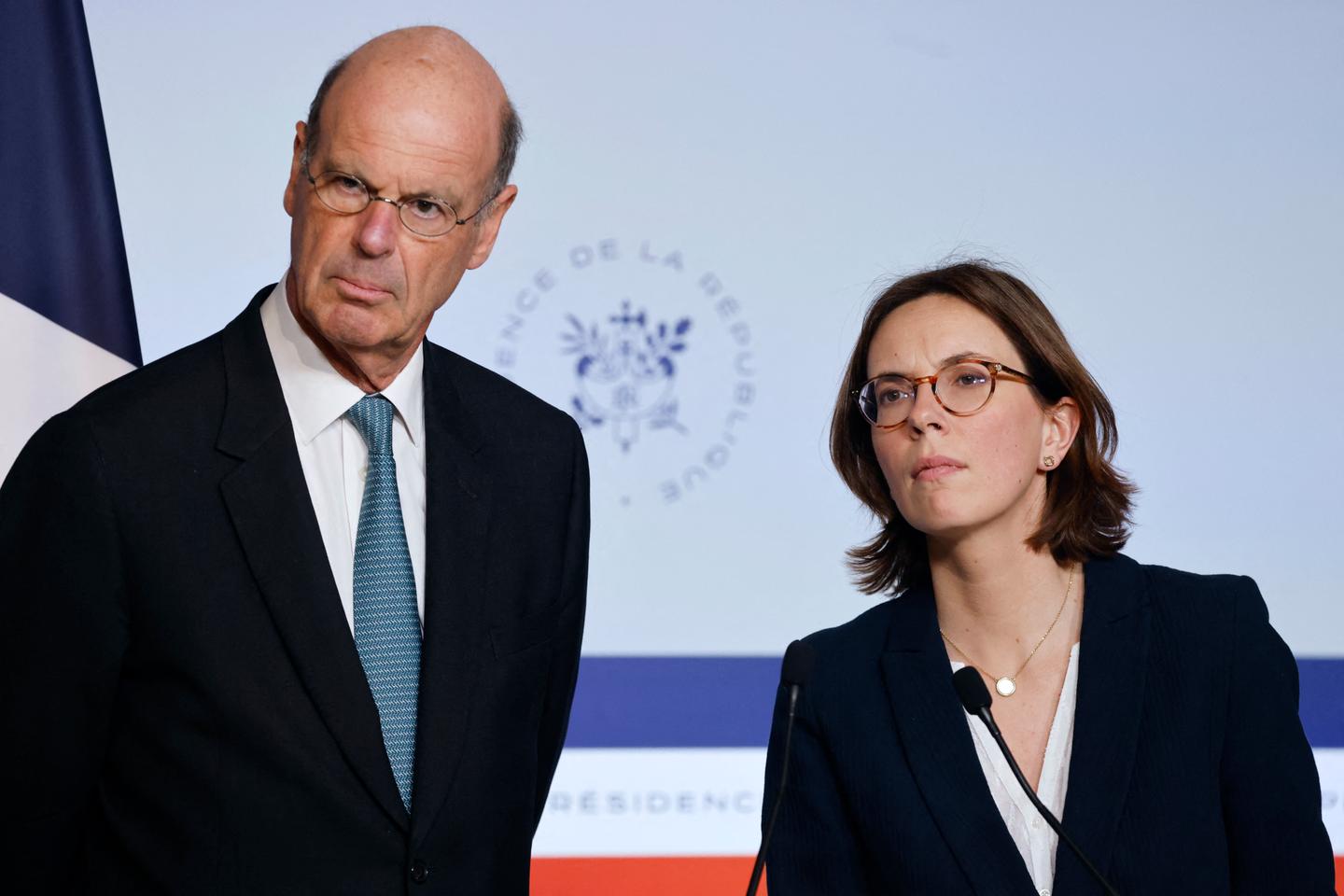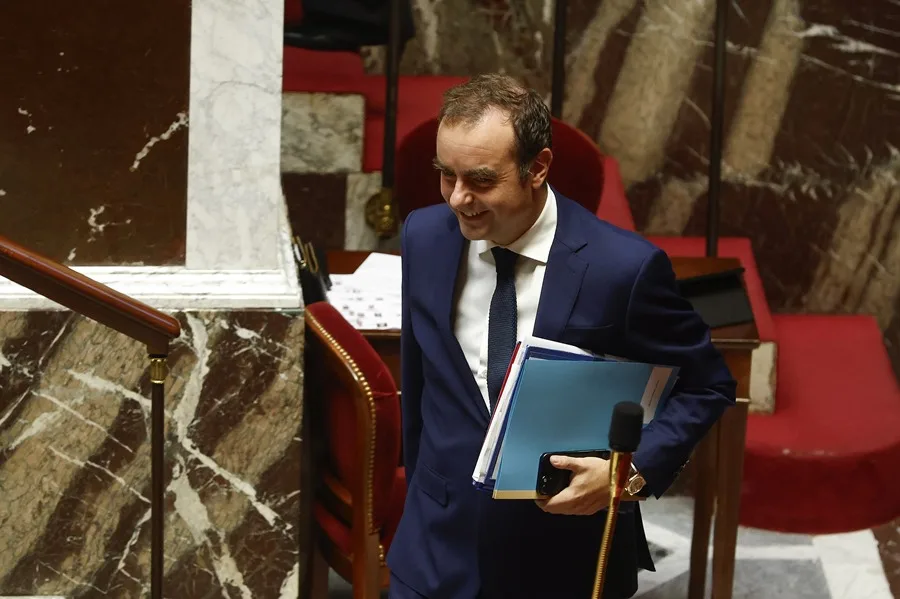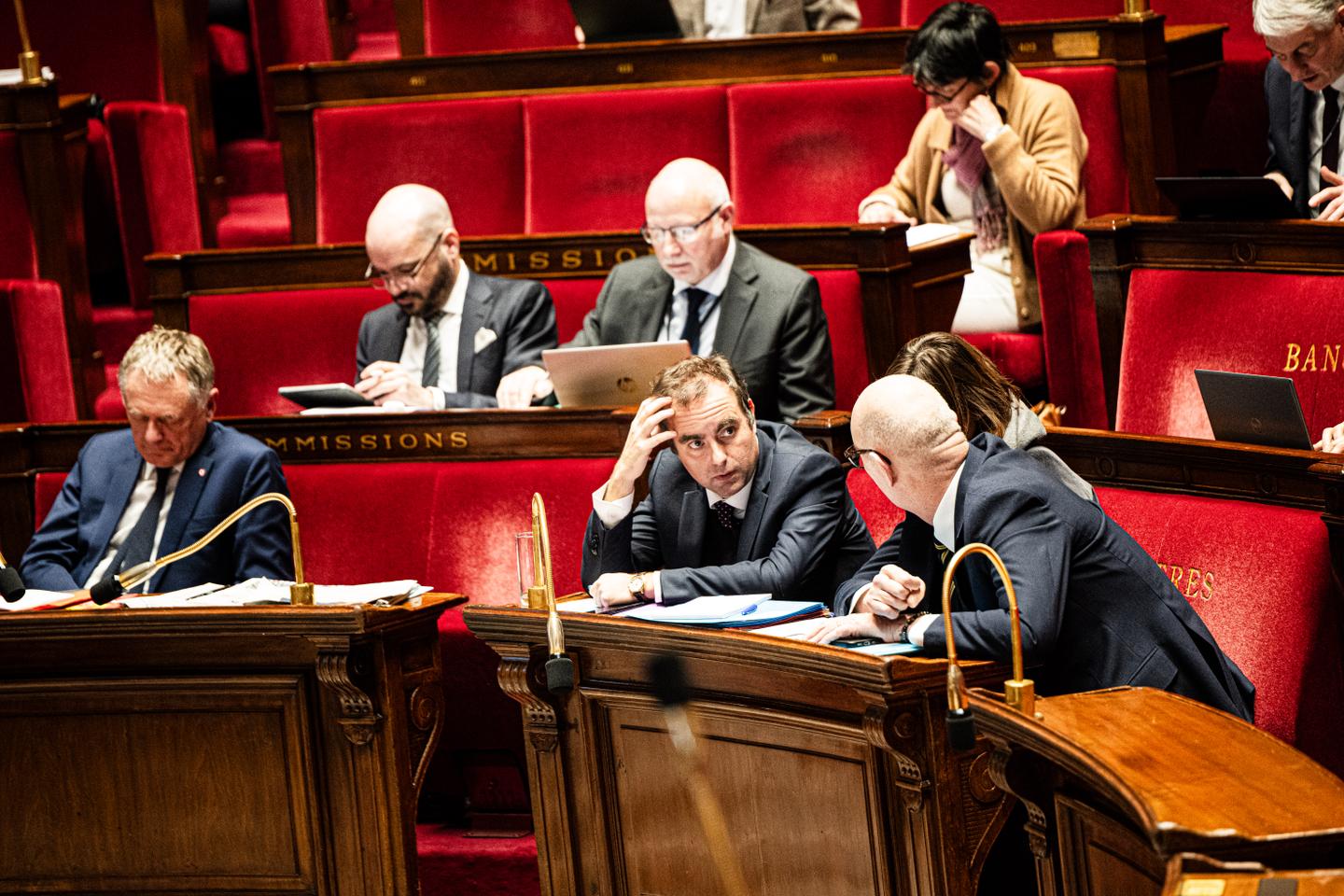
Prime Minister Sébastien Lecornu speaks with Finance Minister Roland Lescure, during the new reading of the 2026 budget bill at the Assemblée Nationale, in Paris, on January 13, 2026. JULIEN MUGUET FOR LE MONDE
Someone had to foot the bill, and it will now fall to large companies to pay a significant share of it. After announcing on Friday, January 16, billions of euros in increased government spending and tax cuts, particularly for individuals, Prime Minister Sébastien Lecornu revealed the flipside of the ongoing negotiations toward a budgetary compromise between the governing coalition and the oppoisition Socialists on Sunday: The taxes that large companies pay will be significantly higher than those planned in the government's initial version of the 2026 budget bill.
The decision temporarily breaks with the "pro-business" supply-side policy that governments under President Emmanuel Macron have pursued since his first term in office. However, Lecornu has deemed the move necessary to both keep the budget deficit within reasonable limits and secure support from the Socialists, whose vote will be crucial for the government to pass the 2026 budget bill and survive a no-confidence vote, after the usual parliamentary process failed in December 2025.