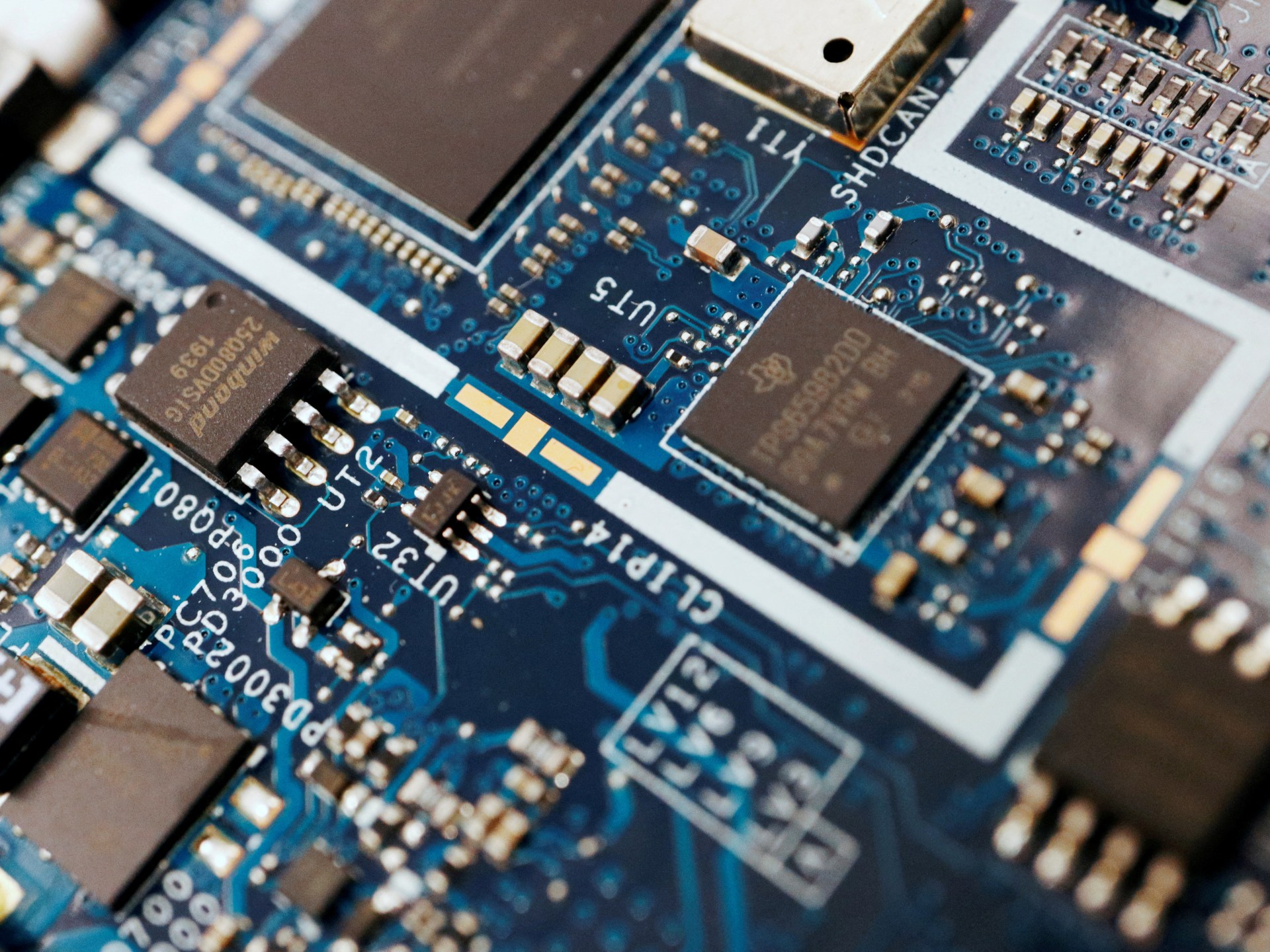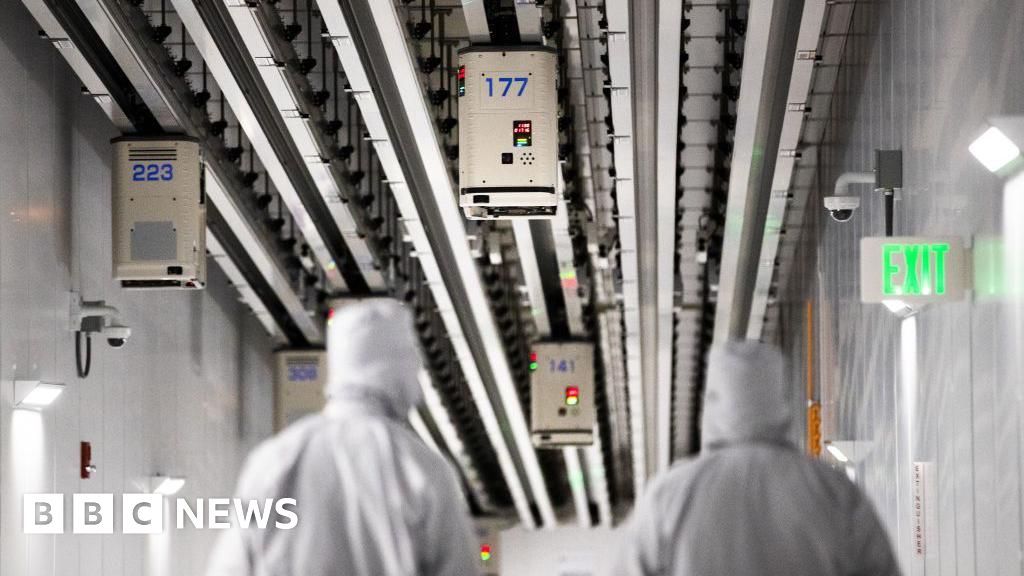
The U.S.-Taiwan deal aimed at expanding chip production capacity in the U.S. is unlikely to fully wean Washington off the island’s most advanced semiconductors anytime soon, several analysts told CNBC, leaving the so-called “silicon shield” largely intact for now.
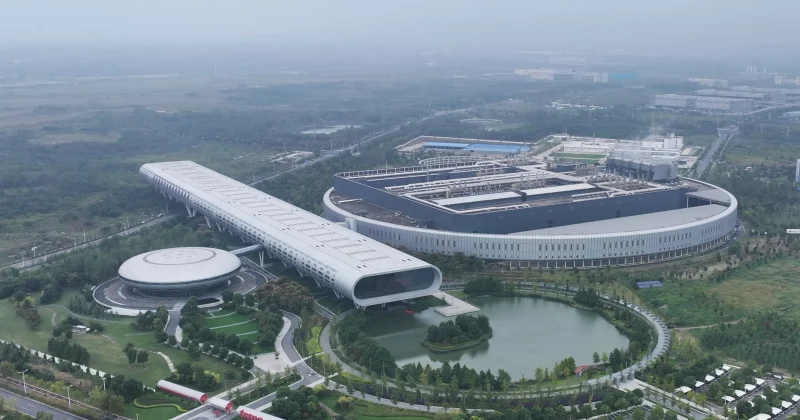
Taiwan dominates global chip production, with the Taiwan Semiconductor Manufacturing Company producing most of the world’s advanced chips. Nearly one-third of global demand for new computing power is estimated to be fabricated in Taiwan.
The island’s central role in the global semiconductor supply chain has made preserving its de facto autonomy — and deterring any Chinese attack — a strategic priority for the U.S. and its allies, an idea referred to as the “Silicon Shield.” Beijing claims territorial control over the democratically-governed island.
As part of a trade deal struck Thursday, the Taiwanese government promised to guarantee $250 billion in credit to its chip and technology companies to expand their production capacity in the U.S. Taiwanese companies will also enjoy higher quotas for tariff-free imports of their chips into the U.S.
In return, Washington would lower its levies on most goods from Taiwan to 15% from 20%, and waive tariffs on generic drugs and ingredients, aircraft components and natural resources unavailable domestically.