As survivors face pressure to sell their land in Altadena, a historic Black community, experts say we’re witnessing ‘climate gentrification’
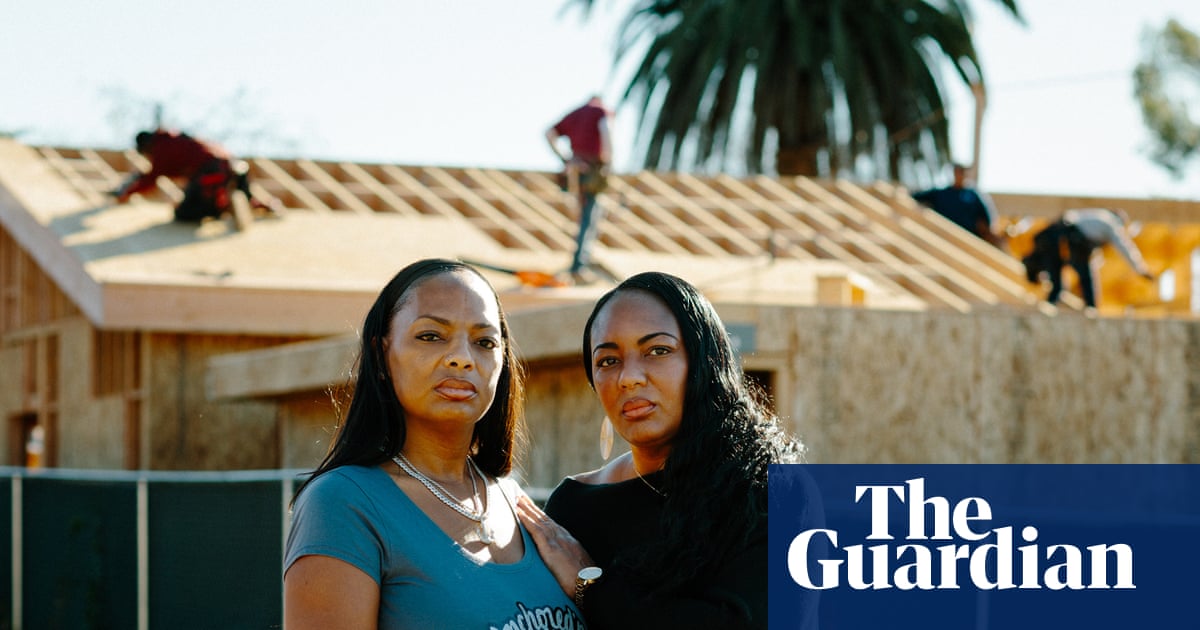
Ellen Williams’ left hand played with her long dark hair as her right hand guided the steering wheel, her phone resting face-down in her lap. Born and raised in Altadena, an unincorporated area in Los Angeles county, she didn’t need to look at a map as she drove to where her home of 22 years burned down.
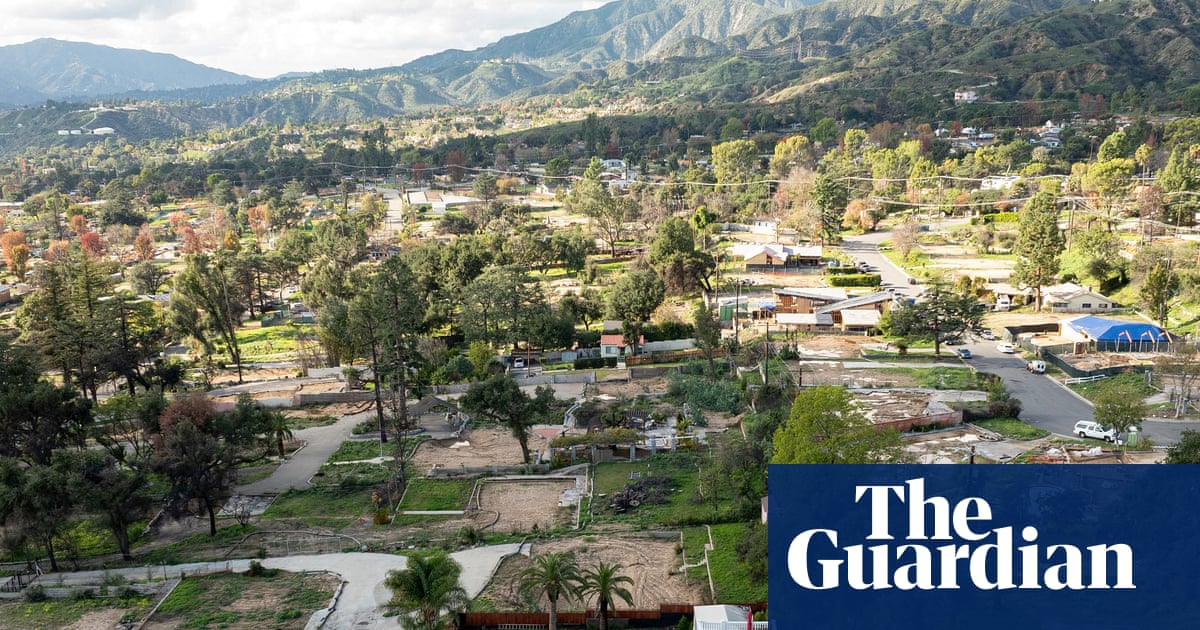
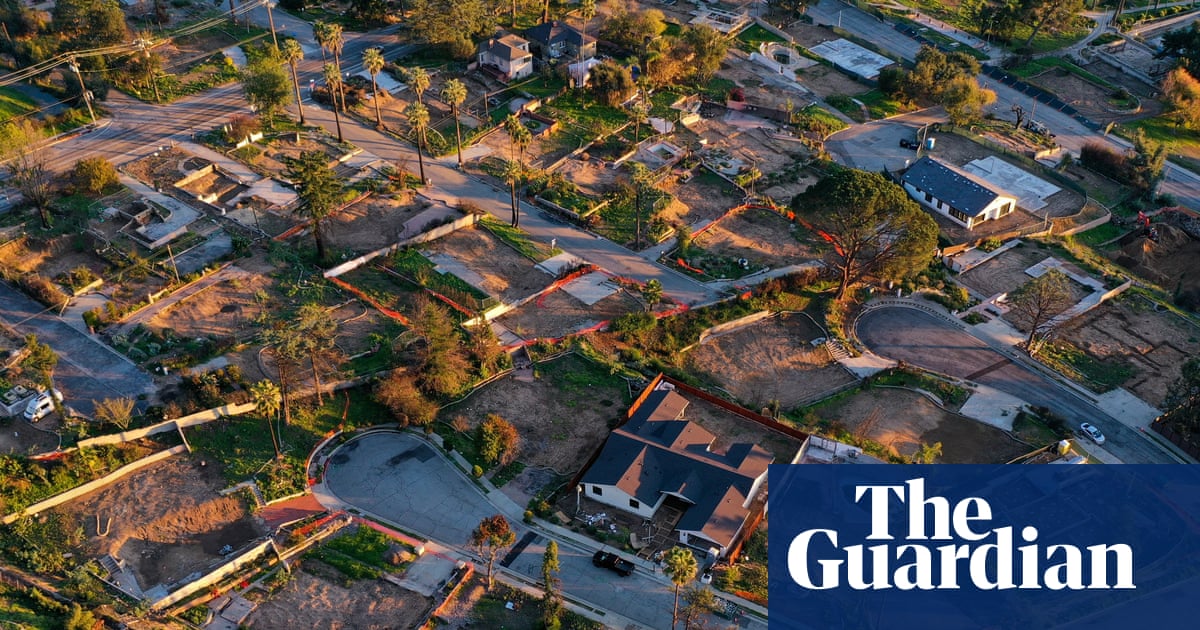
We passed empty lots with gaping holes where foundations once stood. The banging of hammers rang through the neighborhood and wood frames rose from the dirt, the smell of fresh lumber in the air. Perched on street corners were signs declaring: “Altadena is not for sale.”
The signs speak to an intrusion that has tormented Williams and other wildfire survivors over the last year: real estate investors aggressively pursuing their land.
Williams’ family lost four homes in the Eaton fire, which killed 19 people and destroyed about 9,500 buildings. She received the first call from a real estate investor just two days after her home burned down. The call was from a representative of an investment group who knew her full name and asked if she wanted to sell her lot.