From Lily Allen to Raven Leilani’s Luster, a new generation is re-writing the script around love and cheating, argues the author of The Ten Year Affair
O
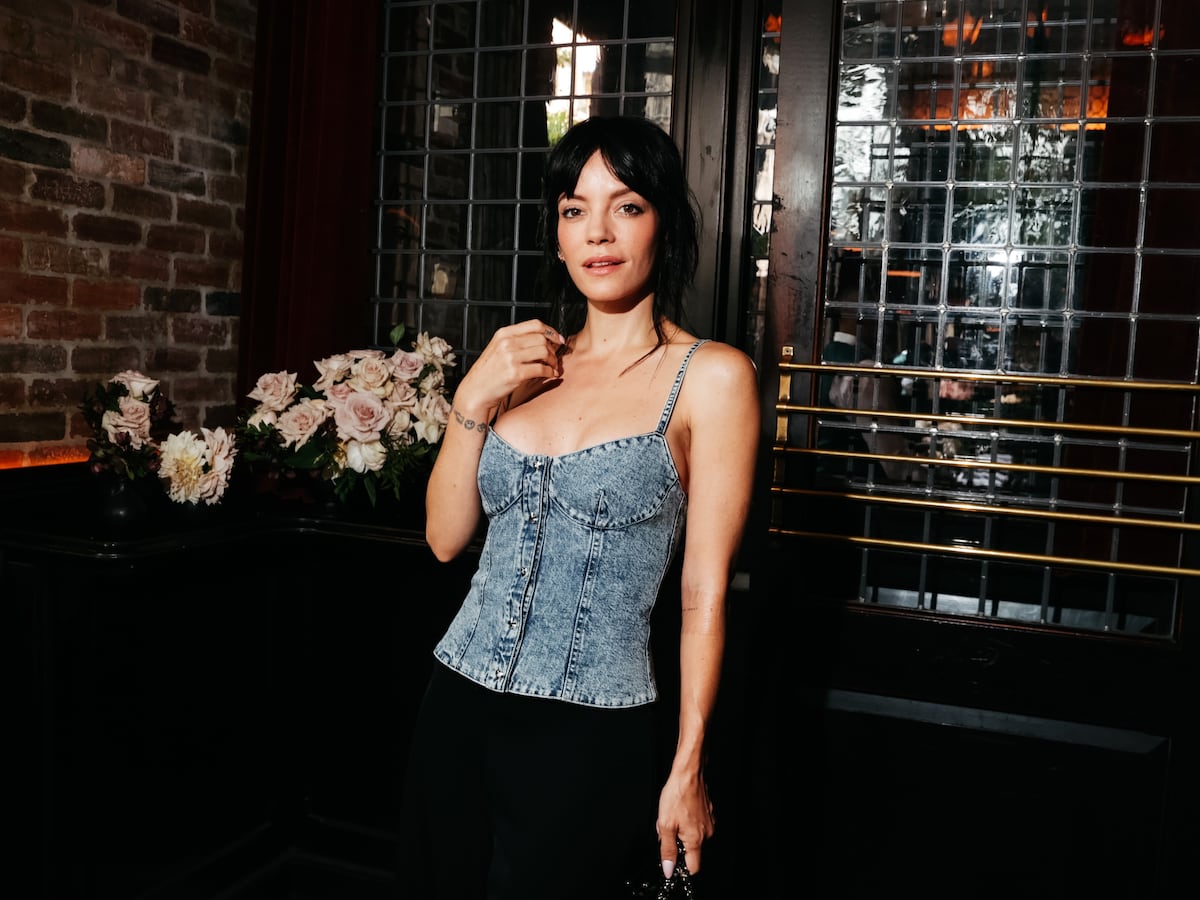
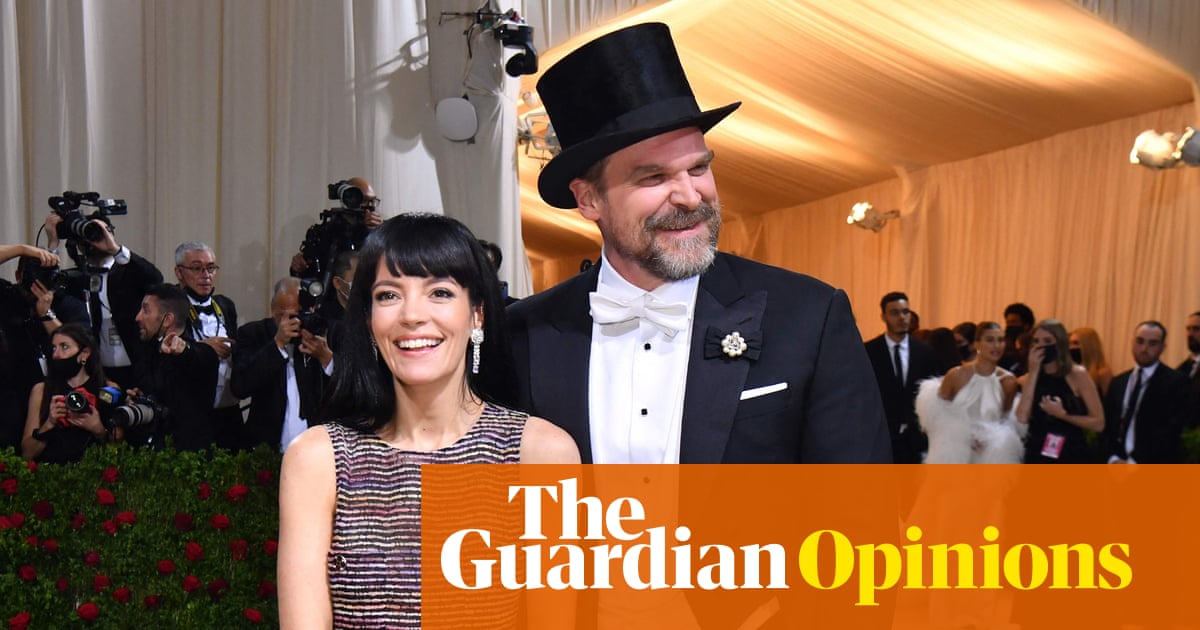
n the first track of Lily Allen’s breakup album West End Girl, we hear a long phone call that leads to a marriage’s unravelling. Allen listens, confused then hurt, for almost two minutes as a presumed husband on the other end asks to open up the relationship. Fans made the obvious connection to Allen’s own marriage to David Harbour, the cop from Stranger Things (who is perhaps equally well known for his tasteful Brooklyn townhouse). The two dabbled in polyamory, goes the tabloid story, only to have Harbour break the rules and hurt Allen in the end.
The album is good – pretty and catchy, with an appealing edge of anger. But public reaction went beyond appreciation for the work. The breakup became the object of gruesome rubbernecking. It was a juicy story about one of the oldest topics: infidelity, betrayal, an affair.
I watched with interest, since I was about to publish a novel, The Ten Year Affair, which is a comedic take on the same topic. The book has a dual timeline structure and sends up the well-worn tropes: the sleazy hotel room, the champagne bucket, the escalating lies told to spouses. The structure is experimental; the timelines converge and diverge, beginning, toward the end, to blur. In fiction anyway, infidelity is infinitely iterative, a way to frame and explore contemporary life, a setup with implicit stakes – a shared home and maybe children.