https://arab.news/vjqmg
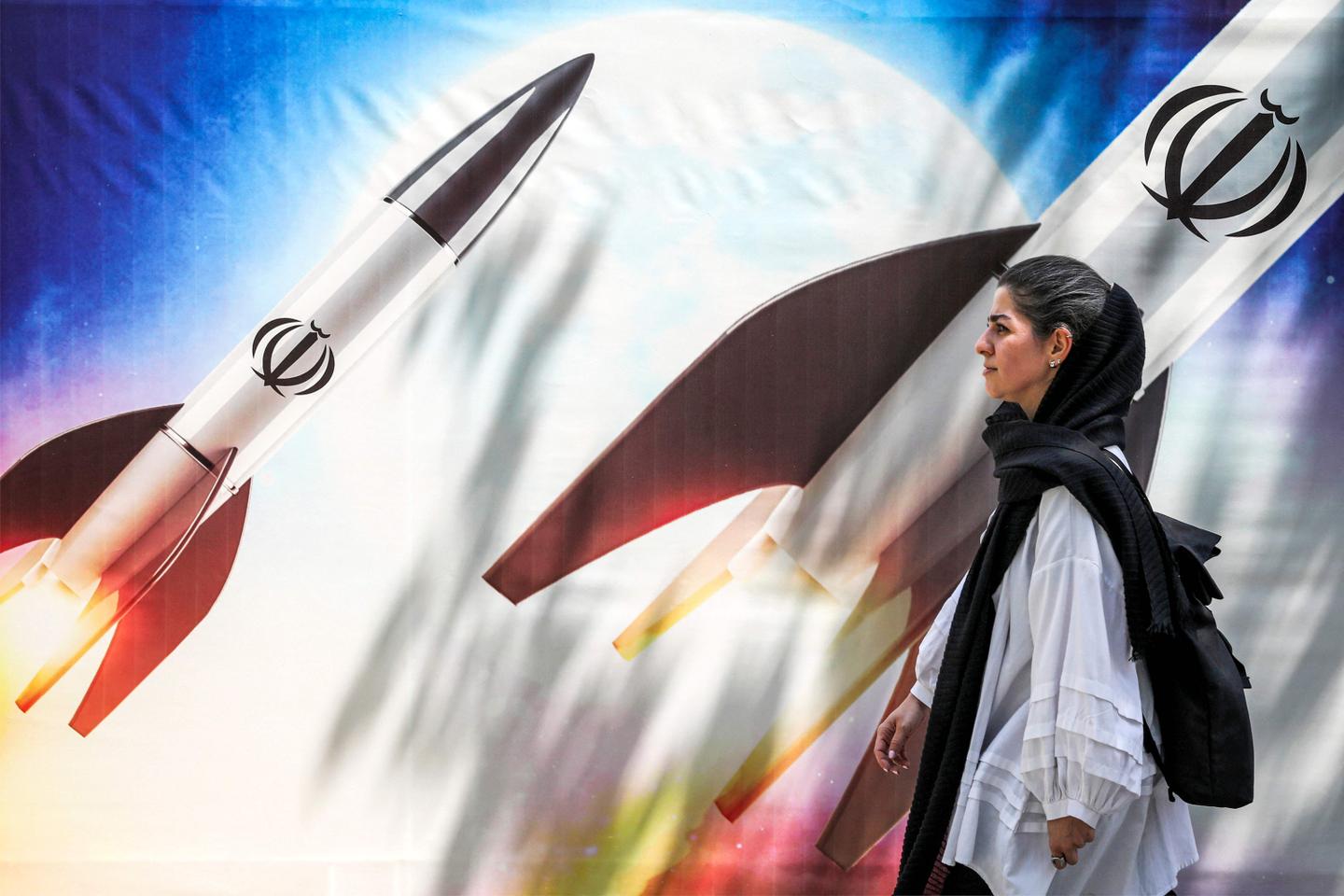
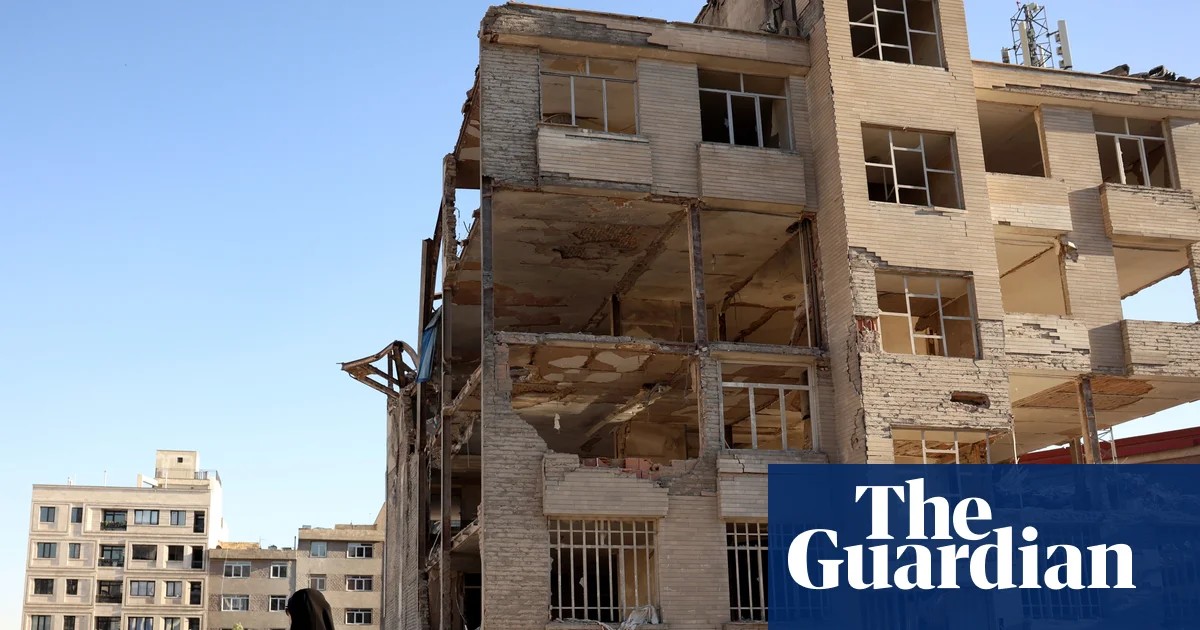
Iran’s famed “forward defense” strategy appears to be backfiring. That strategy was meant to shield its territory from attack by moving the potential battlefields away from its borders. However, some of Tehran’s so-called forward allies are today either gone or seriously weakened, while its home front is burning and the economy is in shambles.
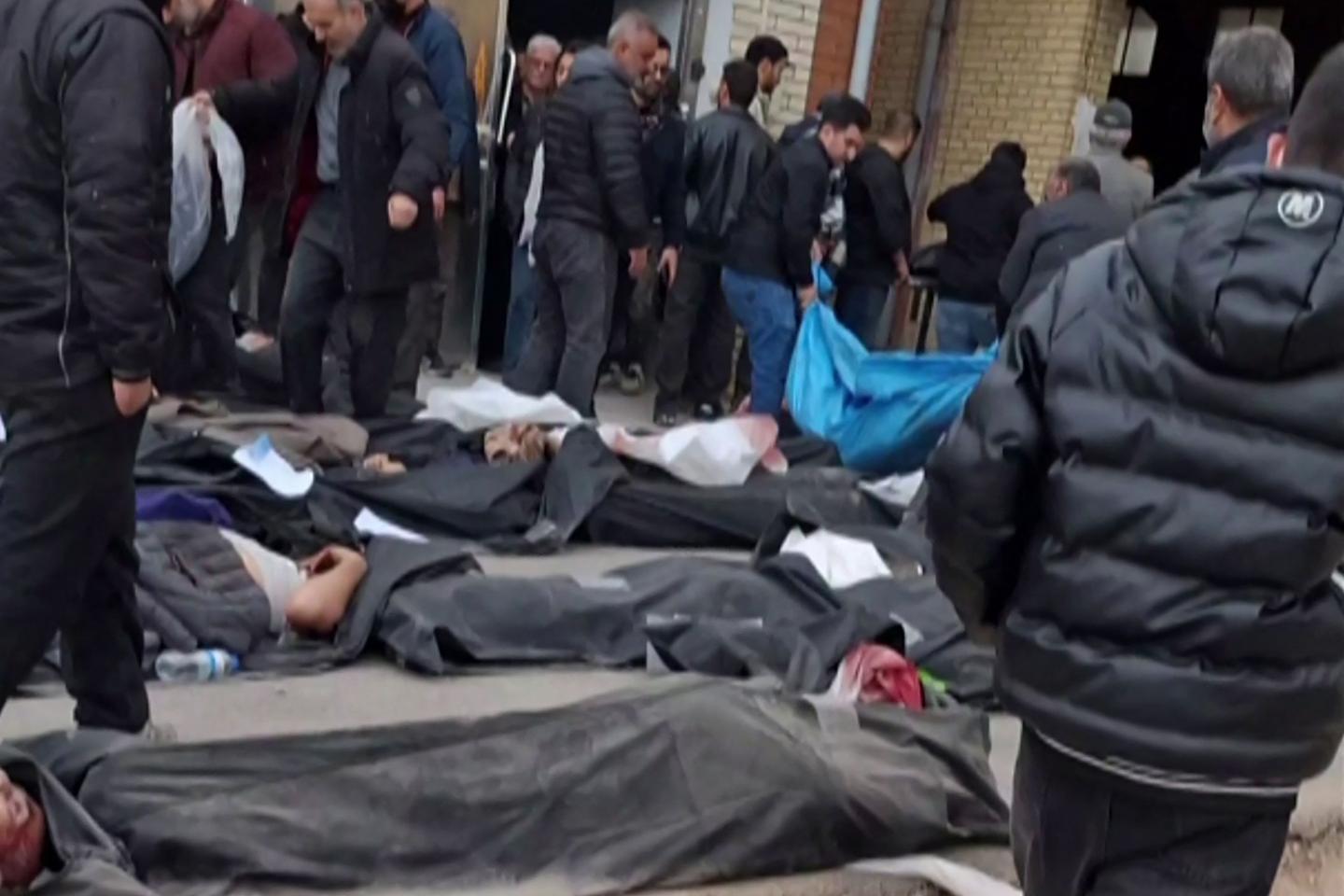
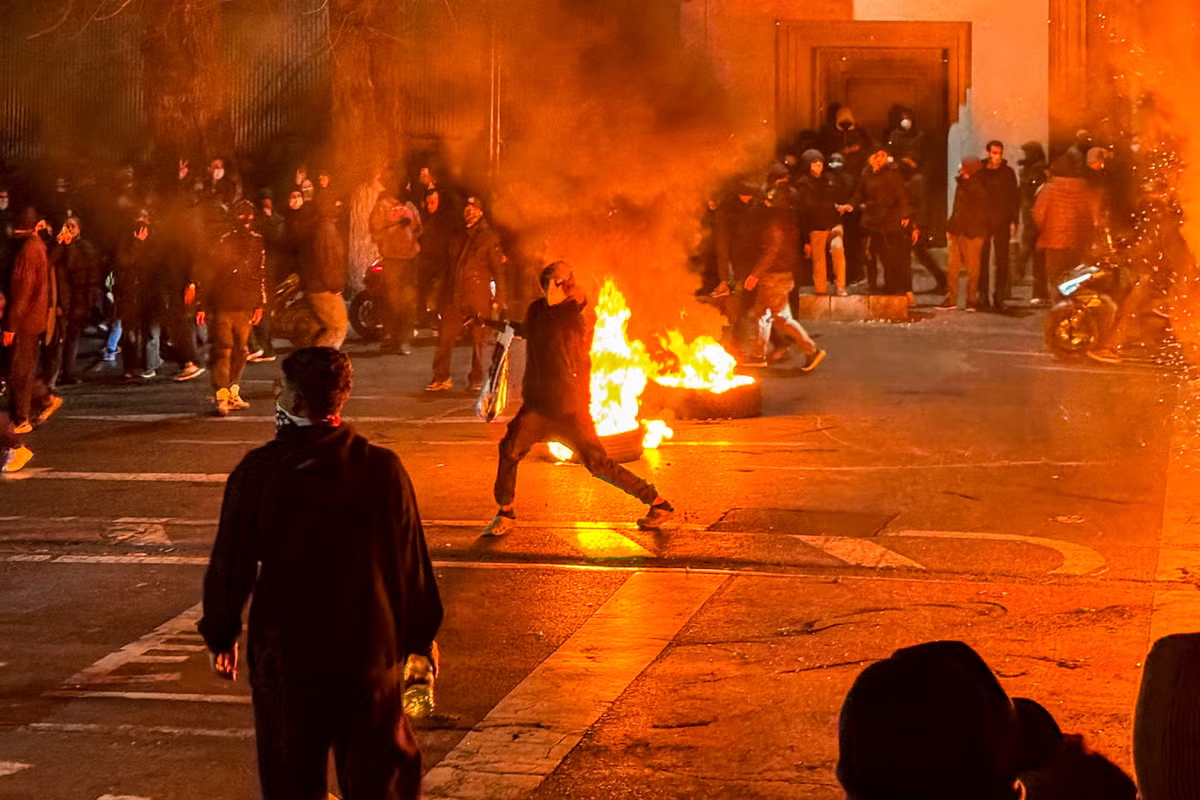
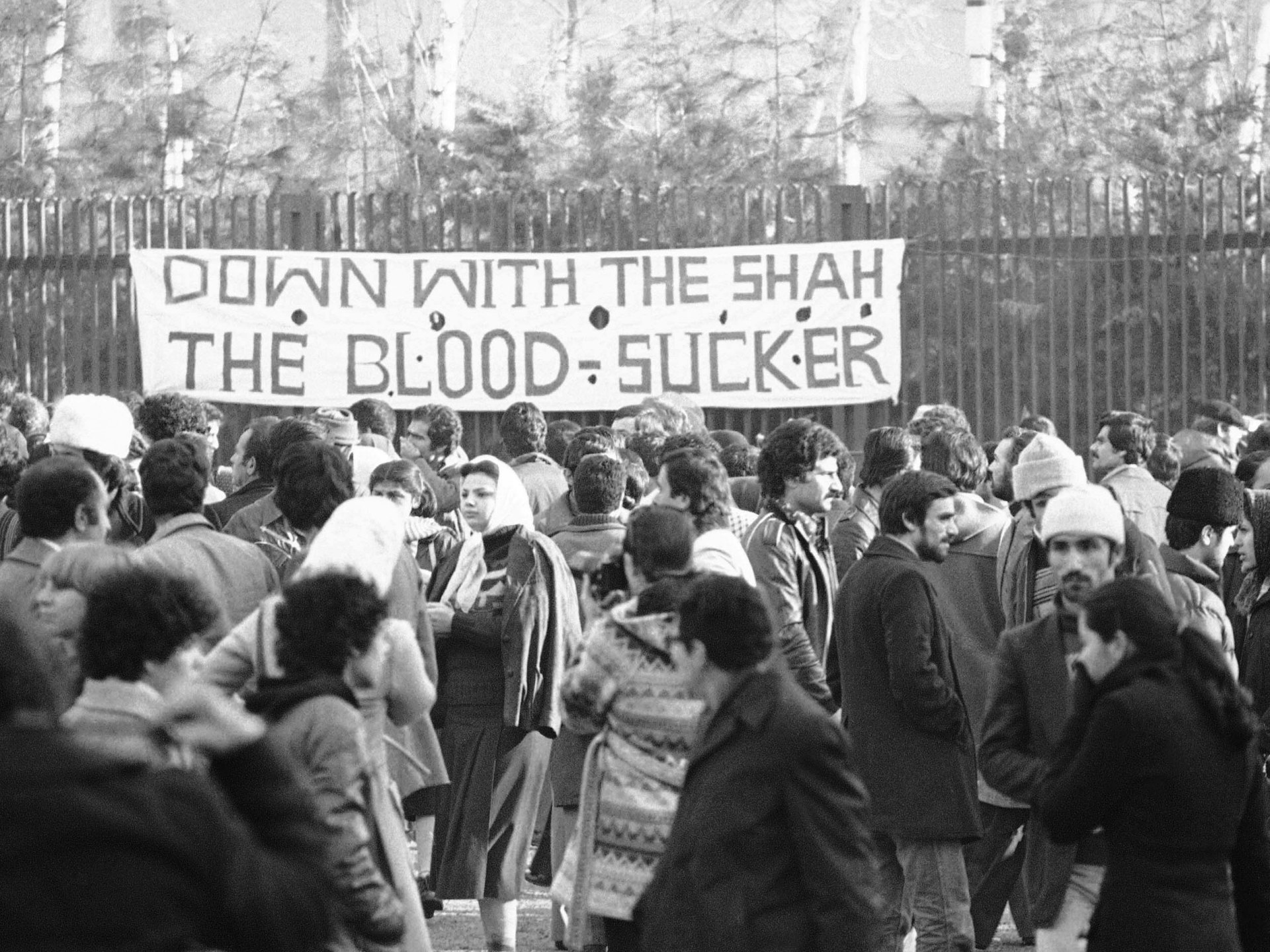
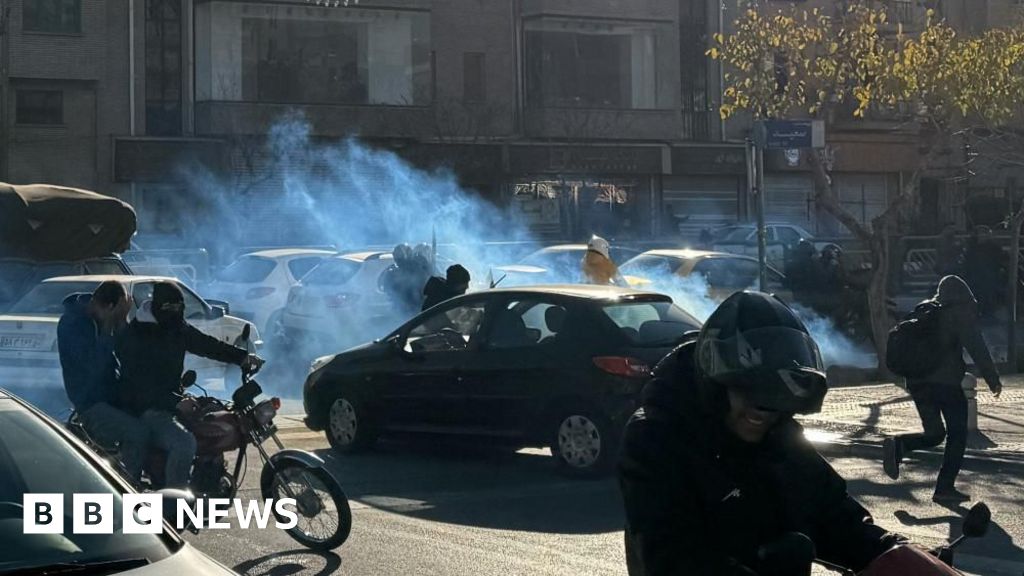
Protests are now sweeping the country, more widespread and violent than other waves seen since 1979. Thousands of protesters and security forces have been killed in bloody confrontations engulfing places far and wide, such as Ahvaz, Arak, Dargahan, Farsan, Fasa, Fuladshahr, Hamadan, Isfahan, Izeh, Kermanshah, Mashhad, Marlik, Najafabad, Nurabad, Qeshm, Qom, Shiraz, Sari, Tehran and others.
Iran has consistently been lowly ranked in international comparisons when it comes to peace and security at home. The Global Peace Index has for some time placed the country in its least peaceful tier, with the most recent edition placing it 142nd out of 163 countries, reflecting a significant deterioration in its scores since 2020 and making it one of the most volatile nations in the world.
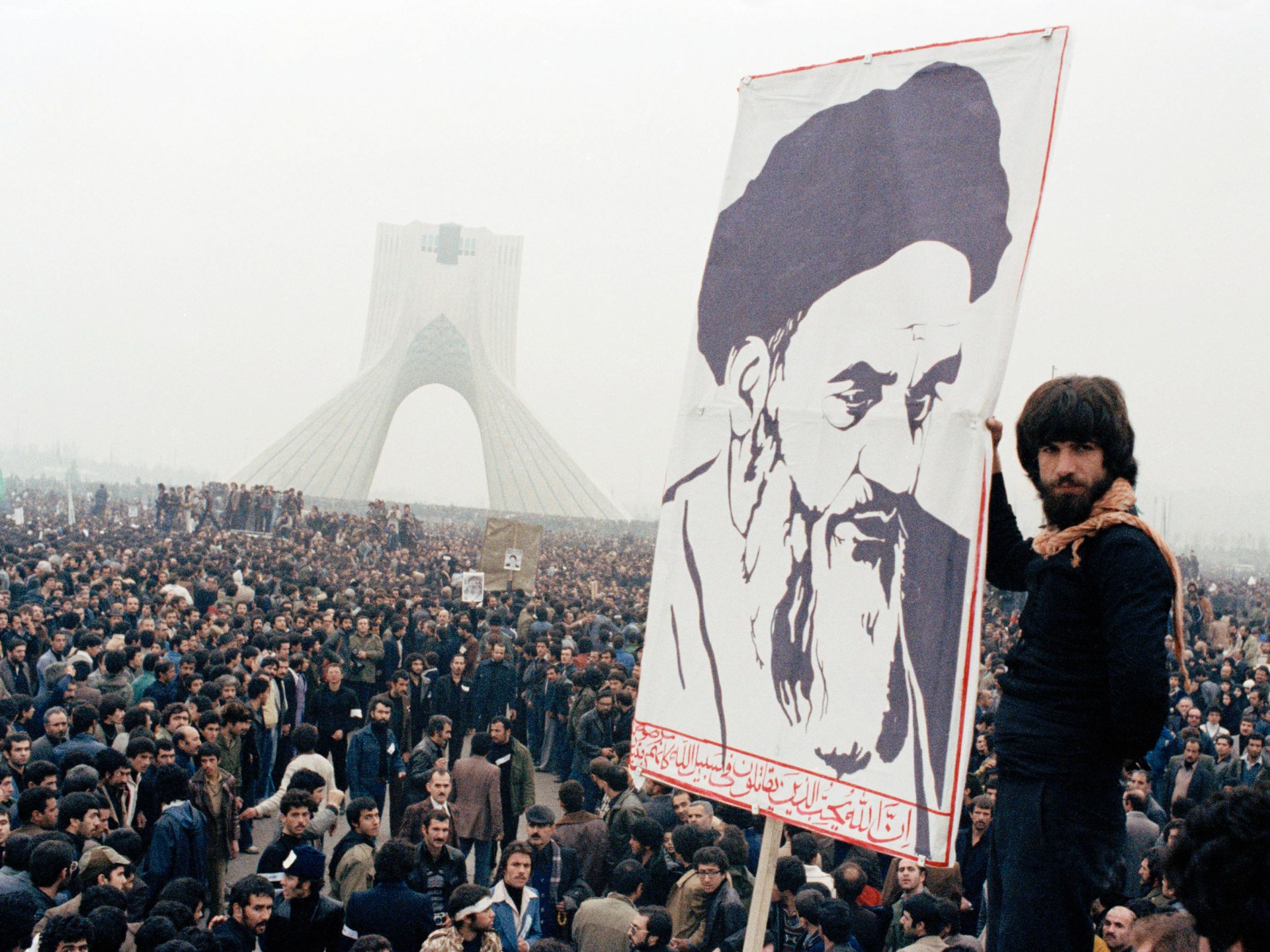
Forward defense has cost Iran dearly in economic terms. Militarizing the economy and prioritizing foreign adventures have seriously damaged the country’s economic potential. In 1978, the year before the February revolution, its economy was comparable to that of Saudi Arabia, its peer competitor at the time. Iran’s gross domestic product was estimated at $78 billion, compared to the Kingdom’s $80 billion. Today, Iran’s GDP is a mere $356 billion, or 28 percent of Saudi Arabia’s $1.3 trillion, according to International Monetary Fund figures. The statistics are even more striking when you compare the two countries’ GDP per capita, with Saudis’ per capita income being almost 10 times that of Iranians. Between 18 and 28 million Iranians, depending on data sources, are living below the poverty line.