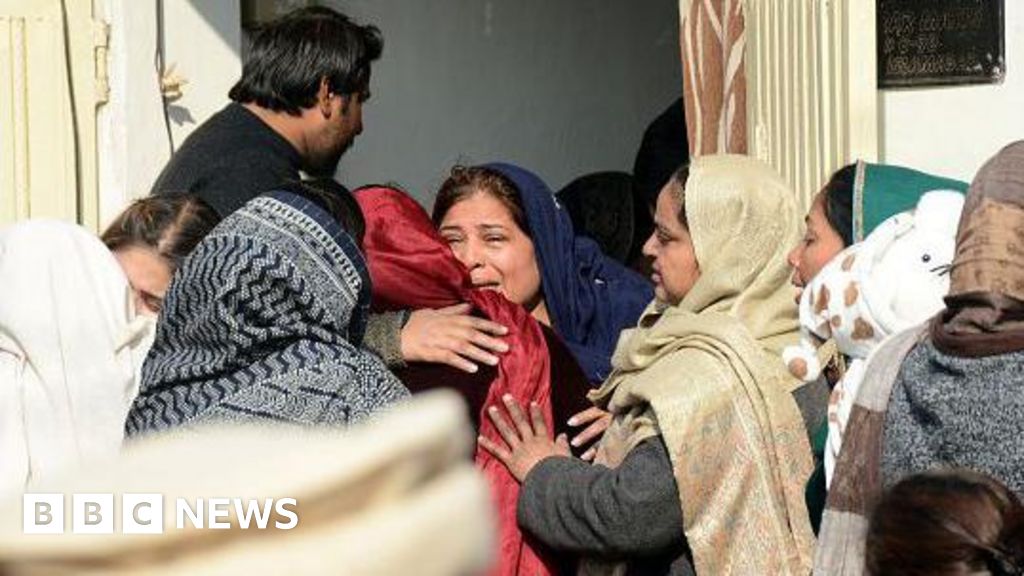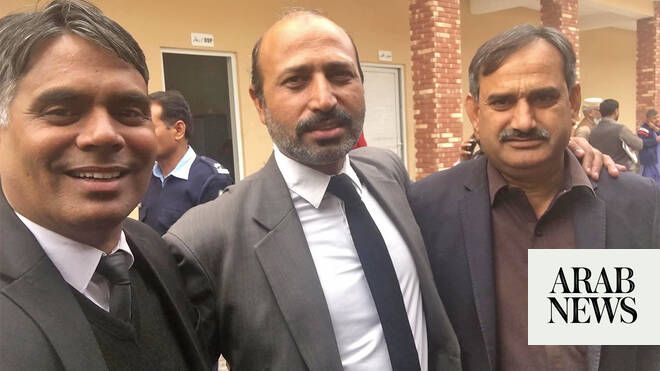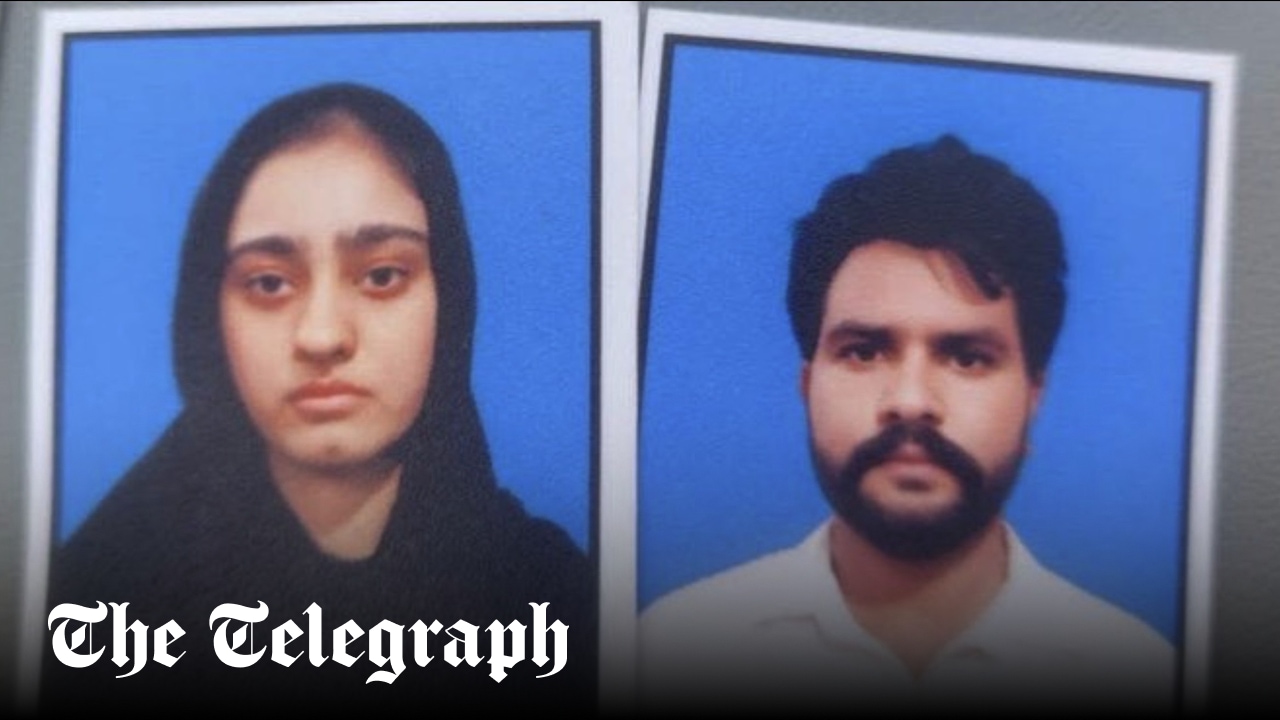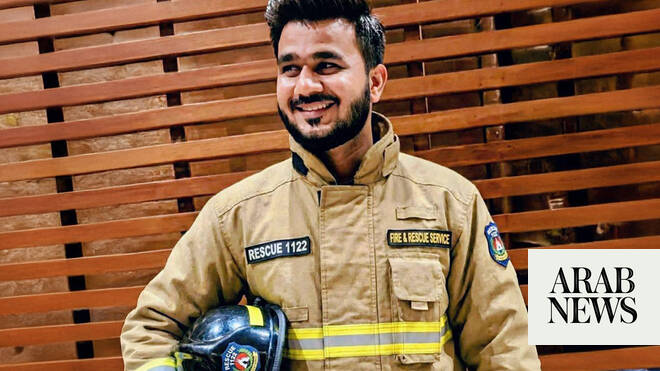
ISLAMABAD: Hanif Masih, a veteran fireman with the Capital Development Authority (CDA), went to sleep late on Saturday after celebrating his son’s wedding. Shahroon Hanif had just returned from the eastern city of Gujrat with his bride, and the family was preparing for a post-wedding valima feast and a trip to Murree. By morning, those plans were gone.
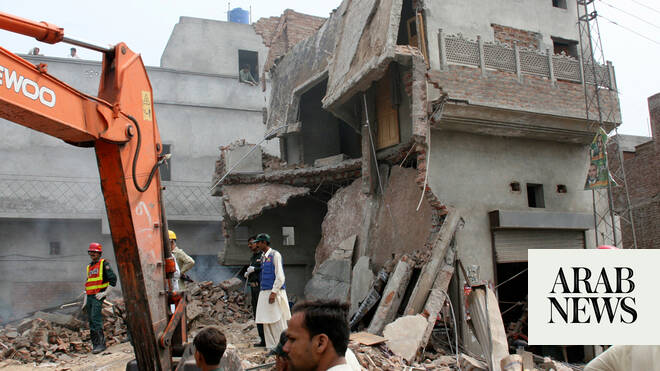
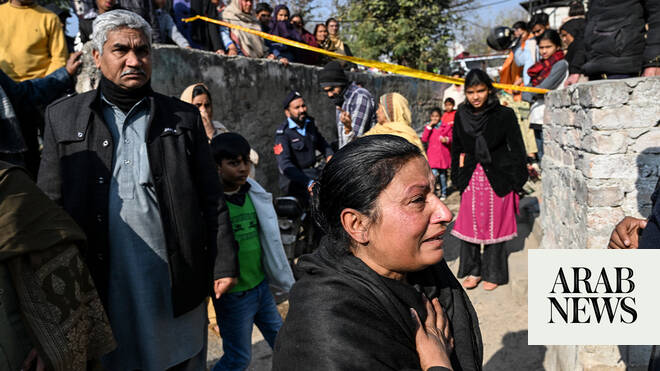
Just after 7 a.m. on Sunday, a massive gas leakage in the house next door in Islamabad’s Sector G-7/2 triggered a thunderous explosion. The blast brought the walls of Masih’s house crumbling down on the sleeping guests who had gathered for the wedding, claiming six lives, including the newlyweds, and injuring 11 others. Two more people were killed in an adjacent house.
“If this grief were placed upon a mountain, I believe it would be shattered into pieces,” Masih said during a conversation with Arab News on Tuesday. “It is only by God’s grace that I am still standing.”
His tragedy was not without precedent.
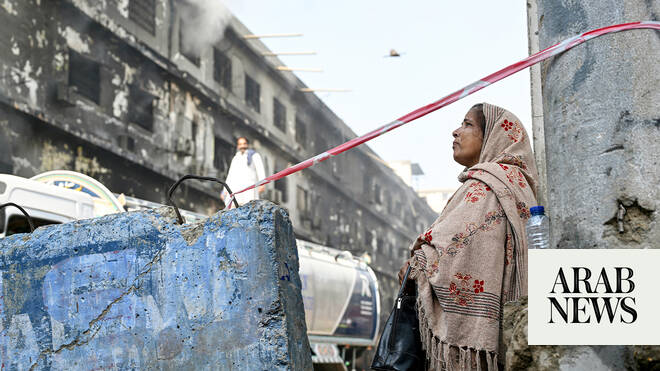
According to media reports, the Islamabad blast pushed the death toll from gas-related incidents in Pakistan to 27 since January last year, with nearly 100 people injured during that period. Just two weeks before the incident in G-7/2, on December 29, a similar blast took place in Rawalpindi, while a massive LPG container leakage in Multan killed five people and injured 31 before that.