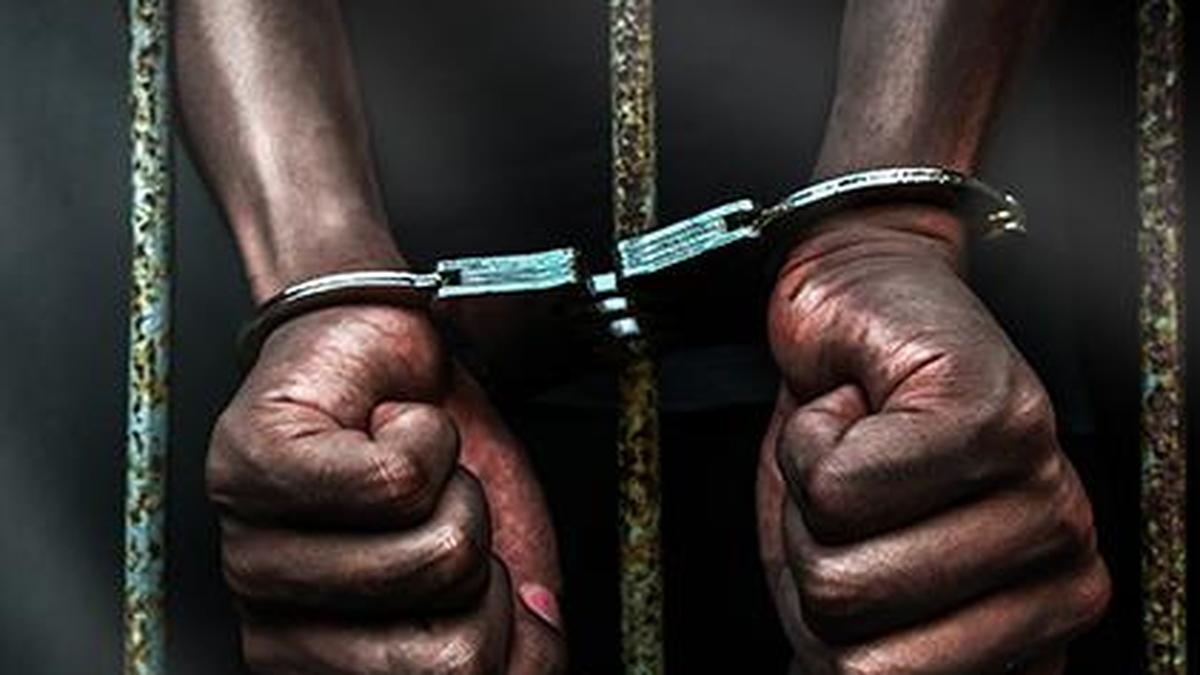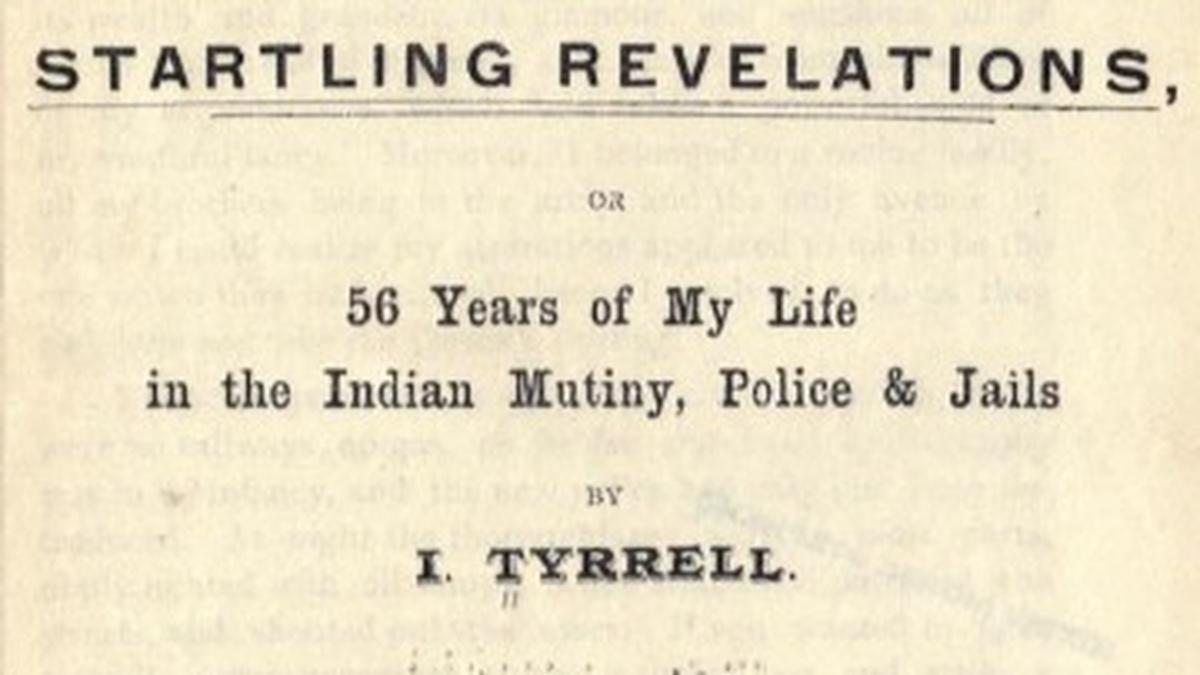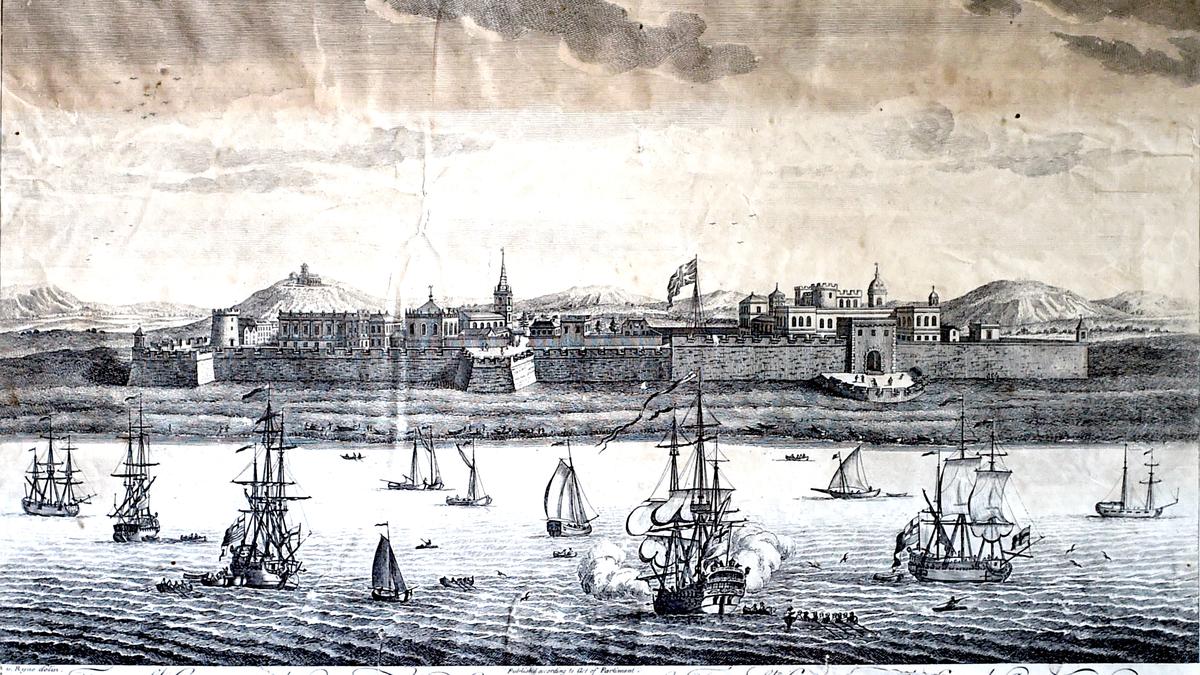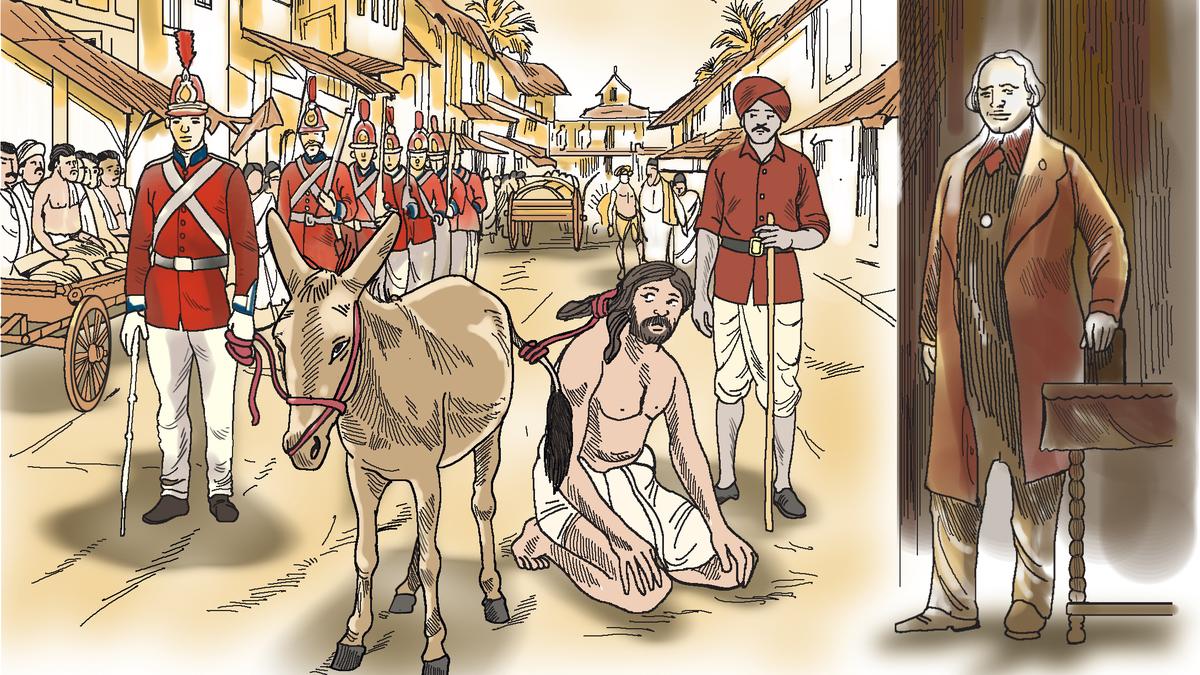
Dehumanising third-degree torture meted out to people in Madras was the subject matter of discussion in the Britain parliament 170 years ago.
On April 4, 1856, George Thomas Keppel, the Earl of Albemarle, moved a resolution in the Britain parliament to present a petition from certain inhabitants of Madras – then a British colony – complaining of the infliction of torture by the officers of the Government. Keppel went on to narrate some of the cruel punishments meted out to the citizens. These included tying a man by the hair of his head to the tail of an ass, and parading him though the public market.
Apart from depriving a man of food and water and hindering the victim from sleeping, a necklace of bones or other disgusting materials were hung on the neck. He described this punishment “peculiarly offensive to a Hindoo (Hindu).”
Compelling a man to sit on his heels, with brickbats or sharp stones under his hams; tying two persons together in a stooping posture by the hair of their heads; tying a man in a stooping posture to the wheel of a cart; forcing a man into a stooping posture with another man on his back; binding a man to one tree and hoisting his leg by a rope attached to another; suspending a man by his heels to the bough of a tree; suspending him by the wrist, and scourging him while in the air, were also common forms of torture.