Academics say the villa, found in Welsh deer park, shows the area was not on fringes of Roman empire
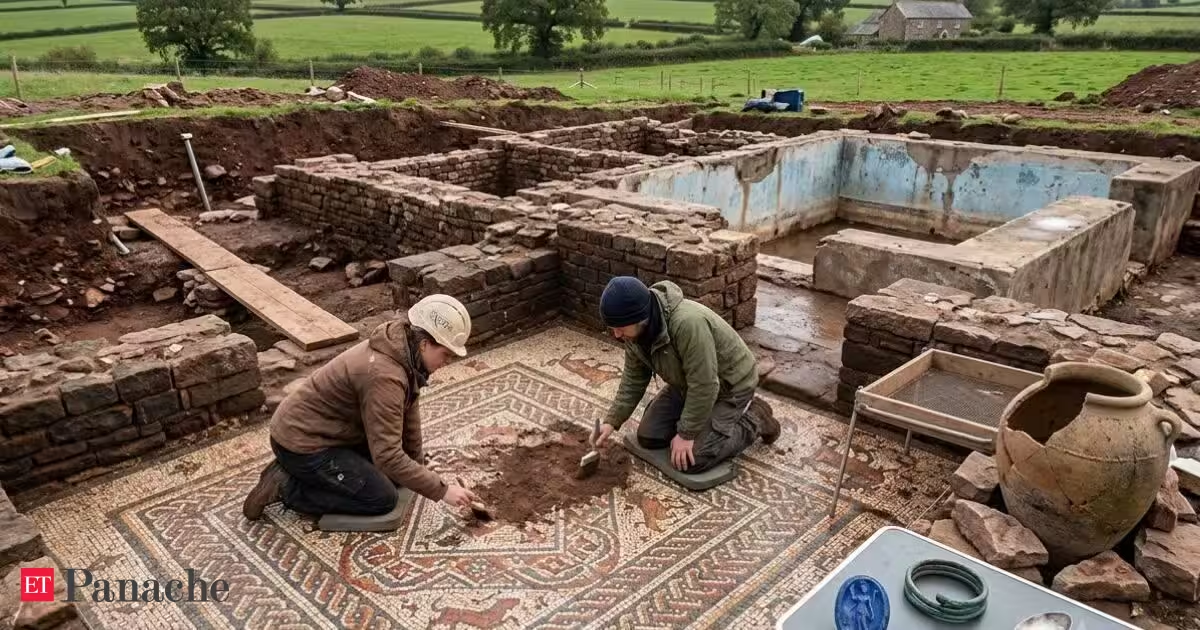
Over the last 100 years or so, a characterful but tough corner of south Wales has become best known for its steelworks and coalmines. But the discovery of the footprint of a large Roman villa in a country park on the outskirts of Port Talbot gives an intriguing fresh insight into life here centuries before heavy industry took hold.
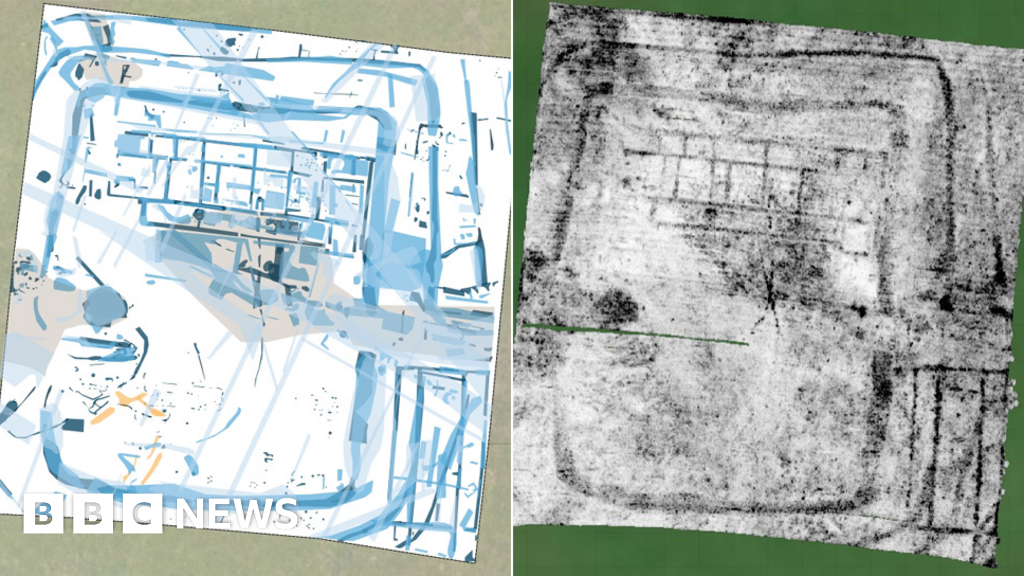
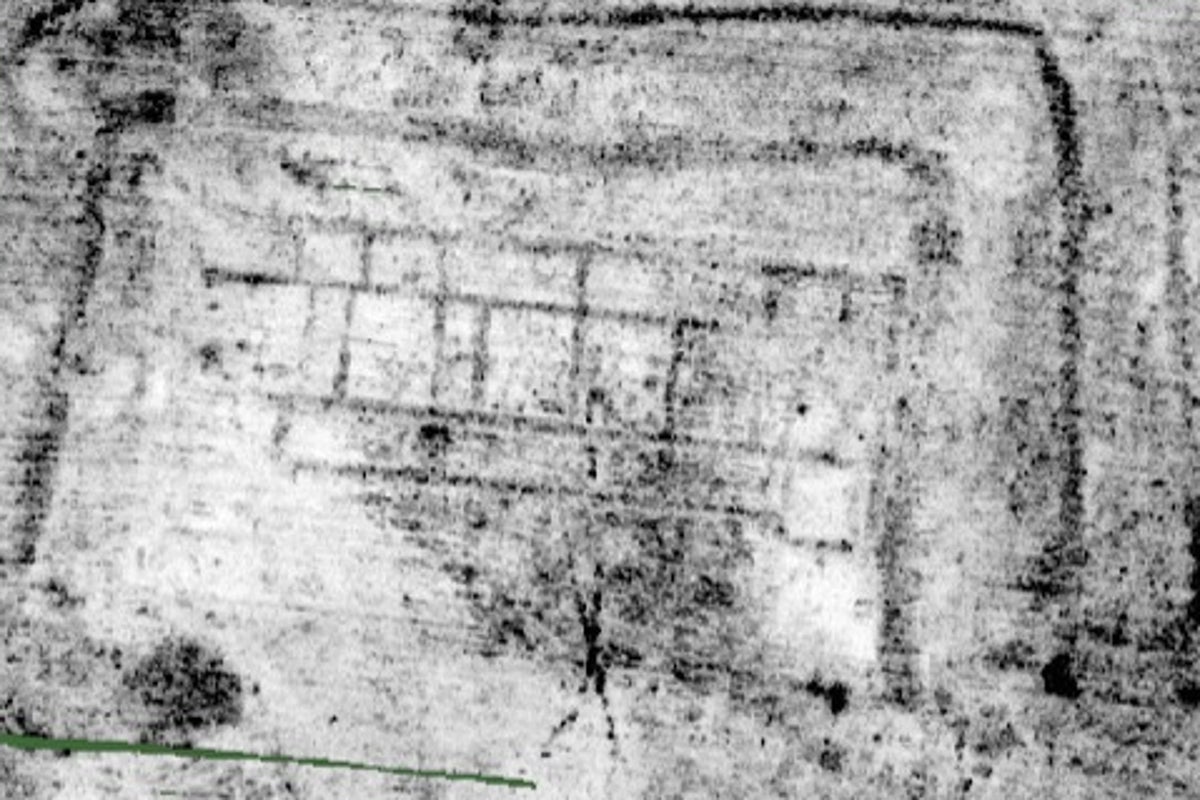
Found below the surface of Margam country park and close to the M4, the presence of the villa – which has been labelled “Port Talbot’s Pompeii” – suggests the area was not on the fringes of the Roman empire but very much part of it and may have been an important agricultural centre.
Alex Langlands, an associate professor of heritage and history at Swansea University, said he was taken aback when ground-penetrating radar suggested the hidden structure could be the largest villa of its kind in Wales.
“It’s a lifetime find for me, the park and the community,” said Langlands, the project lead for ArchaeoMargam. “We suspected there was something Romano-British there but we didn’t for a moment think it would be as significant as this.