O
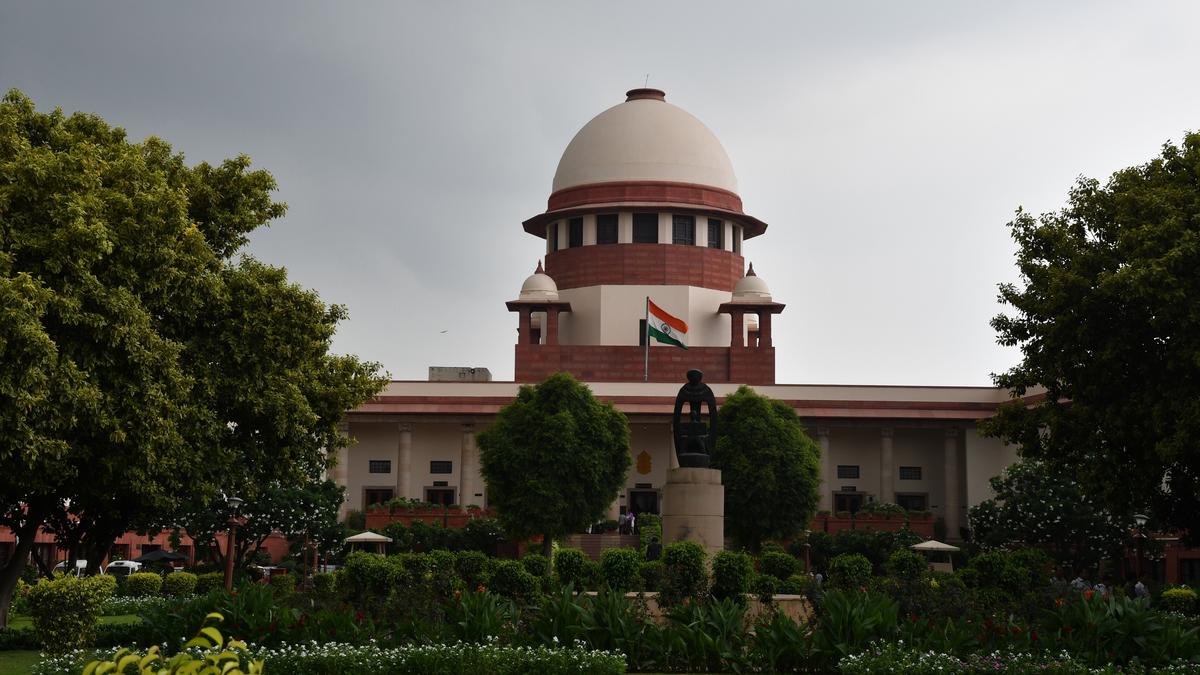
n January 10, the Supreme Court (SC), in its judgment in the State of Uttar Pradesh versus Anurudh & Anr., acknowledged the growing misuse of the Protection of Children from Sexual Offences Act (POCSO), 2012 in consensual, romantic adolescent relationships, where one party is a minor. It urged the Union government to initiate corrective measures to exempt genuine adolescent relationships from the special child protection law’s rigorous application. This has revived the debate on the ‘age of consent’.
The legal framework
The age of consent refers to the legally defined age at which an individual can consent to sexual activity. In India, it is currently 18 years, as established by the gender-neutral POCSO Act. Anyone below this age is classified as a “child”, making their consent to sexual acts legally irrelevant. Consequently, sexual acts with minors are treated as “statutory rape”, based on the legal presumption that children lack the capacity to give valid consent. Section 19 of the POCSO Act mandates that any person who suspects or has knowledge of an offence under the Act, whether likely to occur or already committed, must report it to the local police or the Special Juvenile Police Unit.