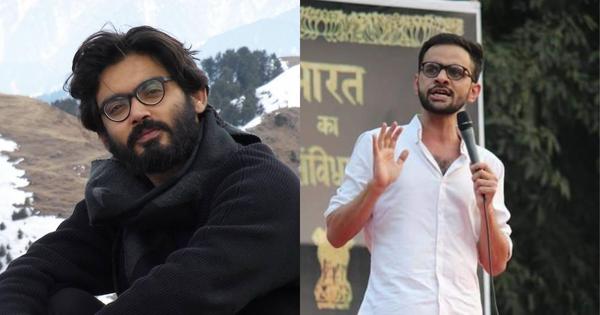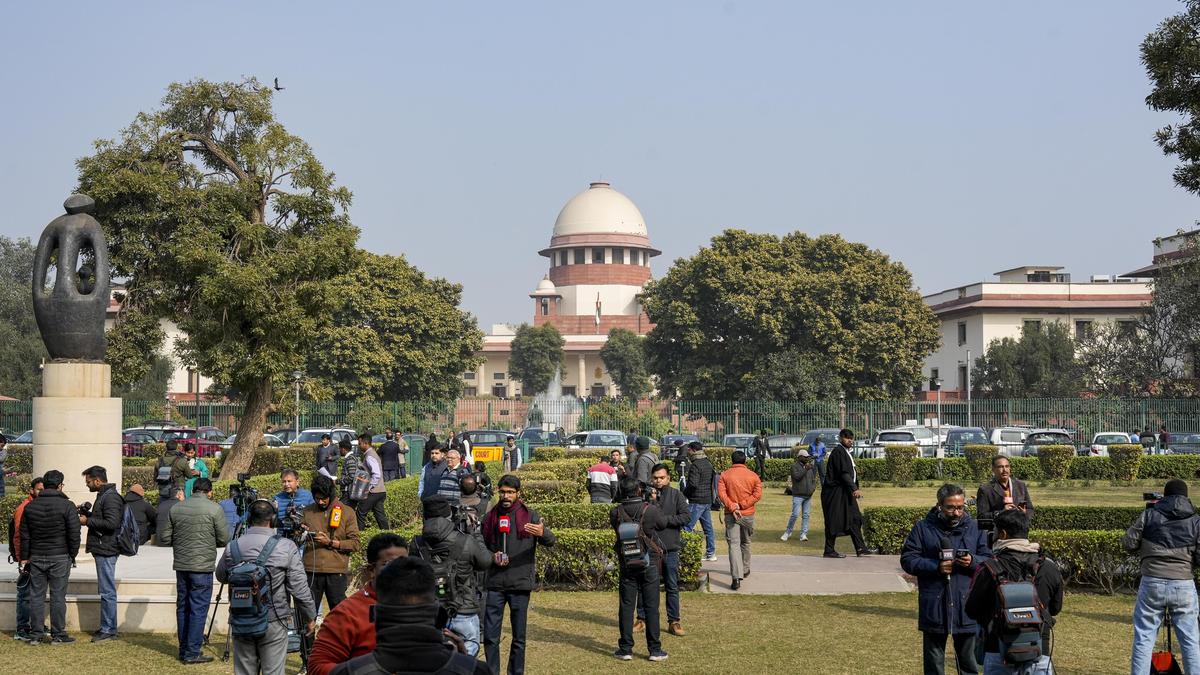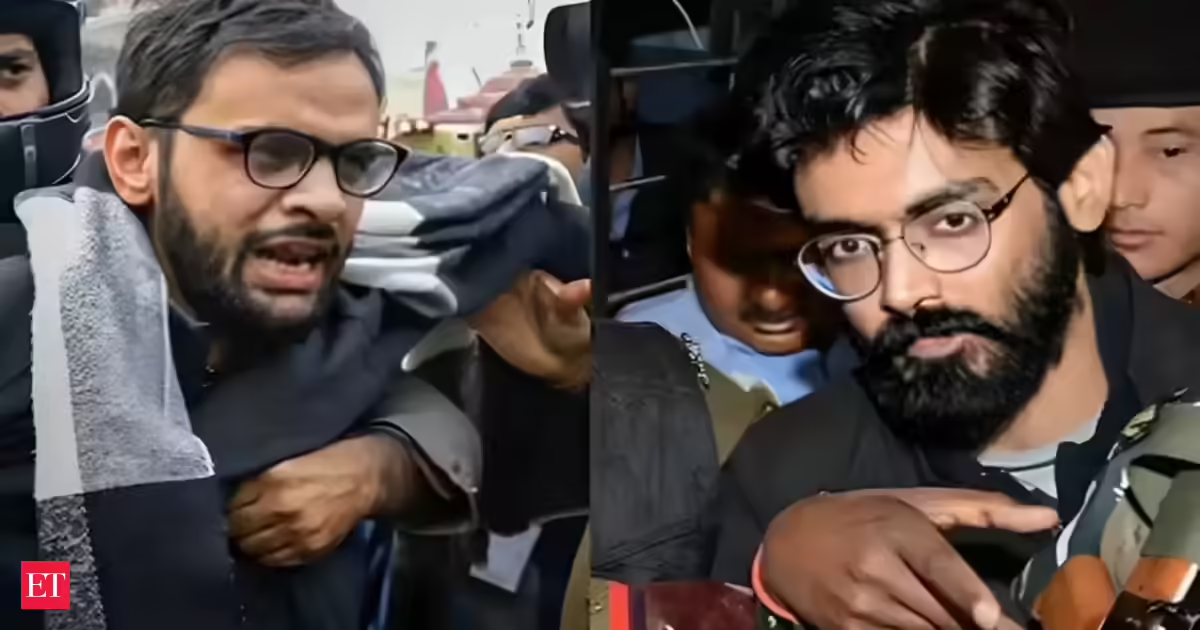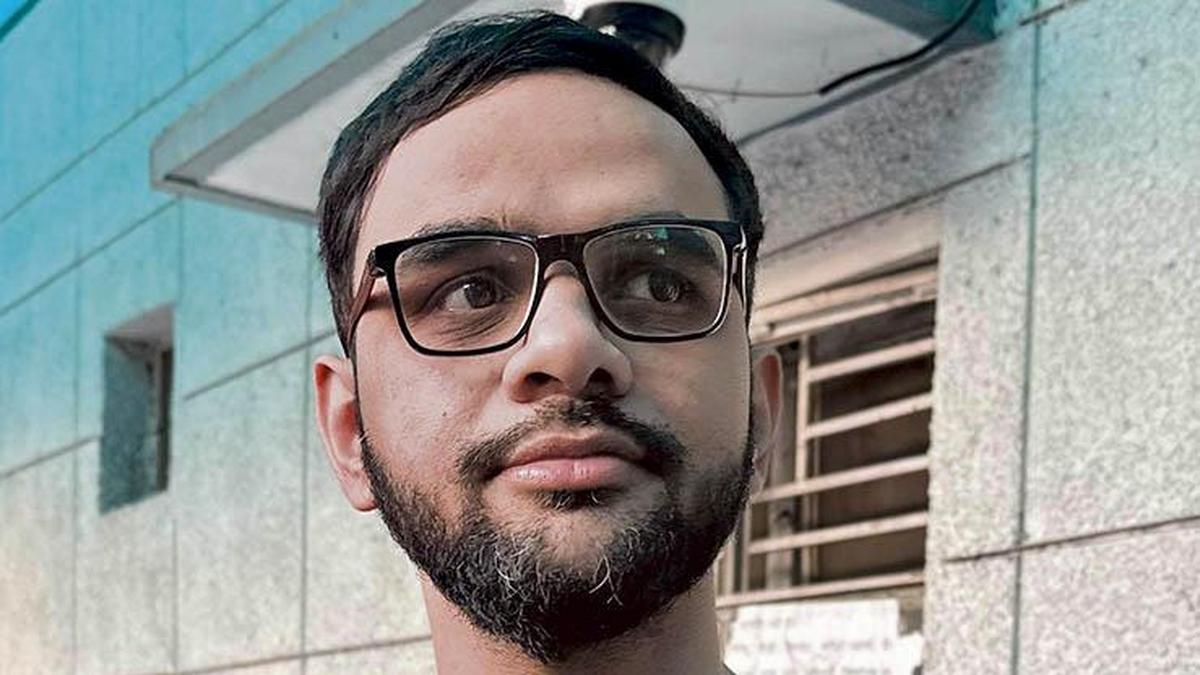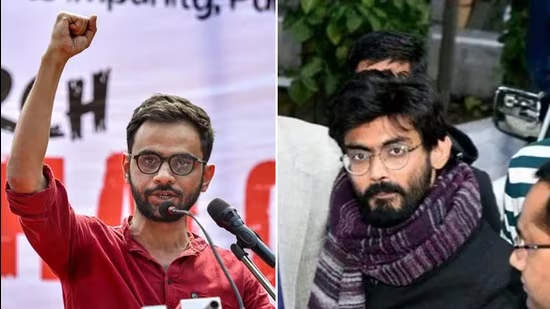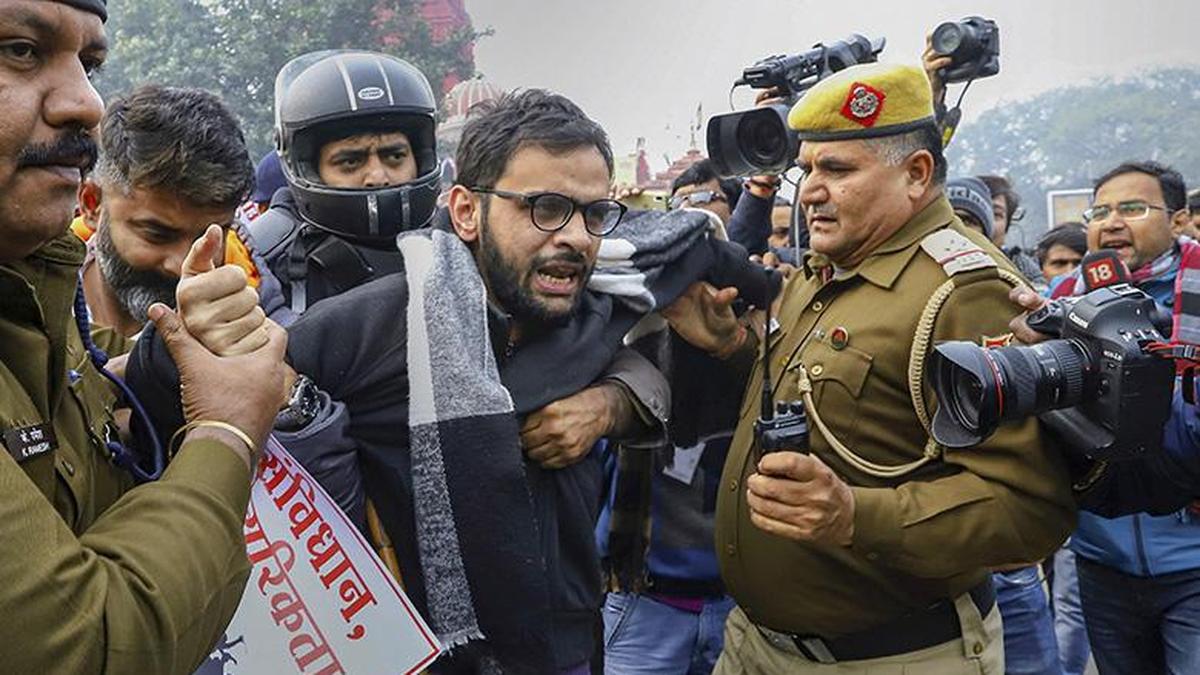
The story so far: The Supreme Court on January 5 declined to grant bail to activists Umar Khalid and Sharjeel Imam in the 2020 Delhi riots conspiracy case, notwithstanding their incarceration for nearly six years without the commencement of trial.
What did the court rule?
The court held that the constitutional guarantee of personal liberty is not “absolute”, and remains subject to the stringent bail regime prescribed under special statutes such as the Unlawful Activities (Prevention) Act (UAPA). A Bench comprising Justices Aravind Kumar and N.V. Anjaria, however, granted conditional bail to five other co-accused, observing that the allegations against them indicated conduct of a subsidiary or facilitative nature, thereby warranting differential treatment.
How was a ‘hierarchy of roles’ established?
The court held that prosecutorial evidence placed Mr. Khalid and Mr. Imam on a “qualitatively different footing” from the other accused, warranting a distinct assessment of the “hierarchy of participation”. It observed that the two did not stand on equal footing in terms of culpability, since they were the “ideological drivers” who allegedly devised the strategy of converting protests against the Citizenship (Amendment) Act into disruptive road blockades aimed at paralysing the national capital.