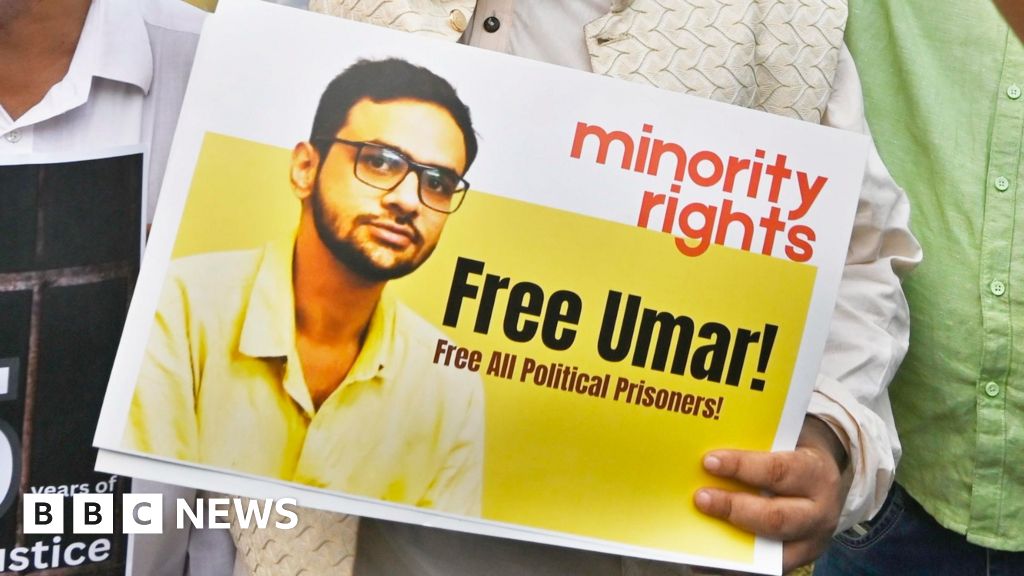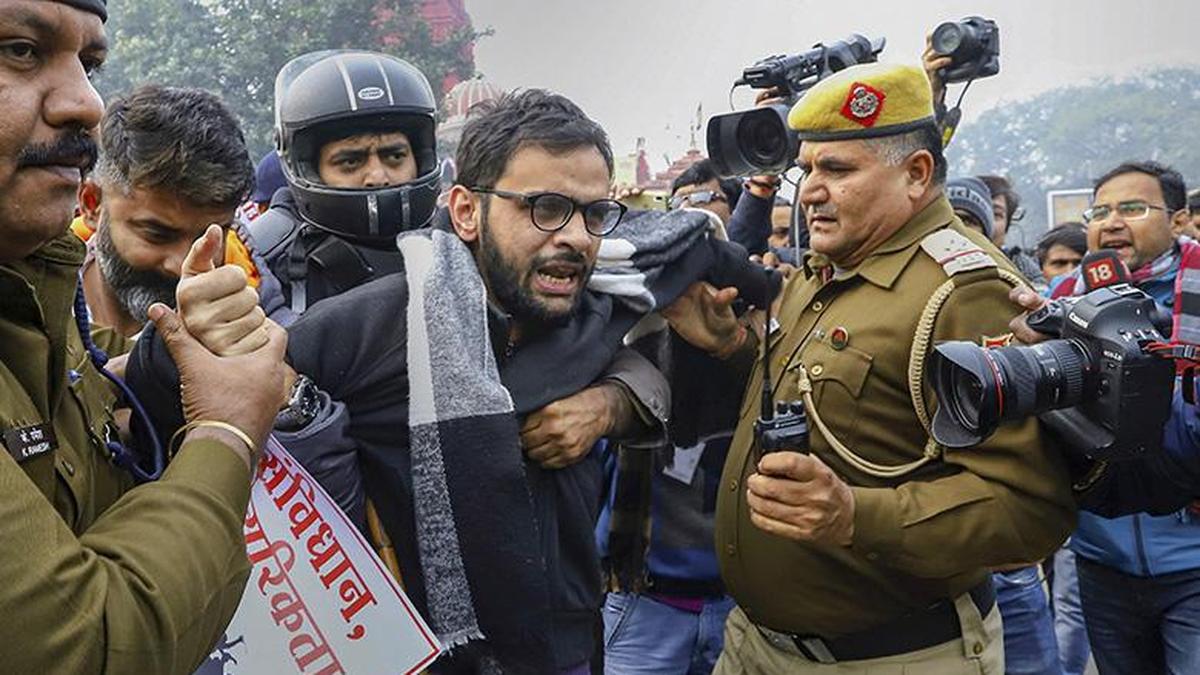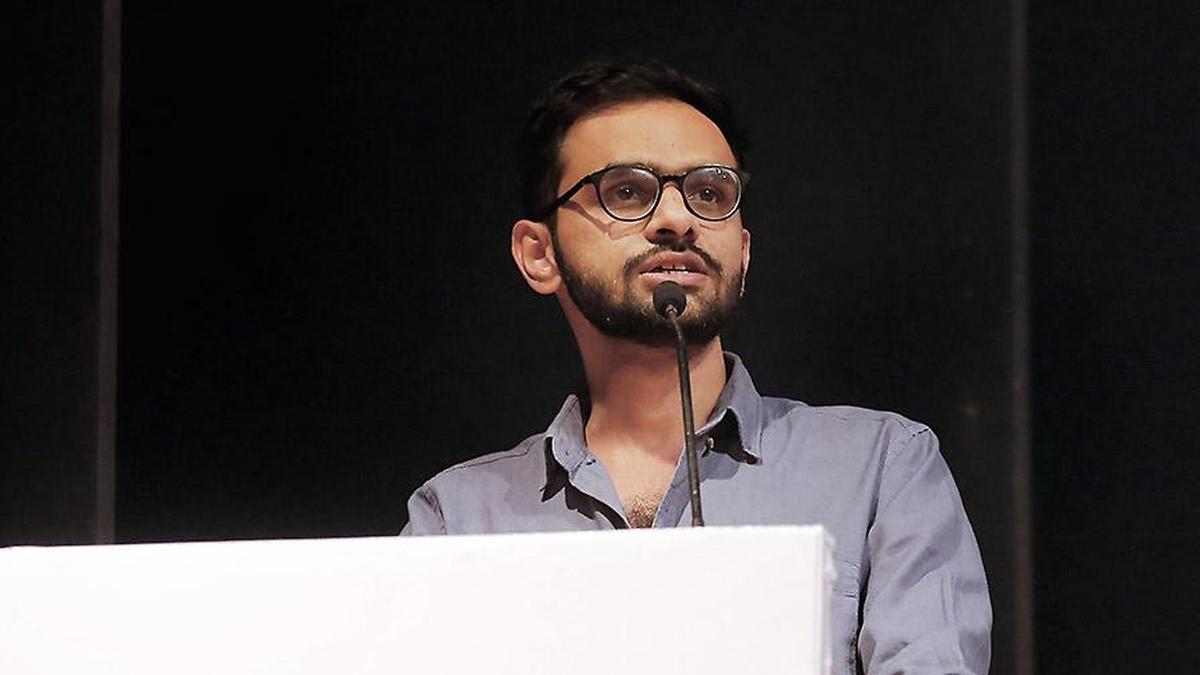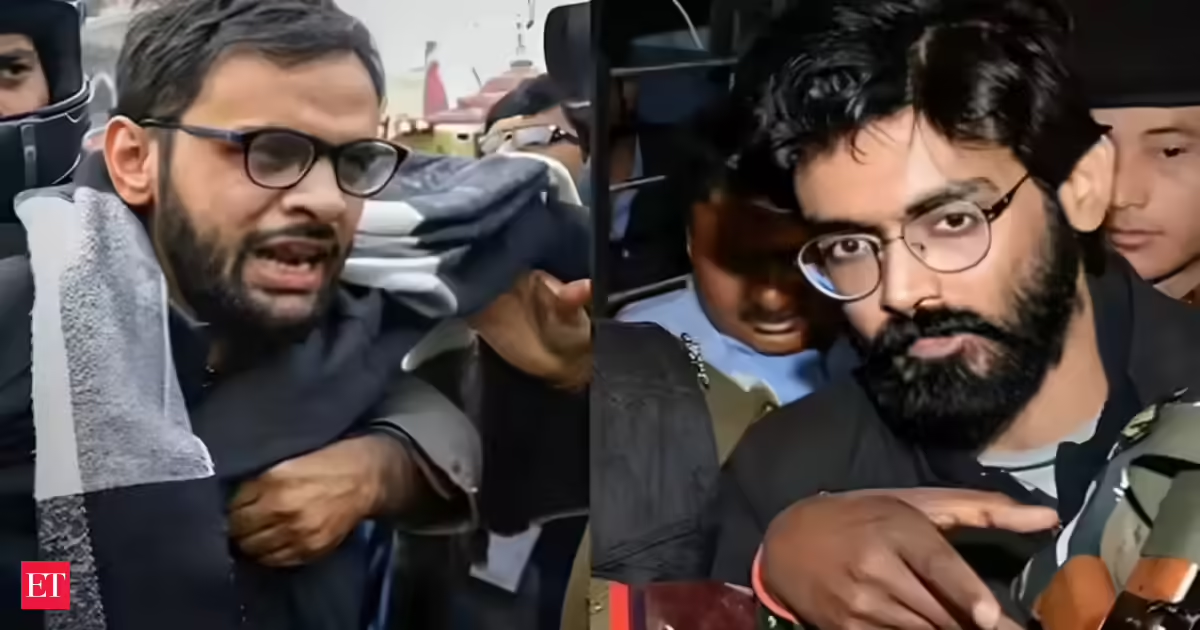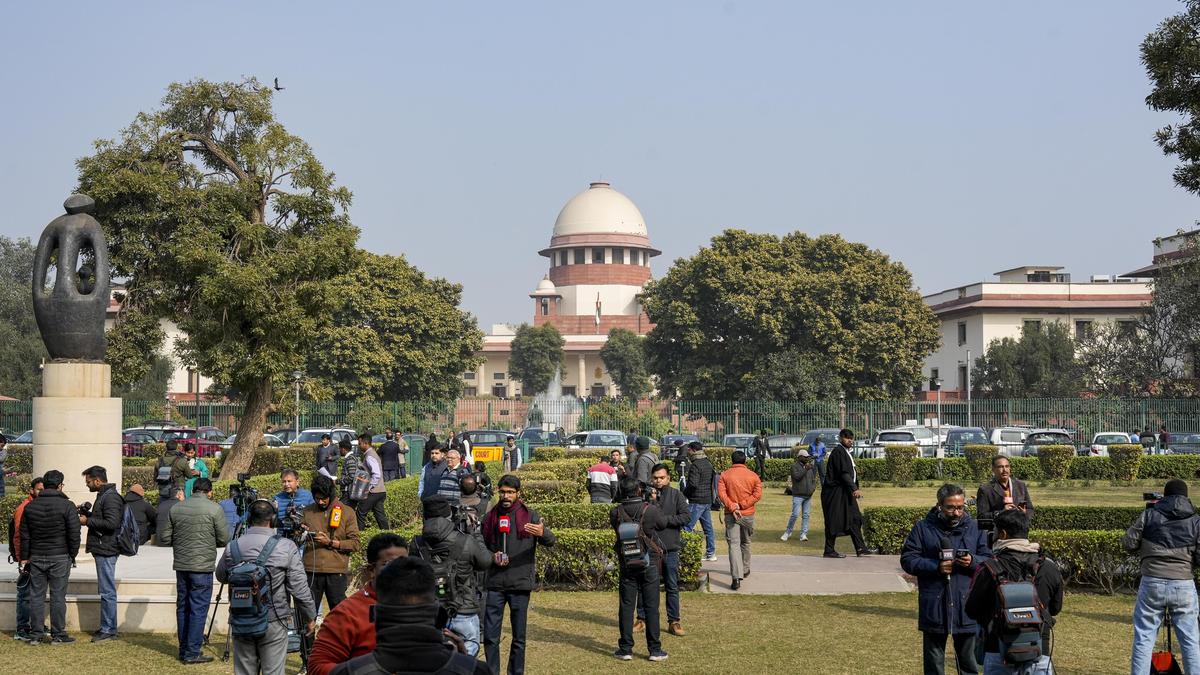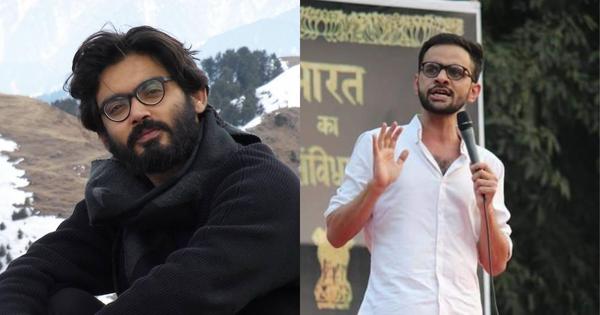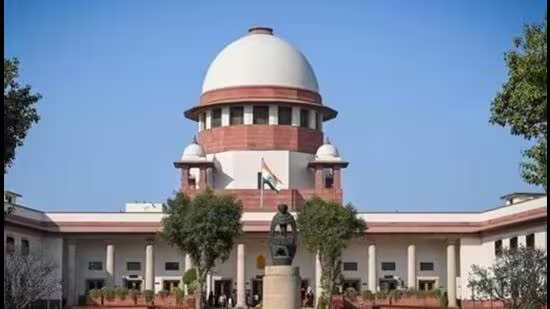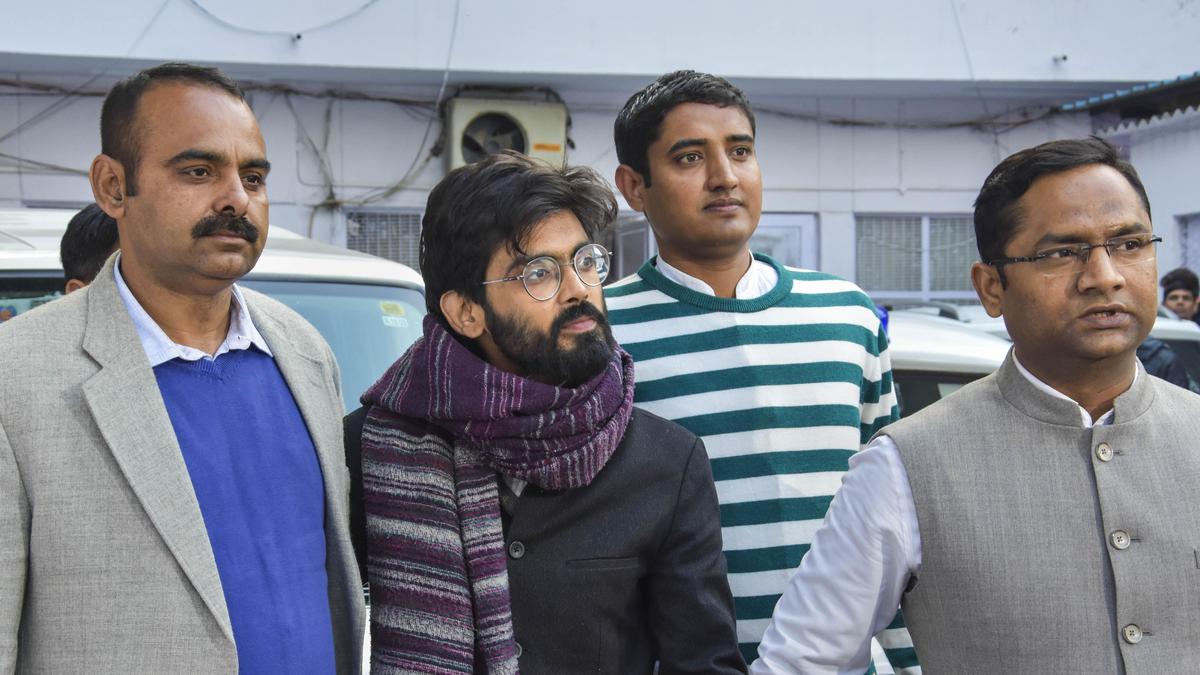
The Supreme Court on Monday (January 5, 2026) denied liberty to former JNU student leader Umar Khalid and Sharjeel Imam even after six years of jail without trial by reasoning that constitutional guarantees of personal liberty and life are not “absolute” or “unregulated”, but subject to restrictions on bail under special statutes like the Unlawful Activities (Prevention) Act.
A Bench headed by Justice Aravind Kumar held that neither prolonged pre-trial incarceration nor delay in trial were grounds for automatic grant of bail under the Unlawful Activities (Prevention) Act (UAPA) if the state has managed to gather material prima facie showing a deliberate, central and definitive role of accused persons to commit an act of terror.
2020 Delhi riot was not spontaneous but pre-planned, Solicitor General tells Supreme Court
Though flagging prolonged pre-trial detention as a “serious constitutional concern”, the court said personal liberty must bow to the Parliament’s wish, expressed through a special statute, to limit the court’s power to grant bail only upon the satisfaction of “defined statutory thresholds”. Courts cannot treat such restraints as “avoidable”.
The court upheld the restrictions imposed on bail under Section 43D(5) of the UAPA. The provision required an accused to prove his innocence to get bail, even before trial has ever happened. A court could assume his prima facie guilt merely by examining the chargesheet and refuse him bail.