https://arab.news/mqyg9
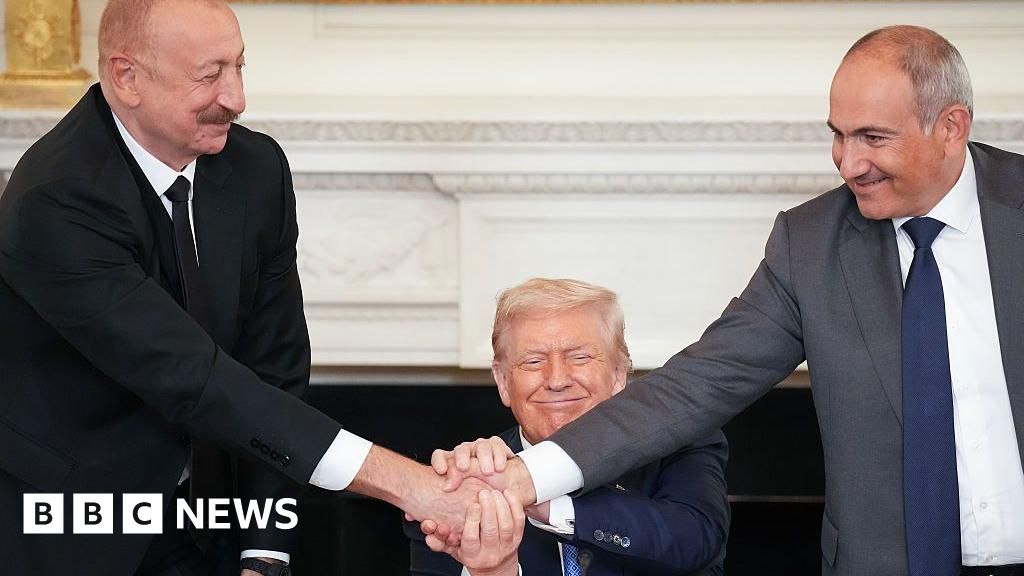
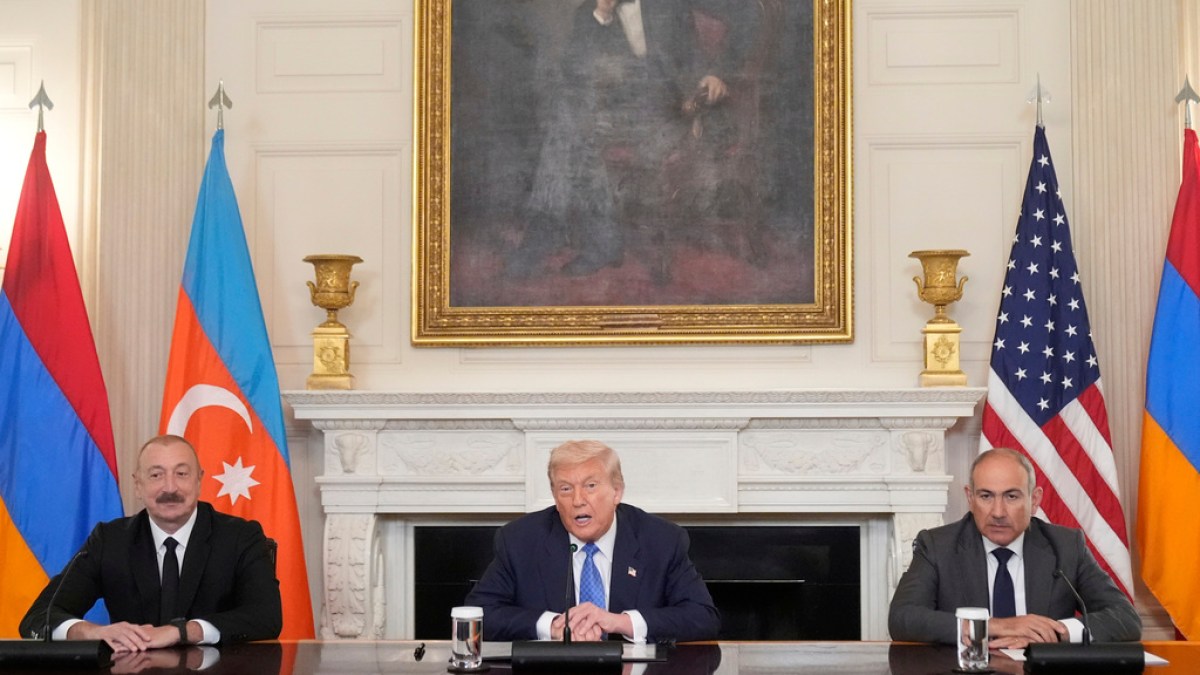
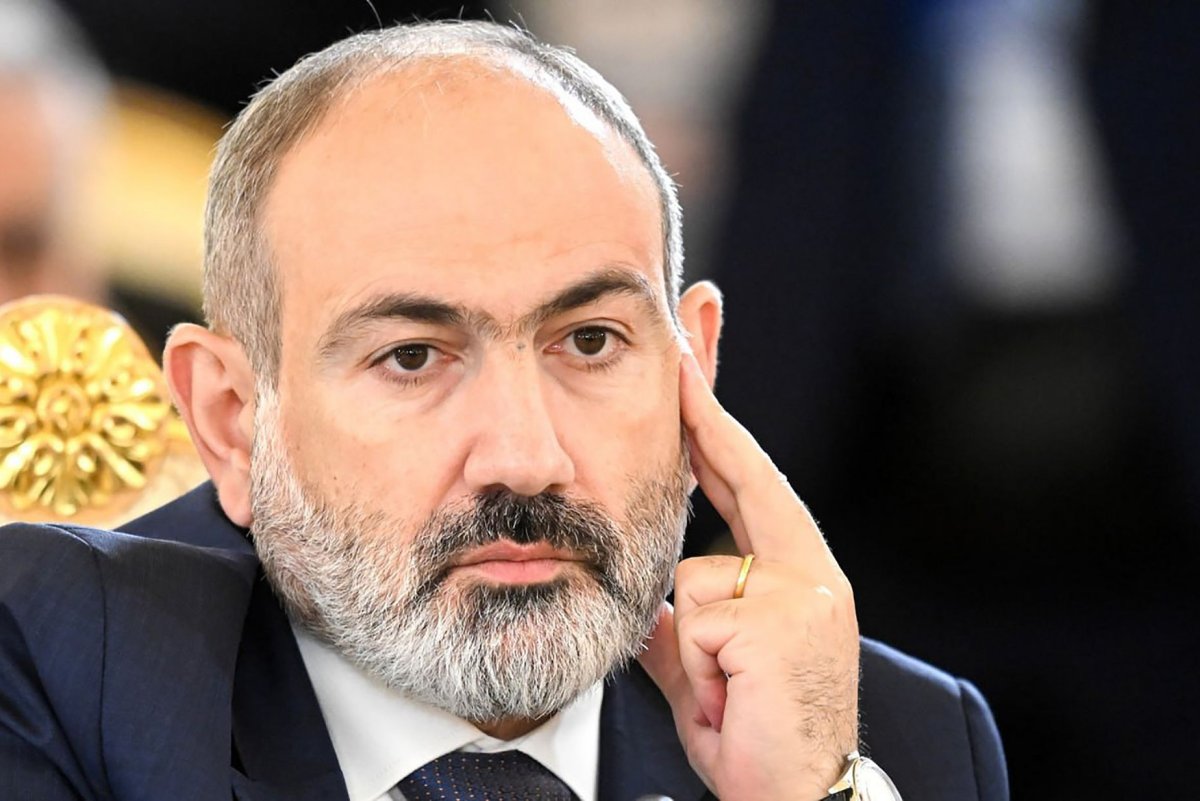
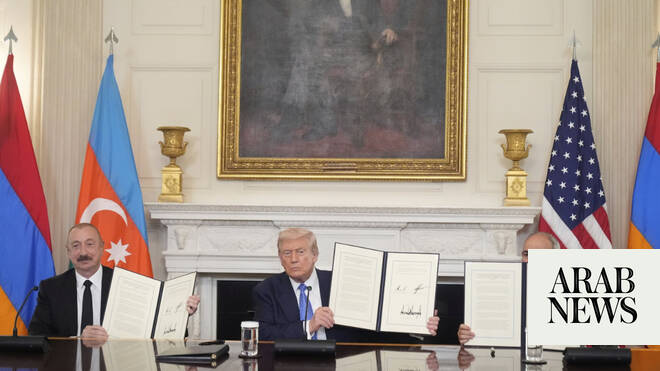
It has been more than five months since the historic meeting at the White House, in which US President Donald Trump hosted Azerbaijani President Ilham Aliyev and Armenian Prime Minister Nikol Pashinyan for a breakthrough peace agreement that, once finalized, could bring an end to the longest-running conflict in the South Caucasus.
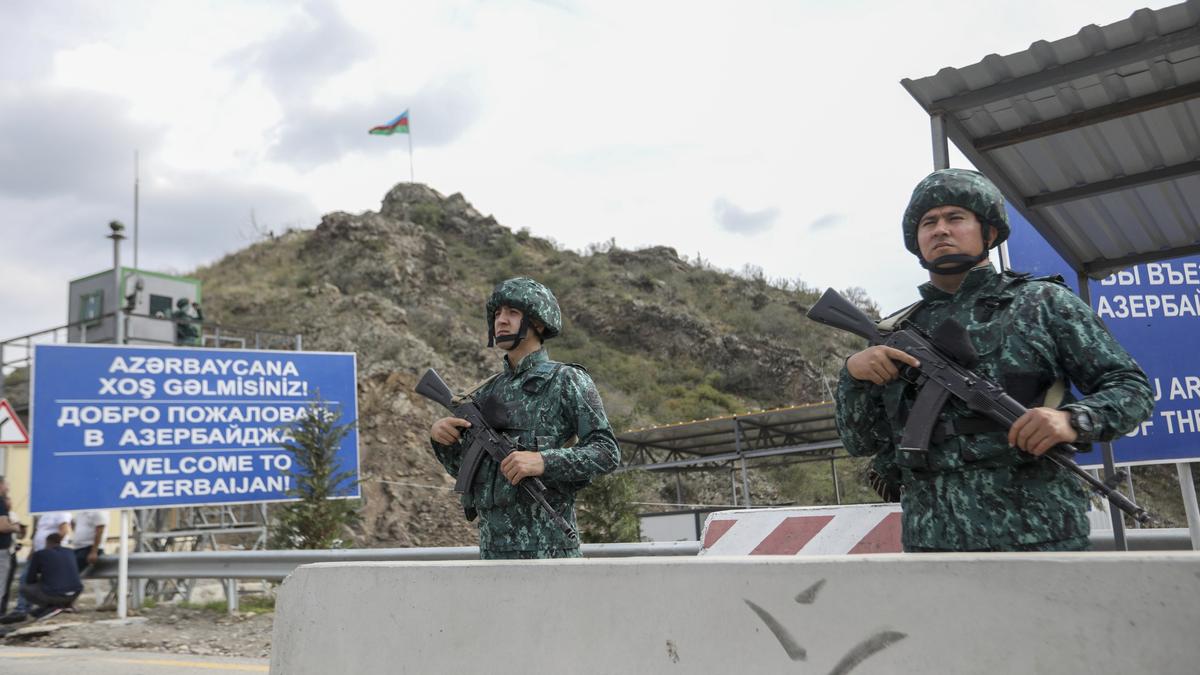
The fighting between Armenia and Azerbaijan began during the final years of the Soviet Union, when Armenian-backed forces invaded Azerbaijan and occupied a sizable portion of its territory. That occupation lasted nearly three decades, until Azerbaijan regained control of those lands during two short conflicts in 2020 and 2023.
After decades of violence, both sides now appear genuinely ready for peace. Yet, until Trump returned to the Oval Office, they had been unable to find a viable way forward. That changed in August, when the leaders of Azerbaijan and Armenia, alongside Trump, signed an agreement committing to ratify a peace treaty and normalize relations. At the time, the ratification process was expected to take about 12 months. Now, nearly halfway through that timeline, little tangible progress has been made and several core issues remain unresolved. Four key areas will determine whether this opportunity is realized.