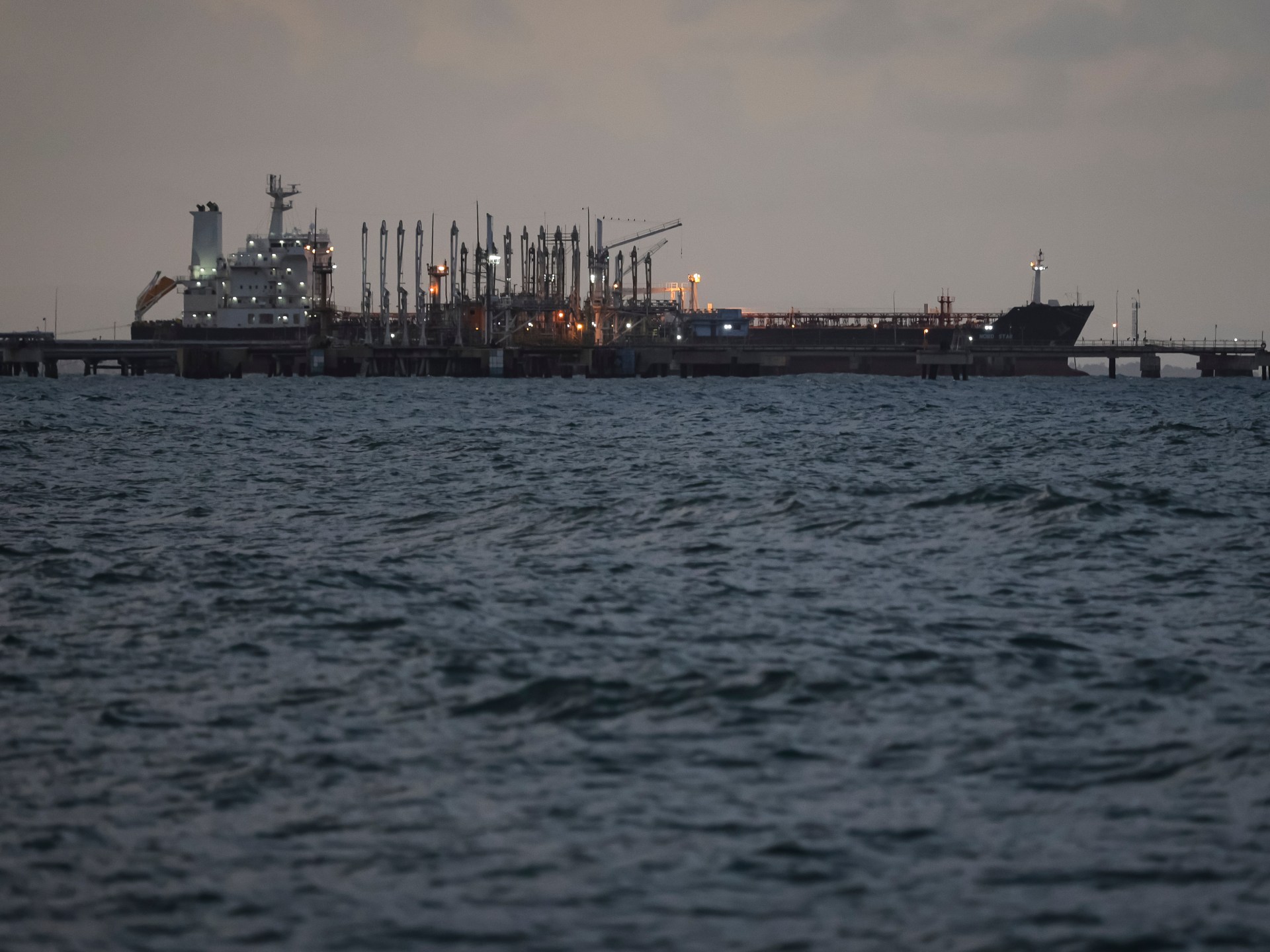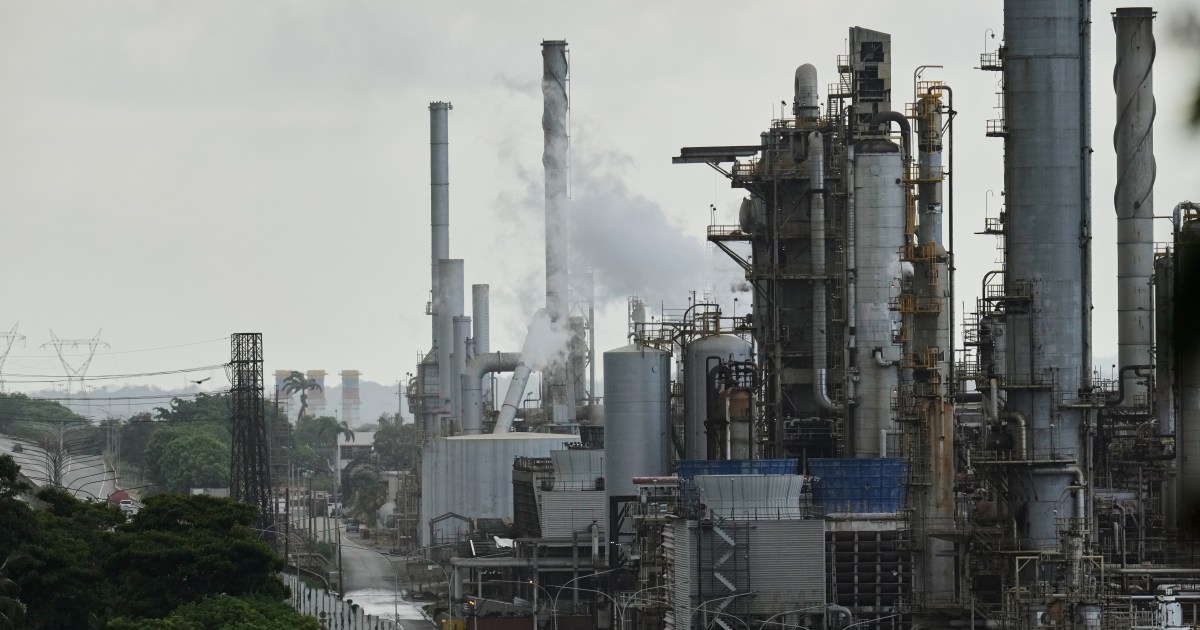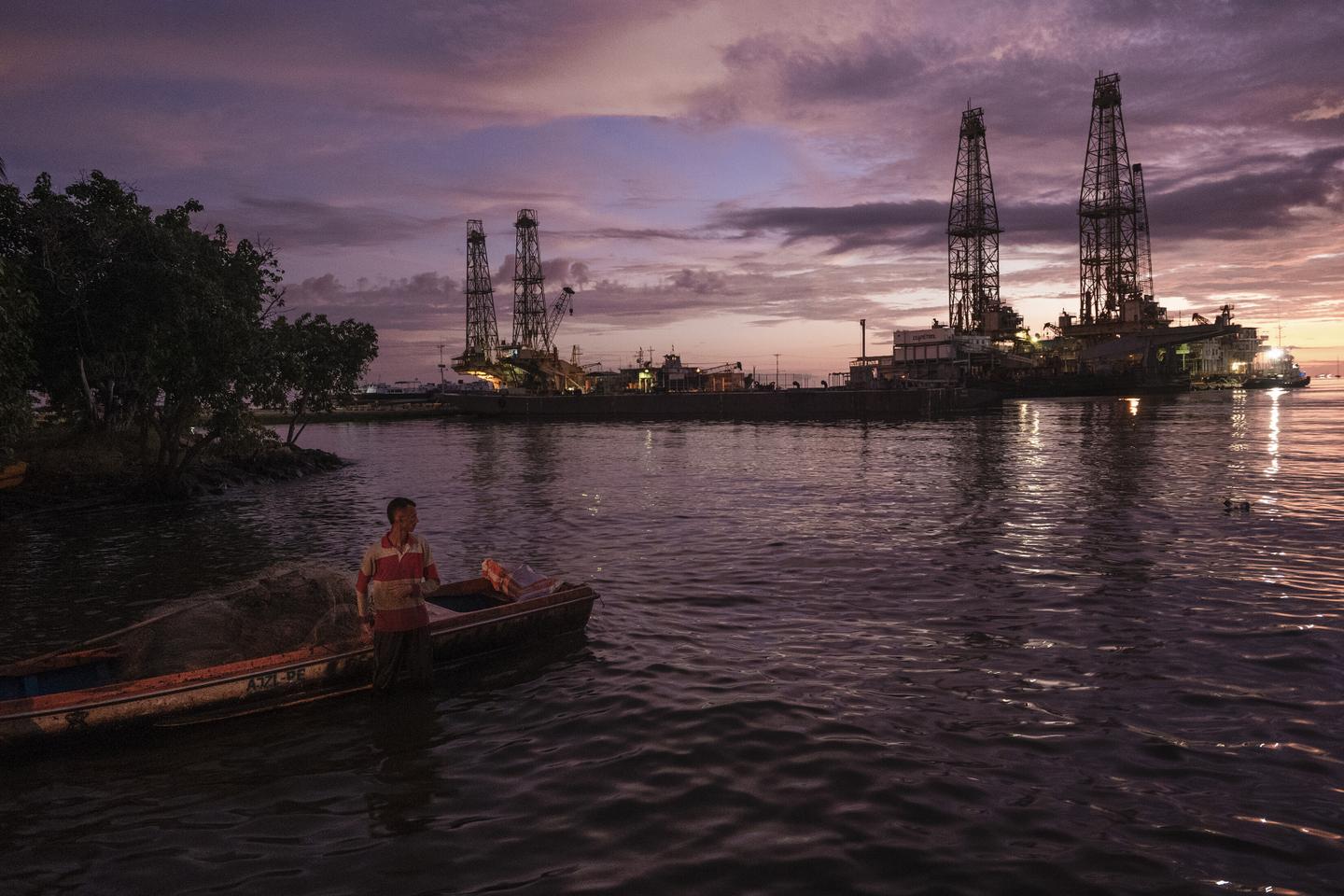
Platforms of Venezuelan state oil company PDVSA in Cabimas, Venezuela, November 23, 2022. ADRIANA LOUREIRO FERNANDEZ/NYT-REDUX-REA
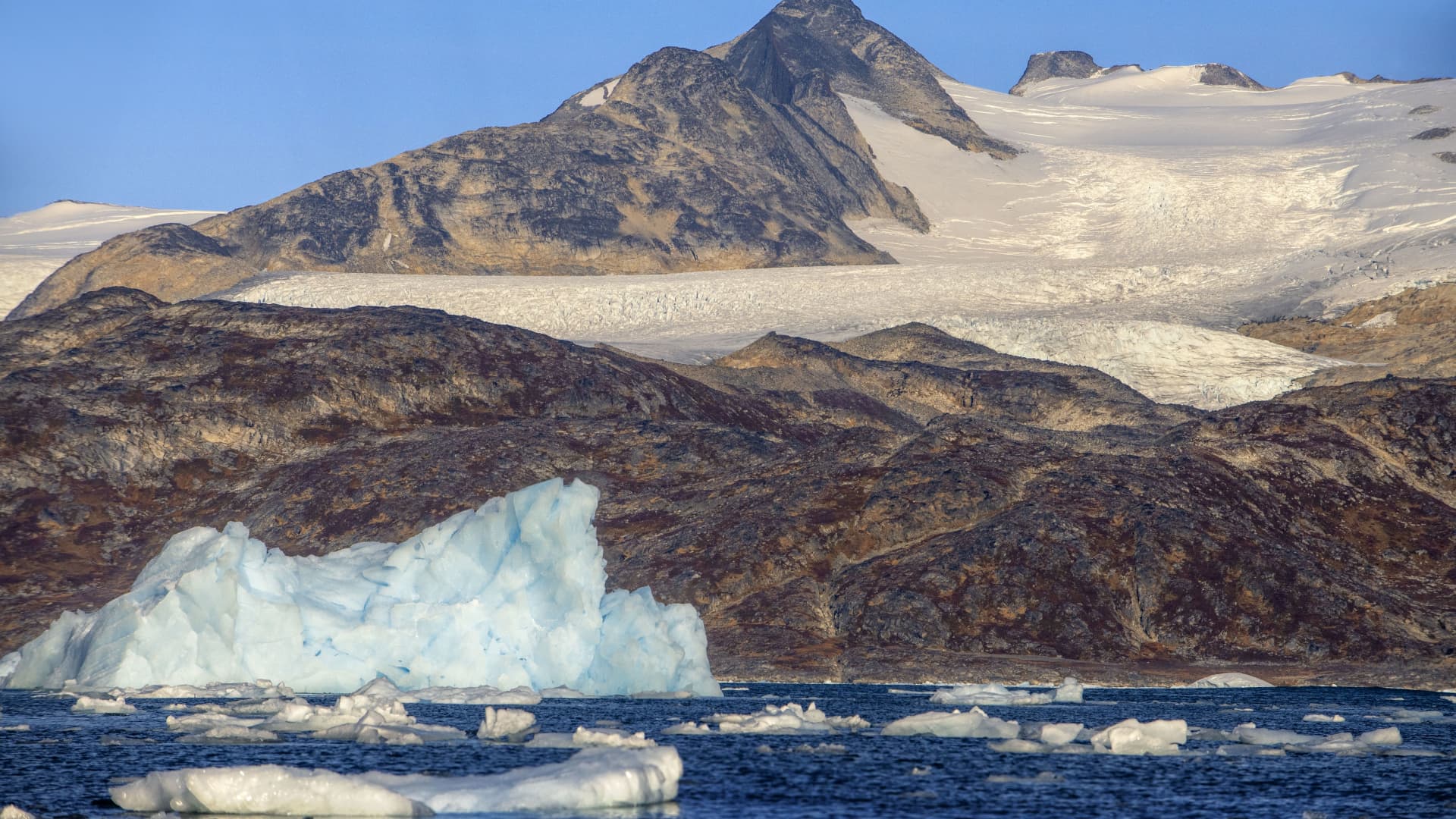
Critical minerals in Greenland, oil in Venezuela: US President Donald Trump's interest in raw materials illustrates the world economy's growing dependence on natural resources. The dependence "has never been as high as it is today," said Hannes Warnecke-Berger, an economist at the University of Kassel in Germany.
The evolution of global extractions, a little-known indicator reported by the United Nations, is staggering: Over the past 50 years, the quantities extracted from below the ground, whether they be metals, non-metallic minerals such as sand or primary energy sources like coal or oil, have multiplied by 3.5.
In 2024, 106 billion metric tons were extracted, compared to 31 billion in 1970. Over the same period, average per capita extraction rose from 23 to 39 kilograms per day. Even as the global economy shifts toward digital and information-based services, it has continued to consume ever more natural resources. Take, for example, artificial intelligence. The largest data centers currently under construction will each consume as much power as a 1-gigawatt capacity nuclear reactor. According to the International Energy Agency (IEA), these centers used nearly 5 trillion liters of water worldwide in 2023, equivalent to all the drinking water drawn in France in a single year. Resources extracted from the Earth now account for 20% of global trade.