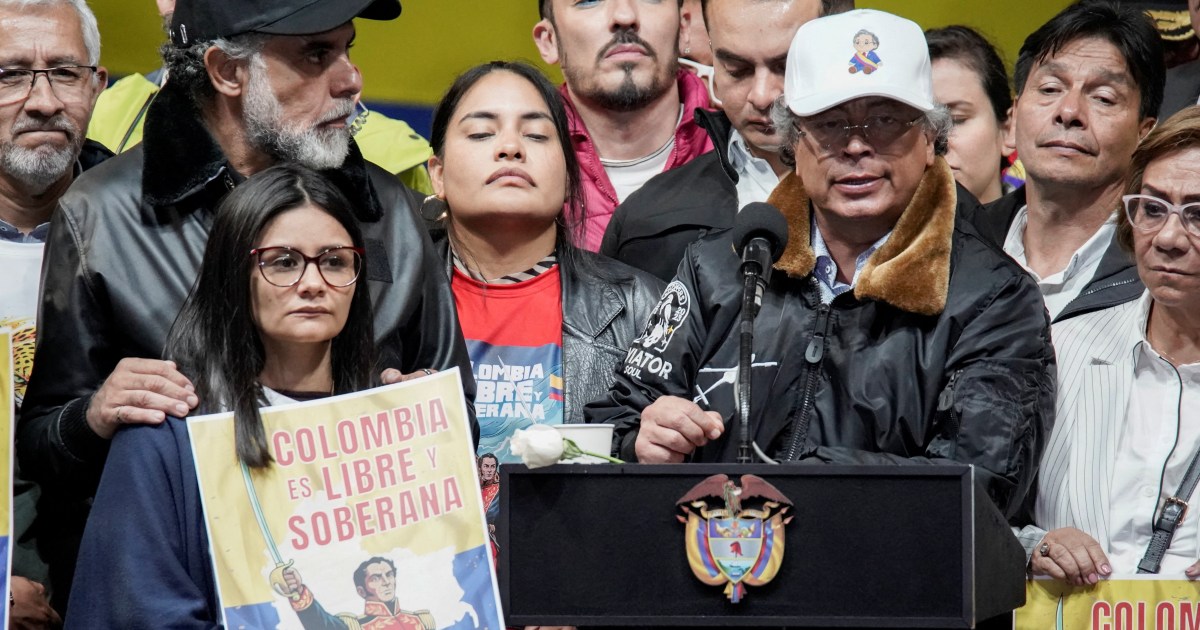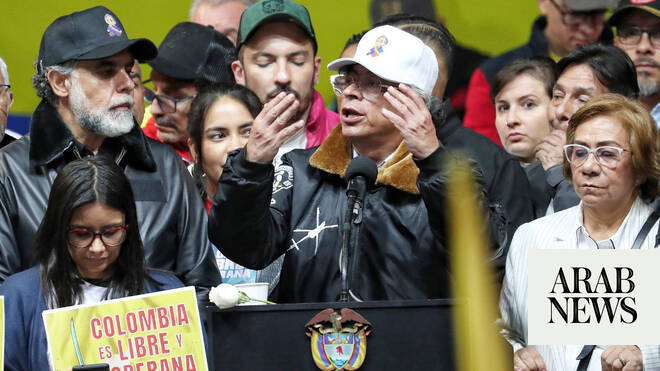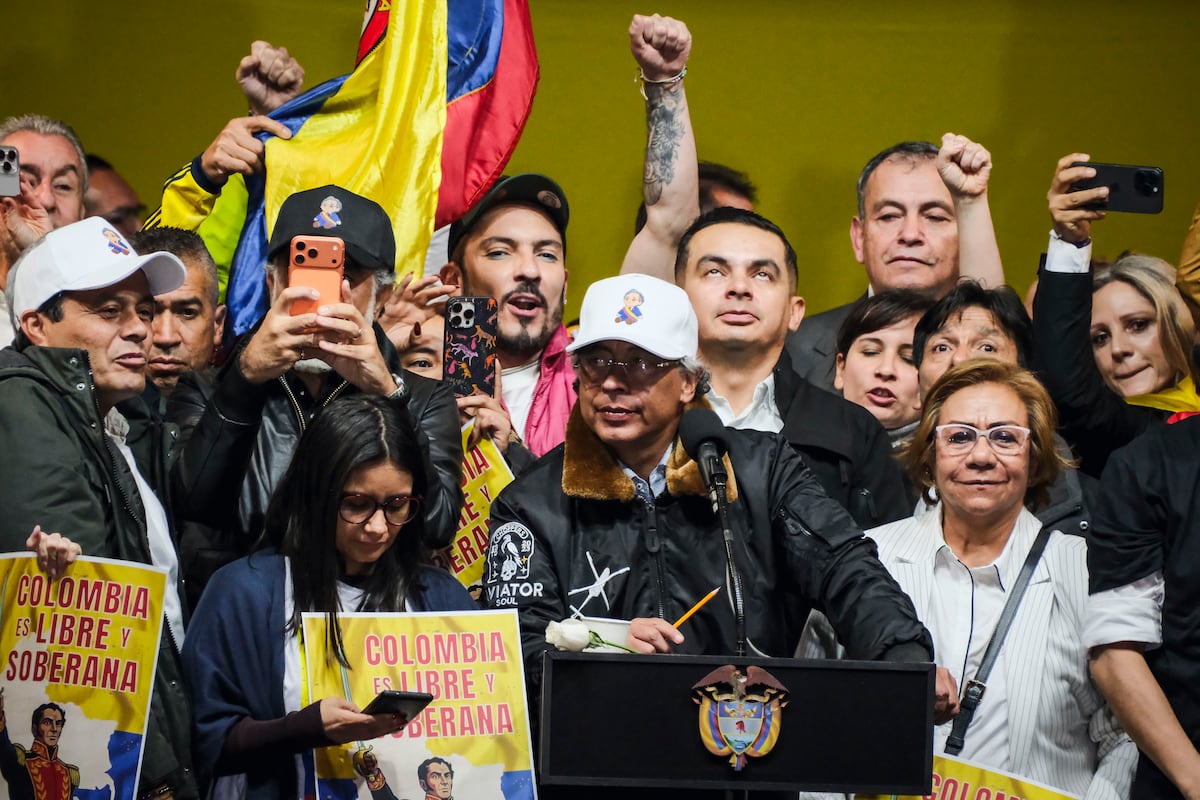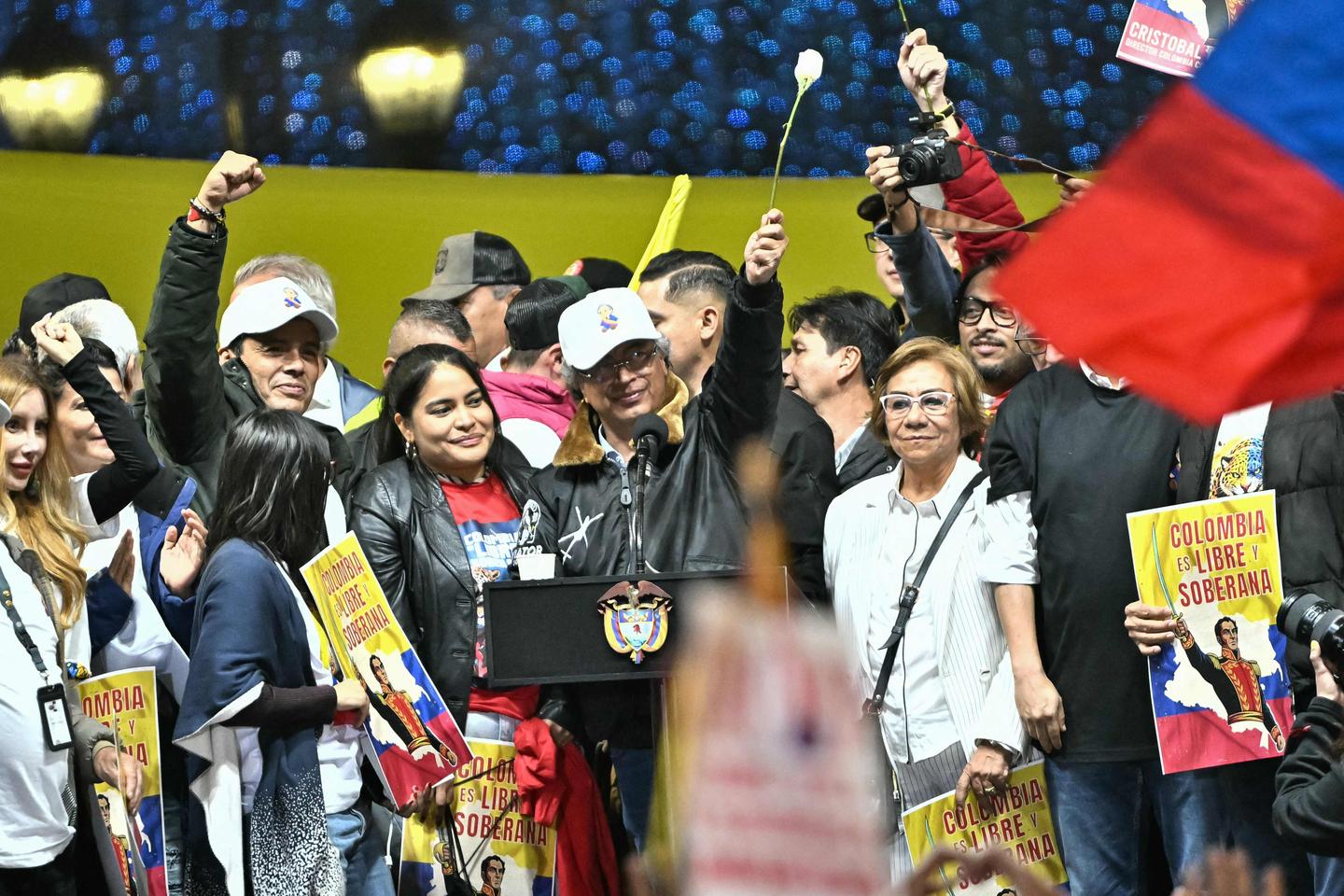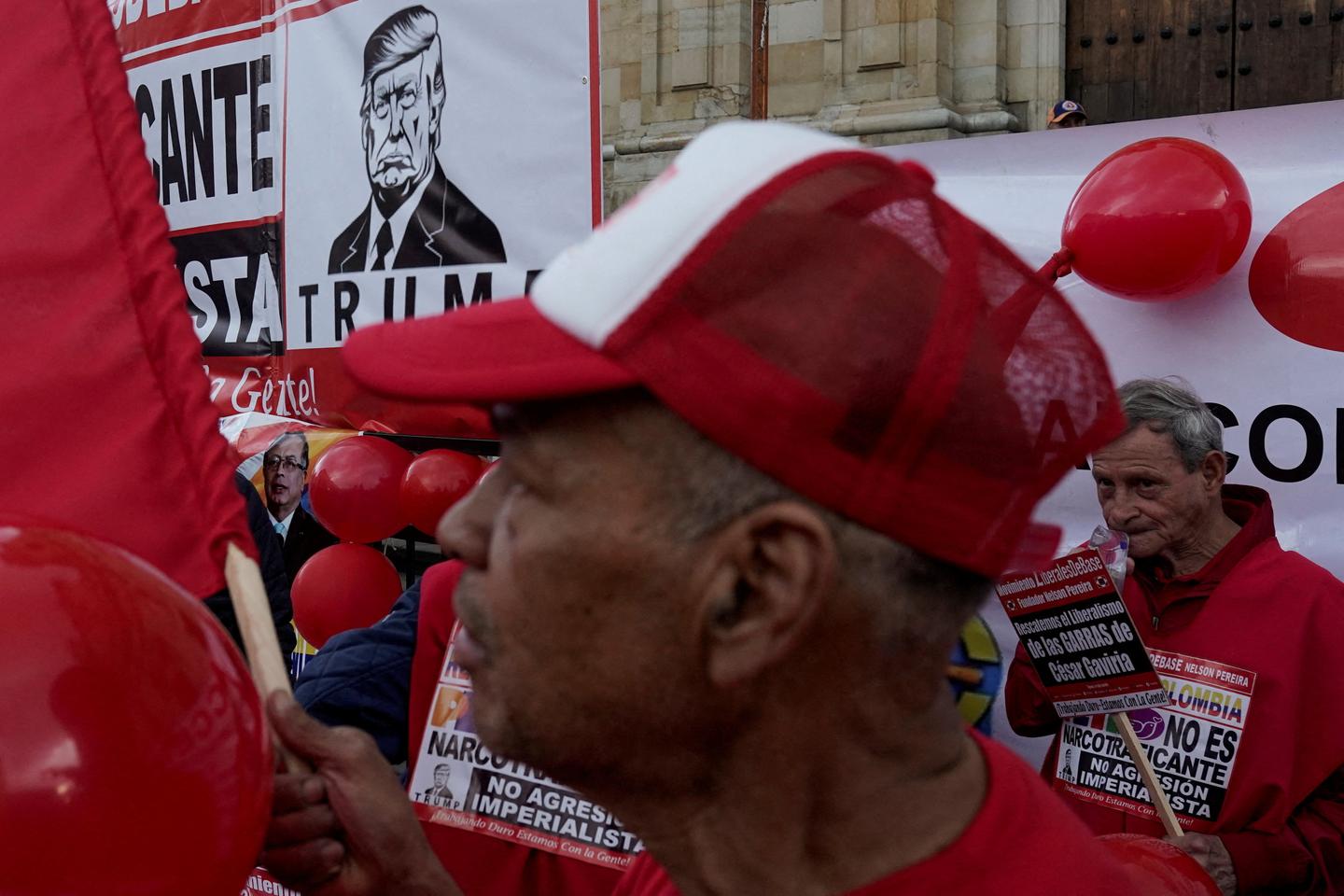
Demonstration supporting Colombian President Gustavo Petro and opposing Donald Trump's policy in Latin America, in Bogotá, on January 7. On one of the posters, a photo of the US president with the word "wanted." SERGIO ACERO / REUTERS
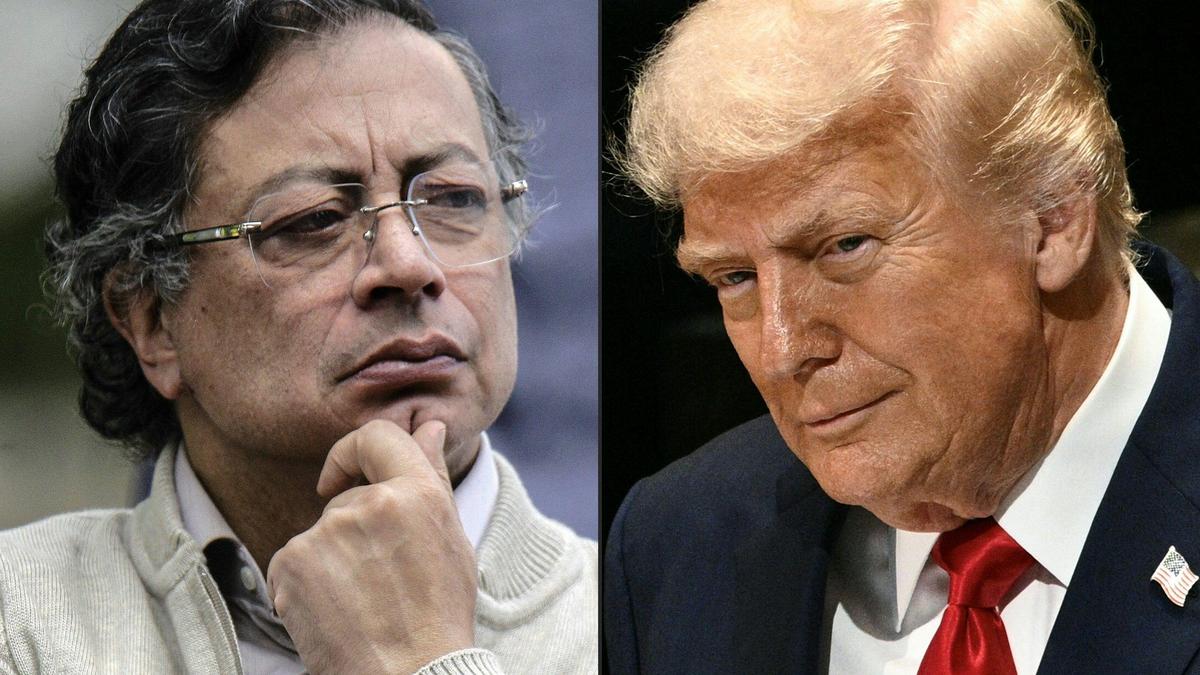
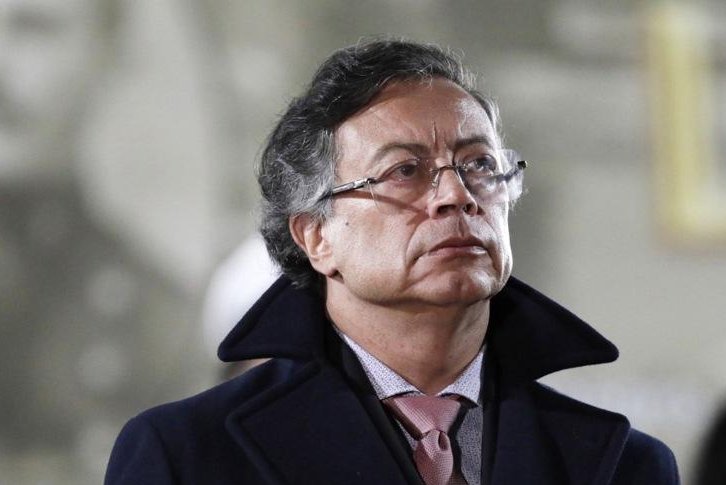
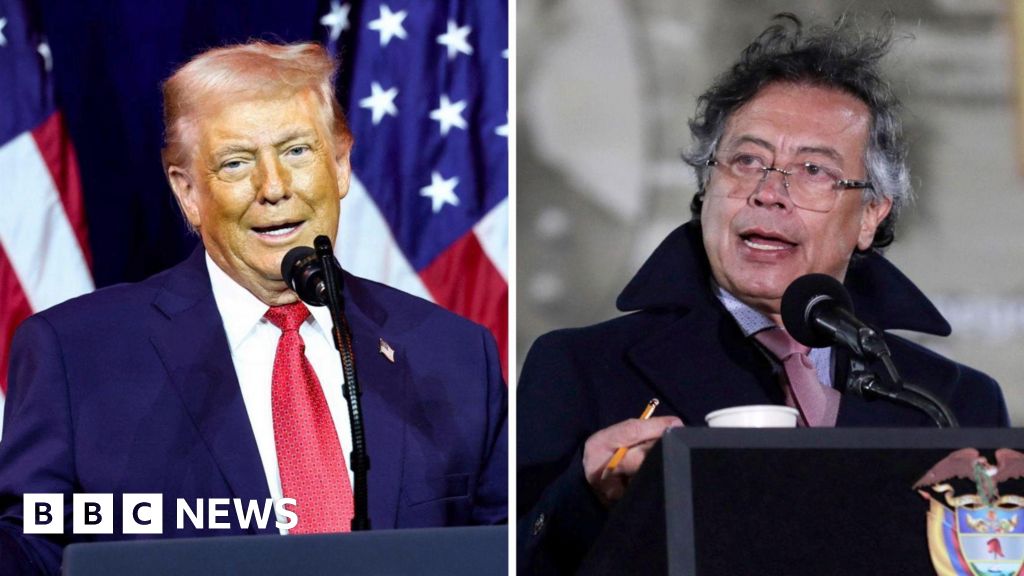
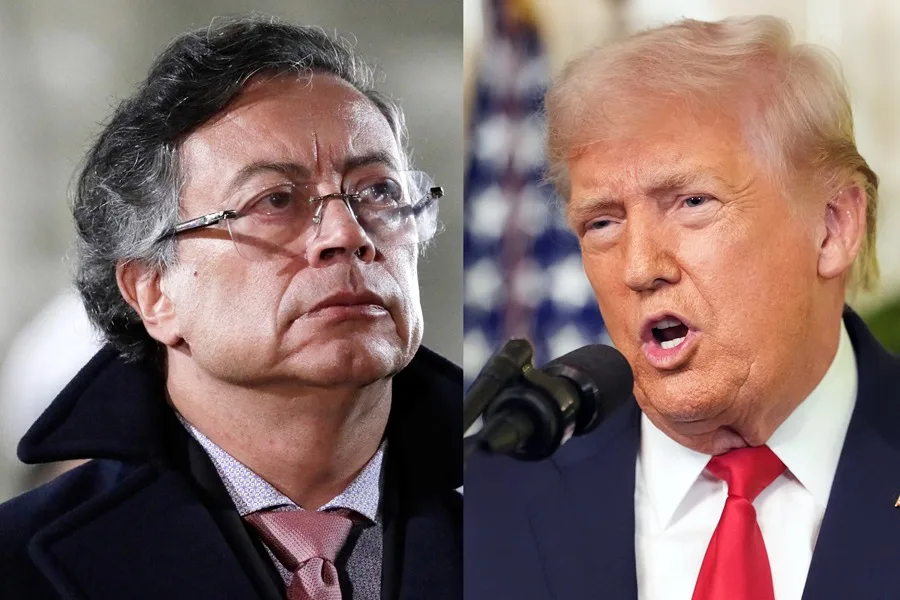
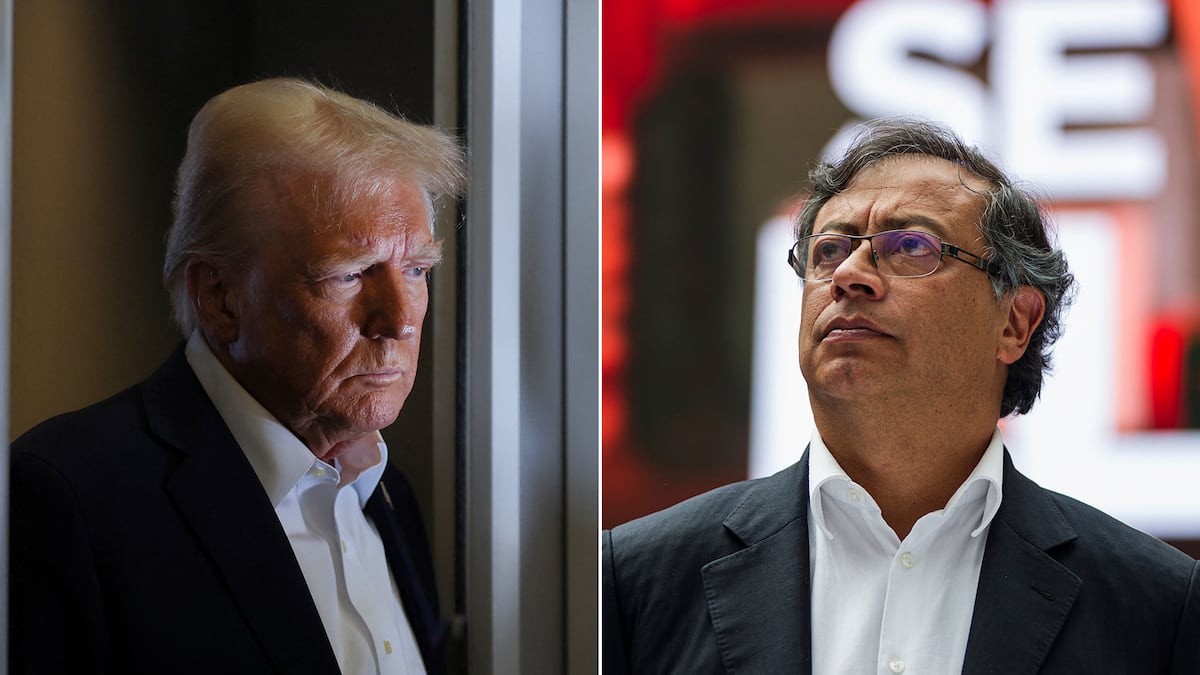
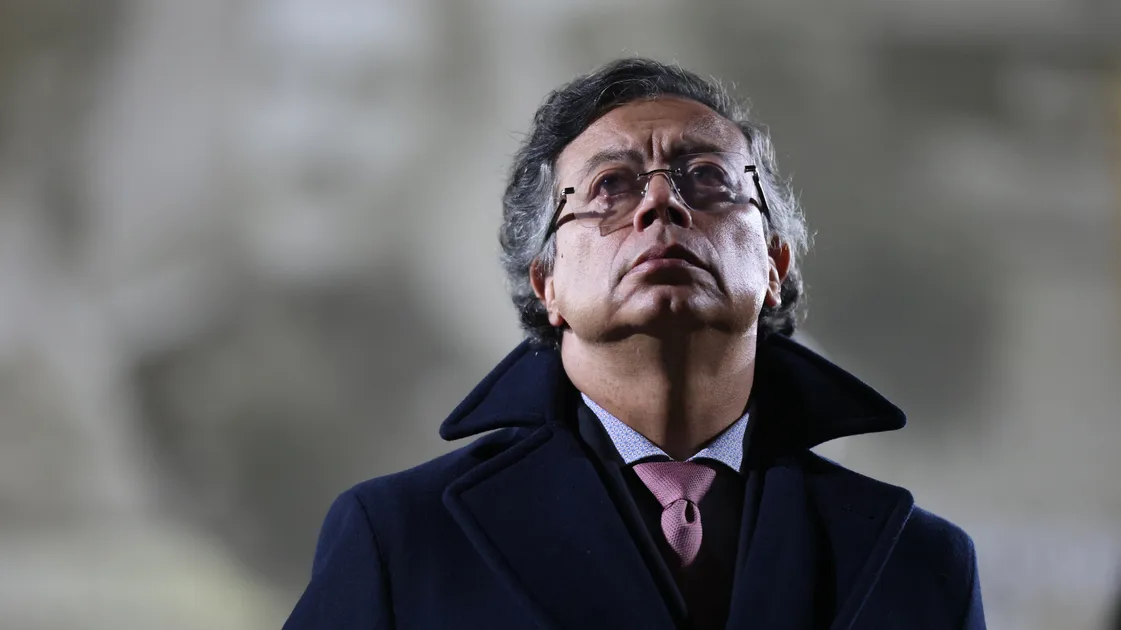
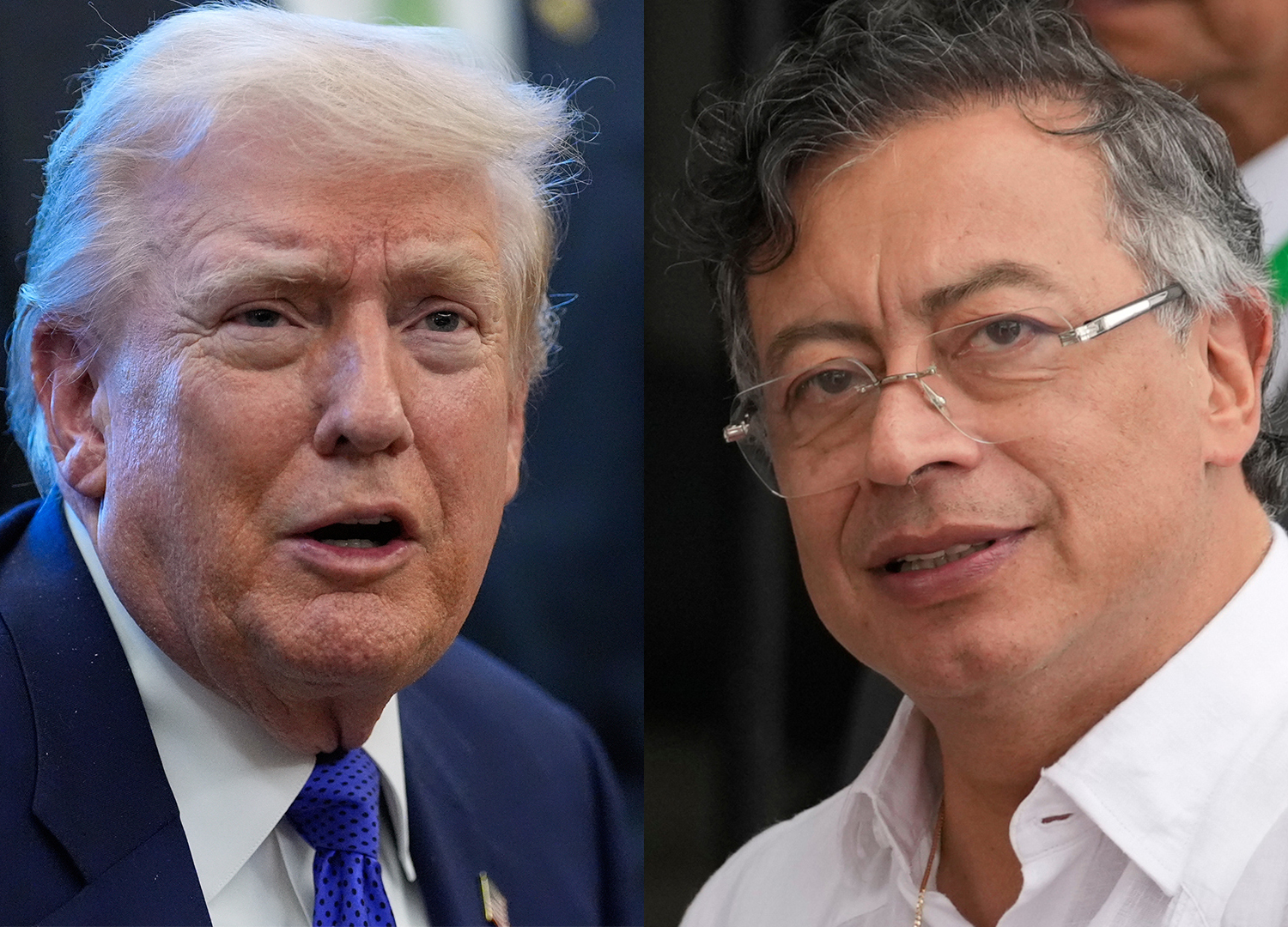
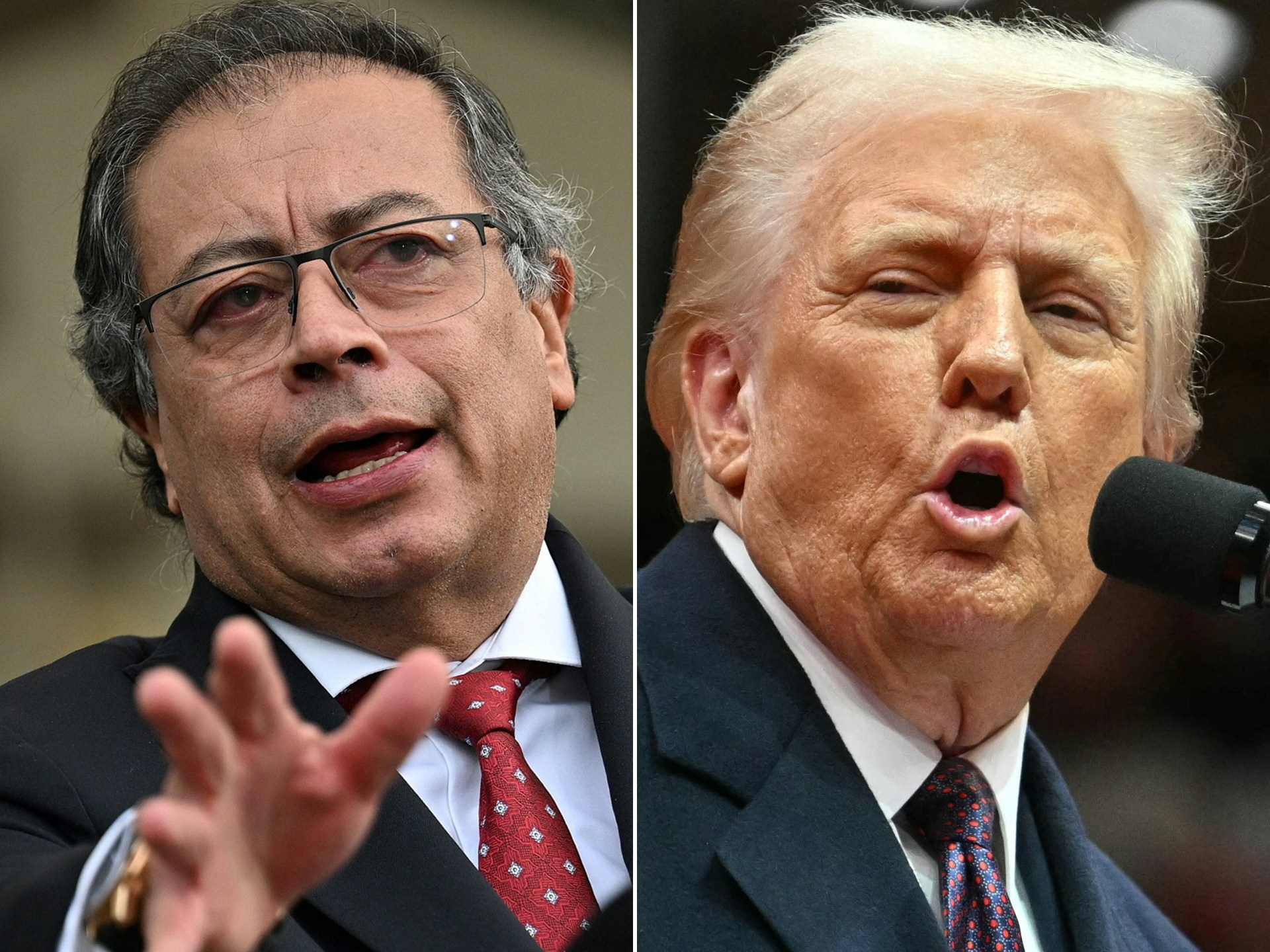
The about-face came as a surprise. On Wednesday, January 7, in the late afternoon, US President Donald Trump announced that he had spoken by phone with his Colombian counterpart, left-wing Gustavo Petro, and invited him to the White House. The two statesmen had been trading barbs for months, with the United States going as far as to revoke Petro's US visa in September 2025, after his participation in a pro-Gaza demonstration in New York.
Following the kidnapping of Venezuelan president Nicolas Maduro on Saturday, January 3, Trump went so far as to issue threats: "Colombia is very sick, too, run by a sick man who likes making cocaine and selling it to the United States, and he's not going to be doing it very long." Asked about the possibility of a US intervention in Colombia, the president added: "It sounds good to me." It was not the first time Trump had raised the prospect of a ground assault in Colombia. However, "with the phone call between Trump and Petro, the risk of military intervention has dropped significantly," said Sergio Guzman, a political risk analyst. "But we should not forget that Trump and Maduro spoke by phone only two months ago."