Donald Trump’s Venezuela policy confirms he has no time for rules or process. America’s allies must find new ways to guarantee their own interests
O
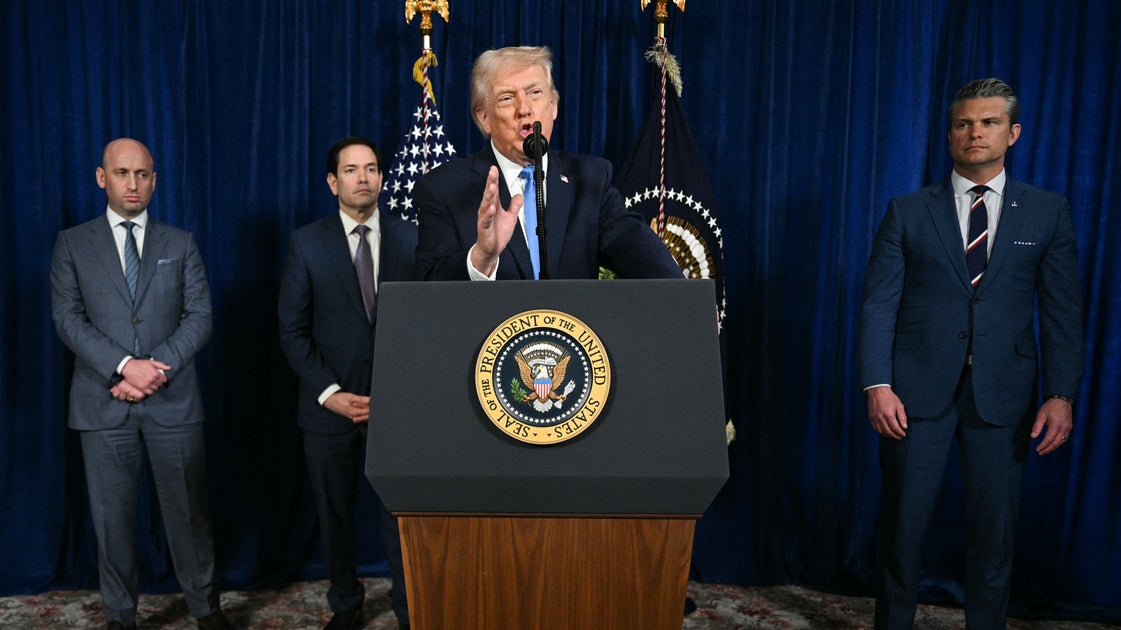
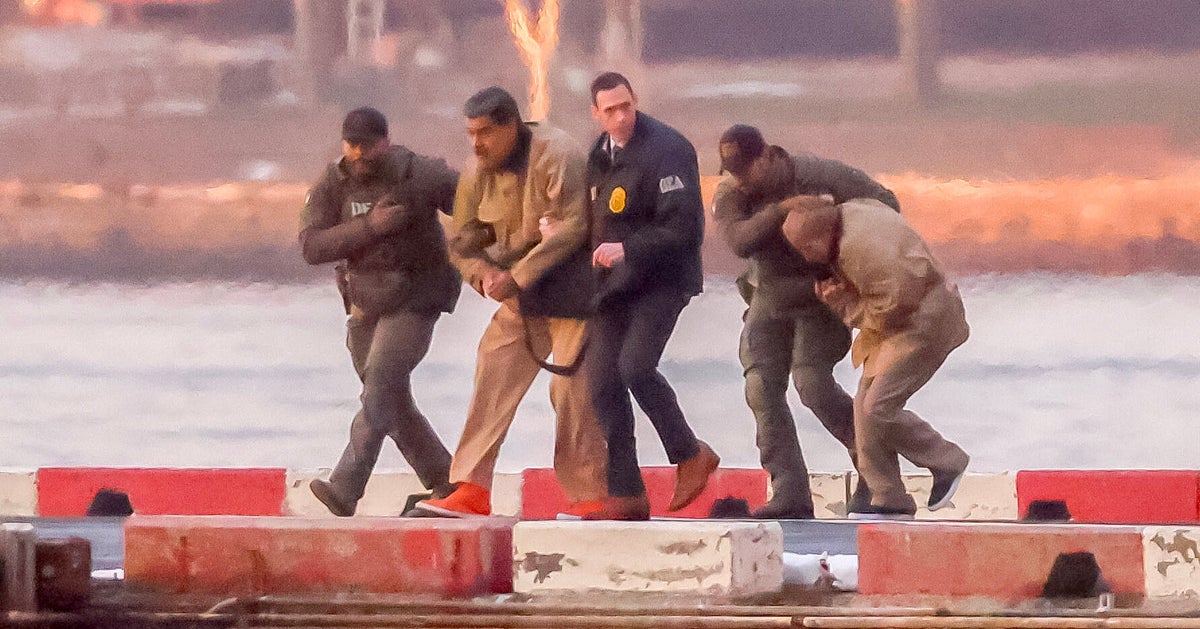
ccasionally, history generates smooth changes from one era to another. More commonly, such shifts occur only gradually and untidily. And sometimes, as the former Downing Street foreign policy adviser John Bew puts it in the New Statesman, history unfolds “in a series of flashes and bangs”. In Caracas last weekend, Donald Trump’s forces did this in spectacular style. In the process, the US brushed aside more of what remains of the so-called rules-based order with which it tried to shape the west after 1945.
The capture of Venezuela’s former president Nicolás Maduro has precedents in US policy. But discerning a wider new pattern from the kidnapping is not easy, especially at this early stage. As our columnist Aditya Chakrabortty has argued this week, the abduction can be seen as a assertion of American power, but also as little more than a chaotic asset grab.
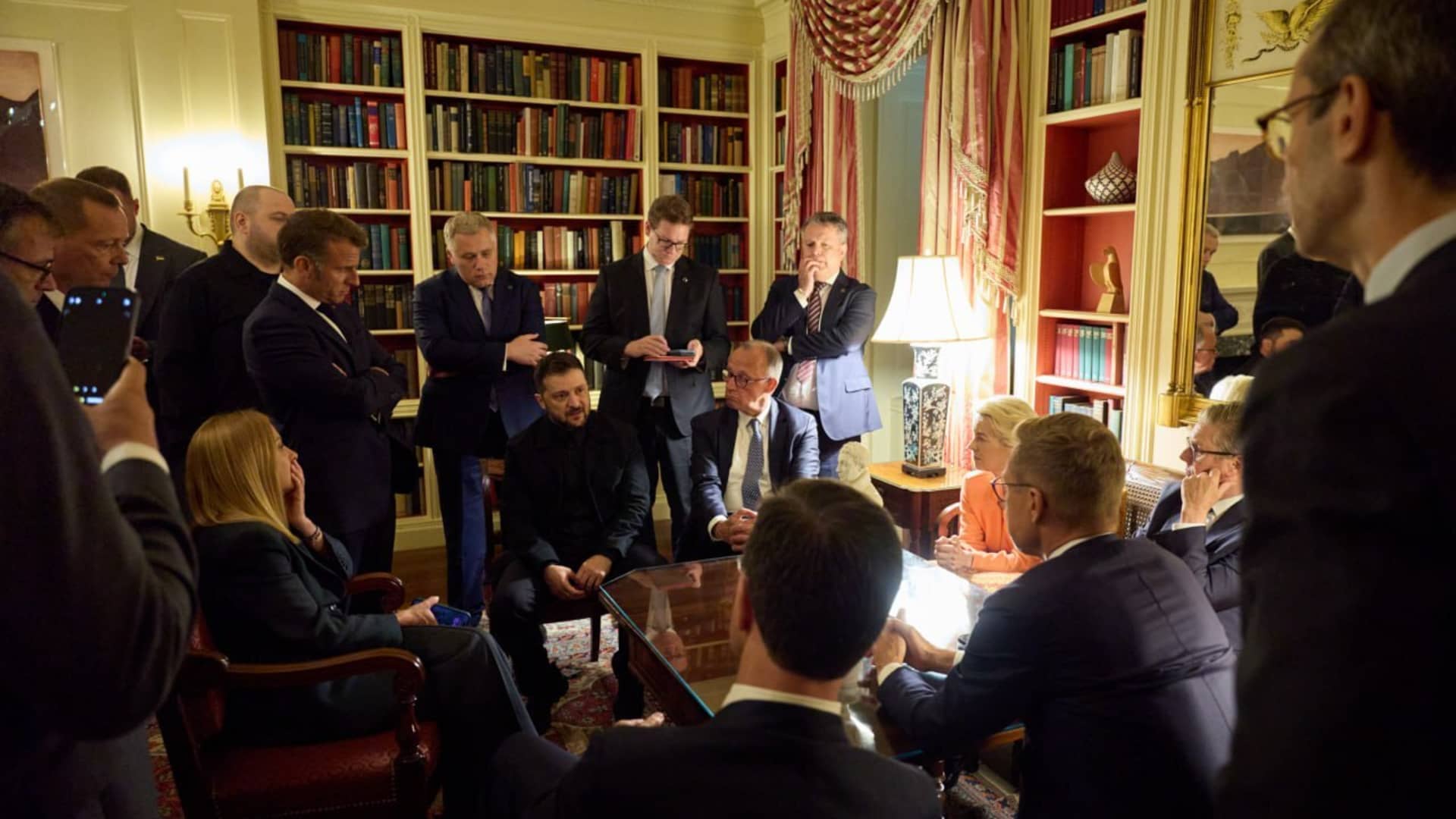
The US’s historic allies are still struggling to understand these changes. Even more important, they are struggling to respond to them. Events such as those in Caracas raise stark questions of power. They embody the exact same reality that President Trump delights in celebrating. The US is a superpower. Allies, including the UK, are not. These questions are not going to disappear. The British government should not be condemned for each hesitation. But the hesitations cannot continue indefinitely. Britain needs a grown-up debate and a clear new course of international direction.