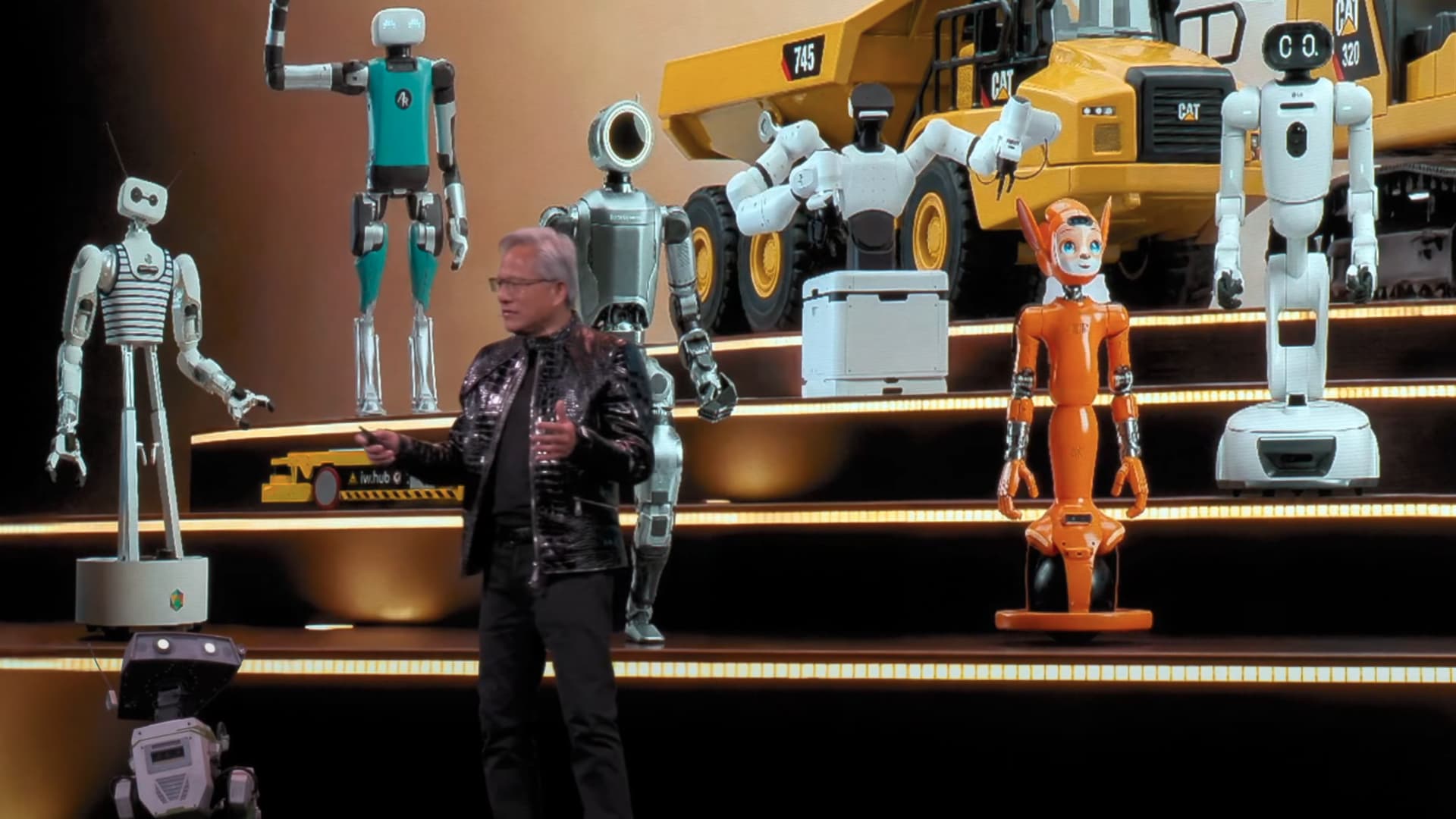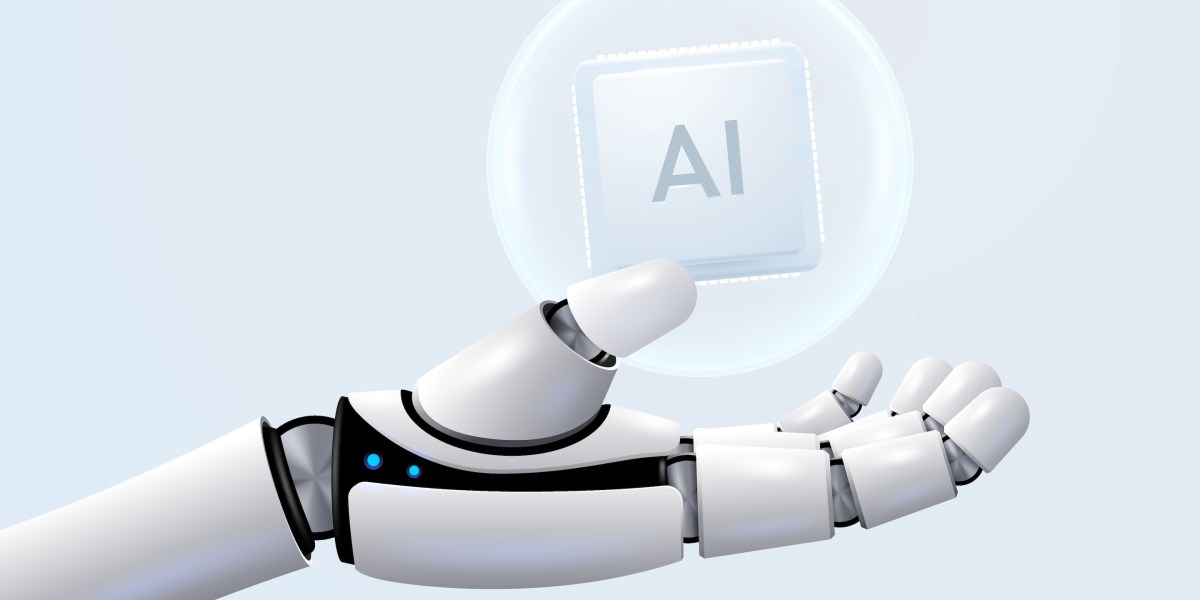
Good morning. Artificial intelligence is stepping out of the virtual world and into the real one — and that shift is called physical AI.
What does that mean? Instead of working only on computers or digital data, it enables machines to sense, think, and act in the real world. Physical AI was a key topic of discussion during a Fortune Brainstorm Tech dinner on Monday at CES 2026 in Las Vegas.
Andrew Nusca, editorial director of Fortune‘s Brainstorm series and author of the Fortune Tech newsletter, hosted a fireside chat with Qualcomm President and CEO Cristiano Amon on the subject. Amon said he agreed with Nvidia CEO Jensen Huang’s prediction that physical AI will be the next major wave of artificial intelligence.
“It’s going to be massive,” Amon said. Physical AI is grounded in real-time sensor data. “You train on things that you see, things that you sense, things that you do,” he explained. This enables robots and self-driving cars, for example, to handle complex tasks, adapt to changing environments, and make split-second decisions while moving and interacting with the world around them.
“We’re starting to see physical AI actually happen in automotive,” Amon continued. “When you think about assisted driving and autonomous driving, that’s a physical AI problem. You have sensors and cameras observing everything around you and telling the car where to go and when. We’re actually super excited about that.” Qualcomm has transformed into a major automotive technology provider, positioning itself as a key player in the industry’s shift toward “software-defined vehicles.”