In the early fray of foreign interventions, evidence is largely circumstantial. But here the circumstances tell a powerful story
A
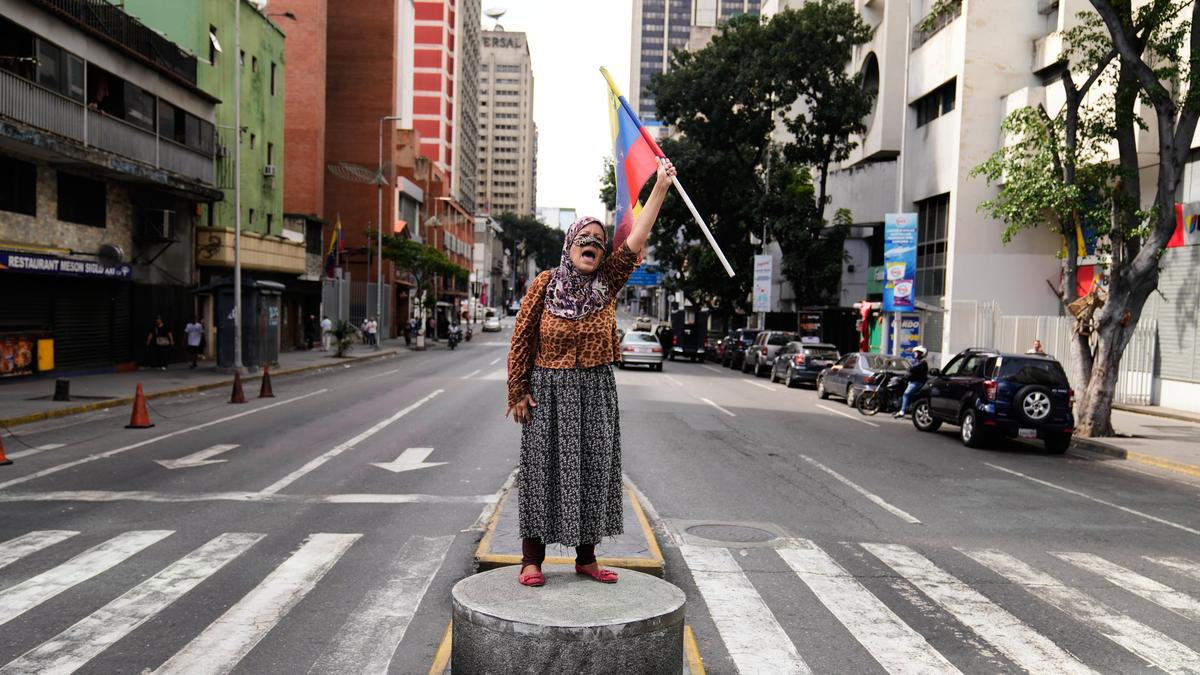
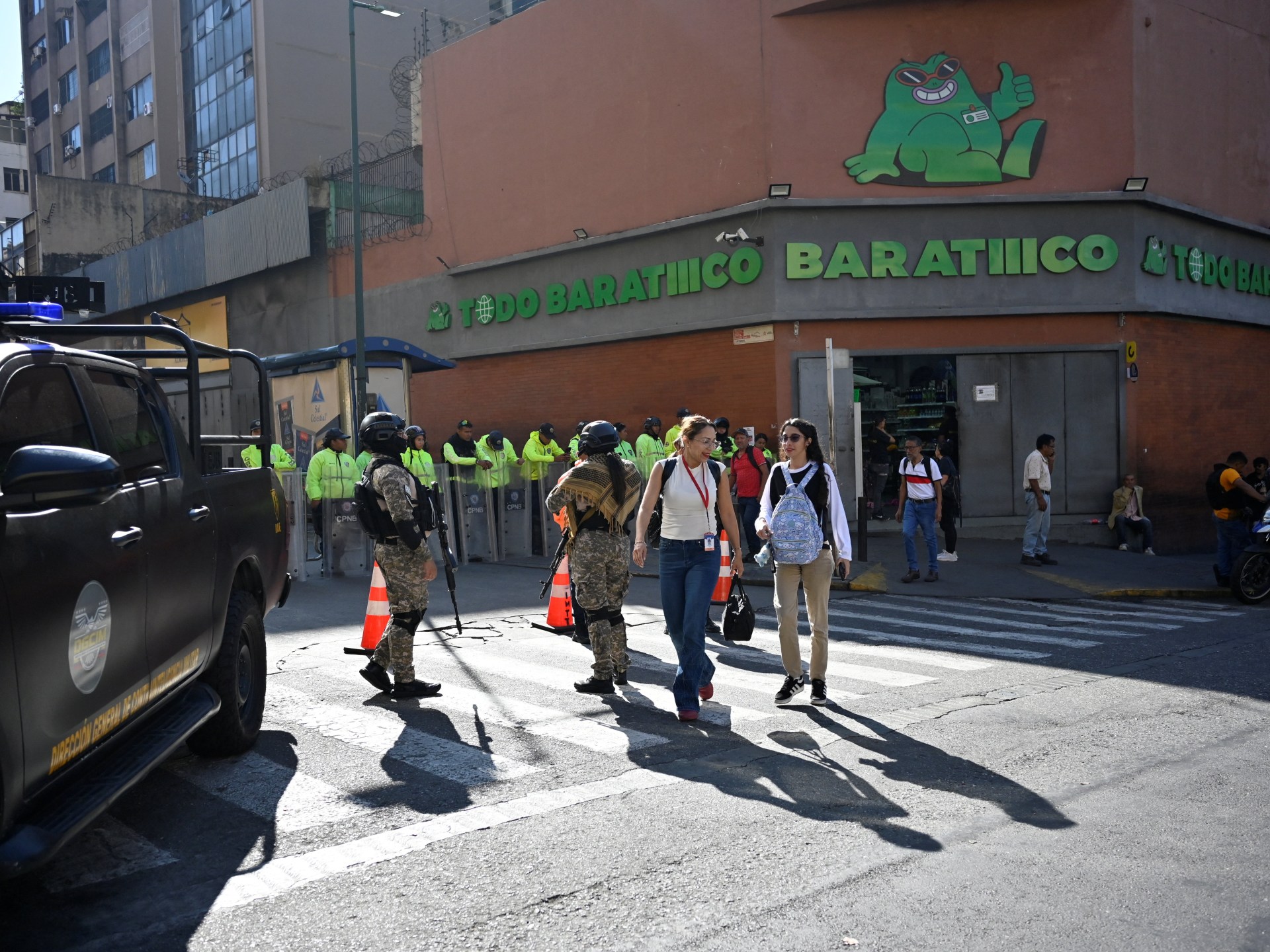
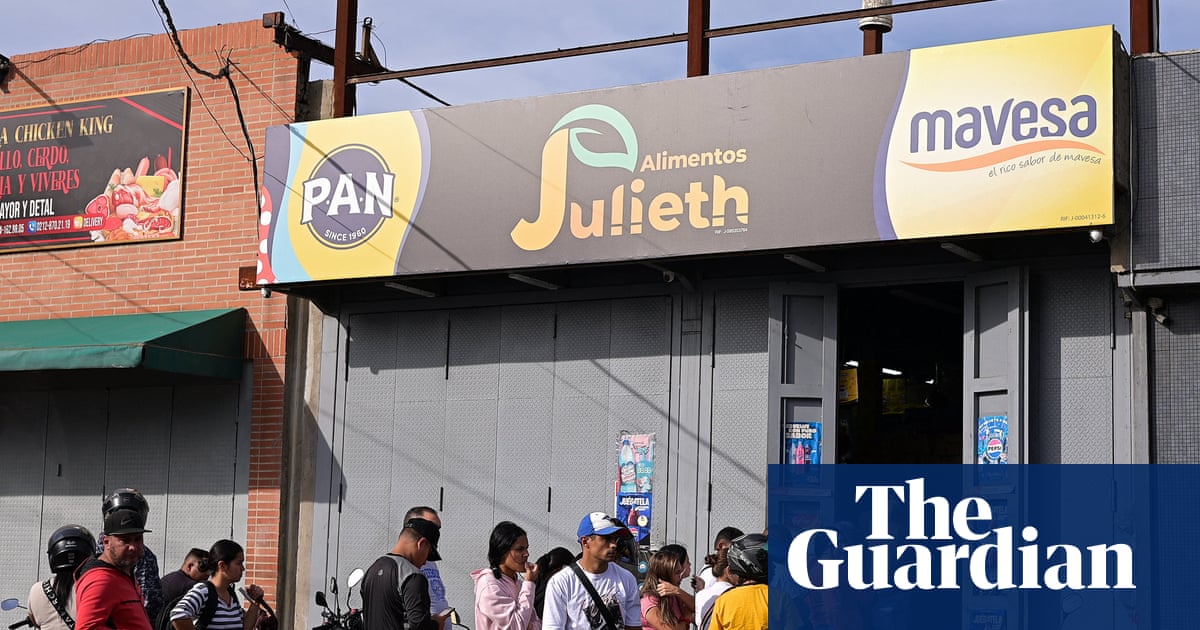
s late as Saturday afternoon, fires continued to smolder in parts of Caracas. Residents throughout the city, stunned and anxious, filled grocery stores and gas stations, stocking up before a future unknown. Everywhere the question hung in the air like the smoke still clouding Venezuela’s capital: what next?
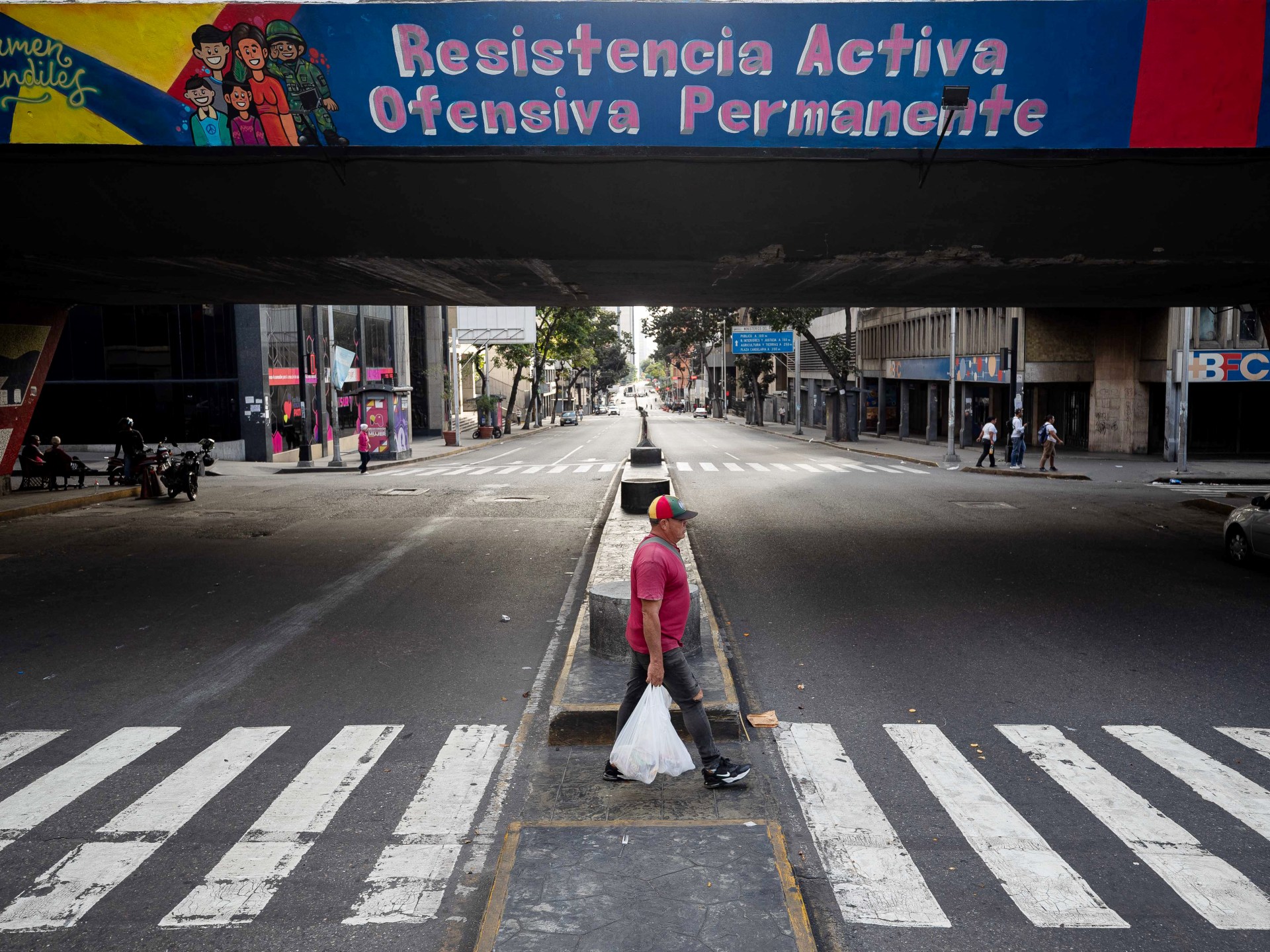
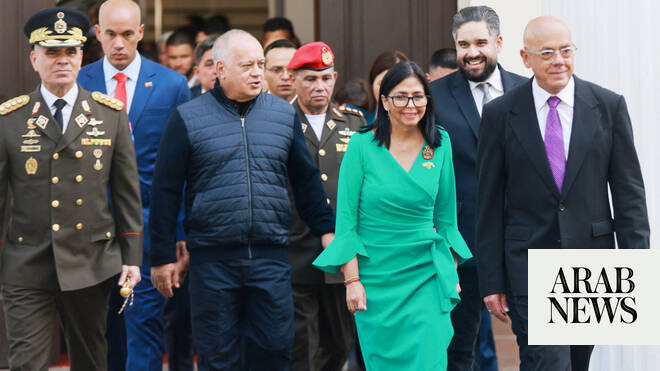
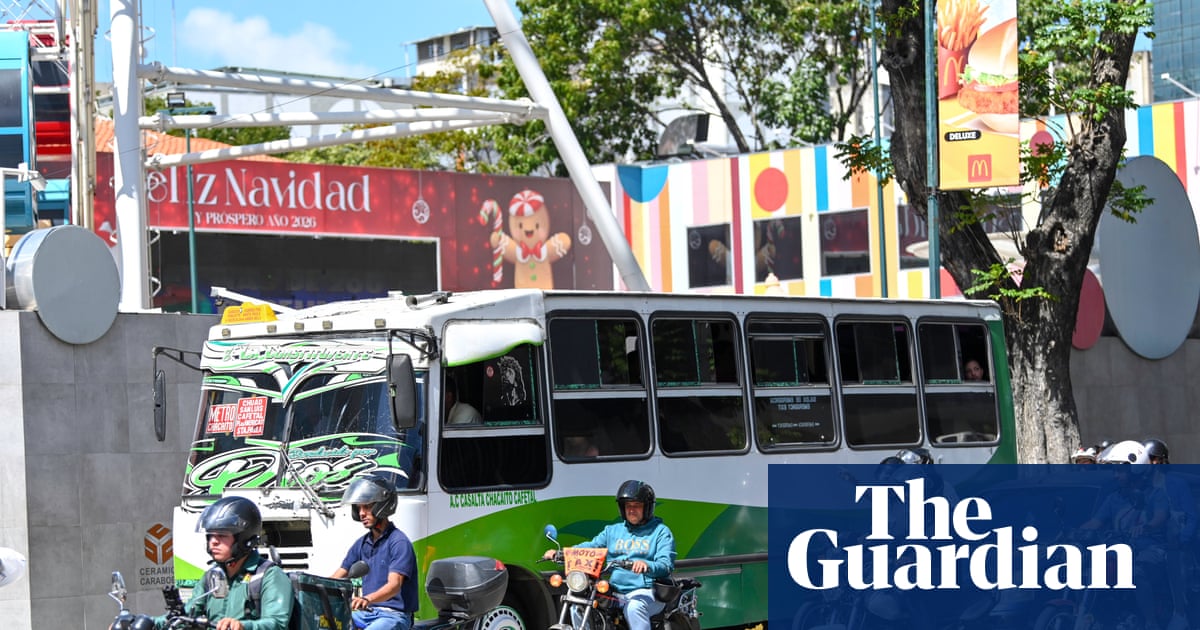
After months of military buildup, deadly strikes at sea and a looming ground war, the United States made good on its threats to attack Venezuela in a dramatic overnight raid that ended with Nicolás Maduro in a New York City jail cell. Yet 48 hours later, little else appeared different in Caracas: Maduro’s inner circle remained in place; state institutions remained in their control; streets were calm, if tense, while authorities called on people to return to their daily lives. In other words: move along, nothing to see here.
If this is regime change, it seems a strange sort, one that leaves the regime otherwise intact, and which raises a more pressing question than what comes next: what happened? Of course, much remains speculative. But at this point, information available suggests that after over a decade of tight cohesion around Maduro, his inner circle calculated they were better off without him and struck a deal with the Trump administration: Maduro in exchange for staying in power.