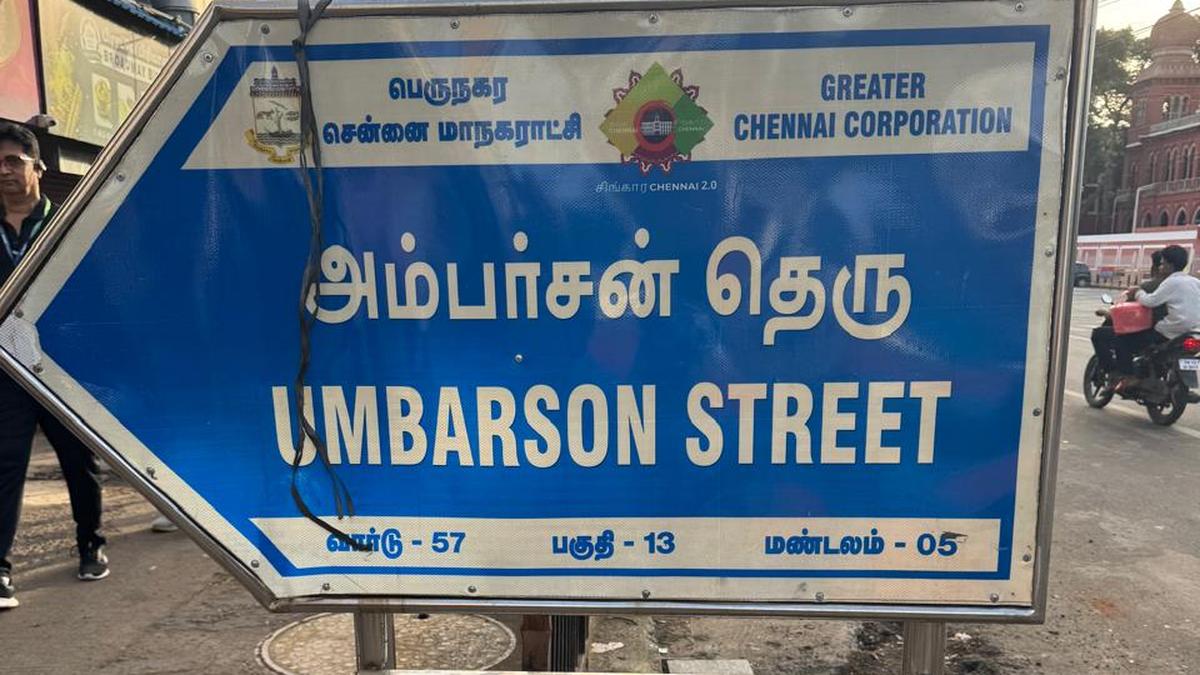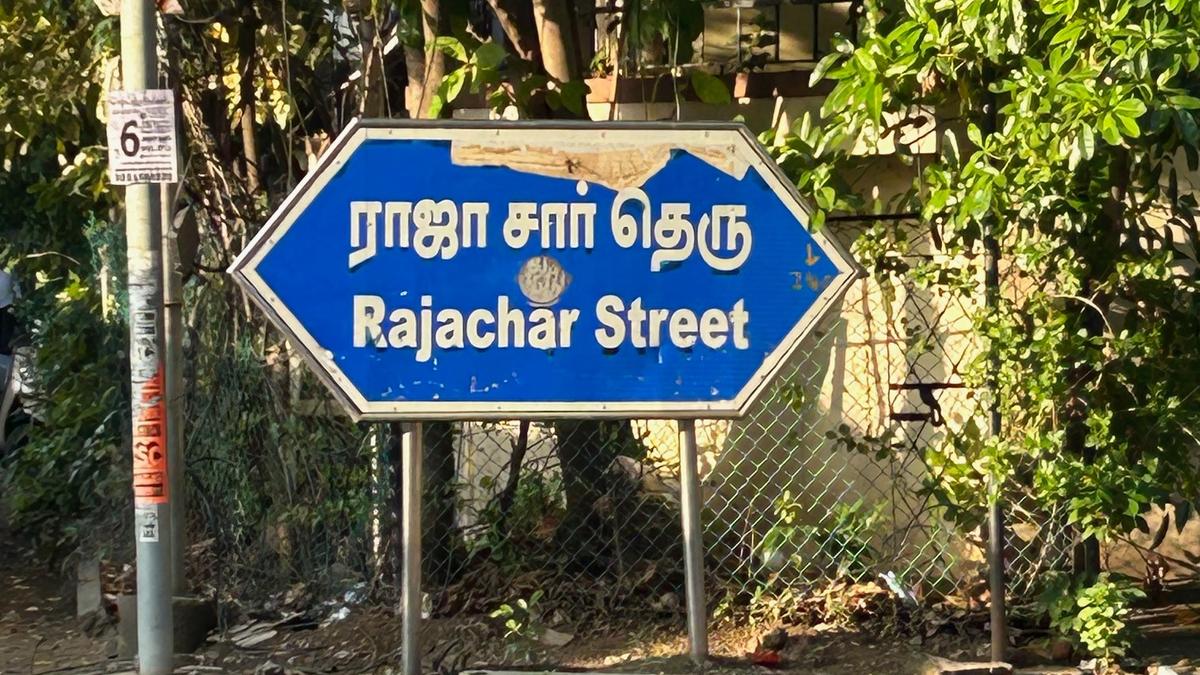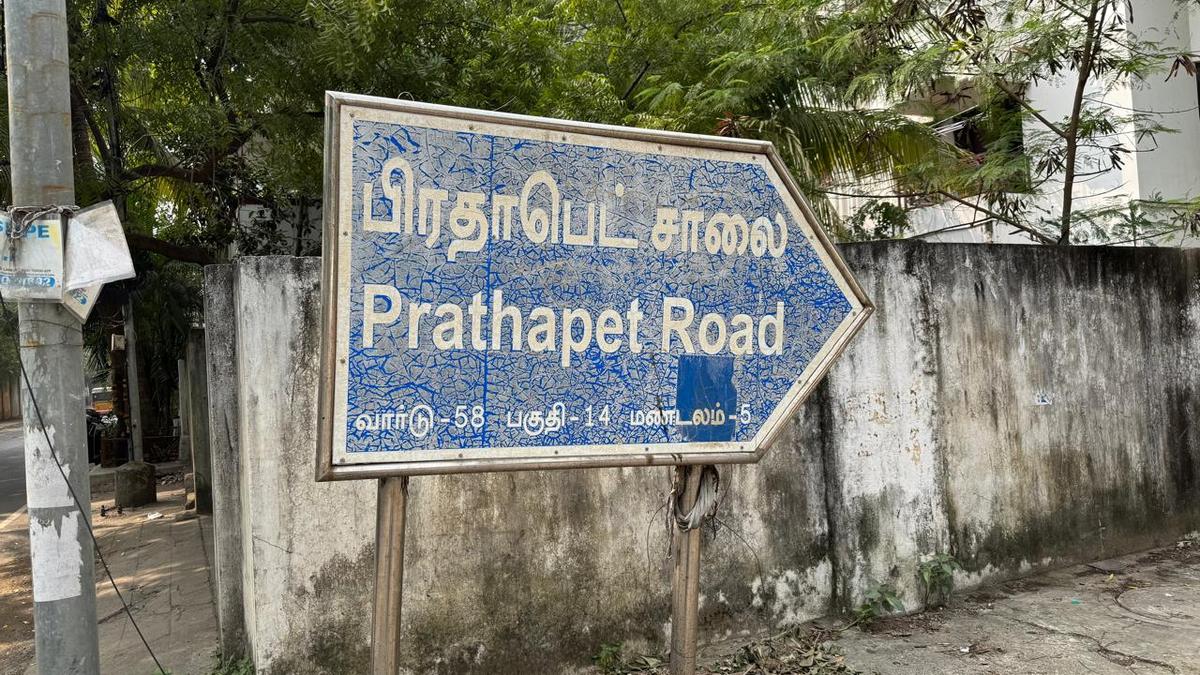
I do not know whether to laugh or cry. I think the former may be the better option, considering that this is the first epistle of mine for this column in the new year. But researching recently the history of Vepery for a video, I sent my assistant Surya Kumar on a tour of the streets in that area. “Be sure to cover Breithaupt Street,” I told him and he returned with the information that Prathapet is its present name.
Blame it all on the two-language formula, at least as far as street names and signboards are concerned. Breithaupt in English becomes Preithapt in Tamil. This, in turn, changed the English to Brethapet, which is how it remained for much of the past few decades. Then the Tamil became Prathapet and the English followed. It is my guess that someone in the Corporation dictates these names off a list and someone else notes it down in Tamil as heard, and not as written.
Victoria Public Hall and its missing plaque
Having chortled over it, I then went about hunting for what I had squirreled away about Breithaupt. The story begins with the missionary John/Johann Christian Breithaupt, native of Dransfield, Hanover, who arrived in Madras in 1746. He could not have been more unfortunate in his timing, for his arrival in the city coincided with the French invasion, and that must have prompted his move to Cuddalore, which he did in 1747. In 1749, he and his immediate superior, the Rev. J.P. Fabricius moved to Pulicat, to be closer to the scene of action for Madras had been restored to the British. On May 17, the two wrote a letter to Fort. St. David, Cuddalore, which was then the British HQ. This document was to form the basis of how Roman Catholic churches in Madras were to be treated by the newly returned British. The letter, published in full by H.D. Love in his Vestiges of Old Madras, highlighted the way the French priests and Roman Catholics had colluded with Pondicherry during the occupation and before. They called for retribution.