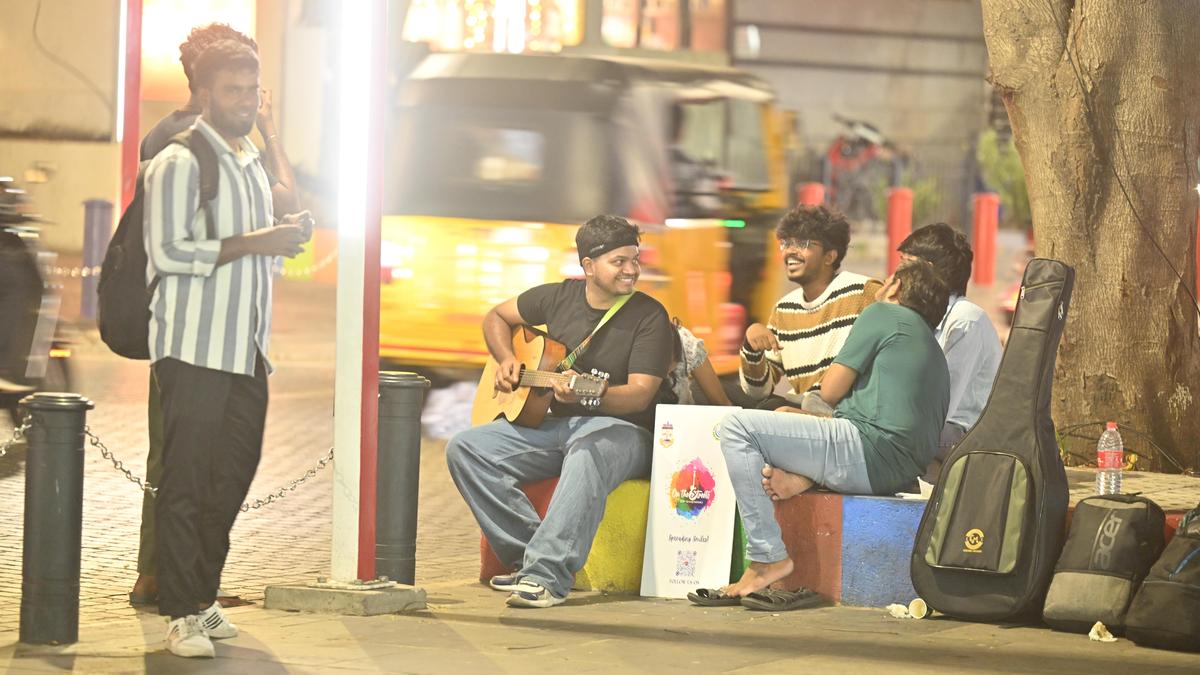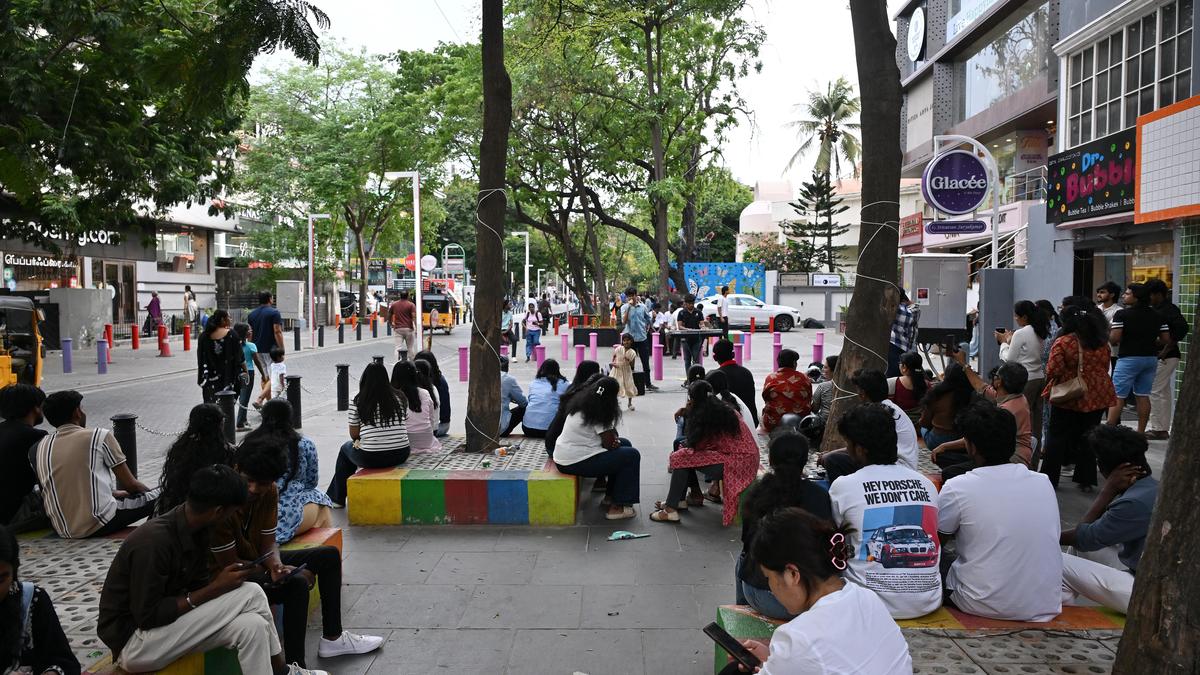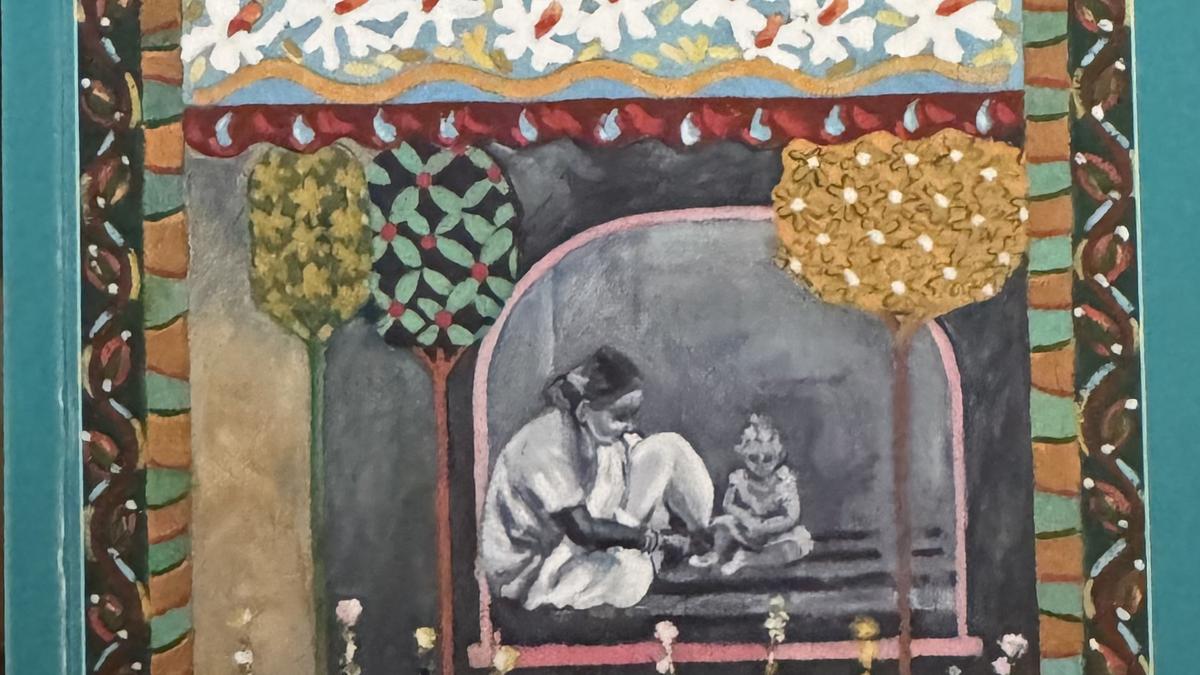
It is today touted as downtown – a happening place with fashionable eateries and shops. But even 30 years ago, Khader Nawaz Khan Road, or KNK as it is spoken of now, was a quiet residential area, with bungalows on both sides. That memory came back rather forcefully, as I read Fran Forsyth’s From Madras to Chennai: and some of life in between (2QT Publishing, 2025). The author spent eight years of her childhood, birth onwards, in Madras between the 1950s and 1960s.
It was the period that she was writing about that got my attention. As any person interested in the history of Indian cities would know, the first four decades after Independence are the worst in terms of records. Material is scanty. Photographs are even more difficult to lay one’s hands on. A former corporate head told me that cameras were rare, and photo film even more scarce. And so, anything that crops up about the era between 1947 and the 1990s usually has me reading it.
When historic markers in Chennai are demolished without explanation
The author’s father, B.A. Forsyth, was one among the team of expatriate executives that came here, chiefly from the United Kingdom, in the first wave of Indian industrialisation. The colonials had left us as essentially a market for their goods and we had to build our industries practically from scratch. Collaborations were essential, and given that the U.K. was our window to the world for over three centuries, it was the natural choice for sourcing technology. The Murugappa Group was in the vanguard of Indian industrialisation, and one of its early ventures was the manufacture of cycles in collaboration with Tube Investments of the U.K. I will not go into the venture’s later history as it is well known. Those who are interested will do well to read S. Muthiah’s Looking Back from Moulmein, A Biography of AMM Arunachalam (EastWest Books (Madras) Pvt Limited, 2000).