When the U.S. Bureau of Labor Statistics reported that its most recent measure of consumer price inflation was just 2.7%, it came as a surprise to many. The consensus prediction on Wall Street had been 3.1%.
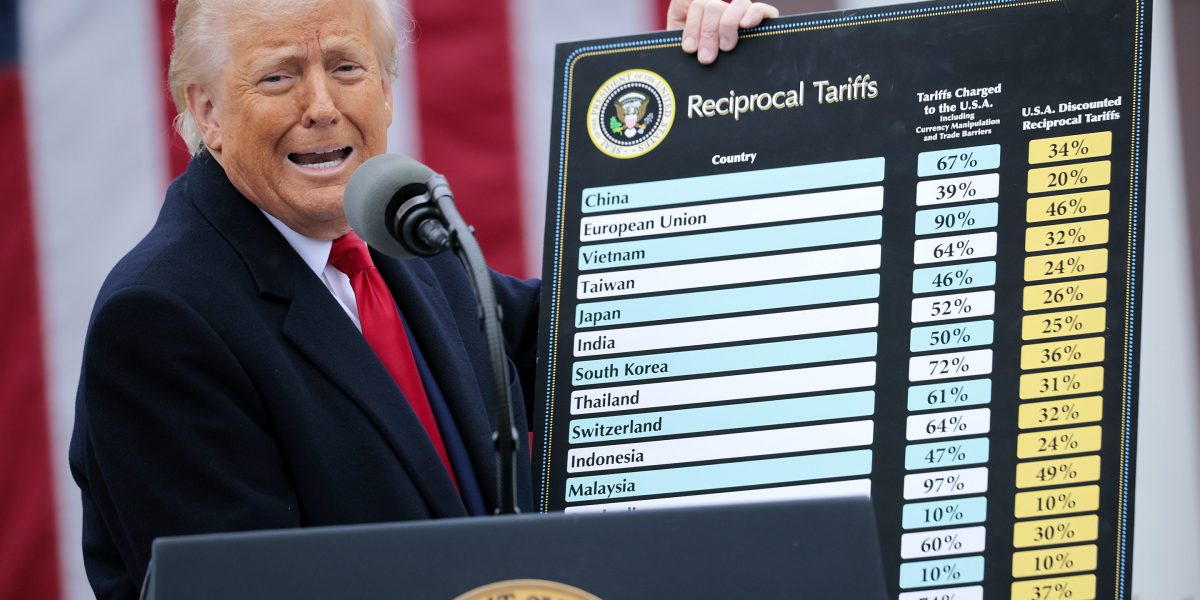
Ever since President Donald Trump announced his Liberation Day tariffs last April, economists have been expecting the extra cost of those tariffs to show up in the inflation numbers. After all, the effective tariff rate on goods imported from China was as high as 57.6% in November 2025, according to the Peterson Institute for International Economics.
Surely this would force up the price of goods for consumers?
Nope, according to two new studies. Historically, tariffs haven’t resulted in big bursts of inflation, the studies from the Federal Reserve Bank of San Francisco and Northwestern University show. That’s because importing companies tend to find ways around the tariffs, or because countries negotiate enough compromises and exemptions to the tariffs to reduce the headline rate.
Both studies showed tariffs hurt economic growth and increase unemployment. But in terms of inflation, they were more benign than expected.