U.S. tariffs on incoming goods look to be settling in only slightly less than what President Donald Trump had threatened in April, but the difference has been enough to ease some of Wall Street’s worst recession fears.
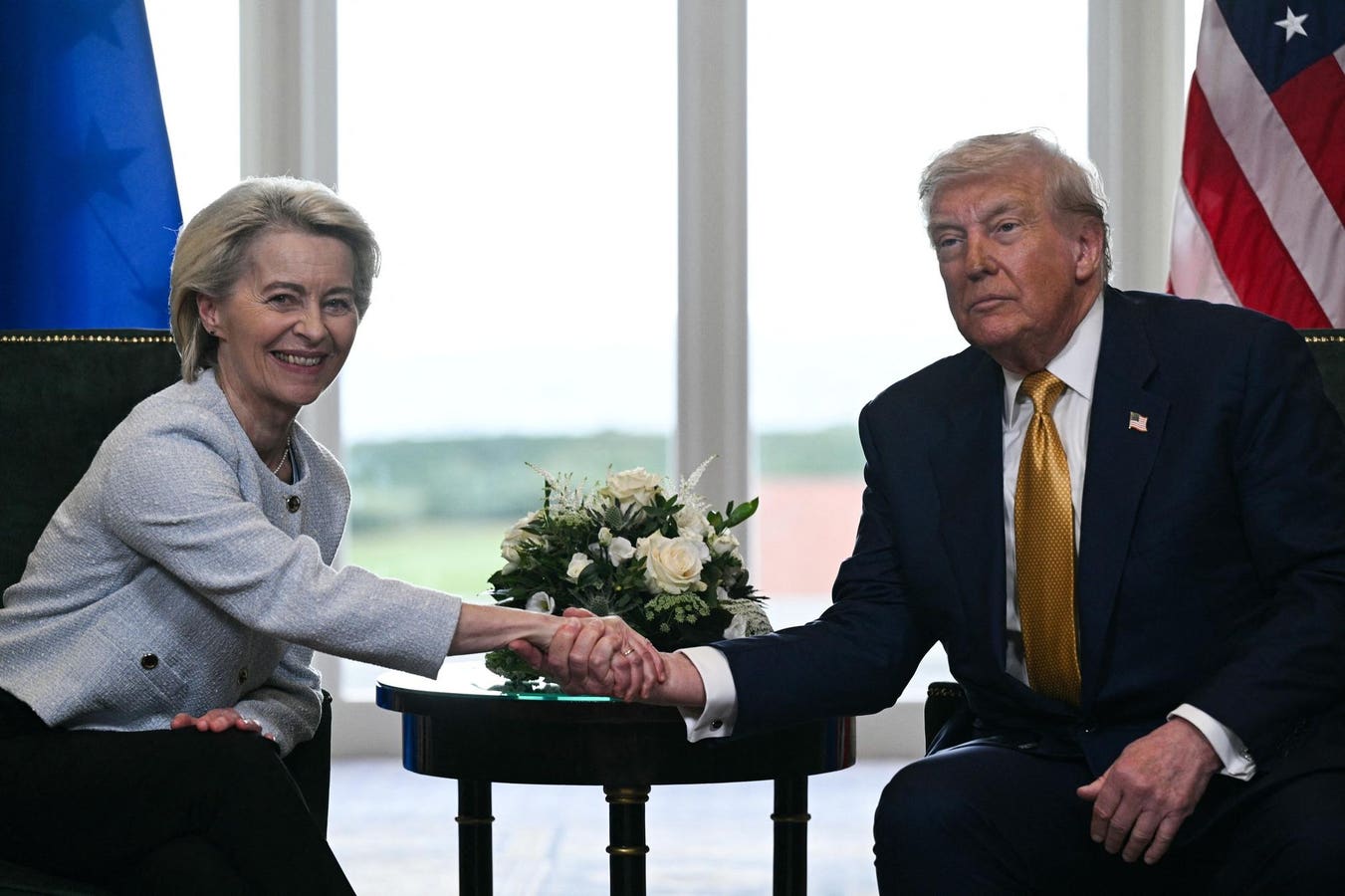
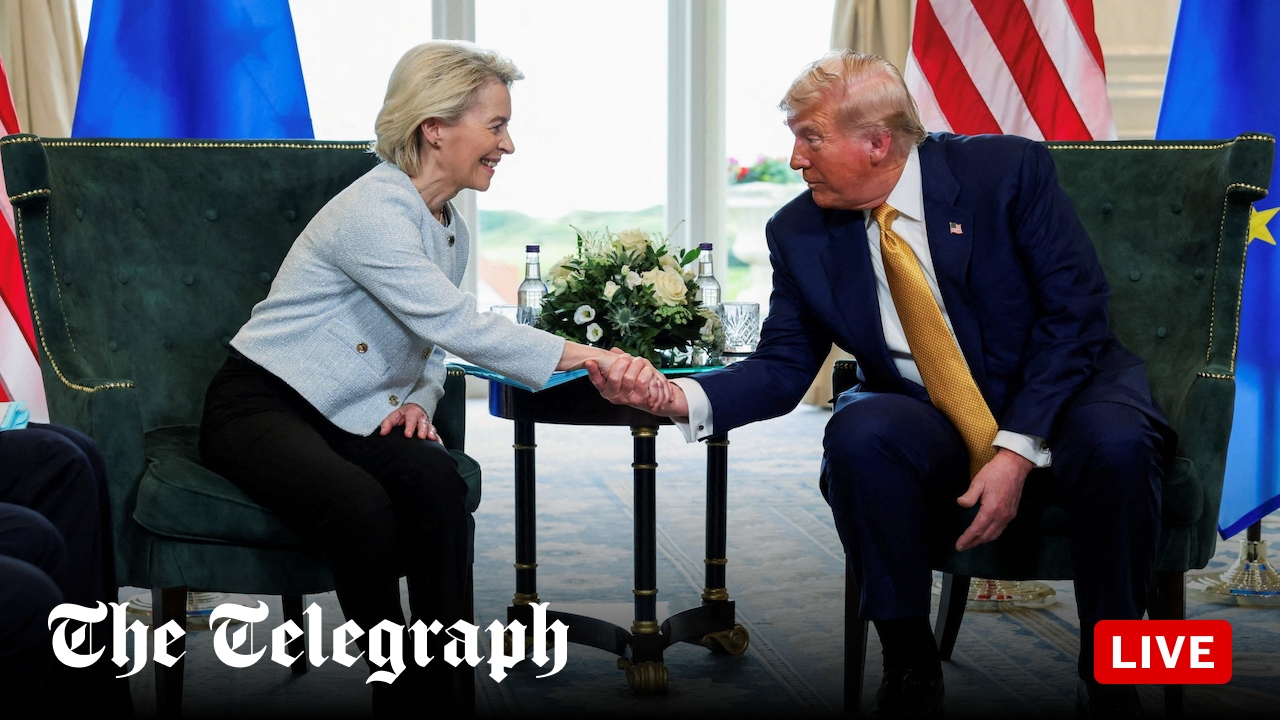
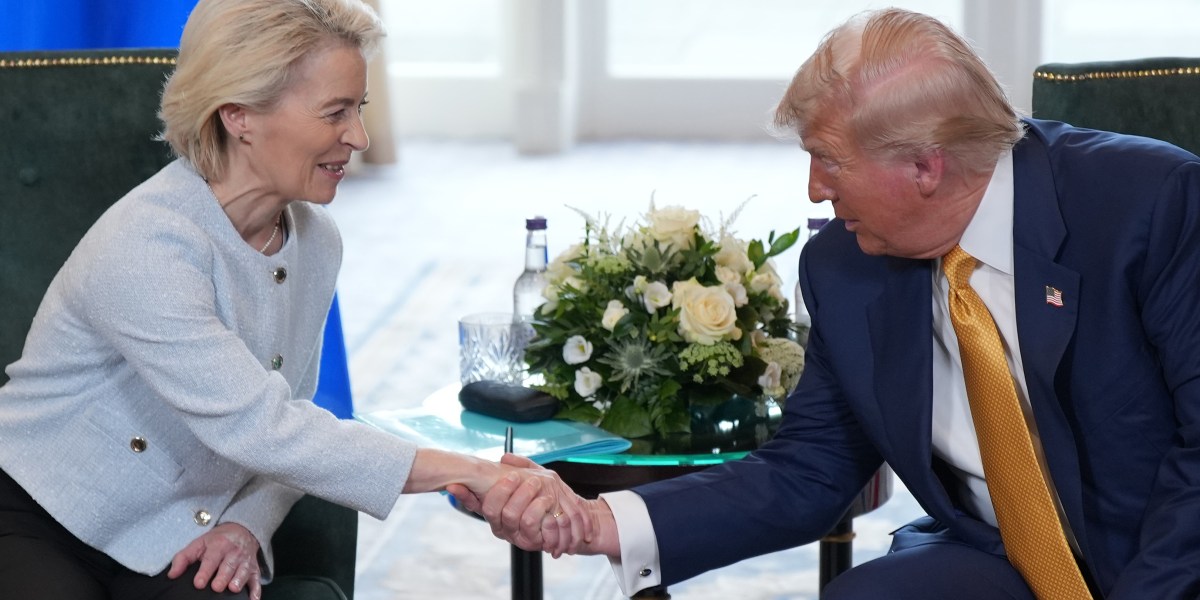
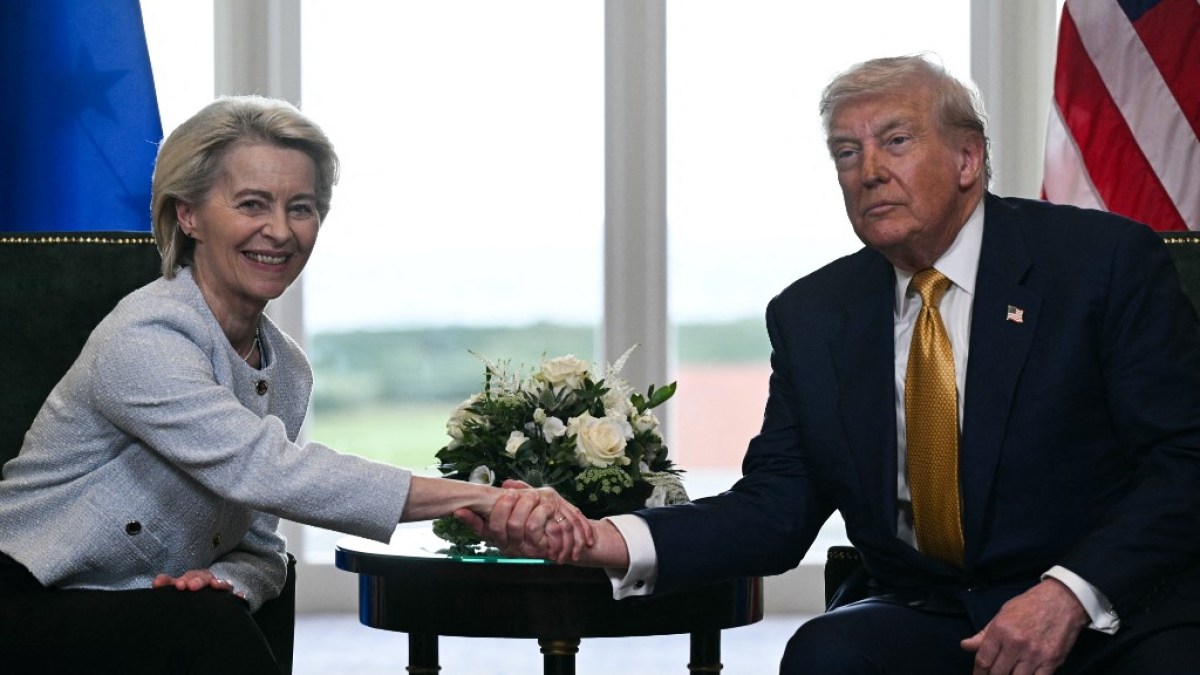
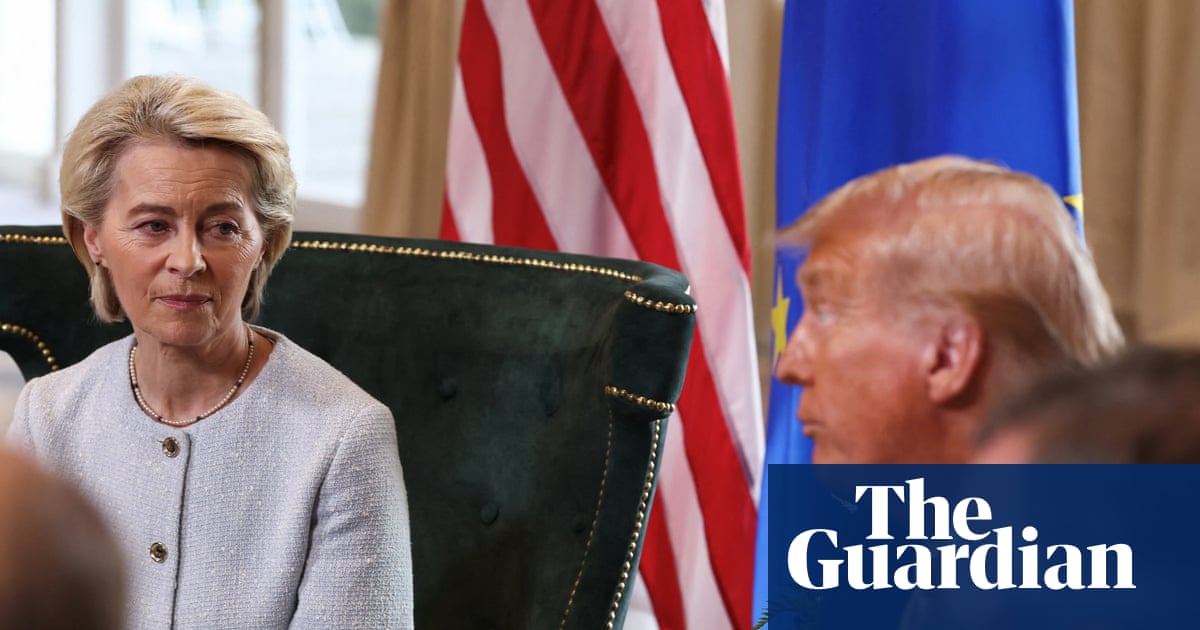
With the U.S.-European Union trade deal over the weekend, it now appears that the effective tariff rate, or the net impact aside from the nominal level, will end up in the 15%-20% range. That’s well above the low single-digit rate in place at the beginning of the year, but well off the feared 25% rate or worse that could have happened as a result of the April 2 announcement.
Economists had feared that aggressive tariffs Trump proposed in his April 2 “liberation day” announcement would spike inflation and lead to a pronounced slowdown or recession.
But doomsday pronouncements around the tariffs have abated since then. Economists cite a strong global growth backdrop, a less-than-expected, long-term inflationary impact of the tariffs and a general easing in financial conditions as reasons for why the landscape looks less dire.
JPMorgan Chase, for instance, has lowered its recession risk from a liberation-day level of 60% down to 40% — still higher than normal, but at least less pessimistic.