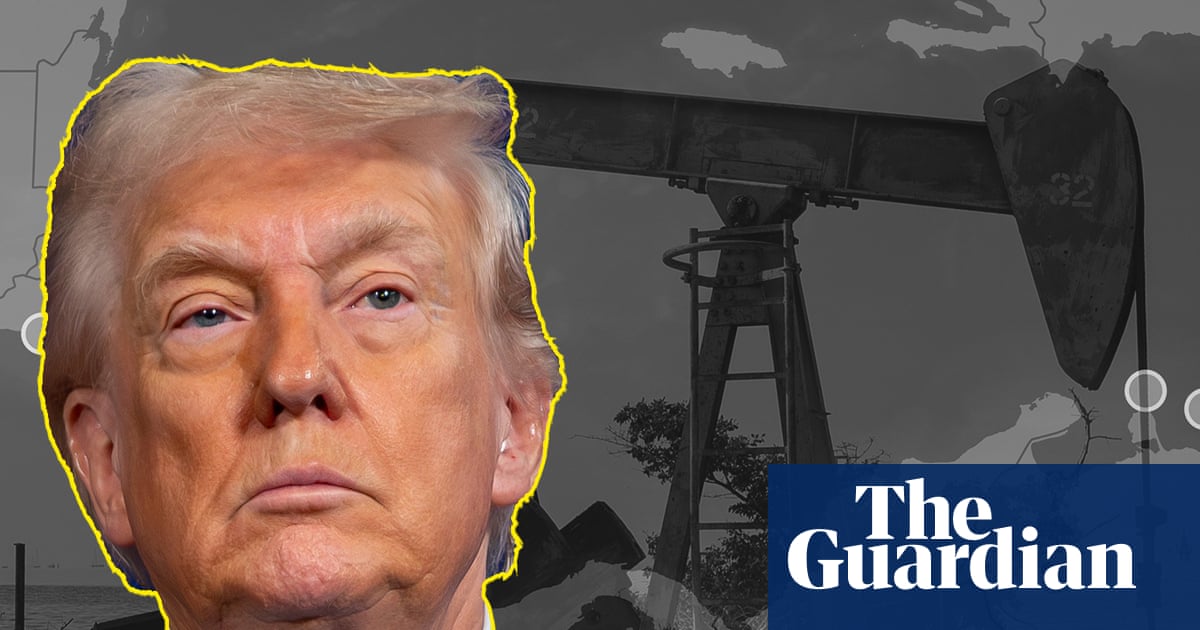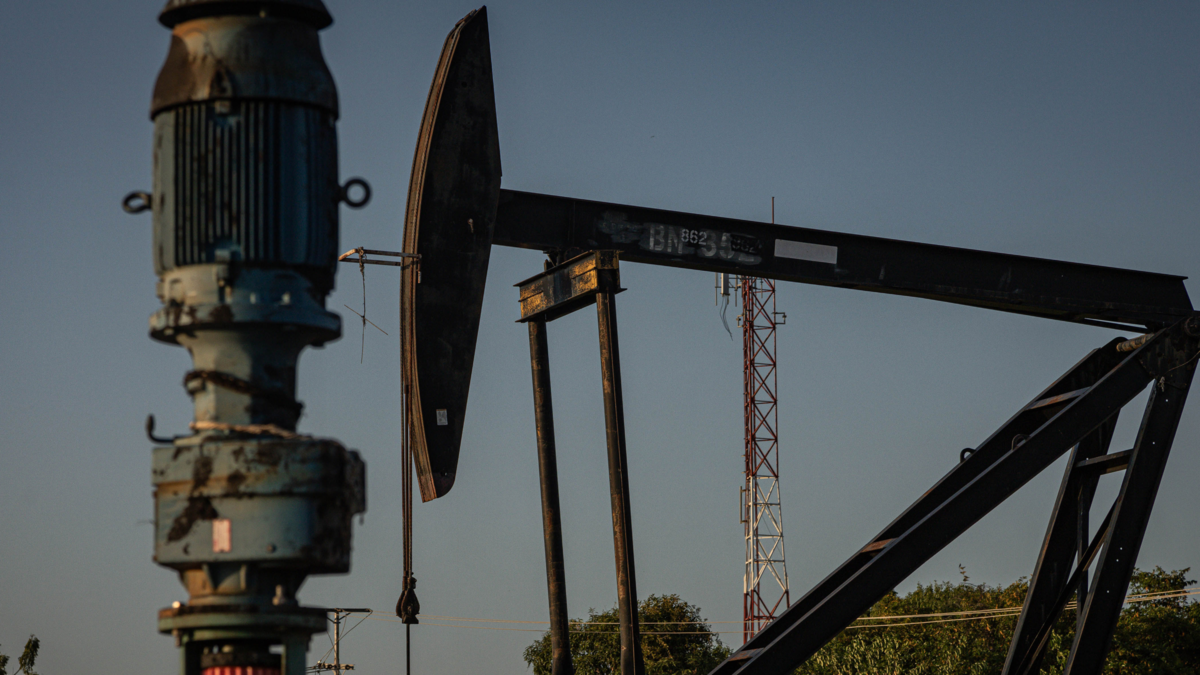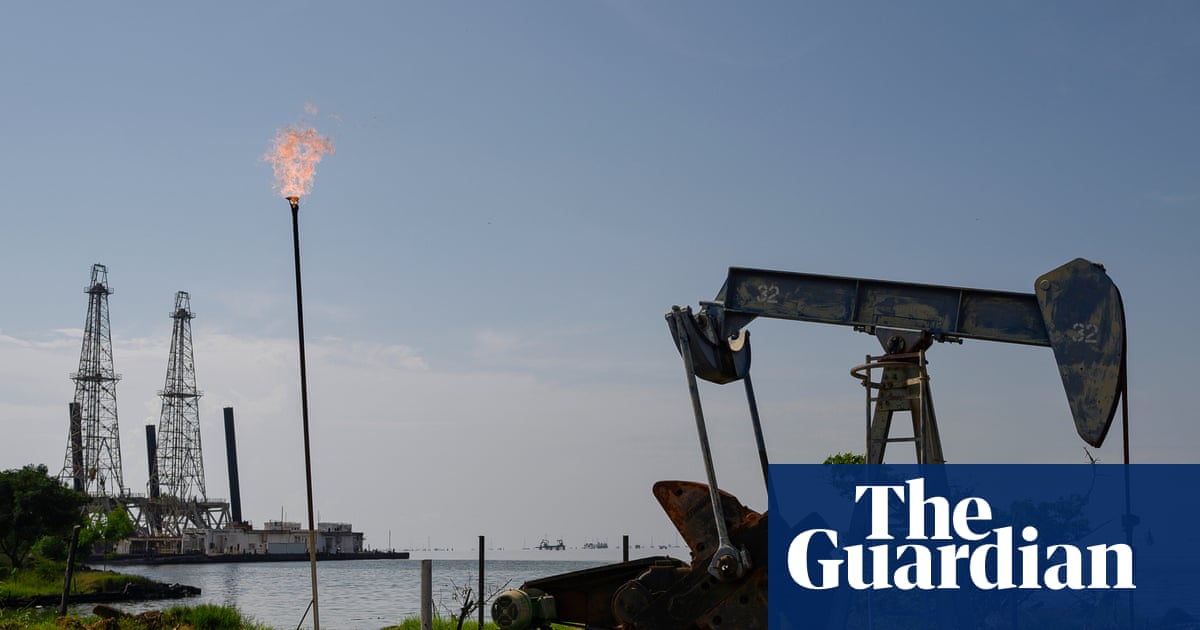
South American nation’s tar-like oil is what many Gulf coast facilities were built for but ramping up production to 3m barrels a day will be a long game
C
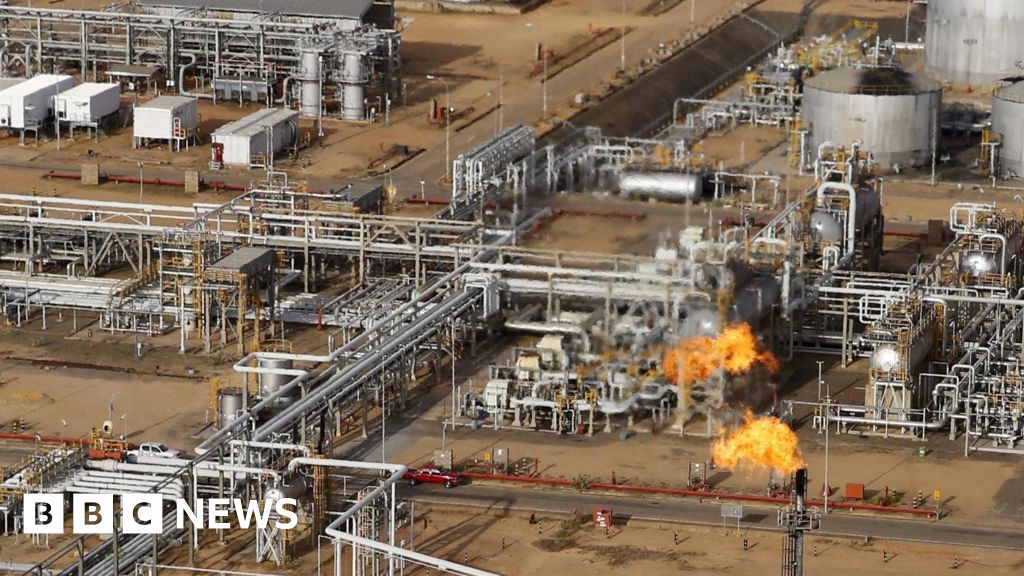
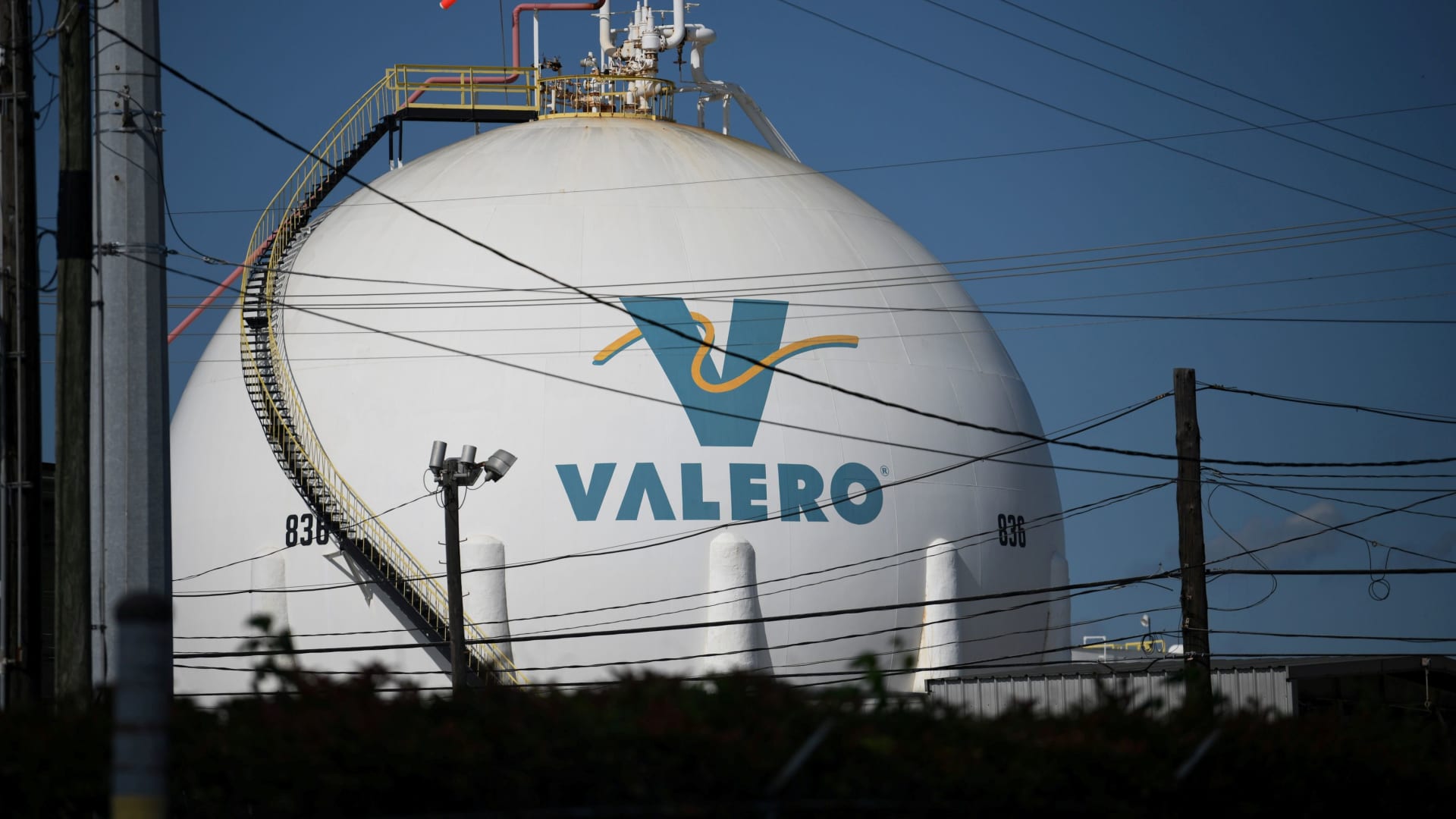
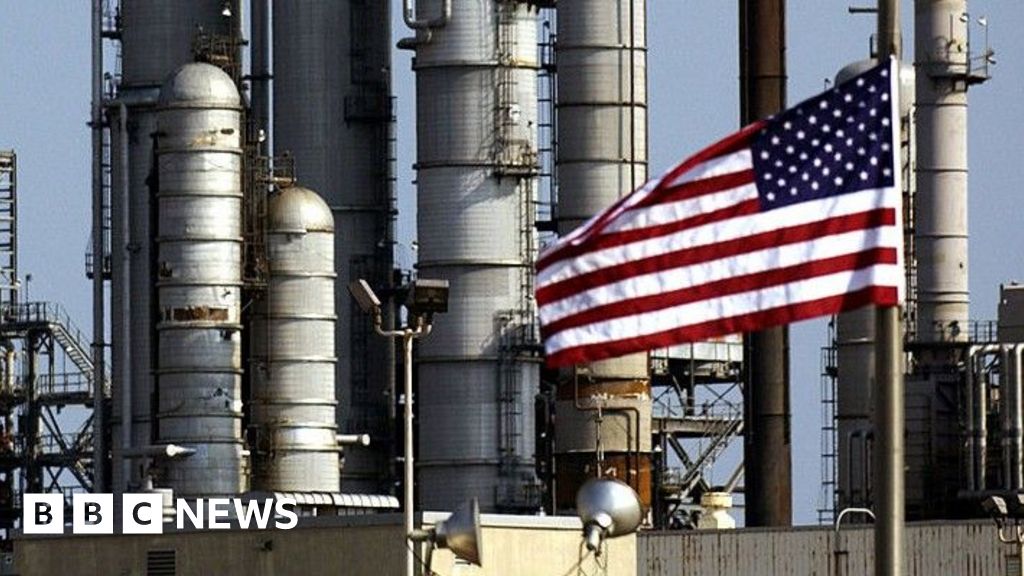
lustered along the US Gulf coast are some of the largest and most complex heavy-oil refineries in the world. These sprawling industrial hubs, owned by major US oil companies, stand ready to emerge as some of the major victors of Donald Trump’s swoop on Venezuela.
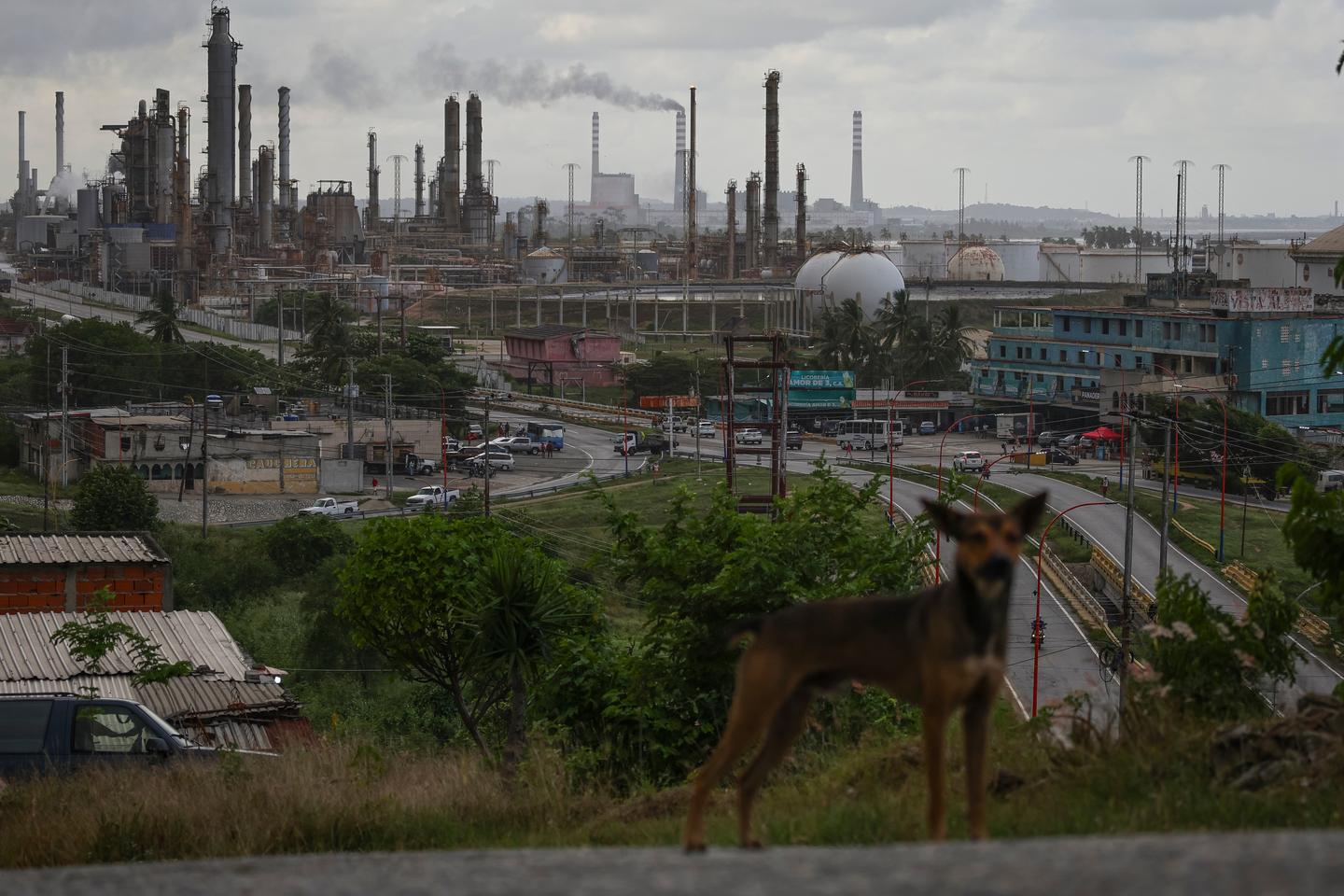
In some ways, these refineries are a relic of another time, built to process the heavy, unctuous crude imported from Latin America before the boom in lighter US shale oil emerged earlier this century.
Venezuelan oil is particularly dense and sticky. The high-sulphur crude more closely resembles a semi-solid tar than the far clearer liquids produced in US shale heartlands, making it more difficult to extract and process into gasoline, diesel, jet fuel and feedstock for the chemicals industry. But it is exactly what many refineries in the US were built to treat.