I
n the animated film Team America: World Police, directed by Trey Parker in 2004, an elite counter-terrorism squad saves the world from a multi-pronged threat consisting of North Korea's leader, Islamist terrorists and progressive actors, all the while throwing to the wind law and caution. This satire of American interventionism now seems prophetic, foretelling a world where brute force replaces a declining system of international law.
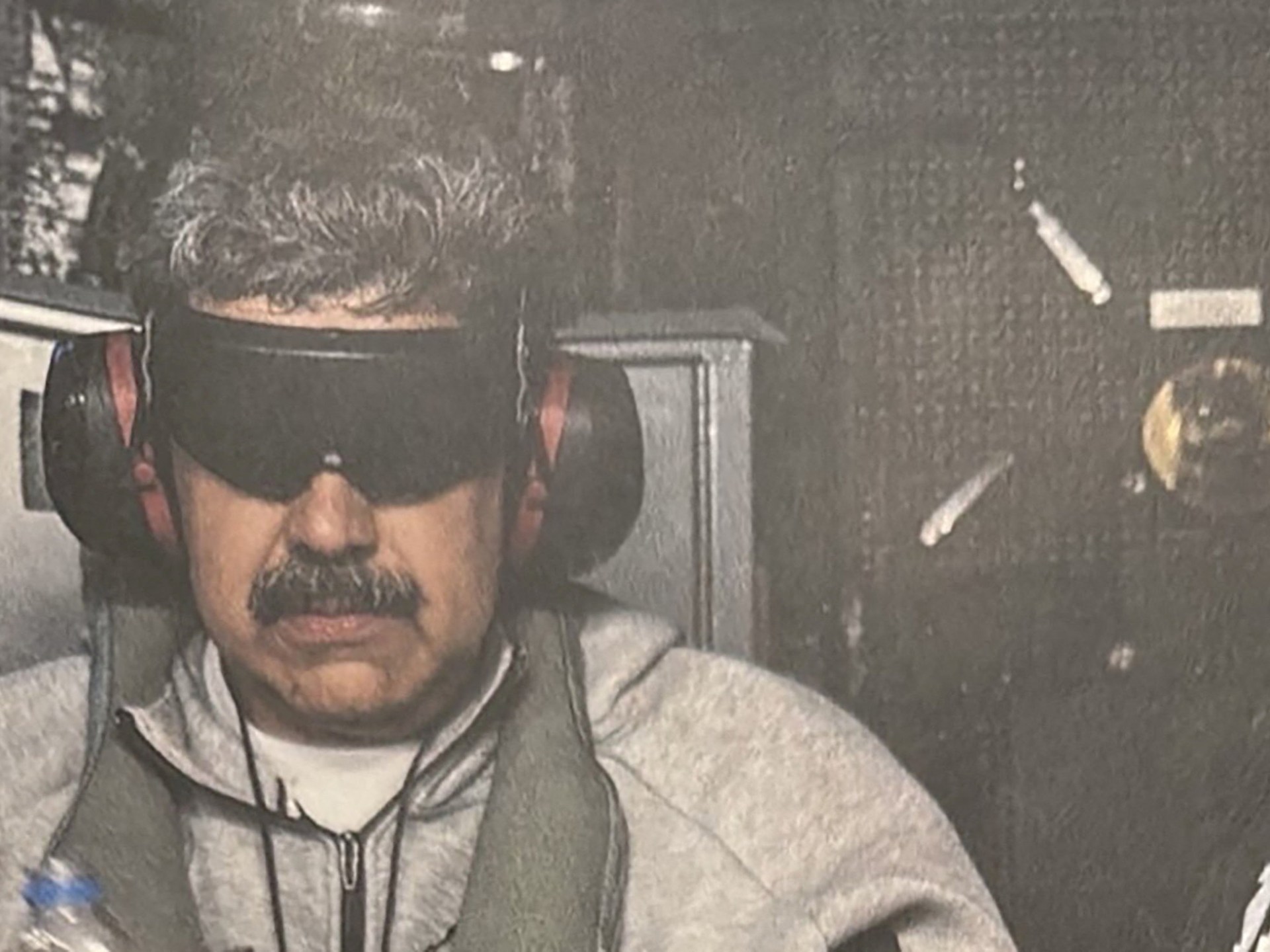
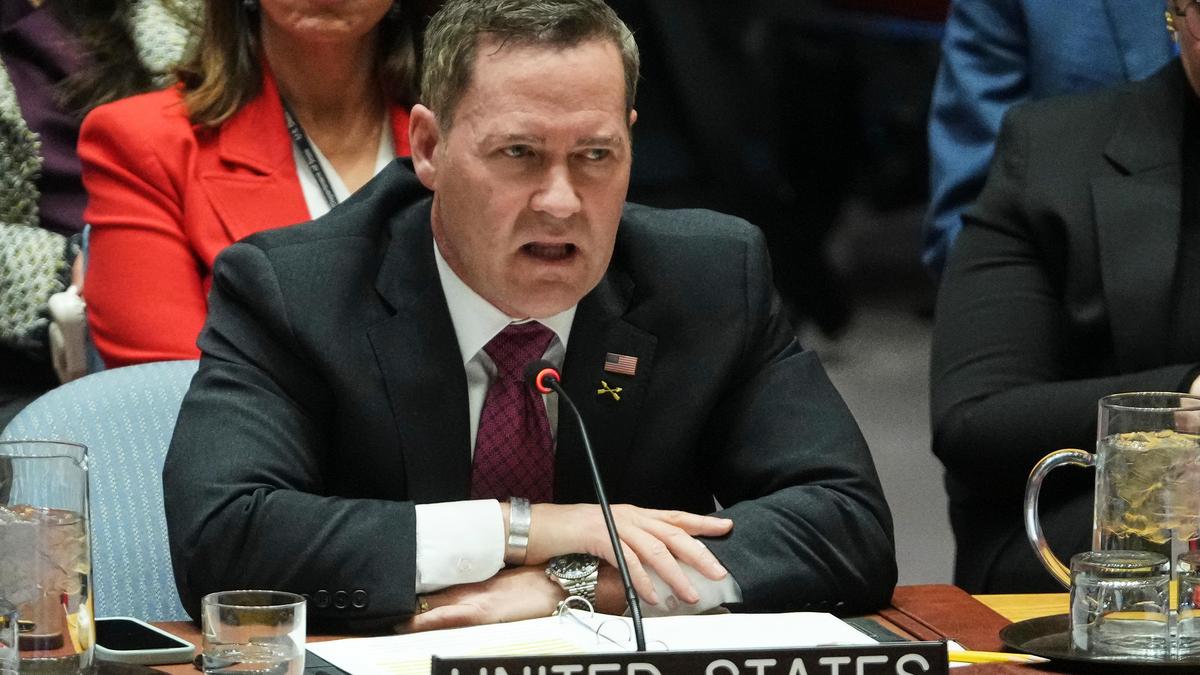
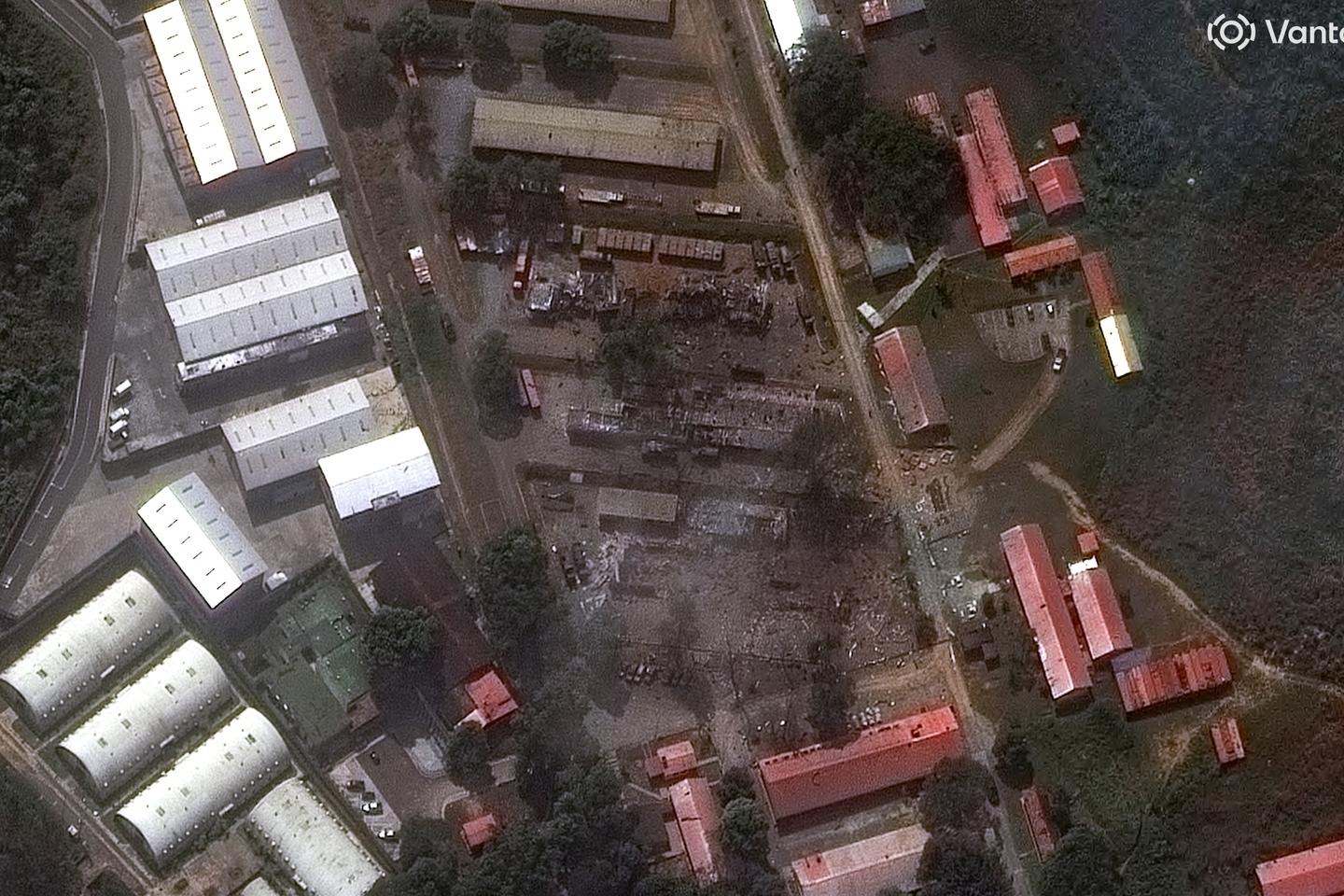
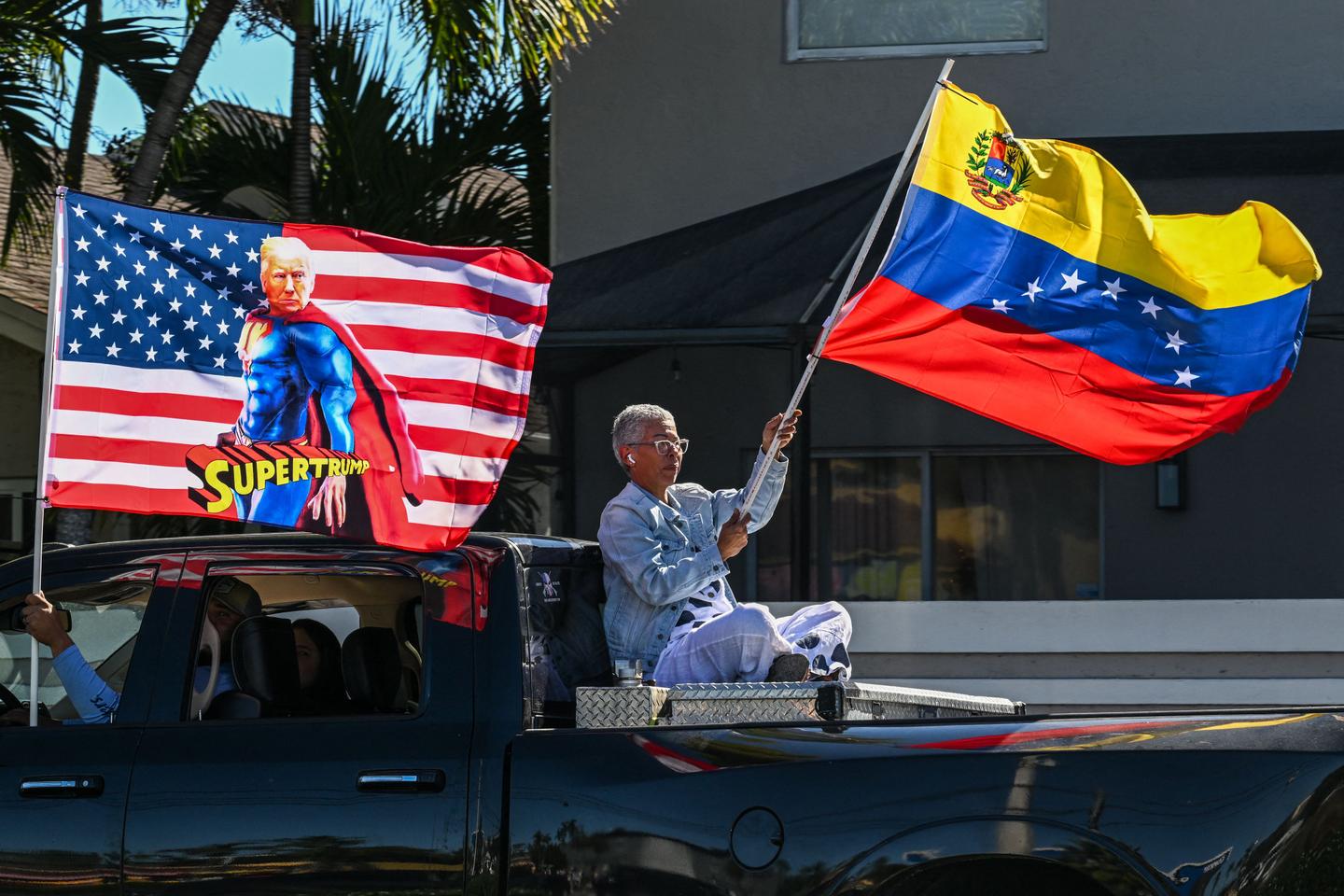
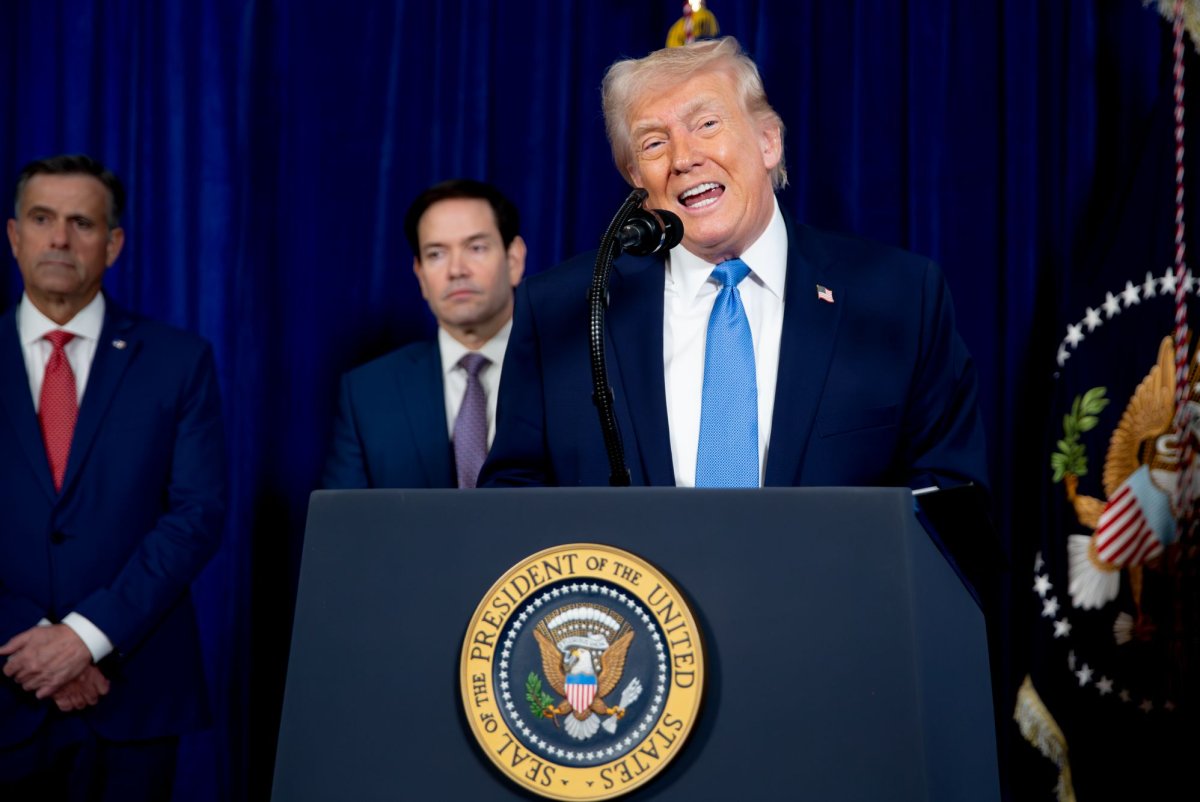
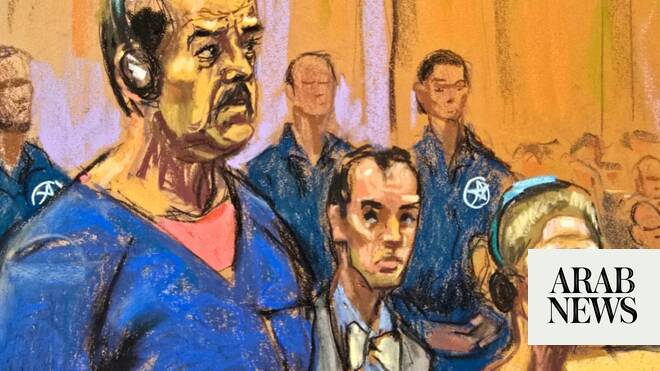
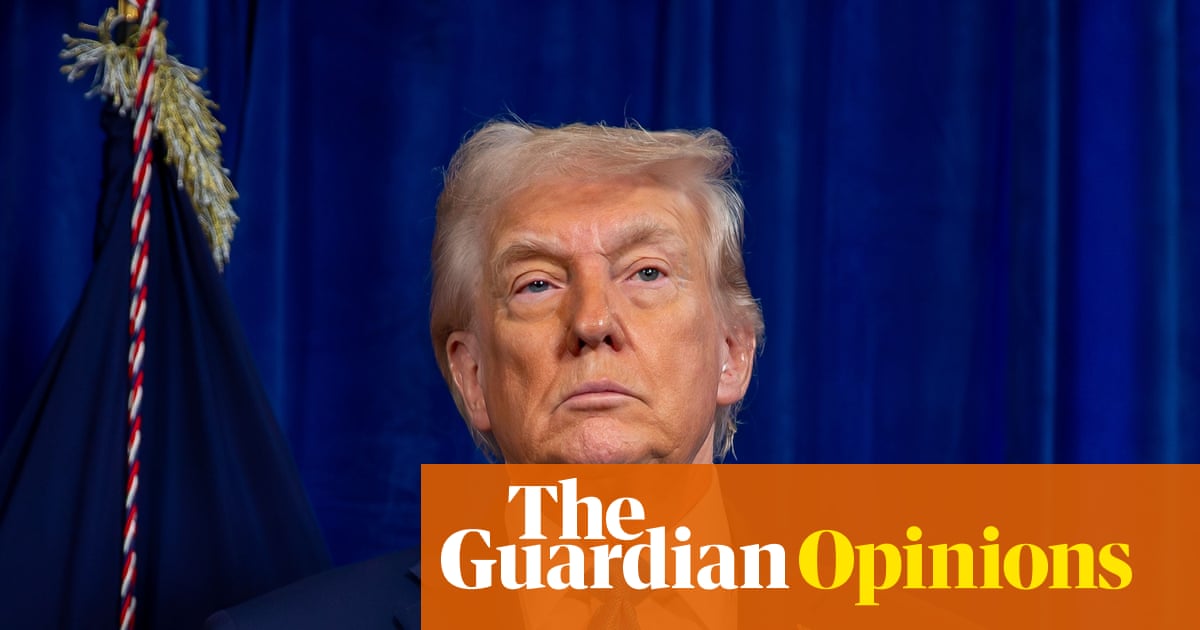
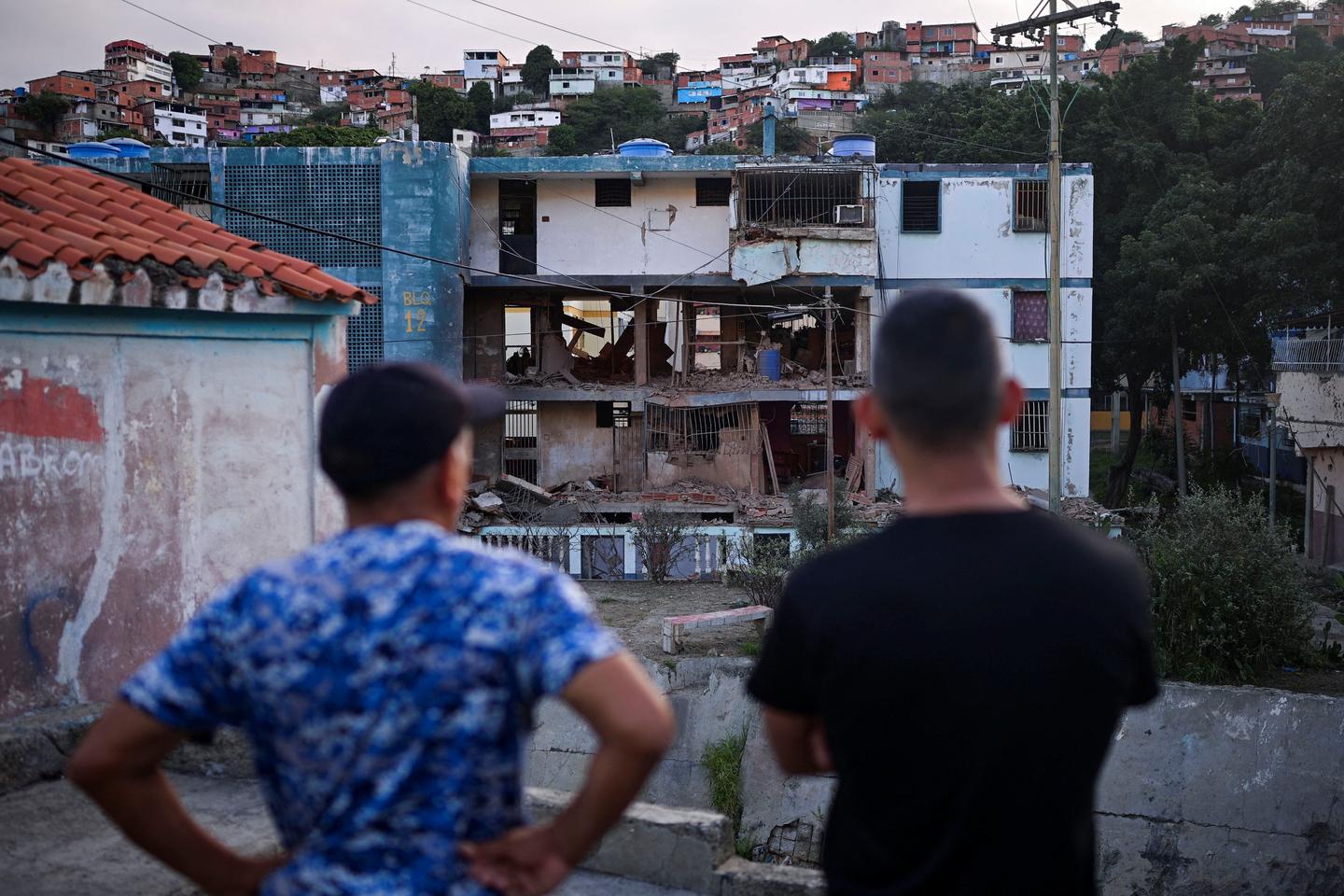
On the night of January 2 to 3, the US bombed Venezuela and abducted President Nicolas Maduro along with his wife, former president of the National Assembly Cilia Flores. US President Donald Trump has since announced that both would stand trial for offenses related to drug trafficking and weapons possession, and that the US would oversee Venezuela during a transitional period in which American companies could exploit the country's oil infrastructure. US Secretary of State Marco Rubio attempted to justify the lack of prior congressional consultation by describing the military intervention as a "law enforcement operation" aimed at "arresting two fugitives."
Regardless of whether it's described as a military or police operation, the intervention violated the founding principles of contemporary international legal order. Established in 1945, this order largely rests on the Charter of the United Nations (UN), with Articles 1 and 2 enshrining the "sovereign equality" of states, the rejection of force in international relations, and the promotion of peaceful resolution of disputes.