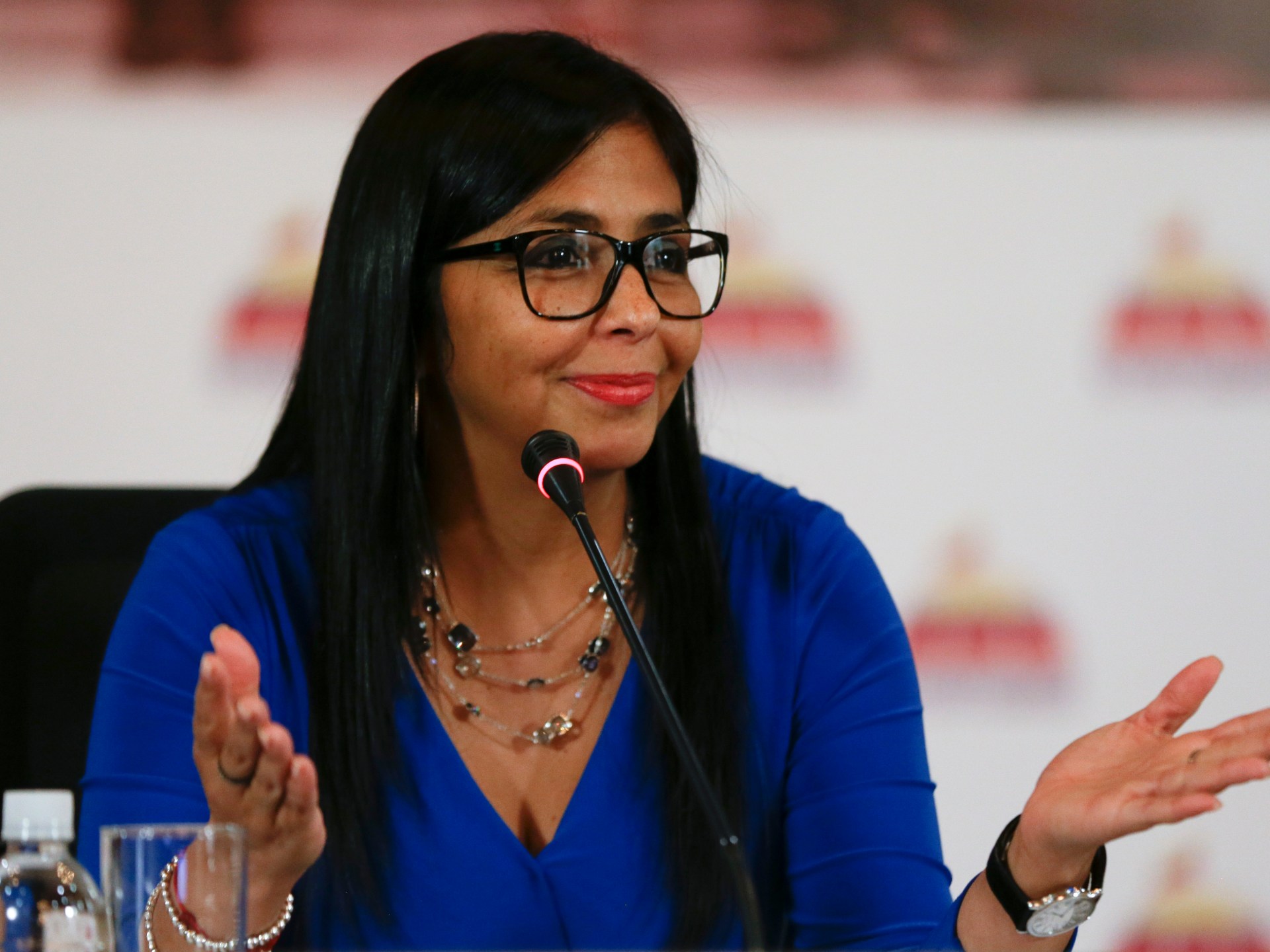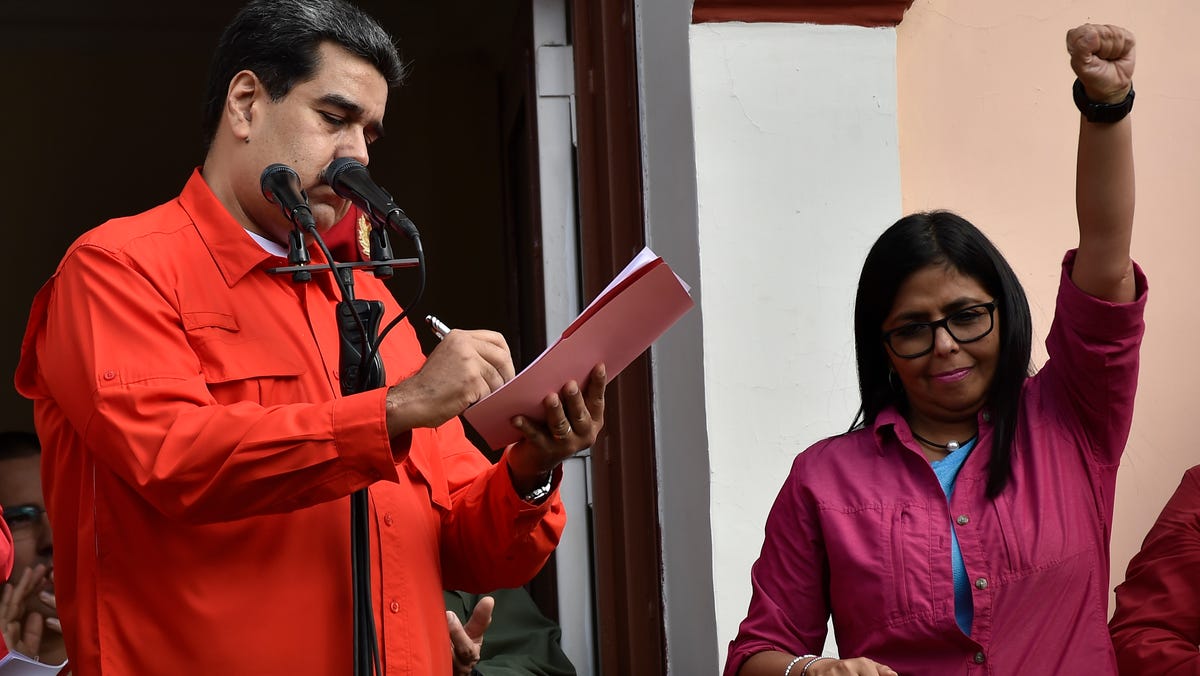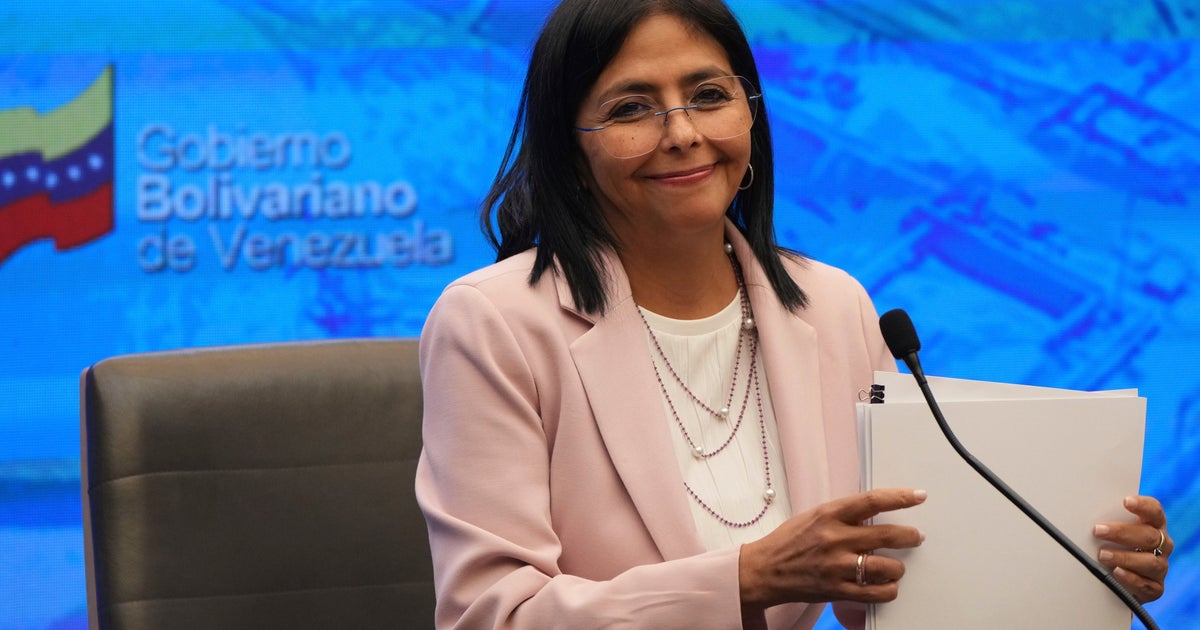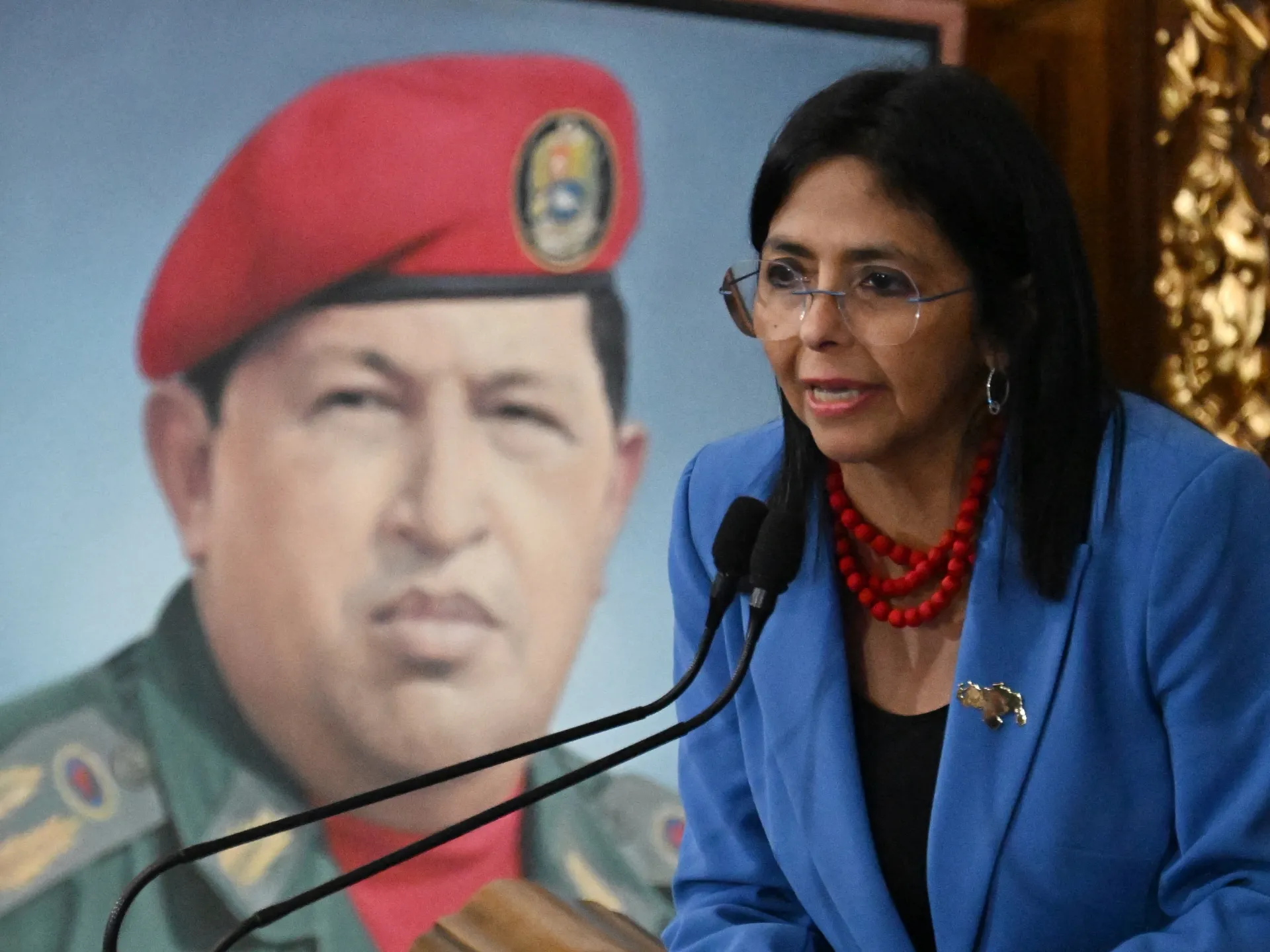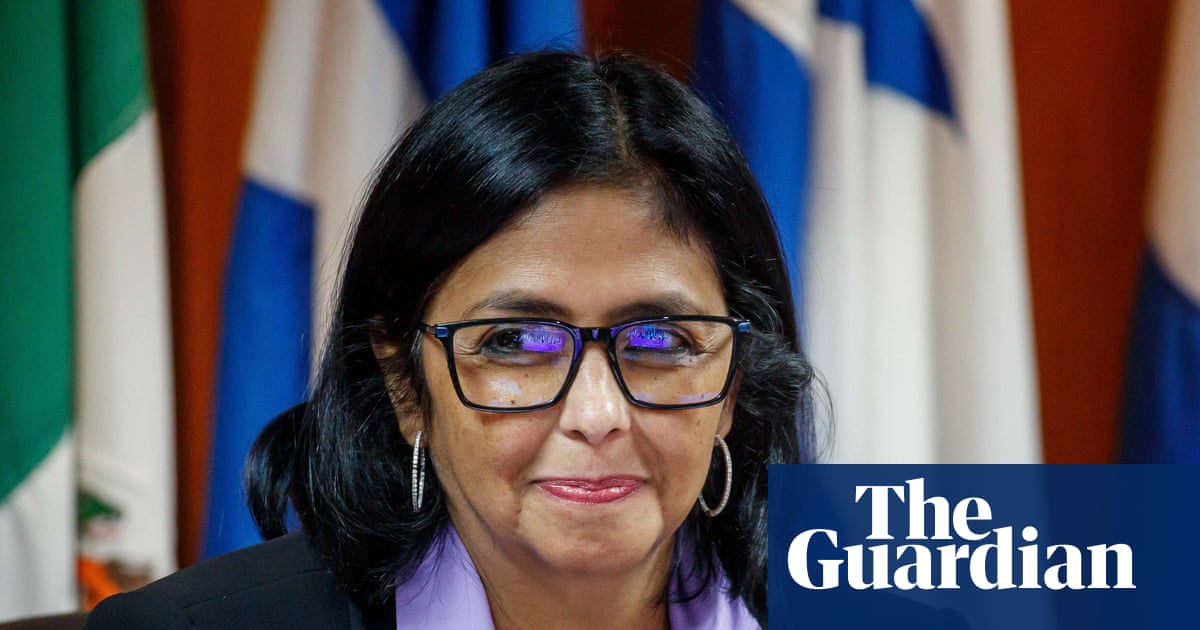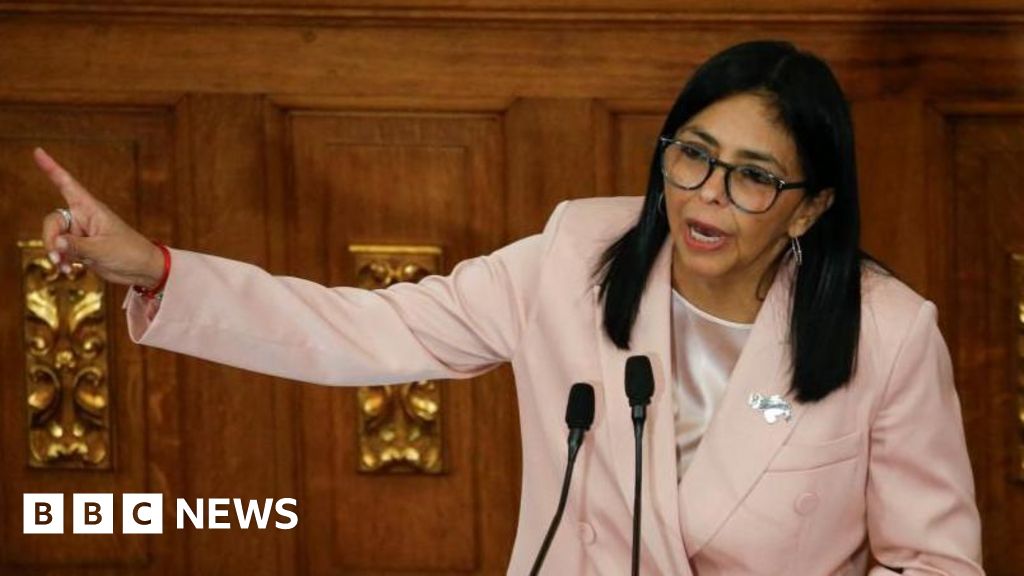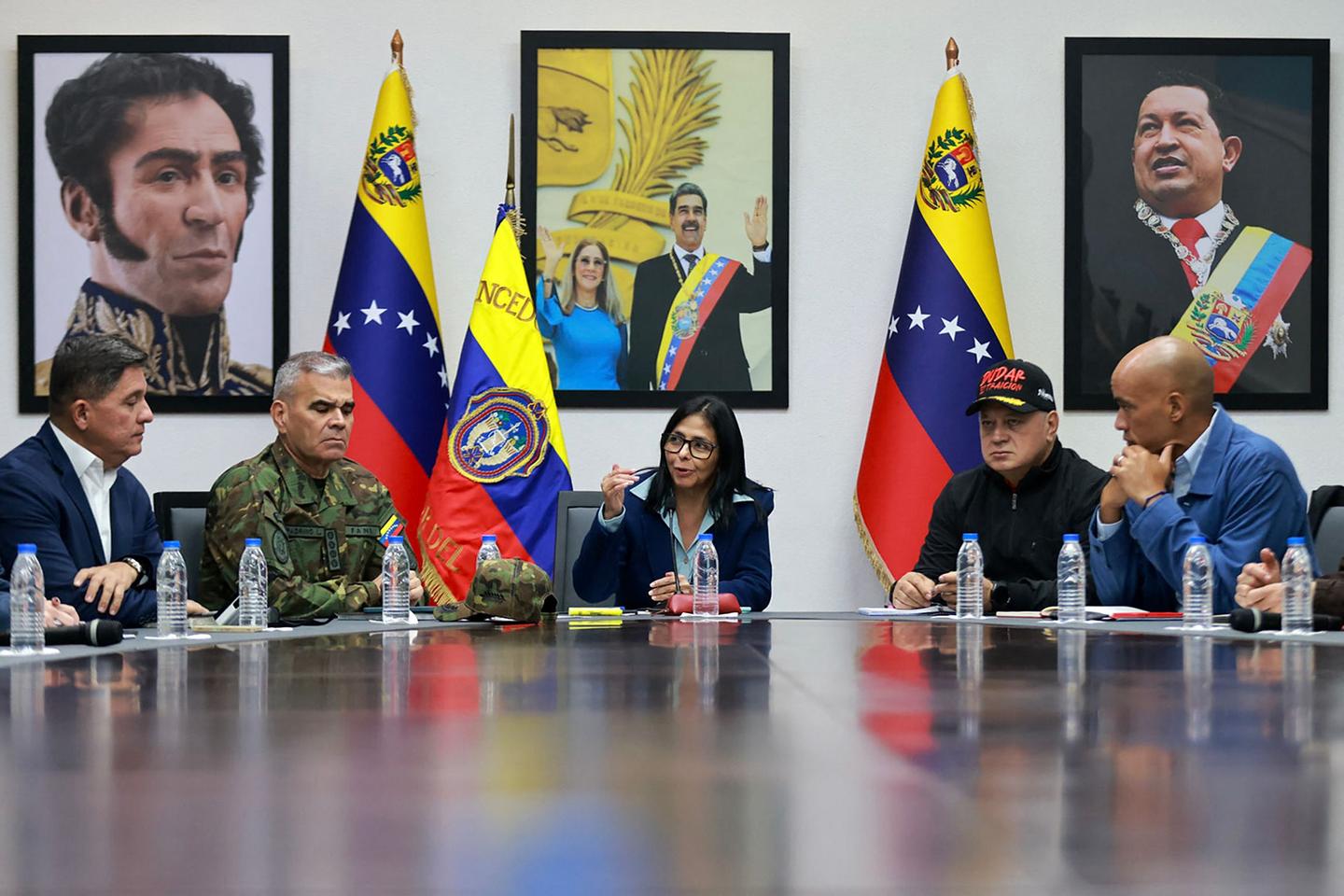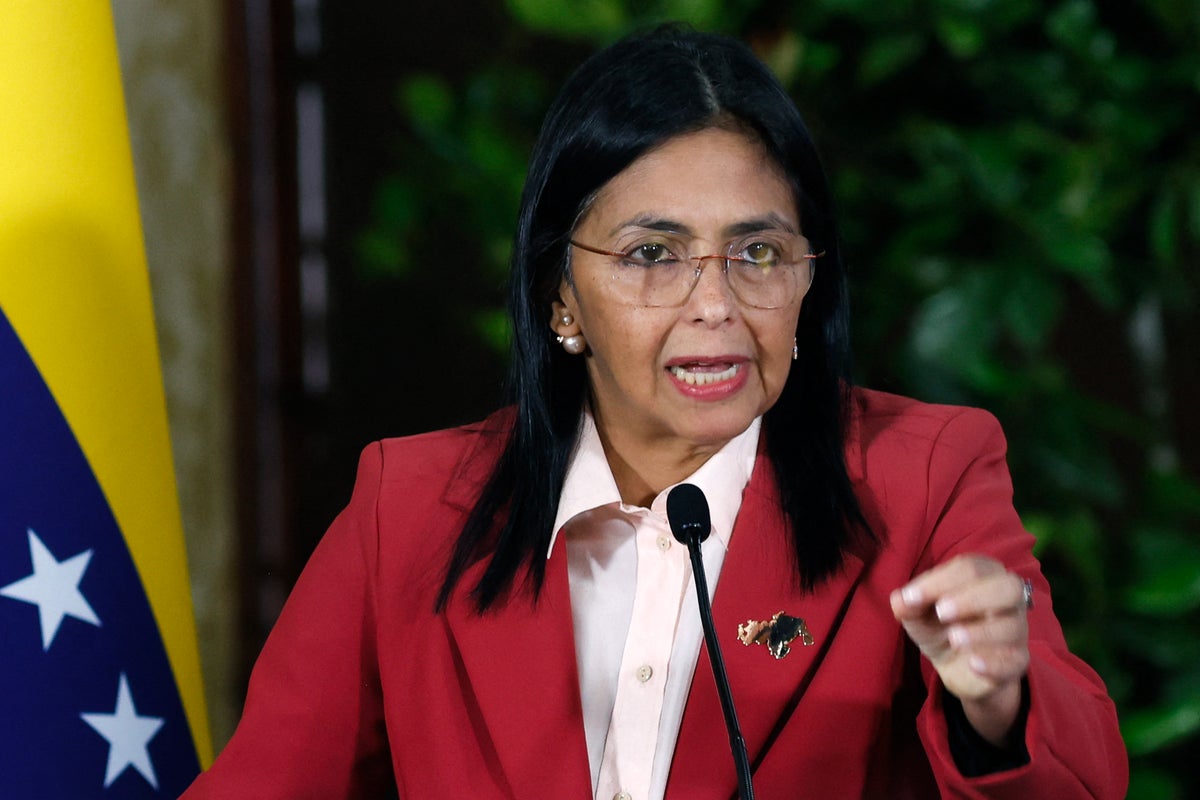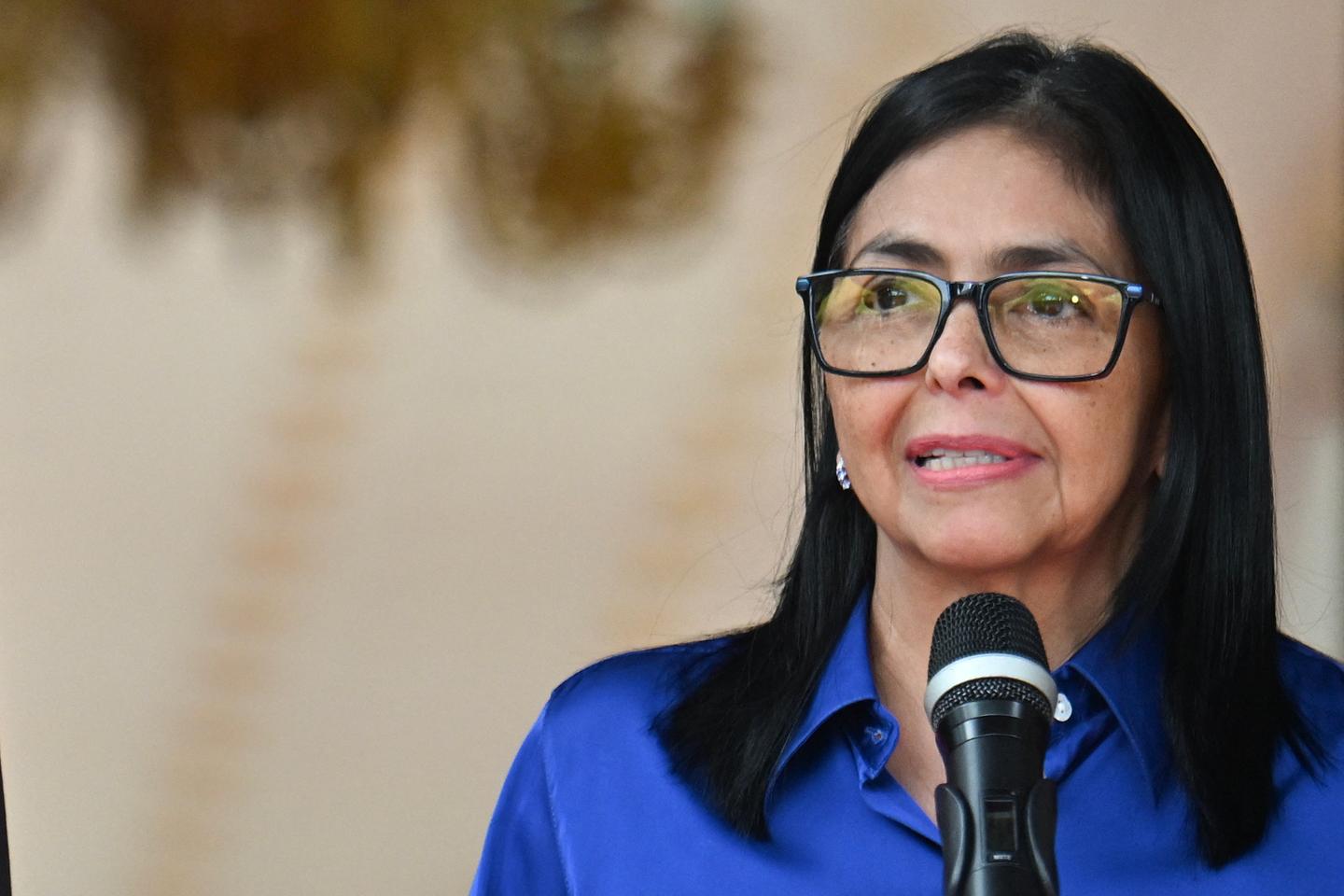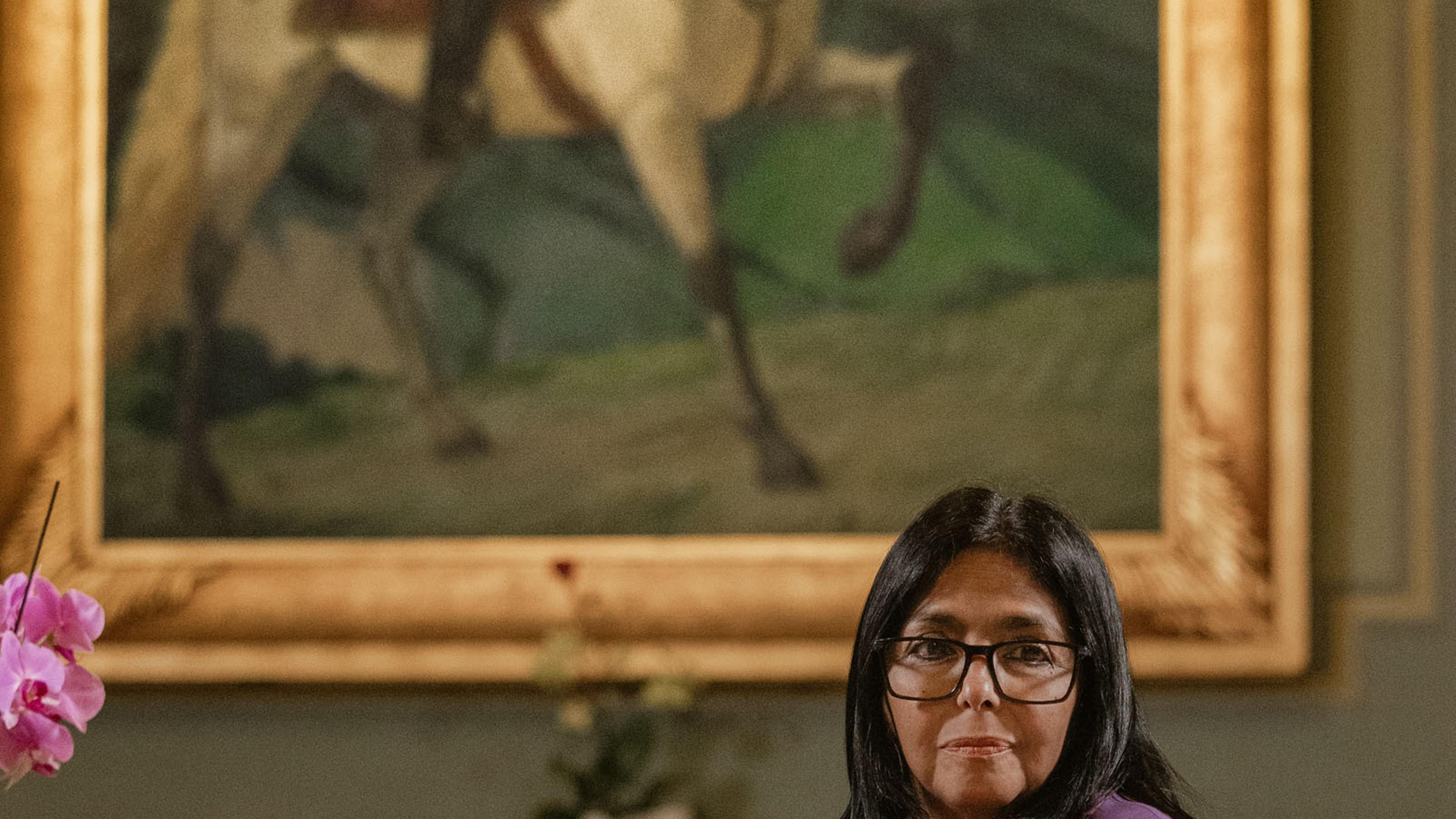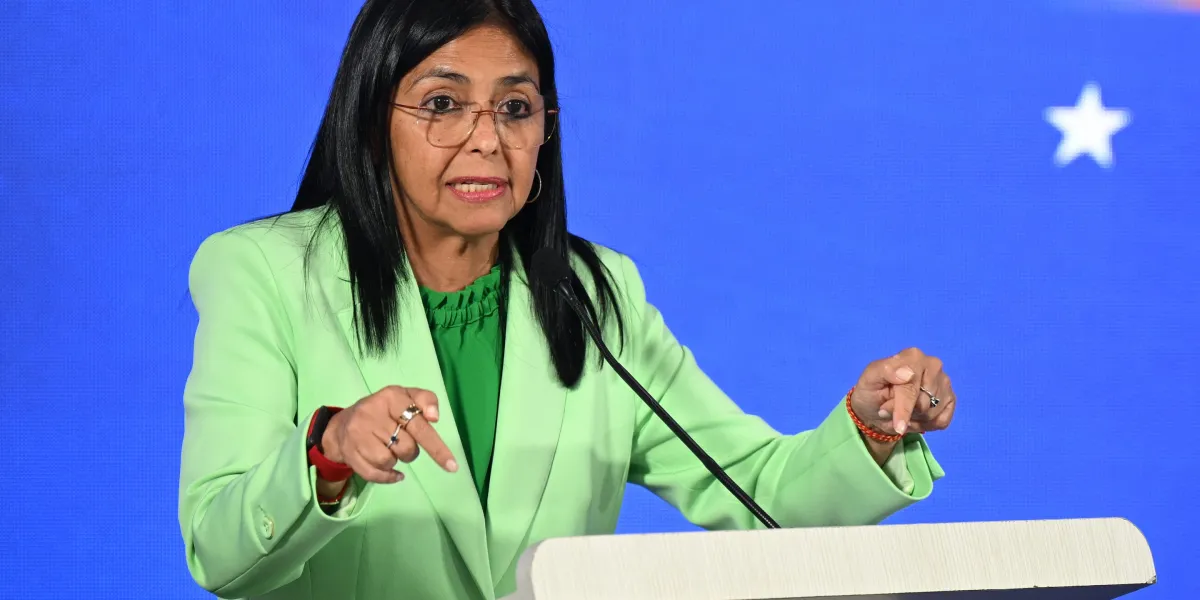
After the U.S. military arrested Nicolas Maduro and sent him to New York to face criminal charges, Delcy Rodríguez became Venezuela’s de facto leader and was identified by President Donald Trump as the key enabler of his policy.
During a press briefing on Saturday, he said “we’re going to run” the country to allow for a transition to new leadership, claiming Rodríguez is “essentially willing to do what we think is necessary to make Venezuela great again” and will take orders from the U.S.
But Rodríguez, 56, remained defiant, demanding the release of Maduro and saying Venezuela will never be a colony again. Trump then told the Atlantic that “if she doesn’t do what’s right, she is going to pay a very big price, probably bigger than Maduro.”
Iria Puyosa, a senior research fellow at the Atlantic Council’s Democracy+Tech Initiative and a former professor at the Central University of Venezuela, warned Rodríguez doesn’t appear to have support from all factions in the ruling party.
“Rodríguez cannot guarantee the stability required for the business operations Trump emphasized several times during his remarks on the operation,” Puyosa wrote in a blog post. “Chavismo no longer enjoys the widespread popular support it had two decades ago.”