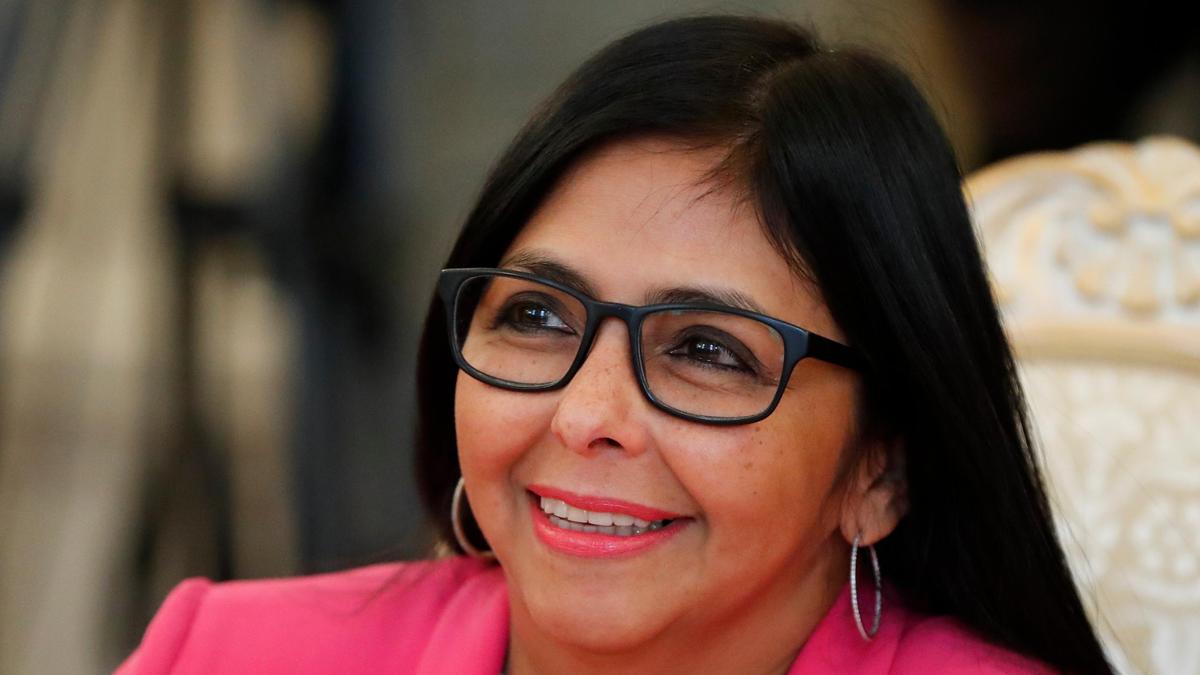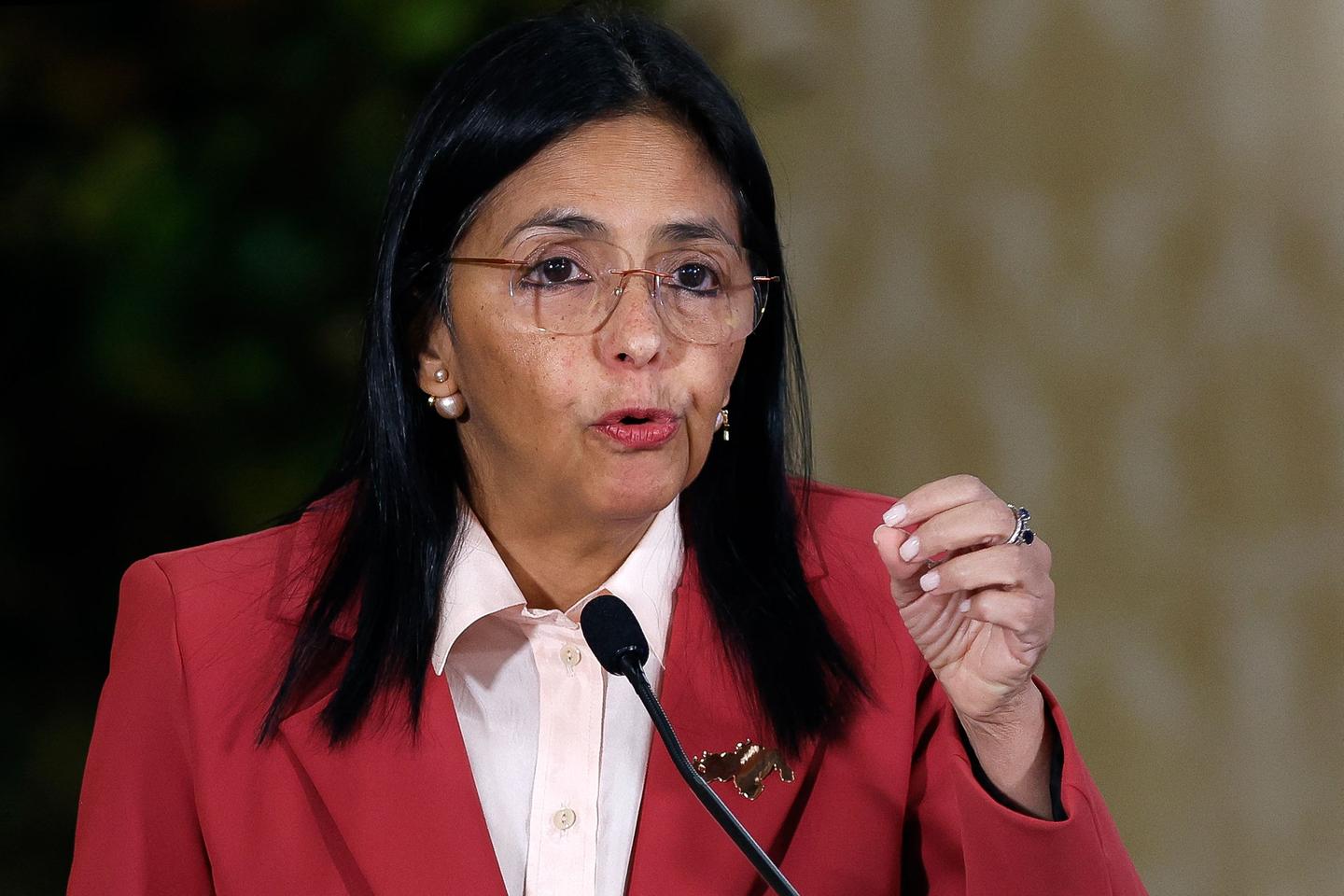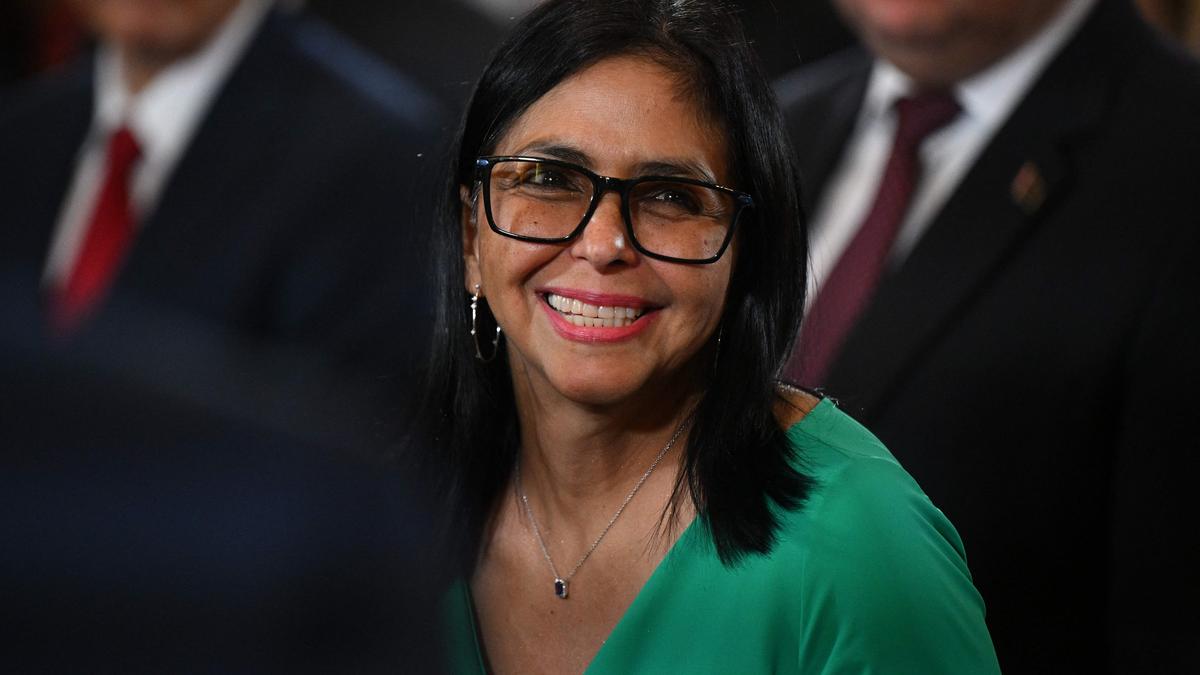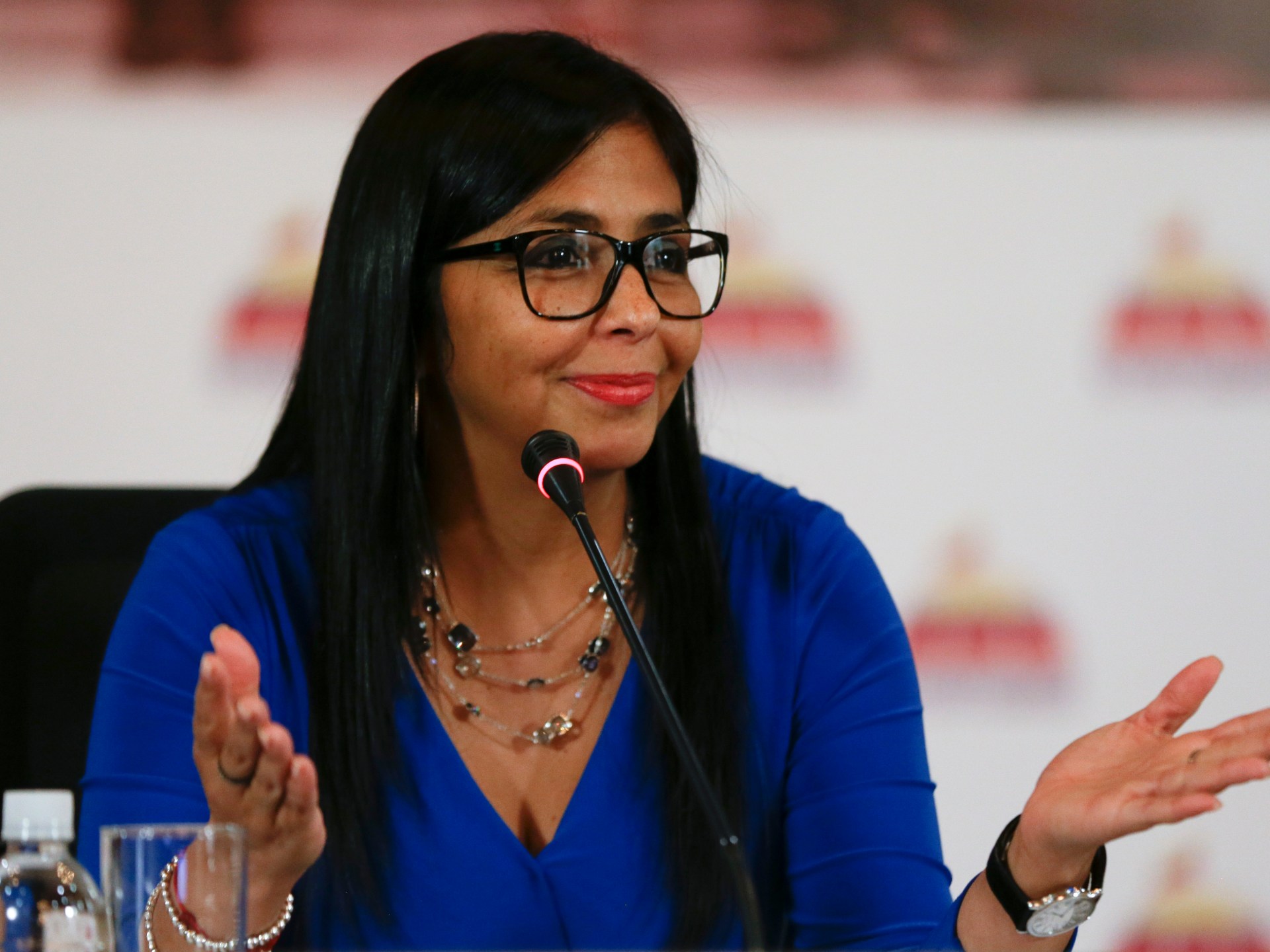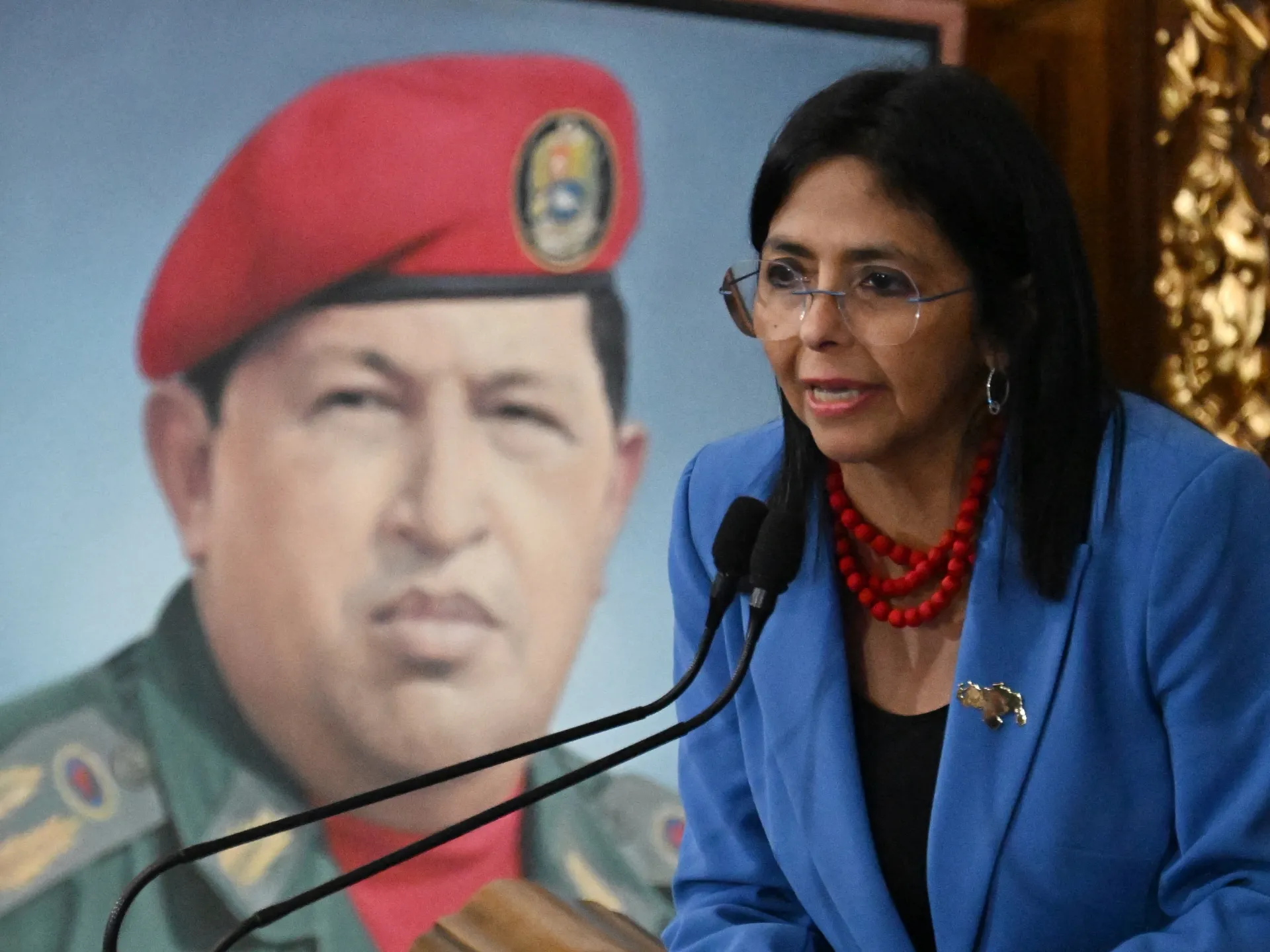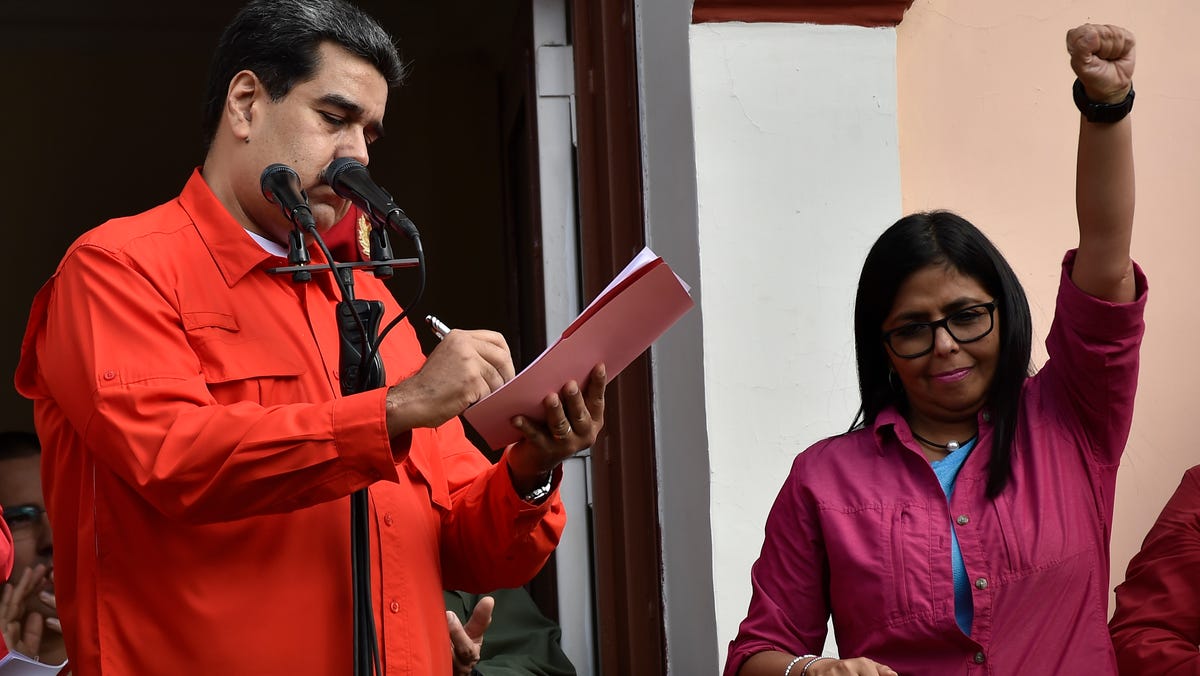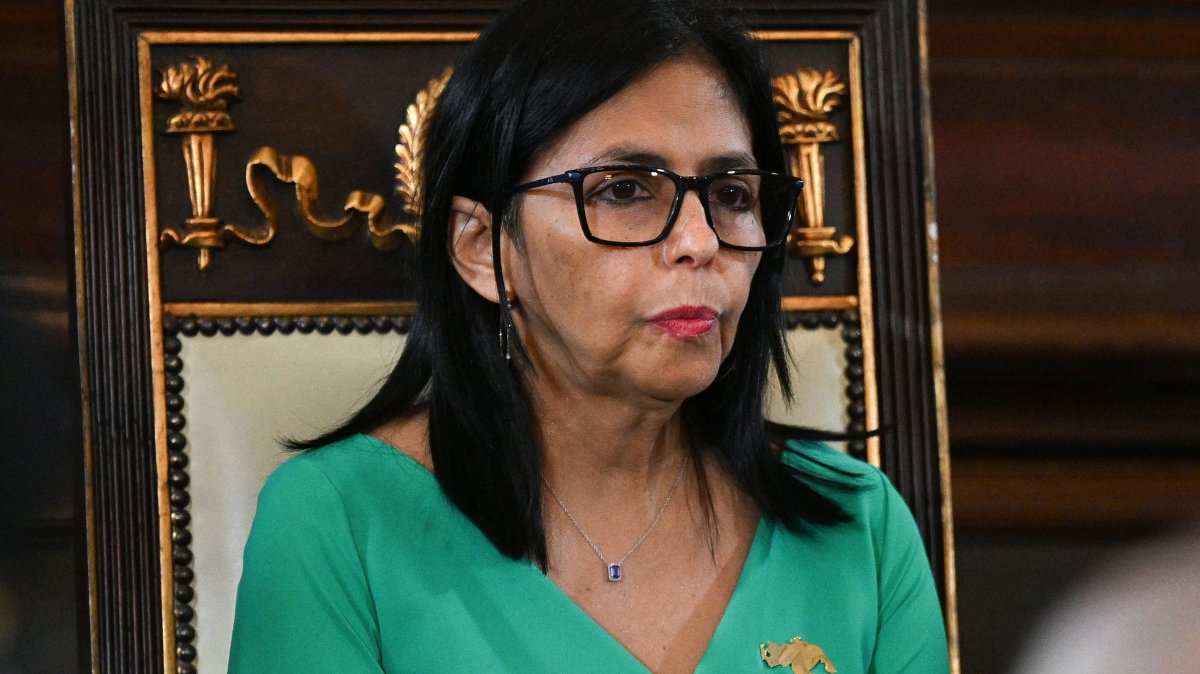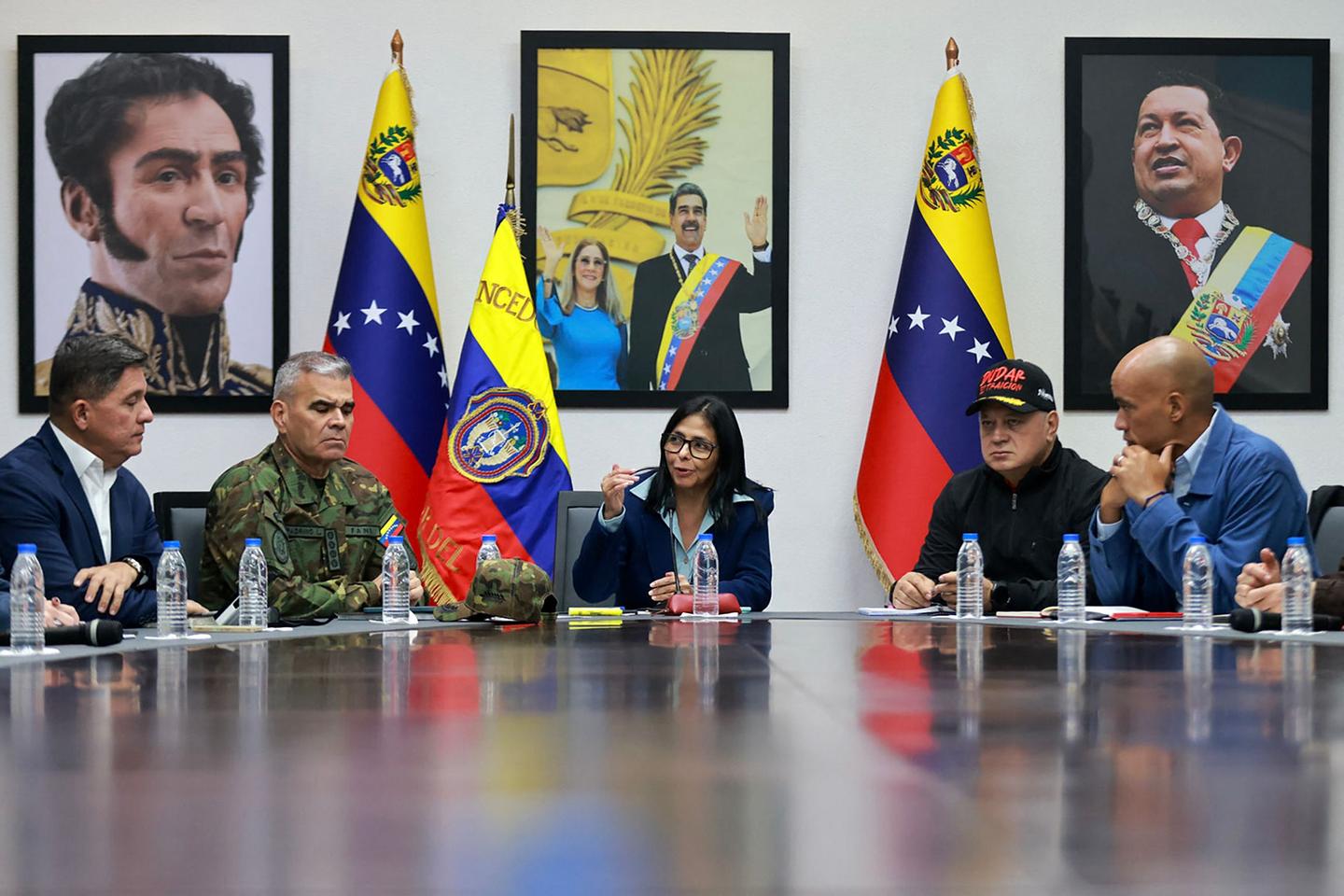
This photo, released by Venezuela's presidential press service, shows interim president Delcy Rodriguez (center) in a cabinet meeting in Caracas, on January 4, 2026. MARCELO GARCIA/MIRAFLORES PRESS OFFICE/AFP
Venezuelans awoke on Sunday, January 4, in a state of shock and disbelief, struggling to accept that the country had been subjected to aerial bombardment for the first time in its history, the day before. The streets of Caracas, which had been deserted on Saturday, began to show signs of life on Sunday, albeit slowly. The only truly busy places were the city's supermarkets and gas stations: As has become a habit whenever a crisis looms, Venezuelans went to stock up, anticipating possible shortages.
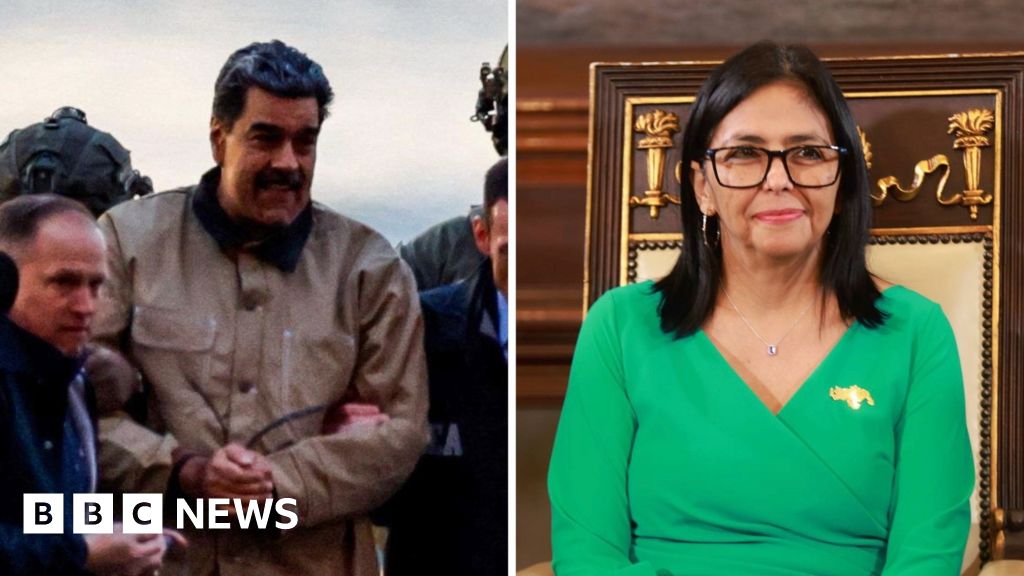
Calls by the regime figures to protest President Nicolas Maduro's abduction by a United States commando unit on Friday night only sparked scattered demonstrations. Maduro's son himself urged his father's loyalists to mobilize and take to the streets. On Saturday, the government called for armed resistance.
Pro-government armed civilian groups known as colectivos were deployed in several neighborhoods. Meanwhile, sporadic protests took place in rural areas, such as in the northern Venezuelan state of Yaracuy, where Governor Leonardo Intoci posted videos of himself brandishing an automatic weapon or addressing demonstrators on Instagram. Yet, overall, Venezuelans remained at home.