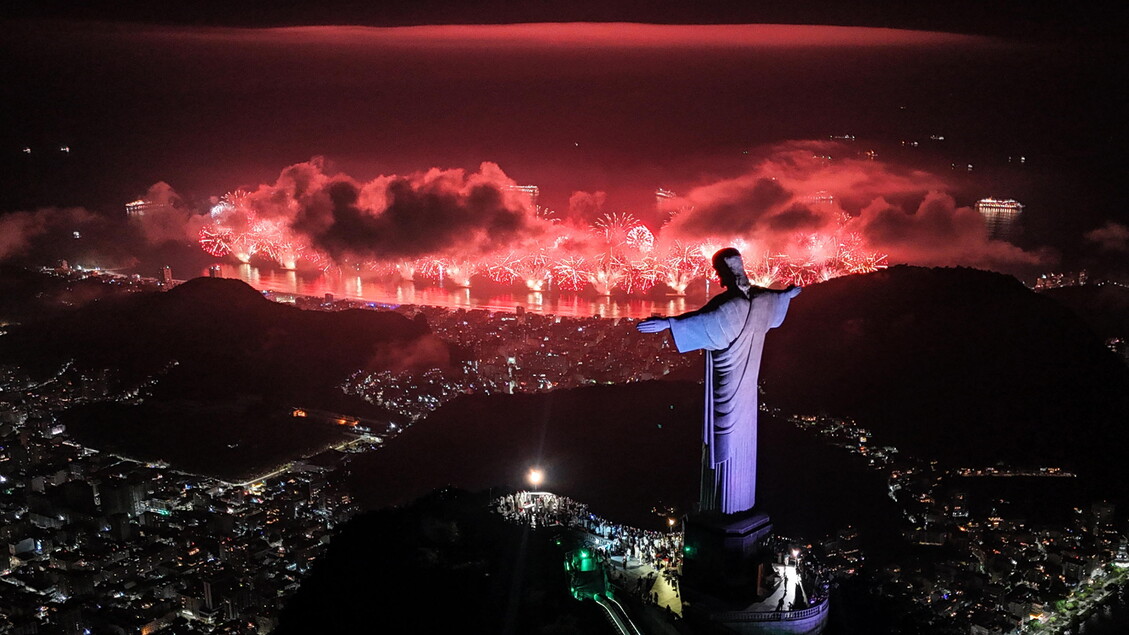
From Copacabana Beach in Rio de Janeiro, Brazil, January 1, 2026. TERCIO TEIXEIRA / AFP
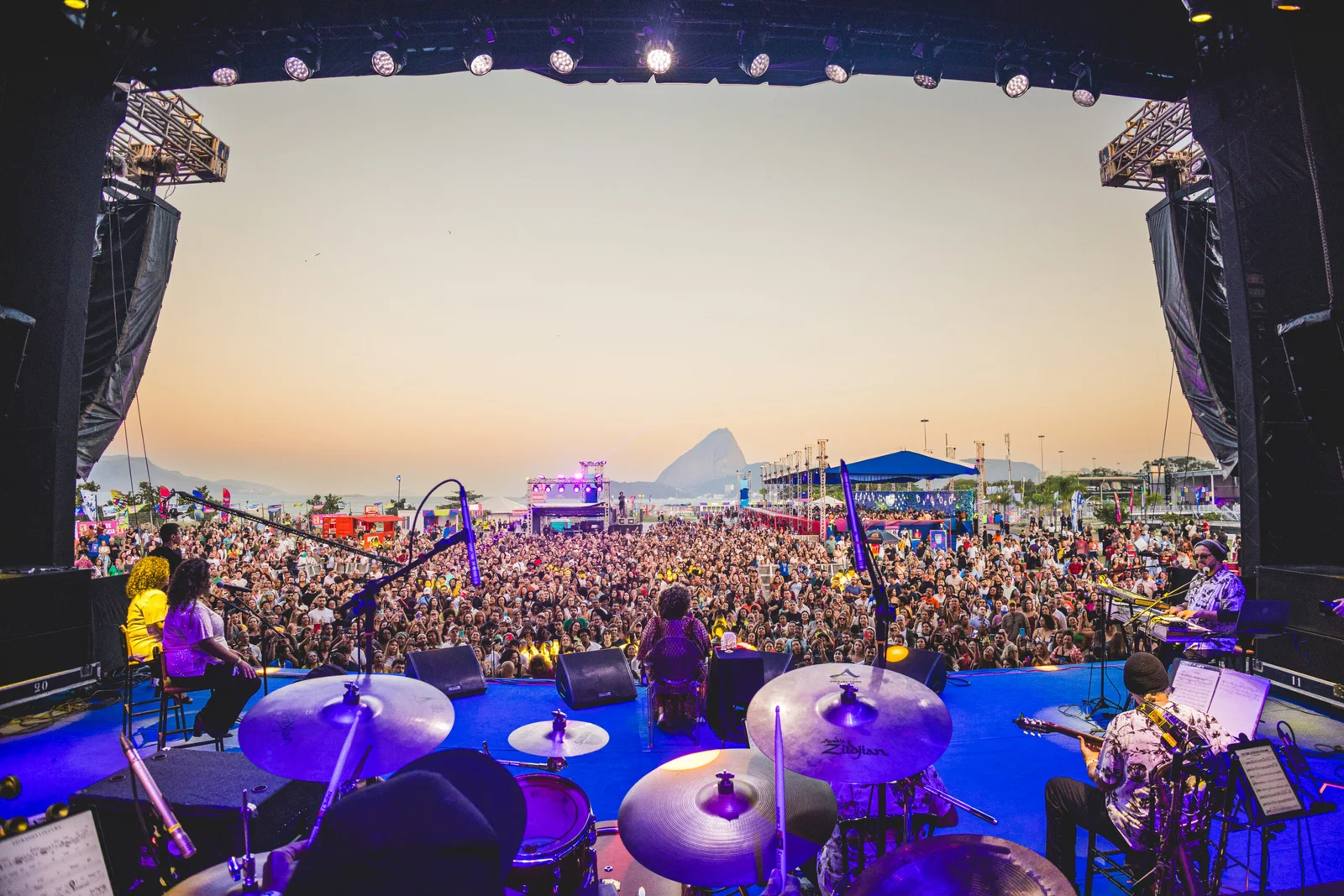
There is a tradition in Rio de Janeiro on New Year's Eve: Everyone wears white. But this year, a particular controversy marred the festivities. Of the 13 concert stages set up throughout the city by the local government, which is eager to maintain its reputation as "the world's biggest New Year's Eve party," one was reserved for gospel music, which is associated with evangelical worship.
This move has fueled criticism ahead of the race for the governorship of the state of Rio, for which the highly popular Mayor Eduardo Paes (Democratic Social Party, center right) has openly shown his desire to run. With this in mind, the mayor has made numerous overtures to evangelicals, who make up 32% of the state's population.
Paes was previously an opponent of former far-right President Jair Bolsonaro during his term, as well as a public supporter of the reelection of Luiz Inacio Lula da Silva (Workers' Party, left) in 2026. Although Paes is considered a progressive, recently, he has appeared alongside some of the most reactionary figures in the evangelical movement, such as Pastor Silas Malafaia, a close ally of Bolsonaro. "If you go after Silas Malafaia, you go after me!" warned the mayor at the pastor's birthday in September 2025.