https://arab.news/jnkgm
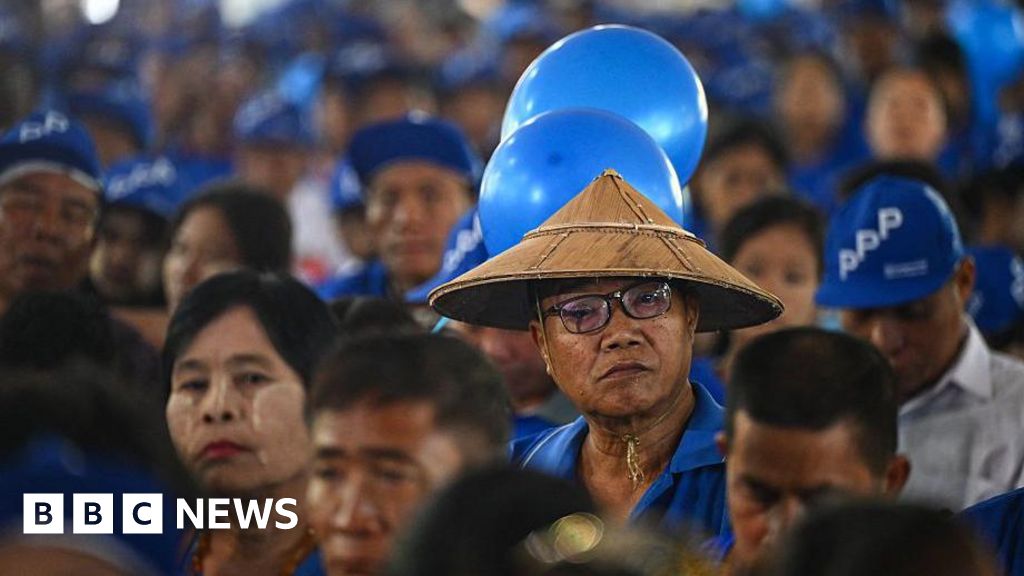
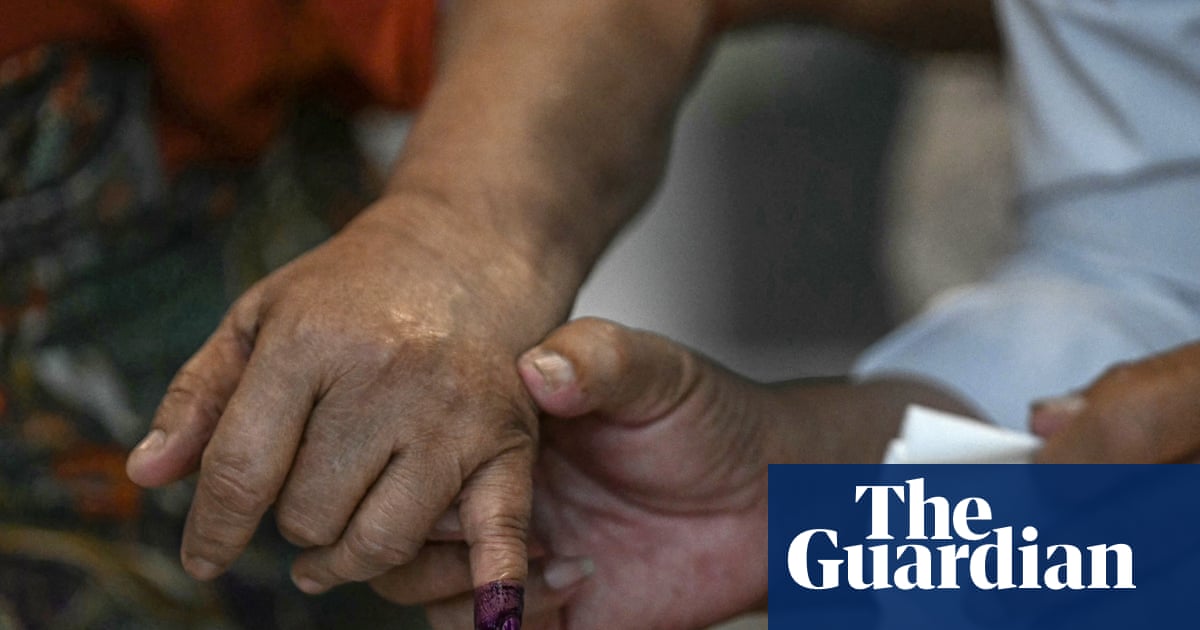
Myanmar’s ongoing election has drawn predictable condemnation as a hollow exercise staged by a regime that seized power by force. Yet focusing only on the ballot risks missing the far more consequential political act now underway. The junta’s accelerated nationwide census will determine who exists politically in Myanmar’s future and who does not. For the Rohingya and for millions of displaced people across the country, being excluded from that count could lock in erasure long after the last vote is cast.
Elections come and go. Censuses endure. They shape representation, citizenship, land rights, public spending and the legal architecture of the state for decades. In Myanmar’s context of mass displacement and territorial fragmentation, a census conducted amid civil war is not a neutral technical exercise. It is an act of power. It defines whose presence is recognized and whose absence becomes permanent.
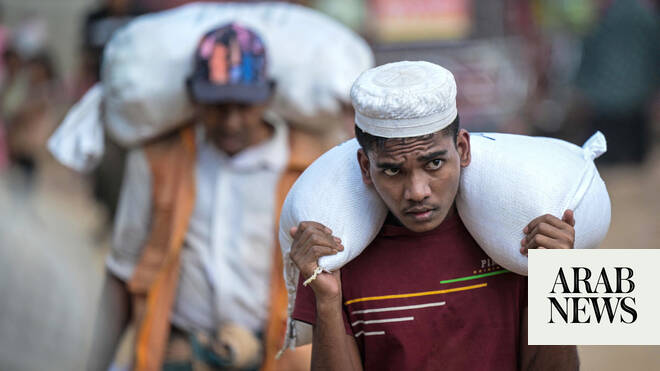
The authorities are pushing ahead with enumeration even as large swaths of the country remain outside their control and entire communities have been driven from their homes. According to UN estimates, more than 3 million people are internally displaced, while over a million Rohingya remain stranded in refugee camps in Bangladesh. A census that counts only those accessible to the state will inevitably undercount minorities, border populations and anyone forced to flee. That is not a statistical problem. It is a political outcome.