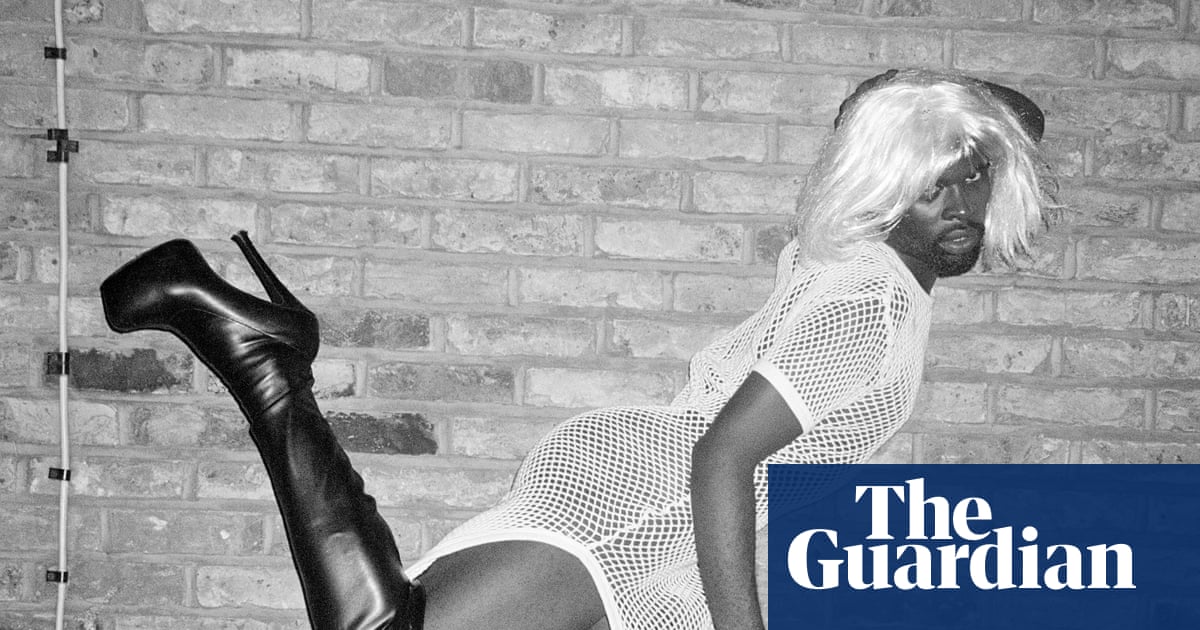
Led by Māori and Pasifika queer communities, the counterculture has gone from performing in lounges and clubs to Wellington’s national museum
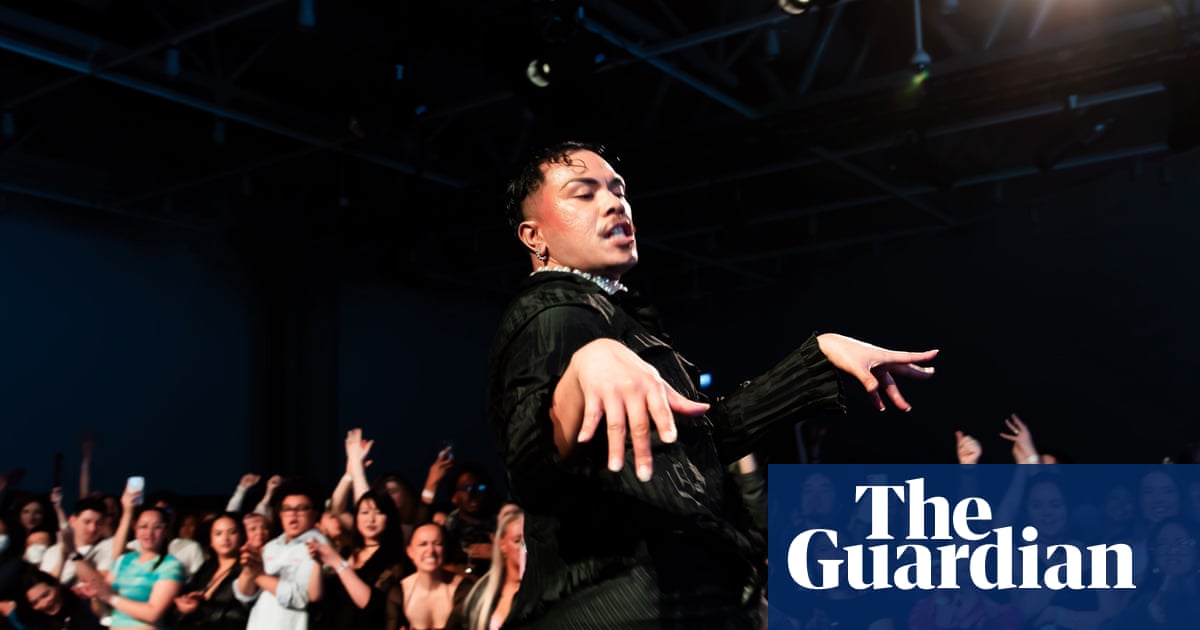
In a large gallery at New Zealand’s national museum in Wellington, a 600-strong crowd cheers ecstatically as a group of fabulously dressed performers take to the stage.
In impossibly high heels, the predominantly Māori and Pasifika (Indigenous people of the Pacific Islands) performers twist their arms into geometric forms and spiral to the ground, contorting their bodies into outstretched shapes. Other performers parade their highly stylised costumes, while some embody the struts, poses and attitudes of supermodels.
A panel of judges preside over the show like royalty – if they like what they see, they’ll hand out “10s across the board”, if not, you’re “chopped”.
This is a vogue ball, a form of performance and self-expression developed by a queer Black and Latinx subculture in 1960s Harlem that has found life in New Zealand’s Māori and Pasifika queer communities and is now winning over the mainstream.