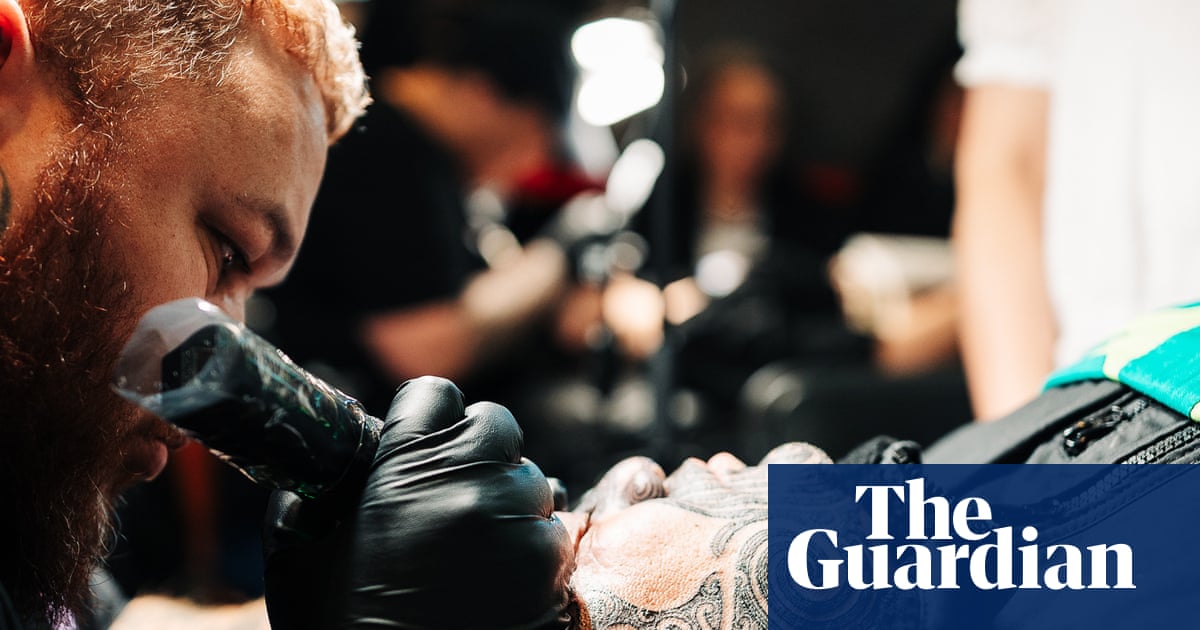
New research examines how traditional artists worked as revitalisation efforts see tā moko – Māori tattooing – become more visible in New Zealand
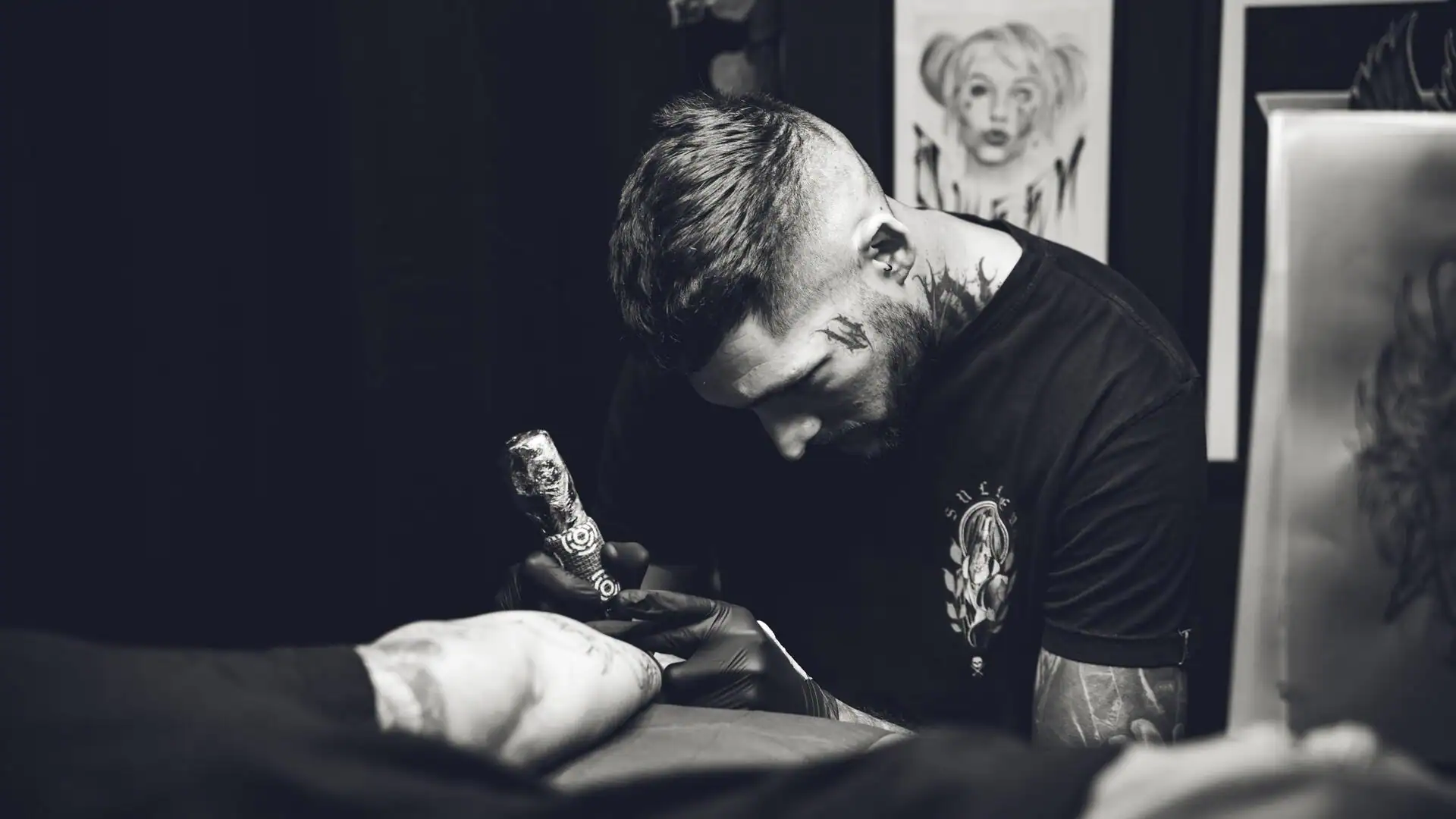
In New Zealand’s national museum, master Māori tattoo artists painstakingly apply ink to the faces of eight men and women as a large crowd watches on.
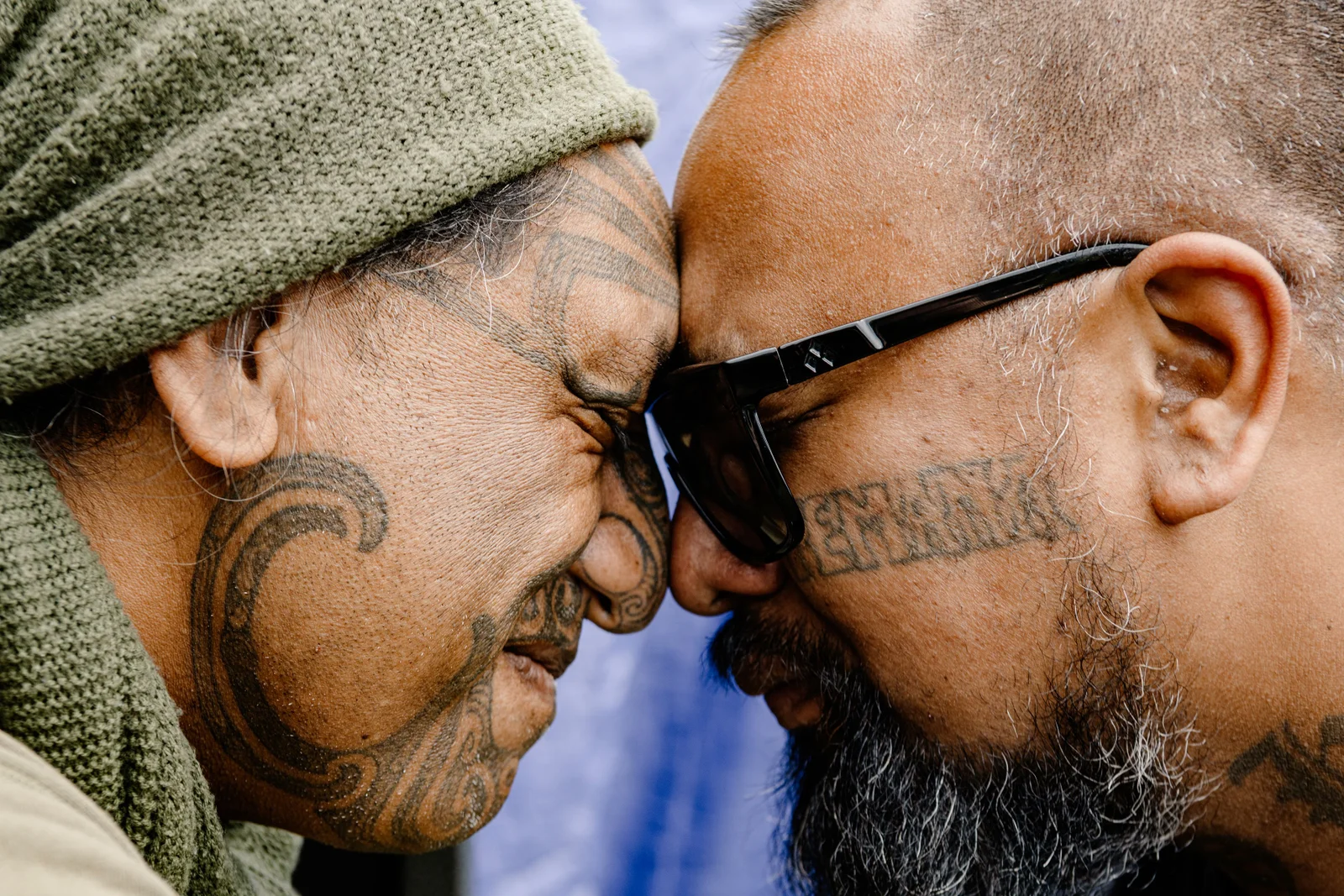
Thin lines spiral over the men’s cheeks, dipping towards the jaw and up over the forehead, while lines curl around the women’s chins – each mark telling the story of its wearer’s identity, lineage and experience. Surrounding them are their families, who sing and grip their hands as they lay still under the needle and weight of the sacred – and usually private – ceremony.
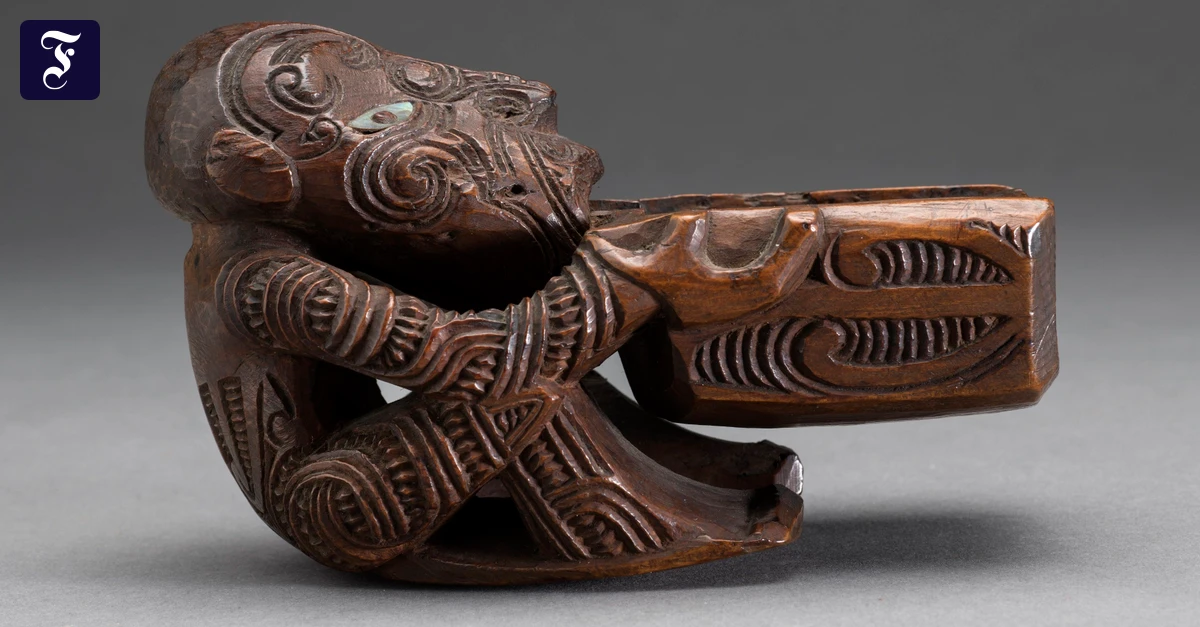
The artists are in the process of creating tā moko – traditional Māori tattoo – which has become increasingly visible in New Zealand. The ceremony held this month was opened to the public to mark new research that examined ancient preserved Māori heads, or toi moko, for insights on how traditional tattoo masters worked. Over three days, hundreds of people gathered to witness the rare event.
“Our people have taken up moko by storm,” says Tamahou Temara, the general manger for arts organisation Toi Māori Aotearoa.