Her voice soundtracked the 60s and 70s, but the revolution silenced her. The legendary singer finally has her say in this uneven memoir
I
f you ask any Iranian to name the most important female pop star in our country’s history, they’ll say Googoosh. Nobody else comes close. Over six decades of revolution, suppression and exile, Googoosh has gone from singer to cultural icon, a symbol of a country’s grief for its murdered, imprisoned, and muzzled artists, and a living link between pre-revolutionary Iran and the diaspora.
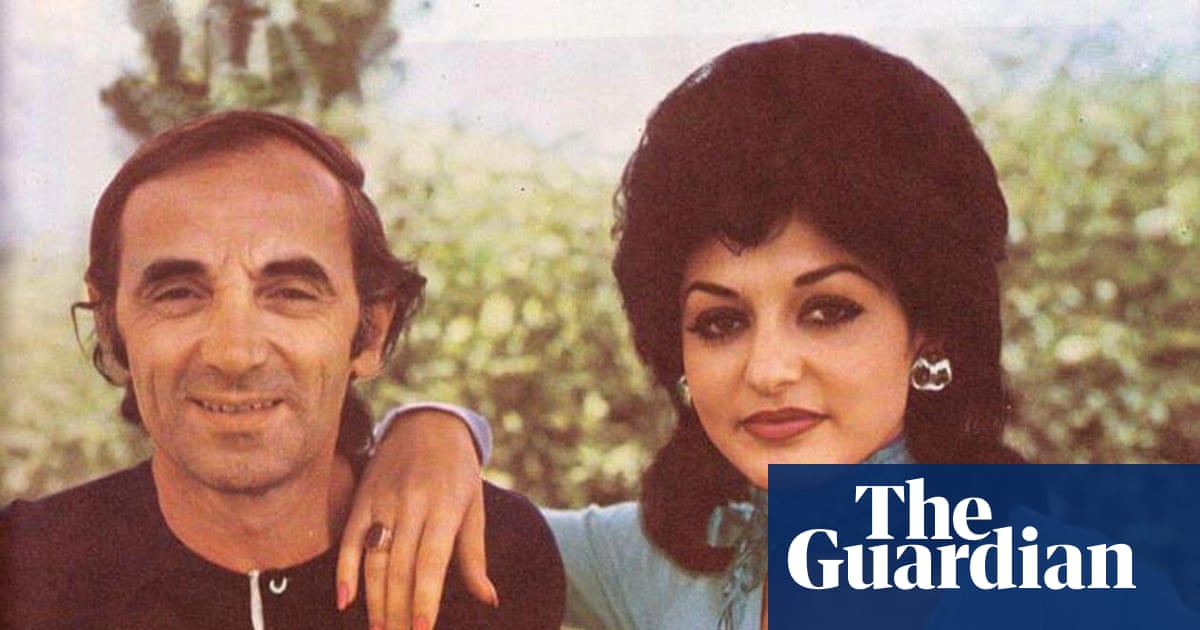
Googoosh was just three years old when she started singing in small halls and cabaret venues where her father worked. By her teens she was a film actor and a fashion icon. In the 60s and 70s, when my mother was a teenager, Googoosh was everywhere: on television, in films, magazines, on the radio. She kept recreating herself – her style, her moves, her hair. (My mother and many of her university classmates copied Googosh’s famous wispy haircut.) For a while, this bold, creative young woman shaped how westerners saw Iran, and how a generation of Iranian women understood modernity, femininity and public life.
Then the 1979 revolution arrived, and cultural crackdowns pushed secular art and music underground. In 1980, Googoosh was arrested and (along with other singers and actors) banned from performing, recording or appearing publicly. She withdrew into private life, but her songs continued to circulate underground, and my generation played her music just as much as our parents had: to dance, to grieve, to fall in love. I listen to Nafas on repeat after every heartbreak, or when I just need a big, dramatic cry. Even after she went quiet, Googoosh was the emblem of a lost Iran, its joyful culture, rich artistic history, and its bold, powerful women.