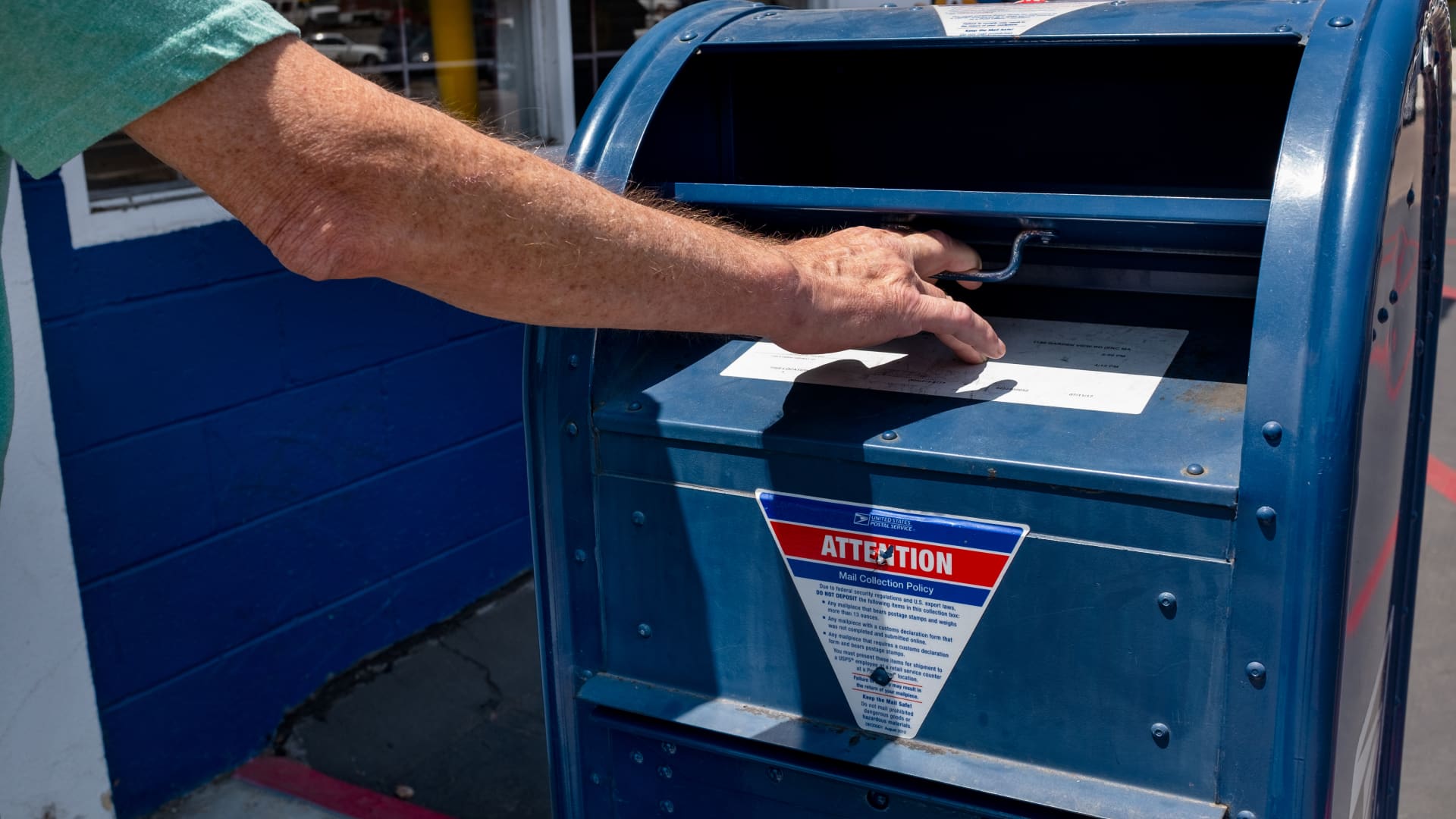
The U.S. Postal Service is making new changes in 2026, including adjustments to the postmark process, which could result in late fees and penalties for anyone mailing time-sensitive documents such as tax returns or bill payments.
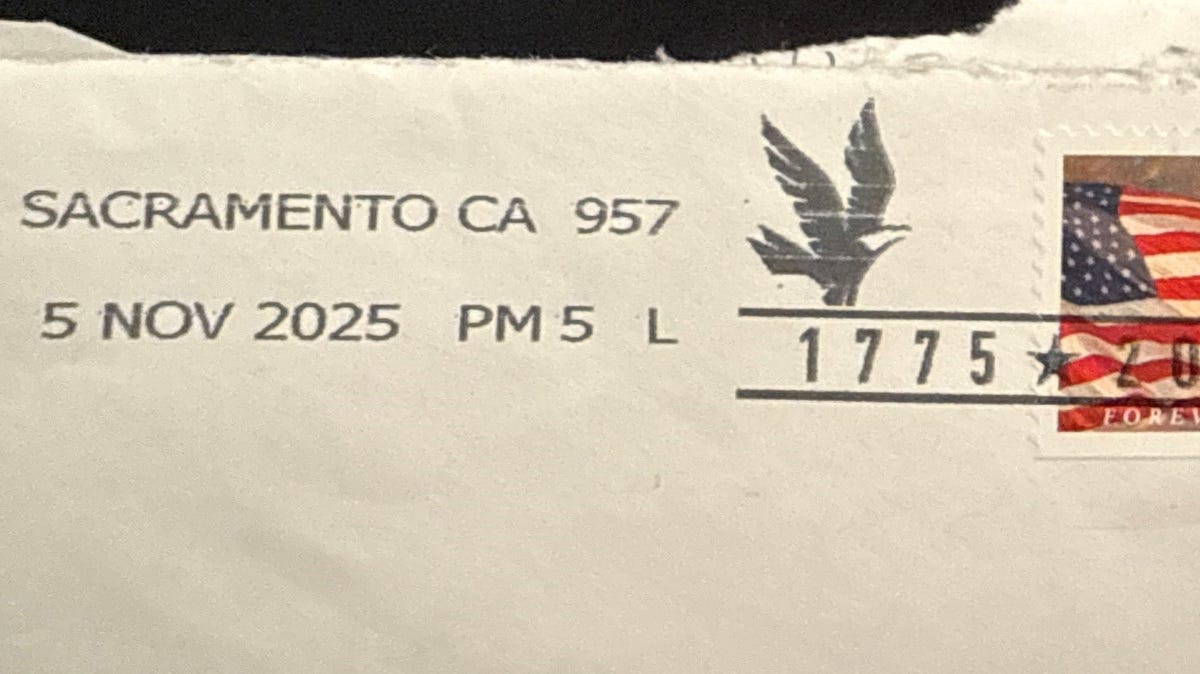
For decades, the postmark – an official mark that shows where and when mail was accepted by the Postal Service – has been used in law as proof that an individual met a deadline, such as submitting a ballot by Election Day.
A USPS postmark used to indicate the date when mail was dropped in a mailbox or submitted at the post office counter. Now, USPS is clarifying in a new rule that the postmark will reflect the date an envelope is first processed by an automated USPS sorting machine, potentially days after it was dropped off – not the actual drop-off date.
Changes to USPS are part of its Delivering For America initiative that includes consolidation of mail processing and modernizing infrastructure to fit a time when the volume of paper letters is dropping and the number of packages is increasing.
For a long time, Americans have assumed that mail will be postmarked the day it is mailed and may not be prepared to account for the extra days.