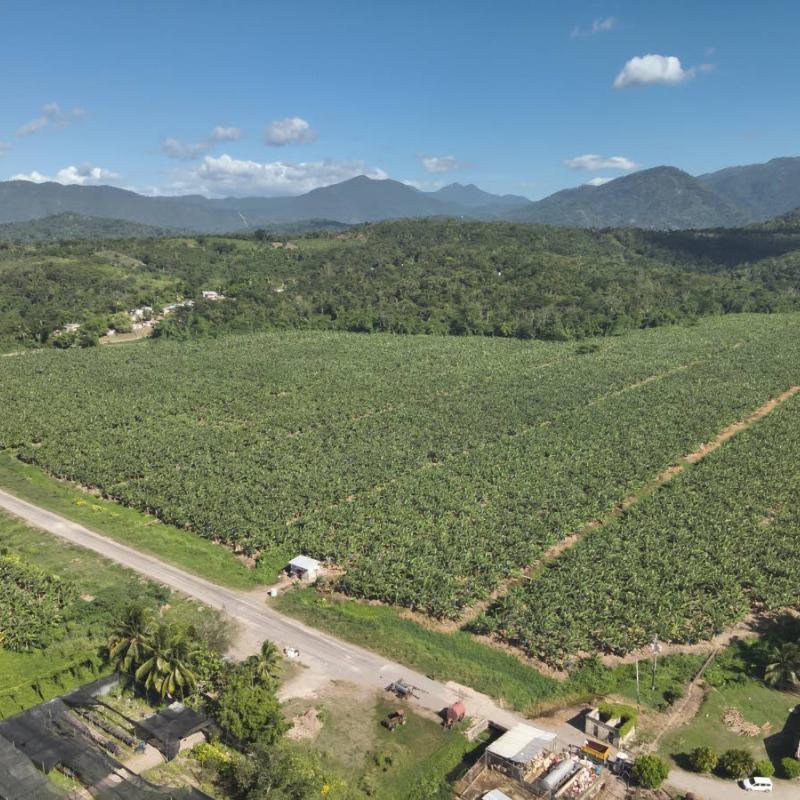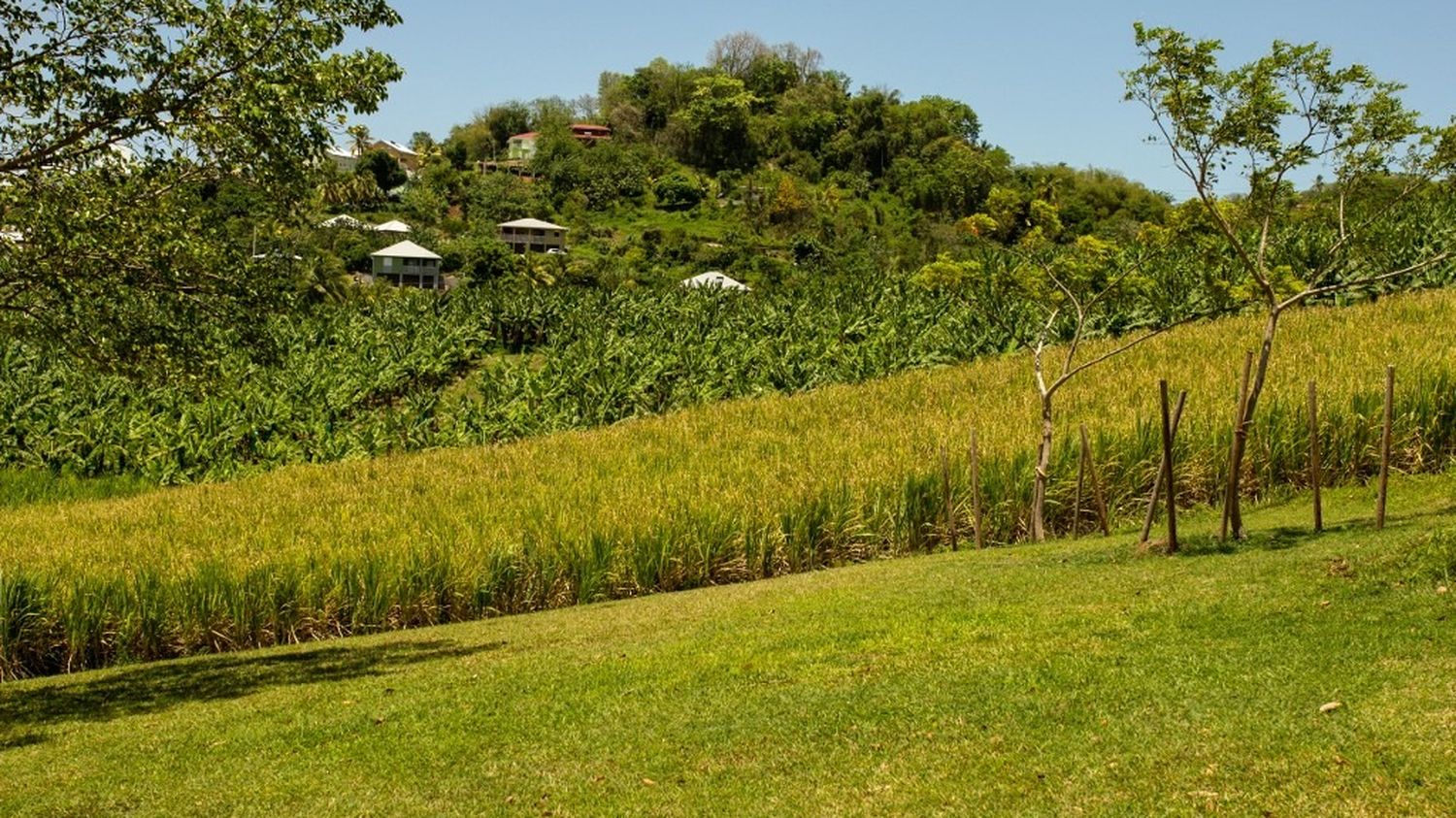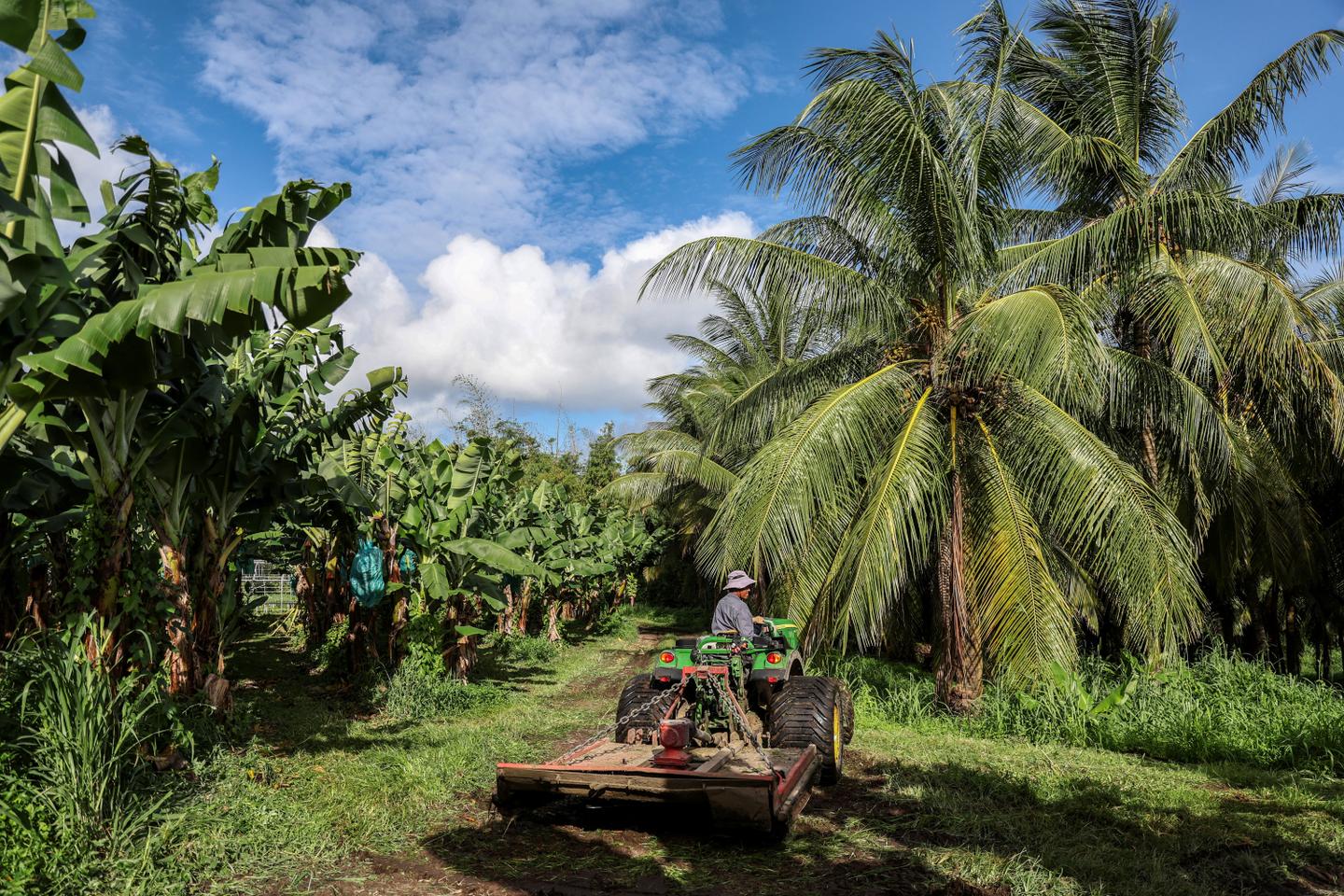
On a banana plantation in Basse-Pointe (Martinique), November 24, 2022. CHARLY TRIBALLEAU/AFP
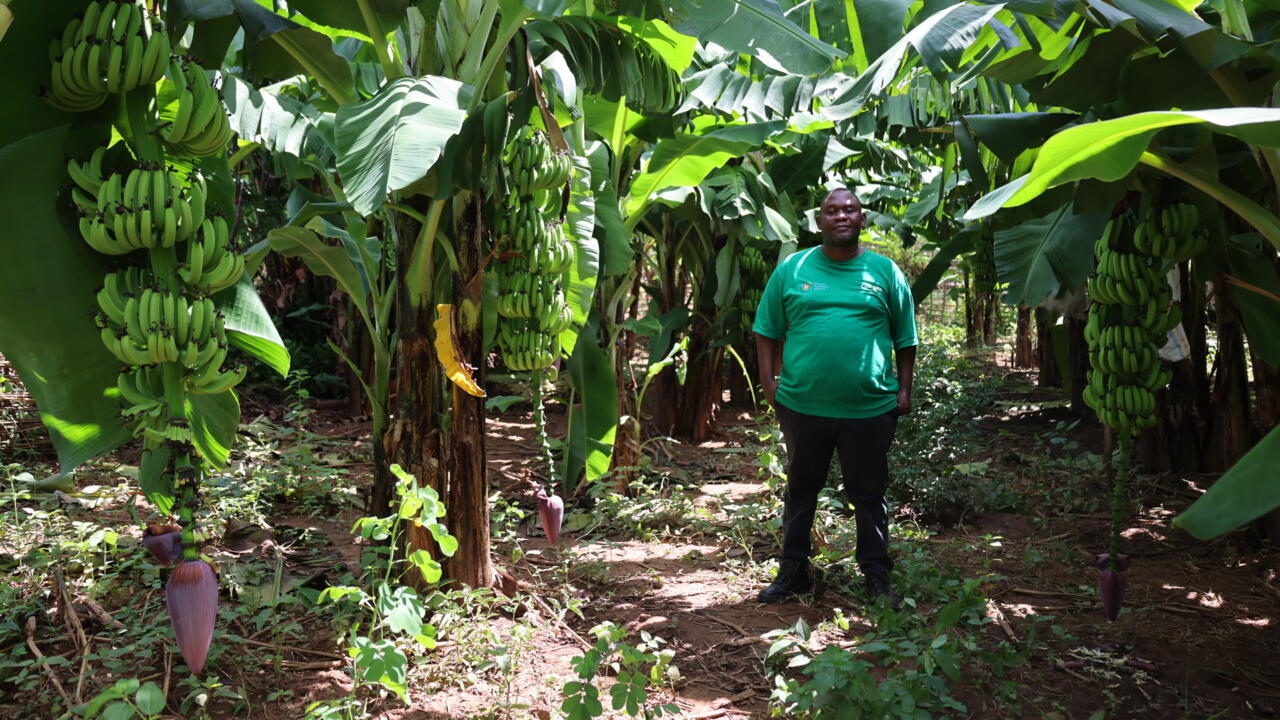
"I planted trees on my fallow land: In 15 months, they'll be four meters high," said Jairo Marin, smiling from the driver's seat of his pickup truck as he pointed to a plot covered in tall grasses, flowering shrubs and acacias on his banana farm in Capesterre-Belle-Eau – a major center for banana cultivation in the volcanic south of Guadeloupe. The 60-year-old farmer, owner of this 65-hectare estate, seemed as proud of his overgrown plots as he was of his rows of banana trees.
"It's improved fallow," explained Marin. During the roughly 15 months between two generations of banana plants, the plots are covered with selected plants chosen for their root systems, to improve the soil's porosity and fertility. "It's regenerative agriculture," continued the affable farmer, who is originally from Colombia and now lives in Guadeloupe after several years running a farm in Martinique.
These methods, which aim to make agricultural practices "a lever for environmental restoration and sustainable production" and to reduce the use of pesticides, nematicides and herbicides, are a far cry from the practices that prevailed in Guadeloupe's banana plantations just 20 years ago. "Before 2000, anything that ended with '-cide,' we used it!" joked Marin.