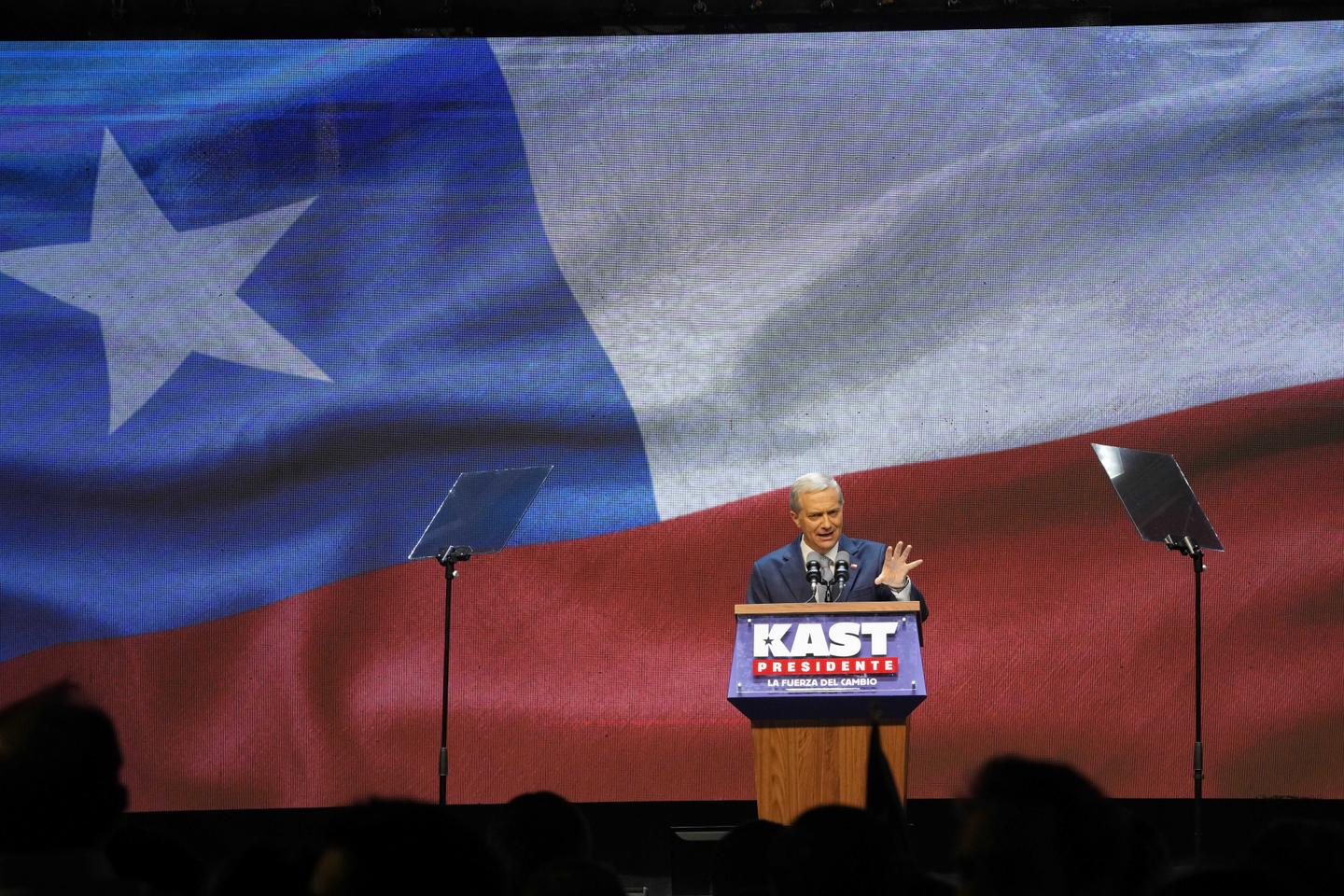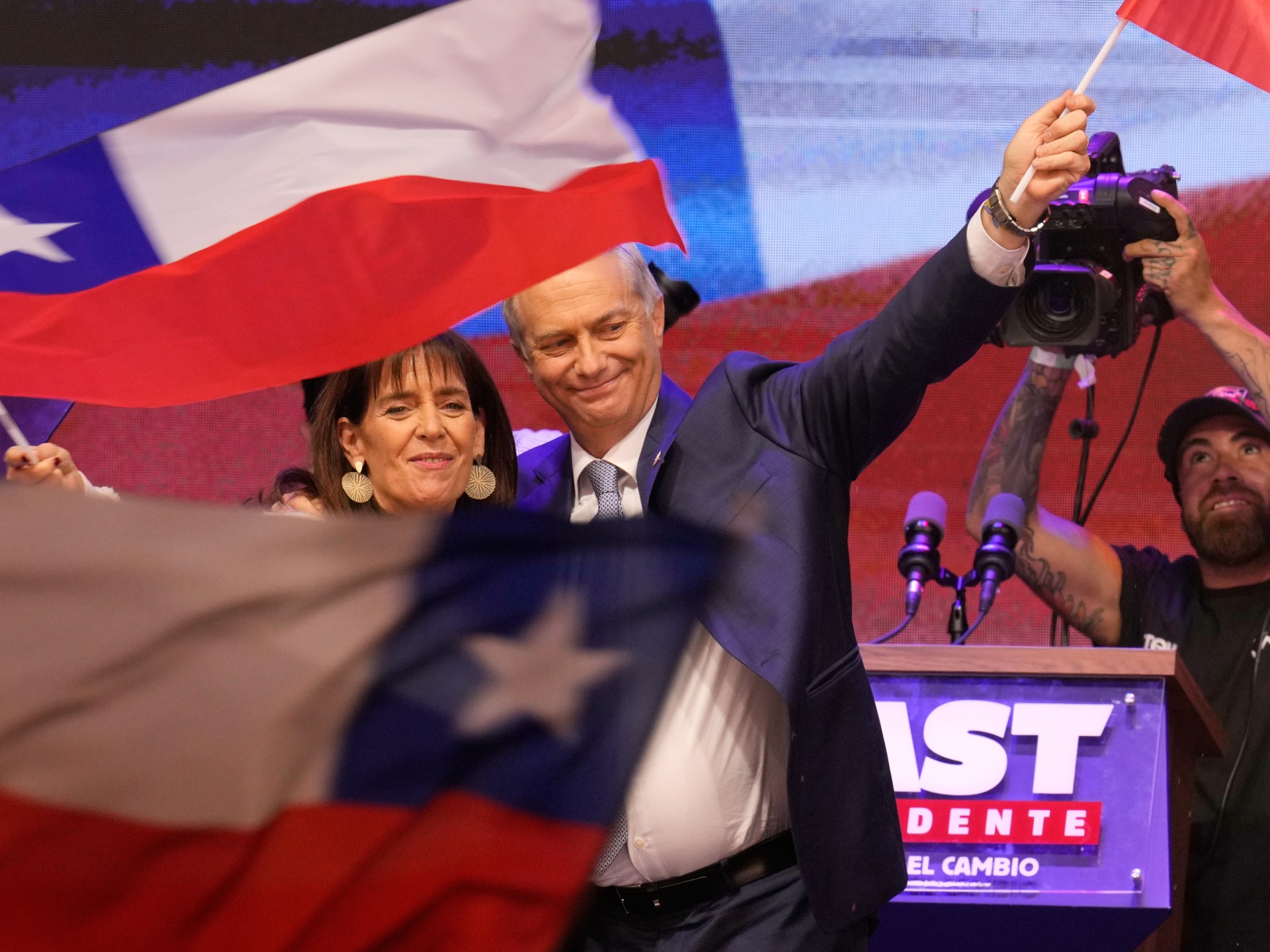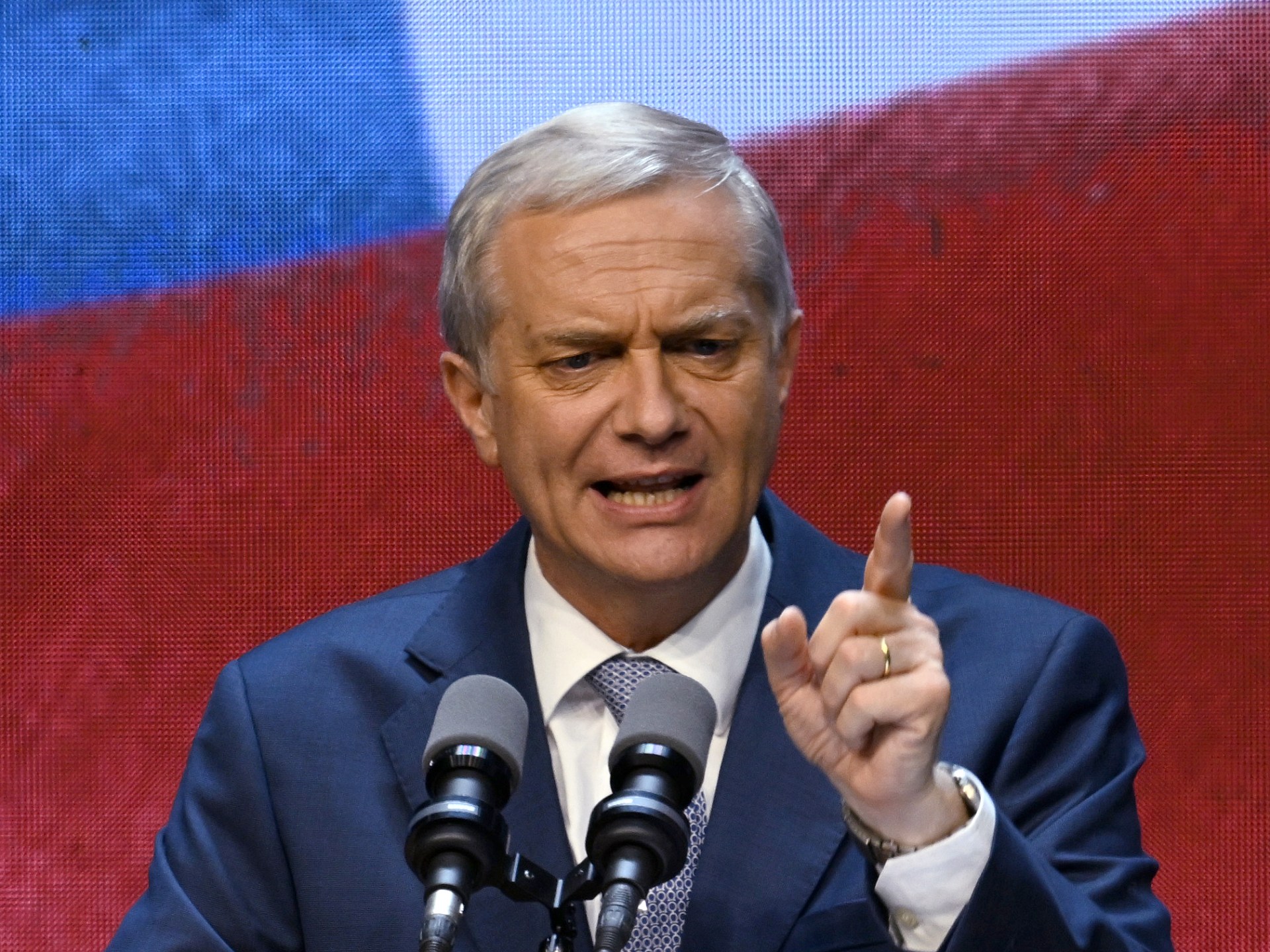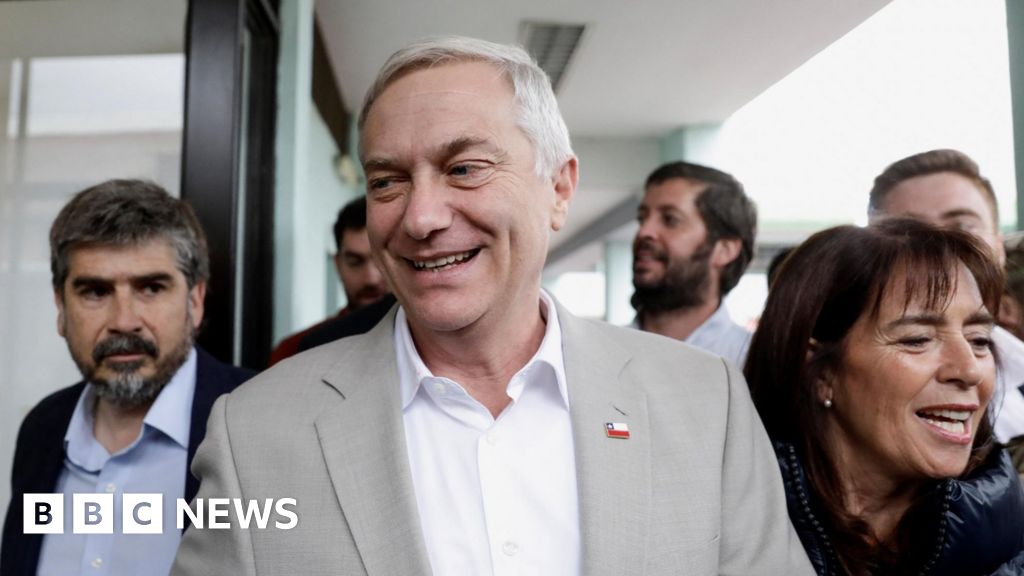
Chilean President José Antonio Kast, during an immigration-focused visit to Quito, the capital of Ecuador, on December 23, 2025. GALO PAGUAY/AFP
On the evening of Sunday, December 14, as the television announced that José Antonio Kast, the far-right candidate in the Chilean presidential election, had won, Isarela (her name has been changed at her request), 51, saw her husband break down. "We'll have to pack our bags again," he said. The couple originally hail from Peru but have lived in Chile for 11 years, in Antofagasta, a city of 400,000 people located 1,300 kilometers north of Santiago, the capital. Here, 19.3% of the city's population is foreign-born.
Isarela's temporary residence permit expired in 2019. She has applied for extensions, without any success. "They tell me I have to wait, but when Kast takes office in three months, will I be arrested and deported?" she said anxiously. Her husband, meanwhile, has no documents at all. "He did time in prison in Peru. He has served his sentence, but they don't care," she said.
Kast made cracking down on undocumented immigration the focal point of his campaign. "If you do not leave voluntarily, we will deport you with only what you have on your back, and you will never be allowed to come back to Chile," he said in his campaign videos, using Donald Trump-style rhetoric to single out the country's estimated 336,000 undocumented migrants.