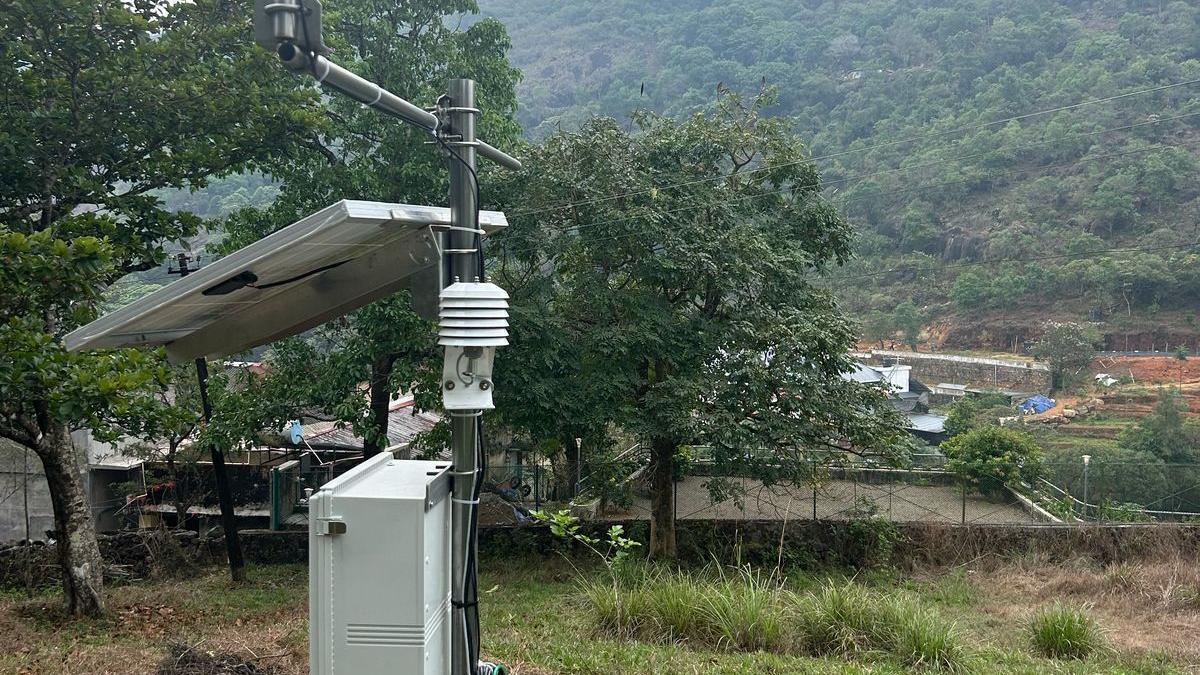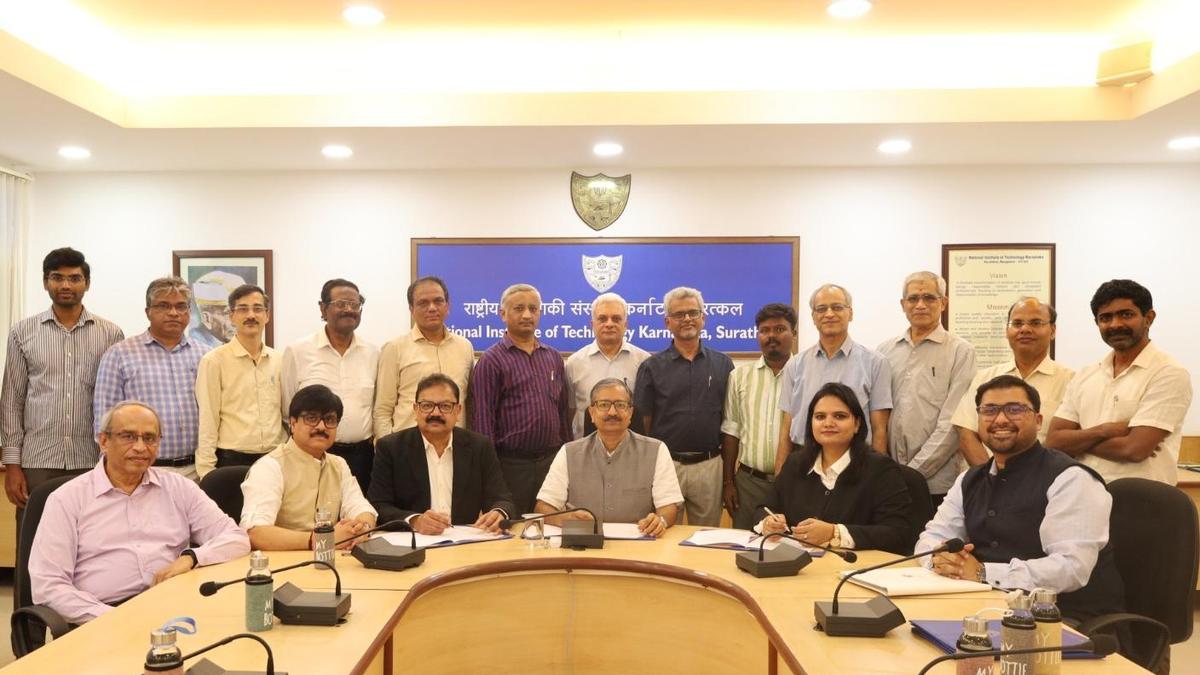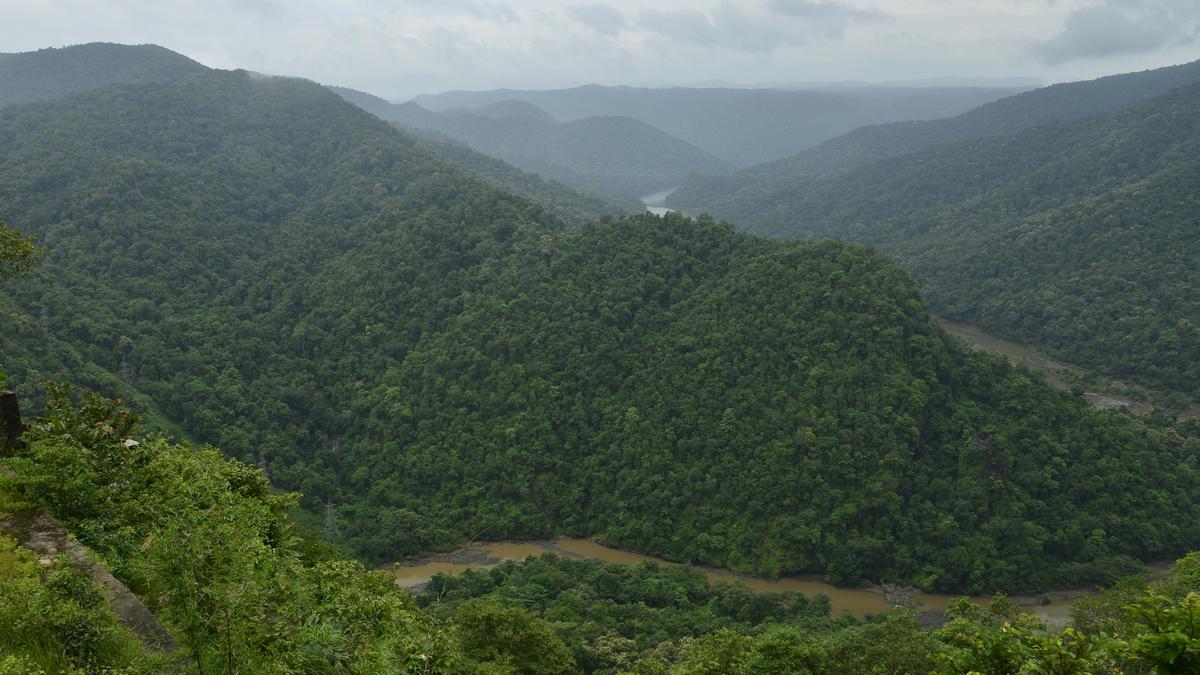
Researchers at the National Institute of Technology Karnataka (NITK), Surathkal, have developed an integrated landslide early warning framework designed specifically for the Western Ghats, one of India’s most landslide-prone regions.
The system, called Slope Vulnerability and LandSlide Assessment (SVALSA), combines rainfall analysis, real-time monitoring of soil behaviour and surface movement, and machine learning to provide reliable landslide warnings while reducing false alarms.
Why existing warnings often fail
The Western Ghats account for nearly 60% of reported landslides in India, with most triggered by intense and prolonged rainfall. Recent disasters, including the July 2024 Wayanad landslide, have highlighted the limitations of existing warning systems and the need for more accurate, site-specific alerts.
At present, landslide warnings in India are largely based on rainfall thresholds, where alerts are issued when rainfall crosses certain intensity or duration limits. These systems, while useful, often fail to account for what is happening inside the slope itself. As a result, they can generate frequent false alarms or miss impending failures when soil conditions deteriorate even under moderate rainfall.