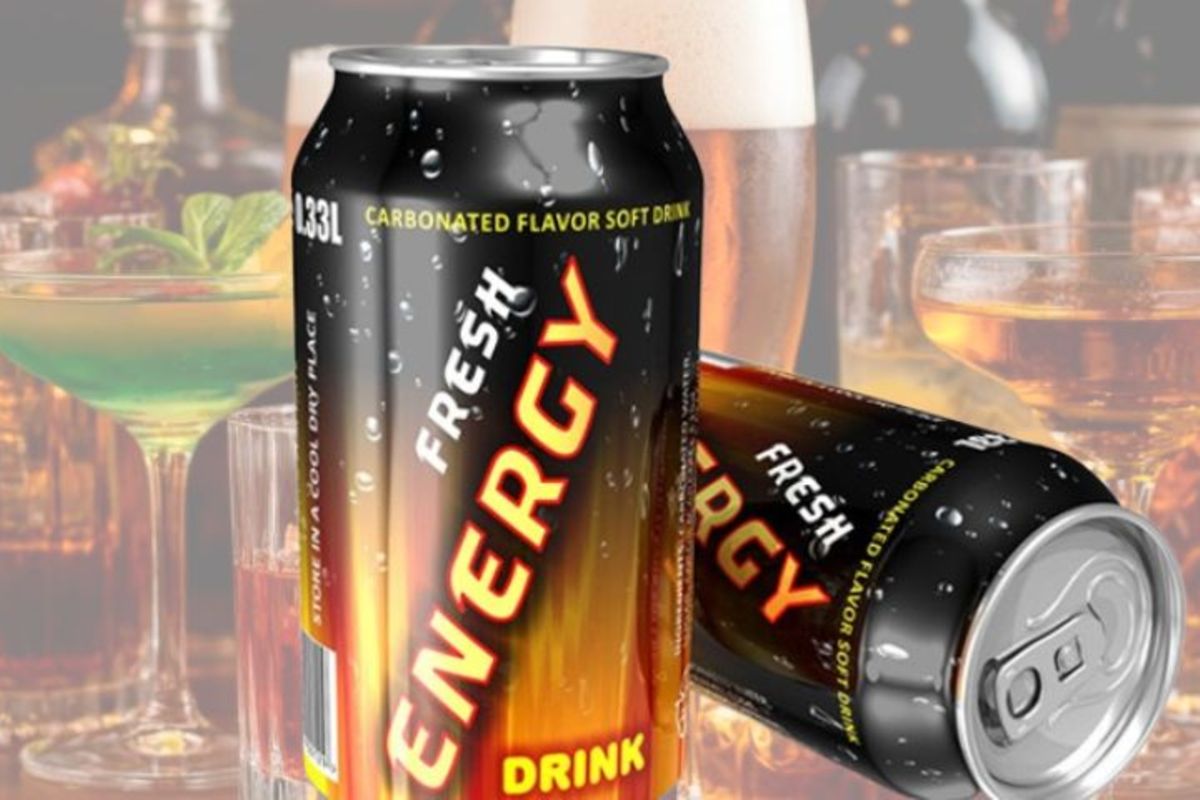
For two decades, 5-hour Energy, an energy drink sold in colorful two-ounce bottles in convenience store chains nationwide, has been the go-to booster for thousands of tired truckers and cramming college students. But last year, for the first time, it was reportedly surpassed as one major national convenience store chain’s top energy drink—by a product that had been on that chain’s shelves for only four months.
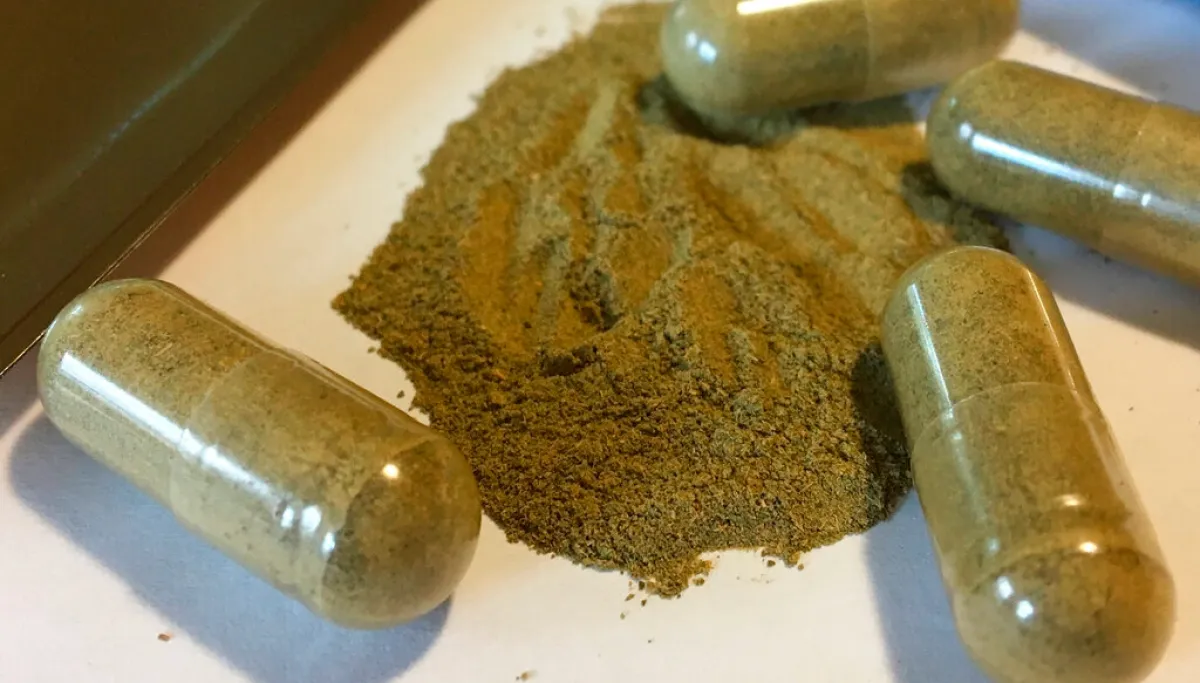
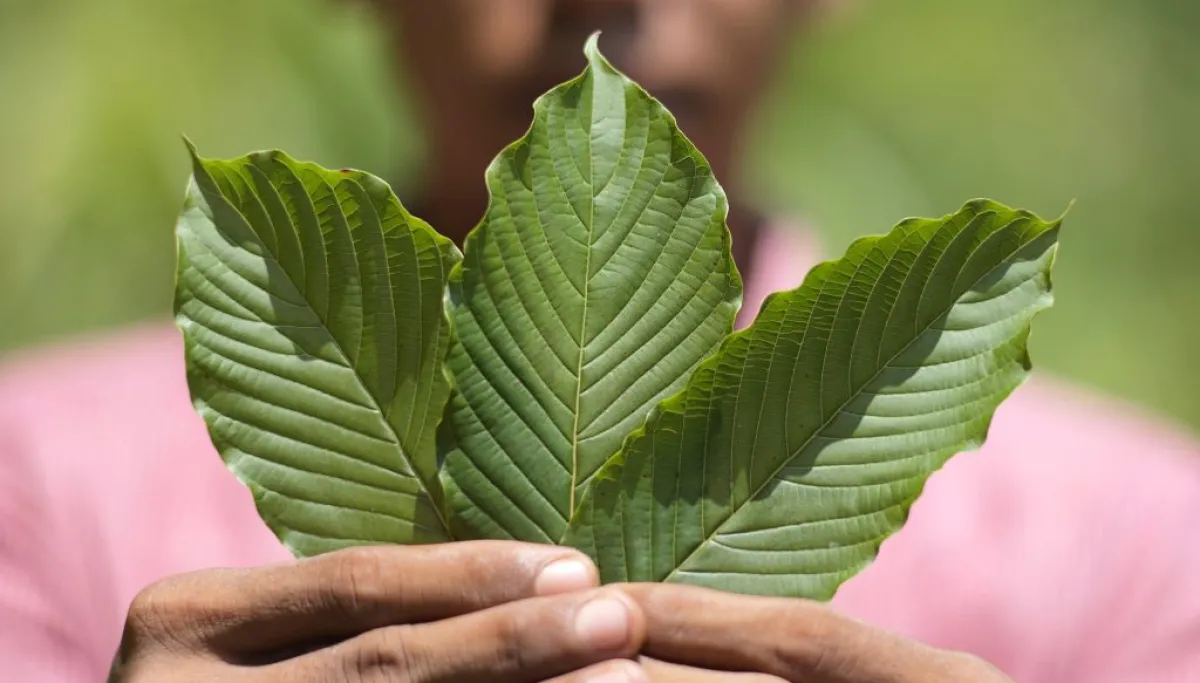
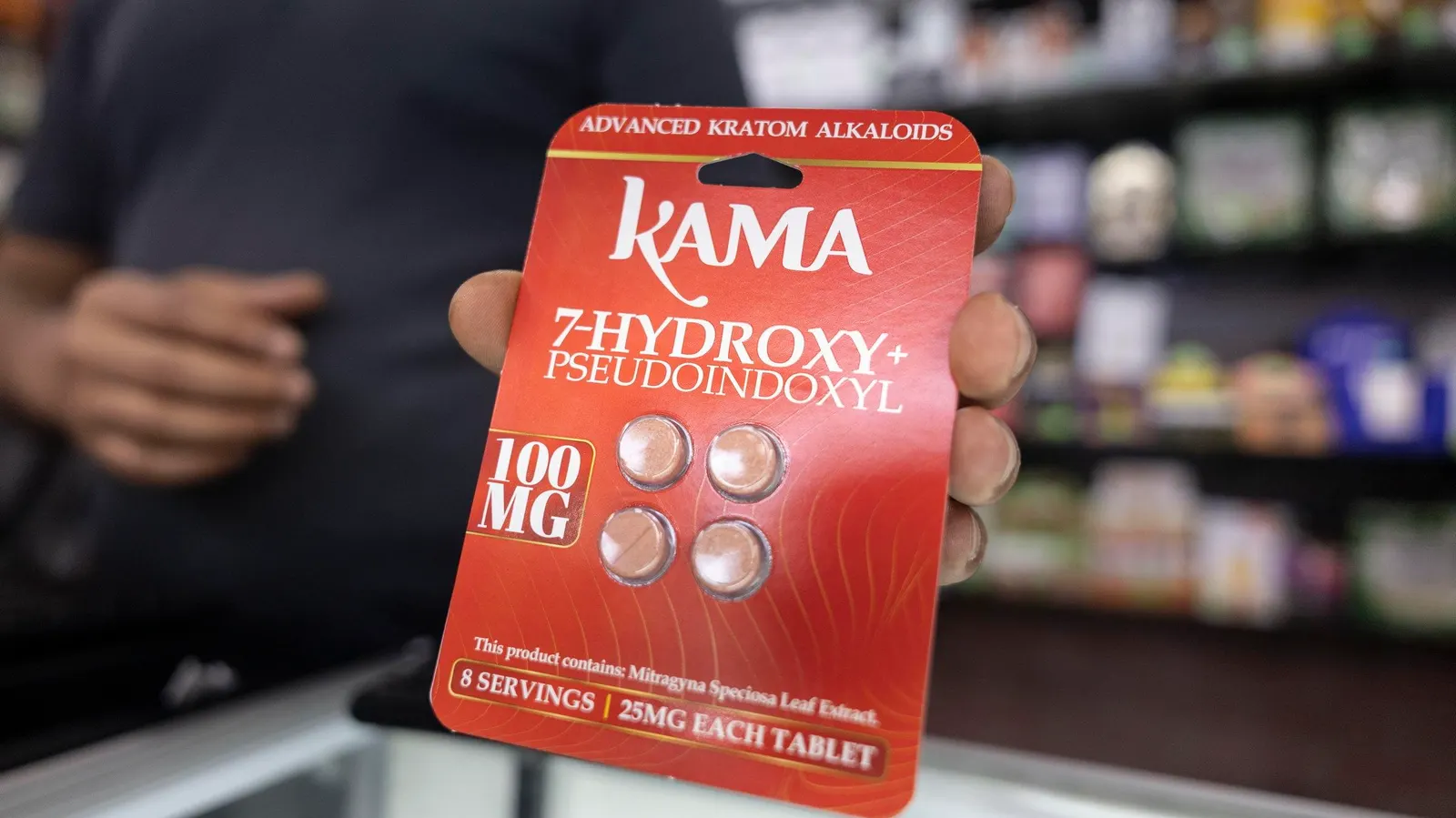
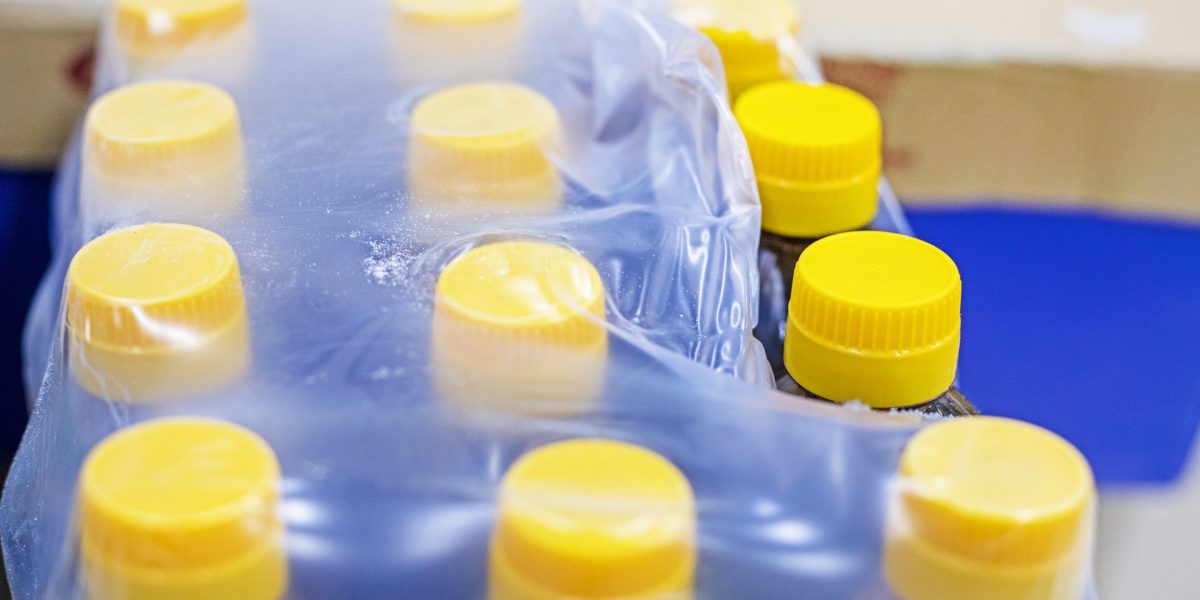
This up-and-coming brand, Feel Free, was marketing itself as something slightly different. As it declared in a white, scrolling font over the deep blue of its own two-ounce bottle, Feel Free was a “plant-based herbal supplement,” a proprietary blend of extracts from the botanicals kratom and kava, boasting properties that could amplify focus and boost mood.
For many users, however, the beverage didn’t have the advertised effect. Drew Barrett, of Champaign, Ill., says he was enticed by Feel Free’s serene packaging and its offer of relaxation and enhanced energy. But he soon found that after the immediate euphoria from the shot, he would be hit with a cycle of unpleasant symptoms, including a runny nose and achy body.
Still, the euphoria was real, and in a matter of months, Barrett says, he became addicted to the supplement. Barrett, 46, says he would down a two-ounce bottle of Feel Free 10 to 12 times a day—far surpassing the recommended dosage of one per day. At about $8 per bottle, the habit cost him about $2,000 a month; he bought so much that the local smoke shop where he was purchasing the bottles began giving him an employee discount. He lost 35 pounds; his eyes sunk into his head, and his skin took on a gray color. Barrett says he became so dependent on the drink he had to close down the thrift store he owned and seek in-patient treatment.