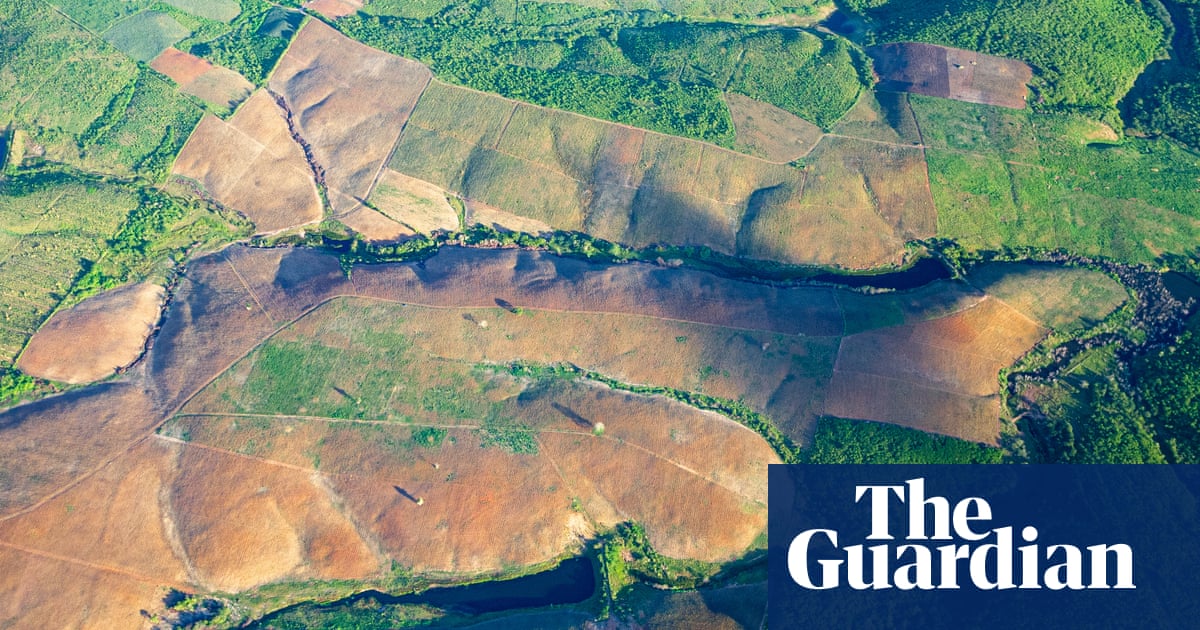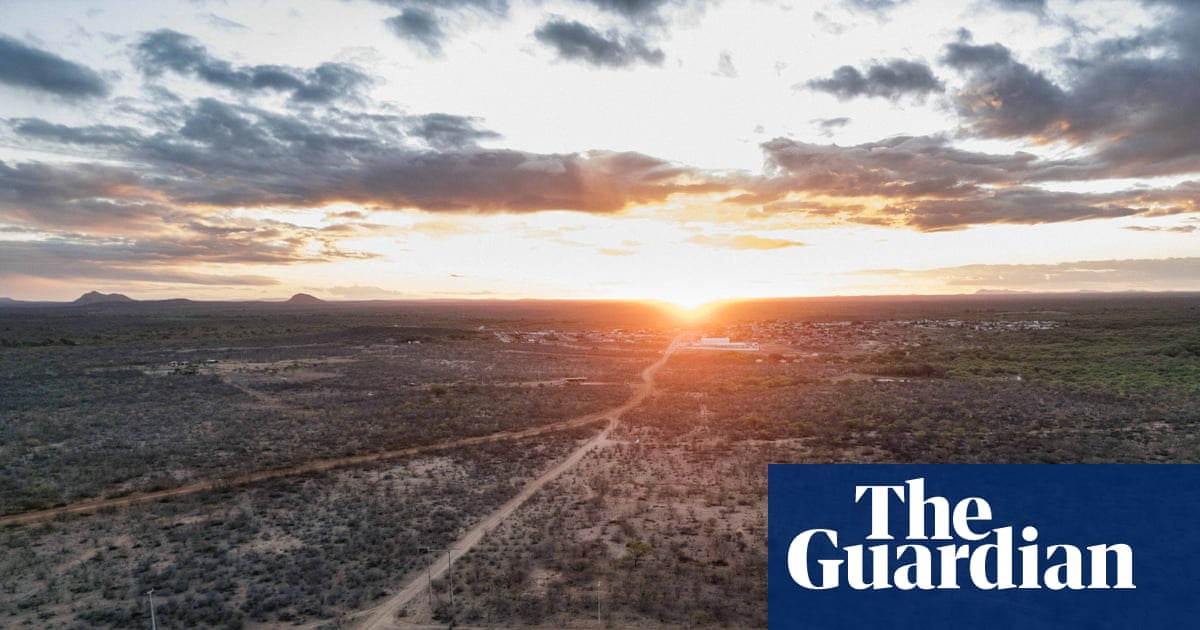
The Caatinga in the north-east has been transformed by the heating climate in just a generation and could become the country’s first desert
E
very Tuesday at dawn, Raildon Suplício Maia goes to the market in Macururé, in Brazil’s Bahia state, to sell goats. He haggles with buyers to get a good price for the animals, which are reared in the open and roam freely.
Goats are the main – and sometimes only – source of income for the people of Macururé, a small town in the Brazilian sertão. This rural hinterland in the country’s north-east is known for its dry climate and harsh conditions.
But earning a living from goat rearing is becoming more difficult as the dry season extends and the native vegetation withers in the Caatinga, a shrubland and thorn forest biome that spans much of the sertão, leaving even these hardy animals starved for food.