T
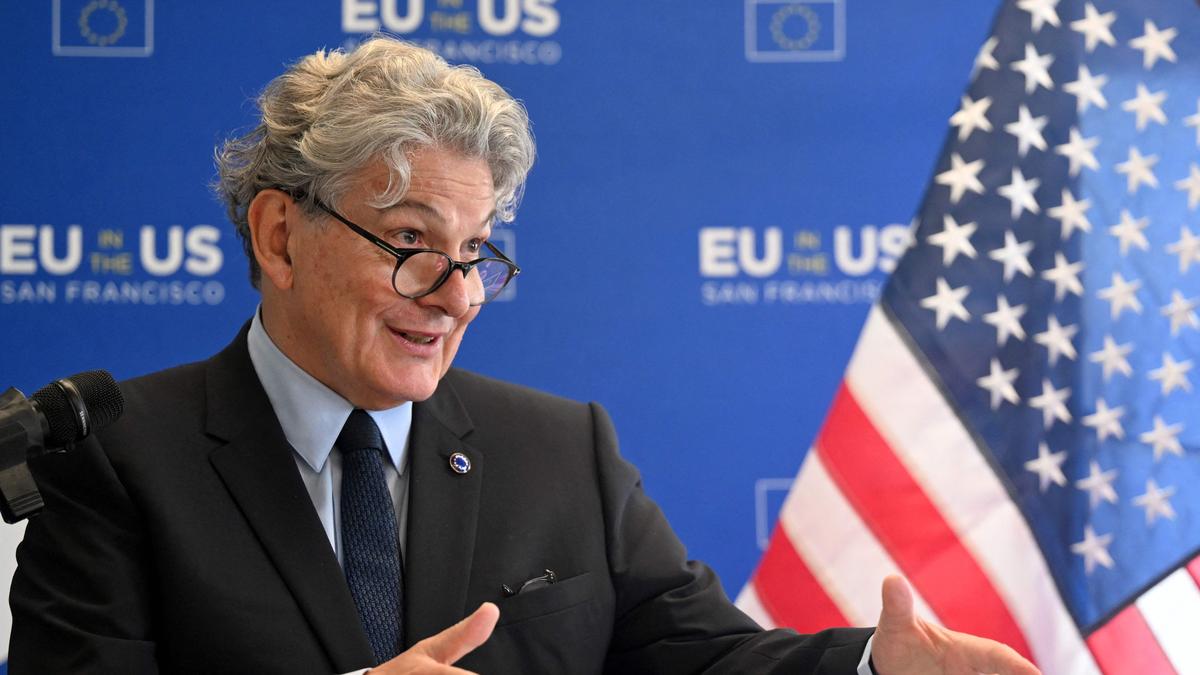
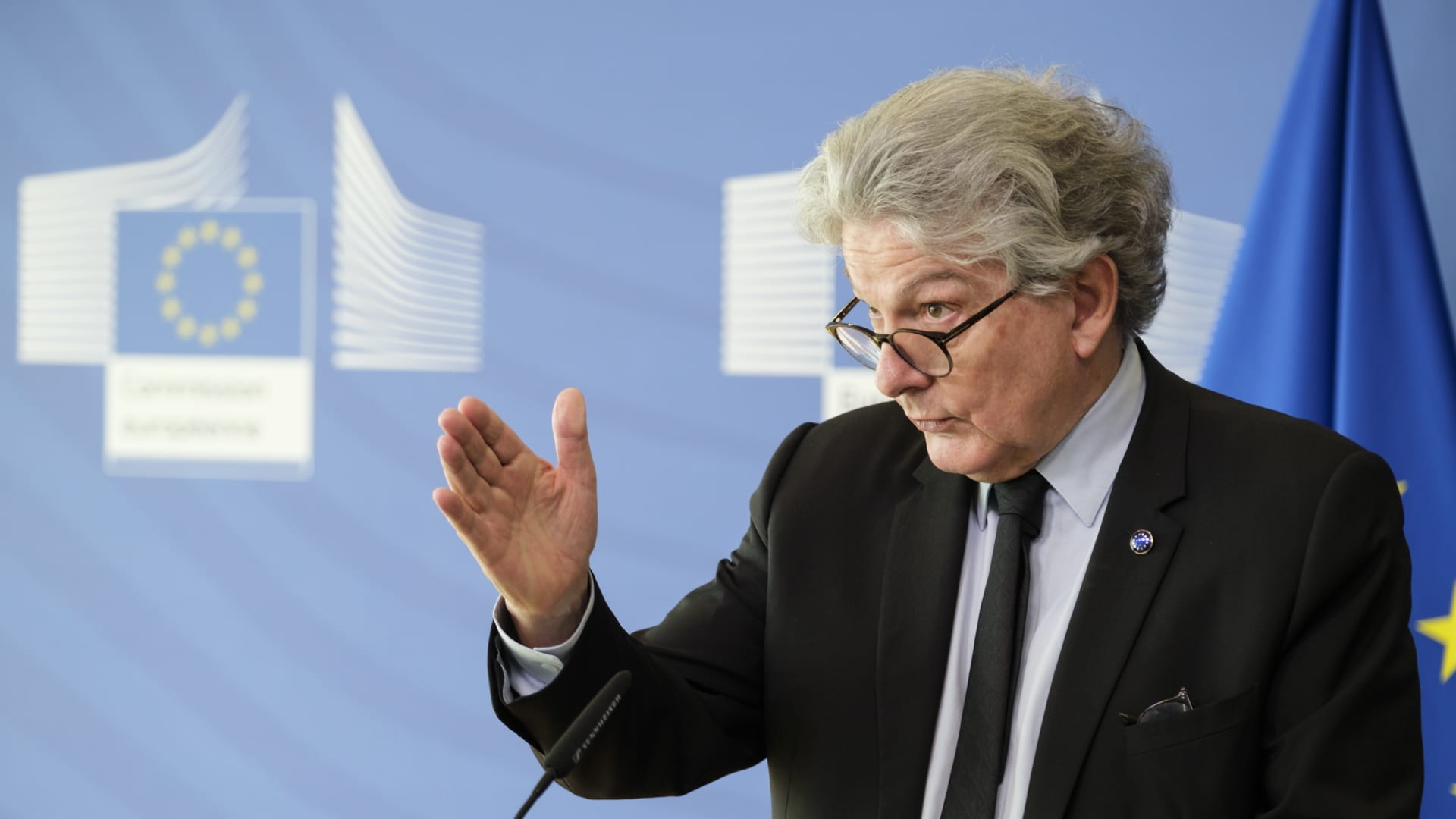
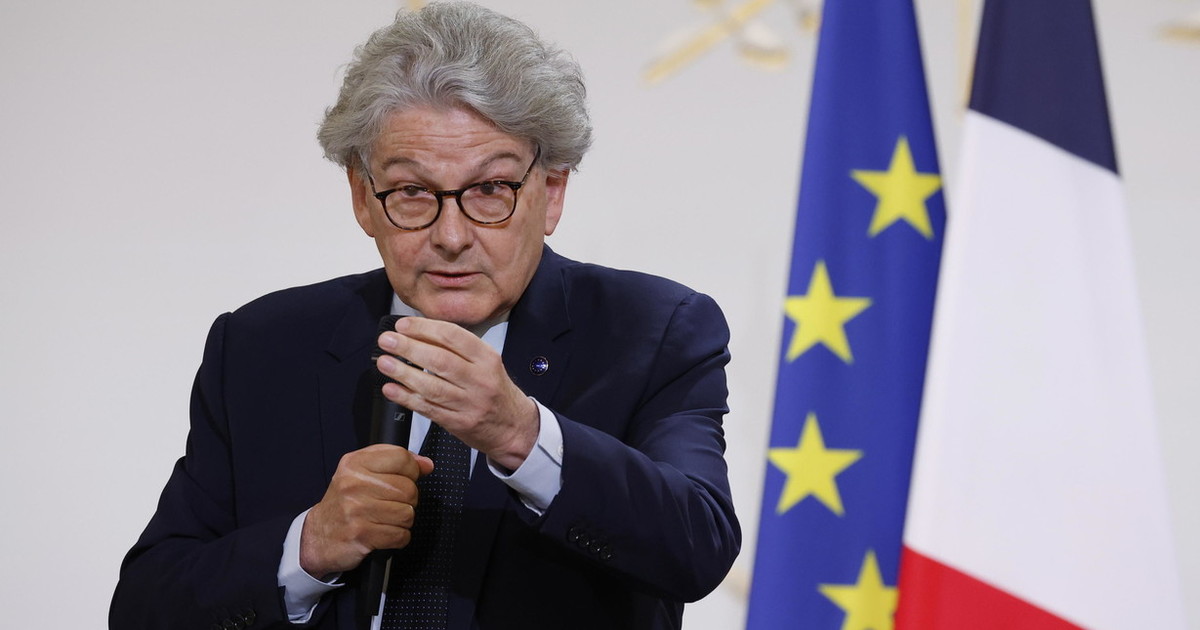
he US sanctions announced on Tuesday, December 23, should be seen for what they are: the start of a new offensive against the European Union. Taking the form of visa bans, they target former EU commissioner Thierry Breton and four civil society figures involved in regulating US digital platforms. It would be a mistake to dismiss them as merely symbolic.
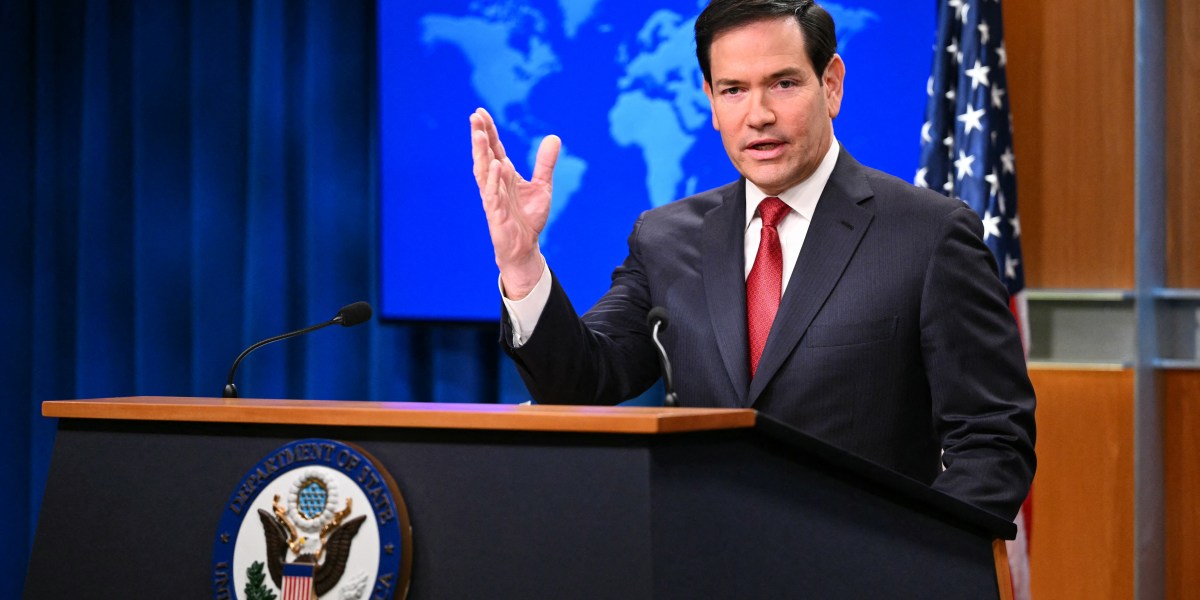
Breton, who served as EU commissioner for the internal market from 2019 to 2024, was right to condemn what he called a "wind of McCarthyism blowing again." US Secretary of State Marco Rubio justified these sanctions by denouncing imaginary "ideologues in Europe." In reality, it is the US federal government, acting on behalf of digital giants, that is eager to export its own culture wars beyond US borders.
The accusations of "extraterritorial censorship" should fool no one. What these digital superpowers truly seek to dismantle, so they can profit from a lucrative European market, is a legitimate regulatory framework. The Digital Services Act (DSA) and Digital Markets Act (DMA), adopted in response to this need, are above all, expressions of European sovereignty.
Subscribers only