WASHINGTON — Five months after the Trump administration stripped $8 billion in U.S. foreign aid from the world, a Sudanese National Army helicopter bombed a hospital, pharmacy and market in a remote village of South Sudan known as Old Fangak.
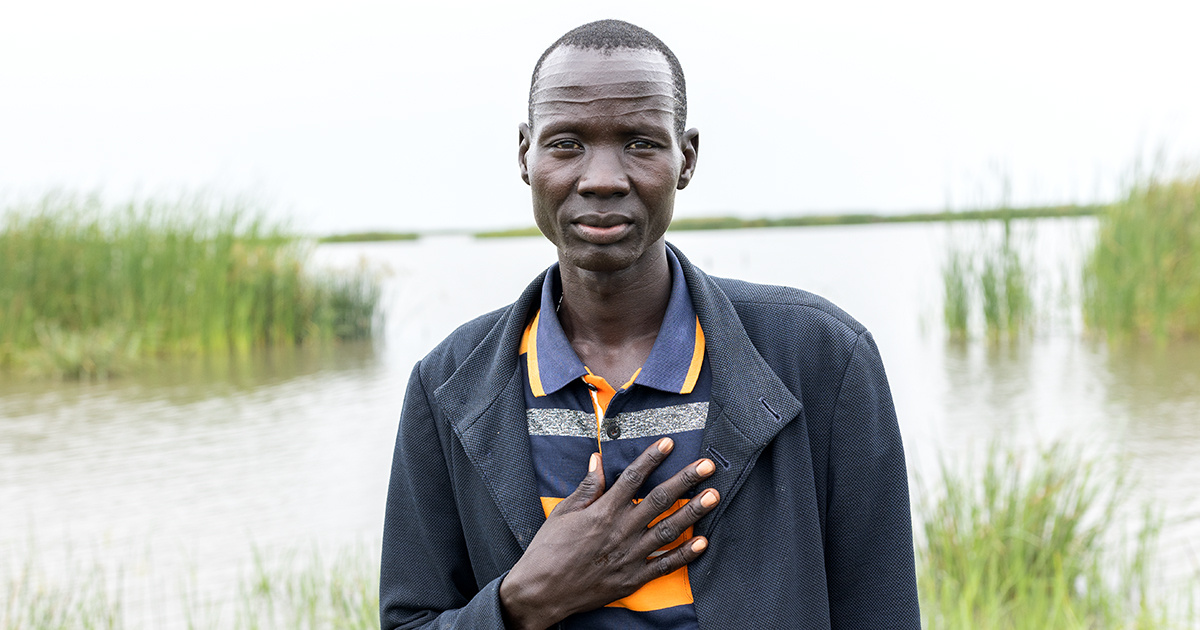
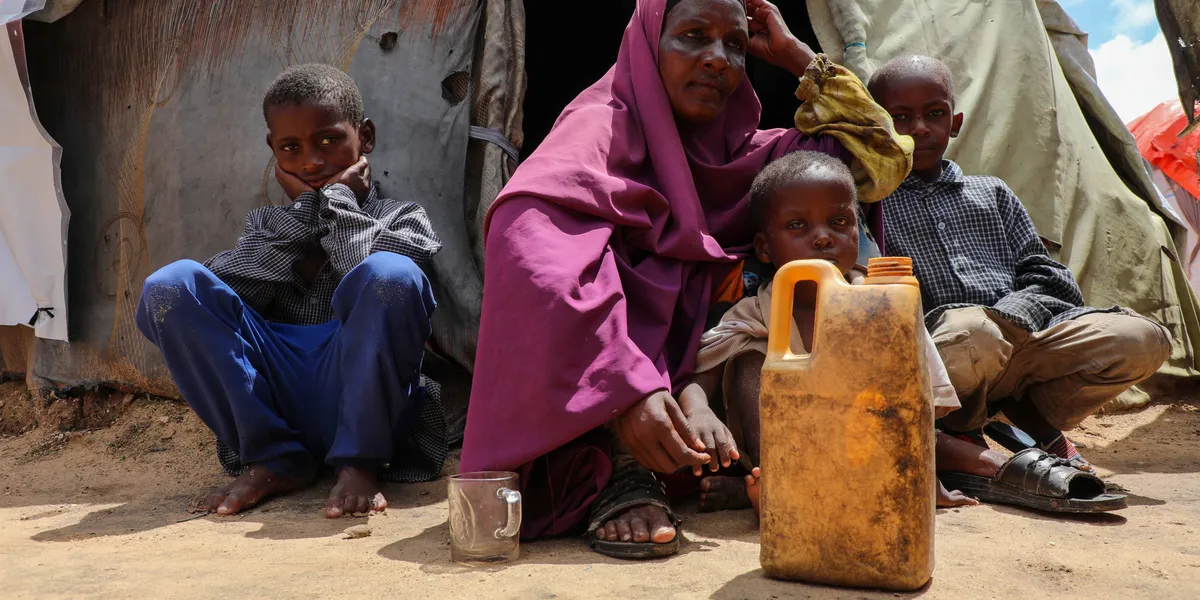
Situated in a deep pocket of grassy swampland formed by floodwaters from the Nile that haven’t receded for five years thanks to climate change, Old Fangak was home to thousands of internally displaced South Sudanese women and children — including many former boy soldiers — fleeing civil war in the region.
At least seven people were killed in the May bombing. Doctors Without Borders reported their medical supplies had been obliterated. Refugees scattered to wherever they could find higher or drier ground. Handmade dykes that had kept floodwaters from consuming Old Fangak fell into disrepair and then broke, washing away the makeshift homes and scant belongings of the people who lived in the village.
“It was a perfect storm of a humanitarian crisis,” Dan Pisegna, program director of Alaska Health Project South Sudan, told HuffPost earlier this month. “Multiple compounding emergencies were happening at the same time.”
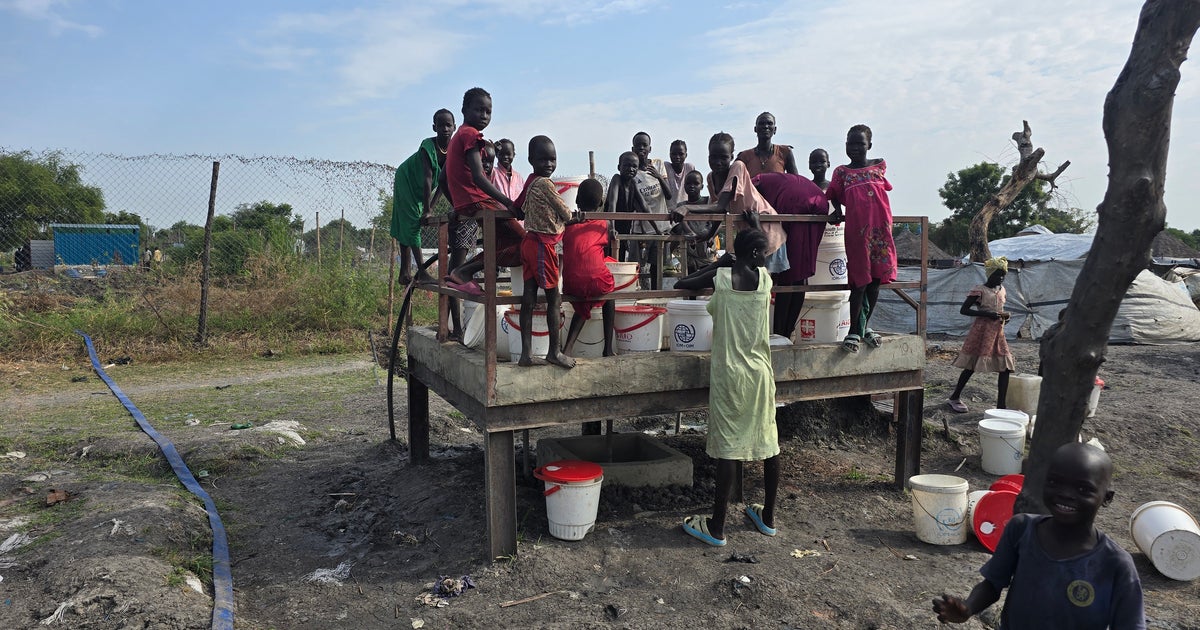
Since 2009, South Sudanese volunteers — and a few Americans from Alaska — have created access to clean water by drilling and maintaining boreholes, or holes dug into the ground to access water. Their effort is responsible for about 75% of the wells in Fangak County. It is a vital service since most of South Sudan lacks access to clean water, driving up mortality rates and increasing the spread of diseases like cholera, typhoid, hepatitis, brucellosis and giardiasis. AHPSS also teaches local women how to farm sustainably.