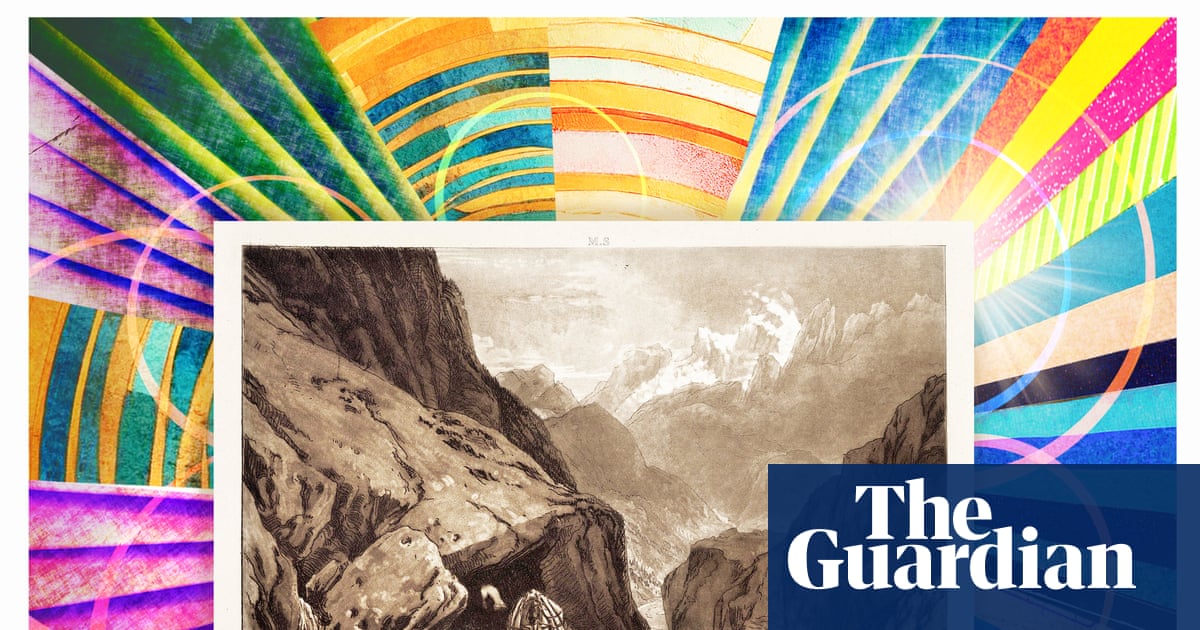
Fear and feelings of intense vulnerability caused me to retreat into my shell, until I saw myself in an unlikely feature in one of the British master’s prints
M
y thyroid cancer arrived by accident, in the way life-changing things sometimes do. In May of this year, I went for an upright MRI for a minor injury on my arm, and the scan happened to catch the mass in my neck. By the following month, I had a diagnosis. People kept telling me it was “the good cancer”, the kind that can be taken out neatly and has a high survival rate. But I’m 54, and my dad died of cancer in his 50s, so that shadow came down on me hard.
My eldest son was doing A-levels at the time, so we didn’t tell him at first. I felt as if I’d stepped across some irreversible Rubicon that you hear about happening to other people, but never imagine will actually come for you.
After my diagnosis, I retreated. I barely left the house. My neck was bruised and swollen, as if I’d attempted some sort of gruesome Halloween makeup. I felt peeled-open and humiliated, as though strangers could look straight through my skin. Friends and family stepped up: my brother, who lives hours away, and I had this incredible chat for hours on a park bench in the sunshine. Still, I curled inward.