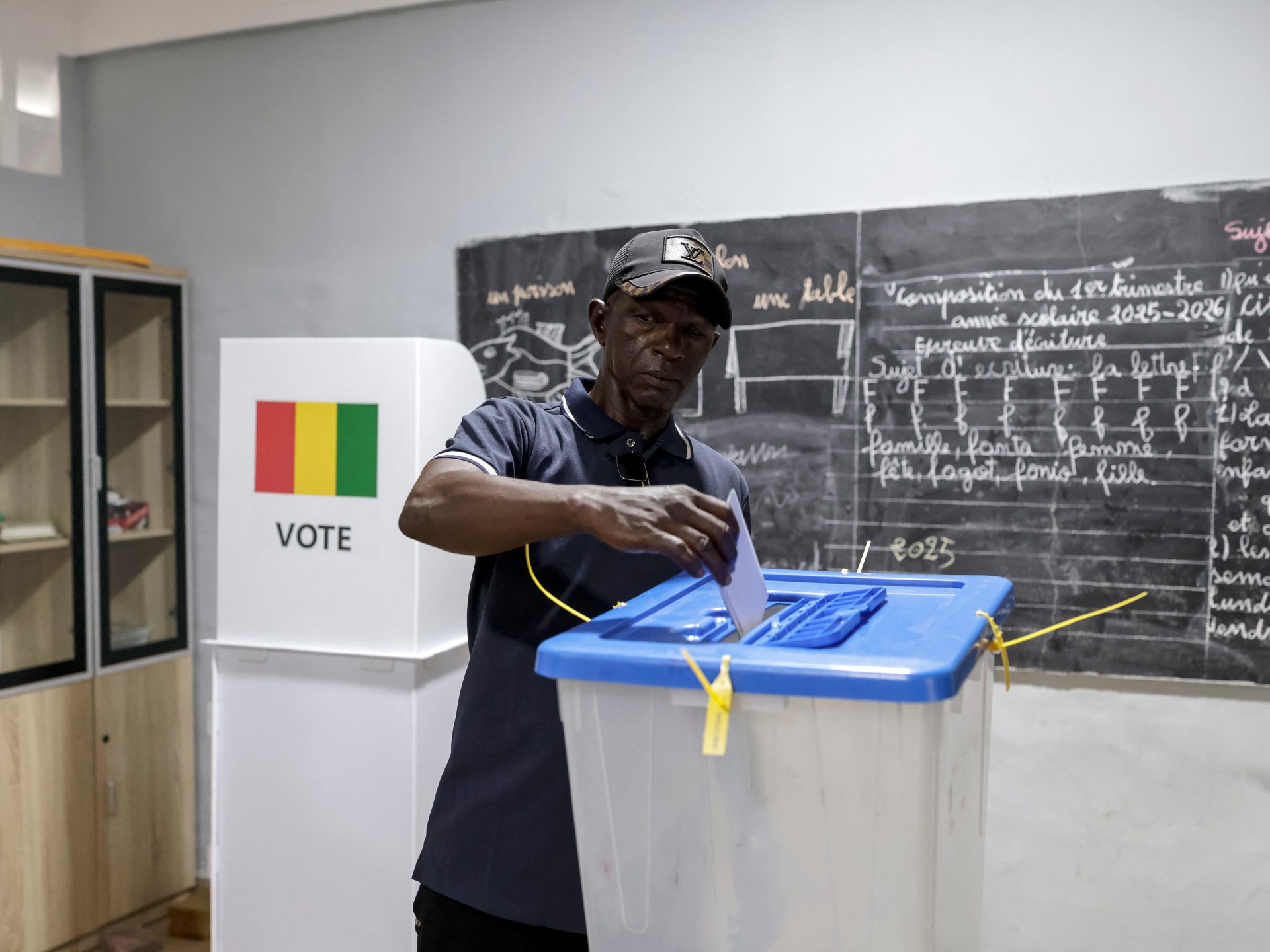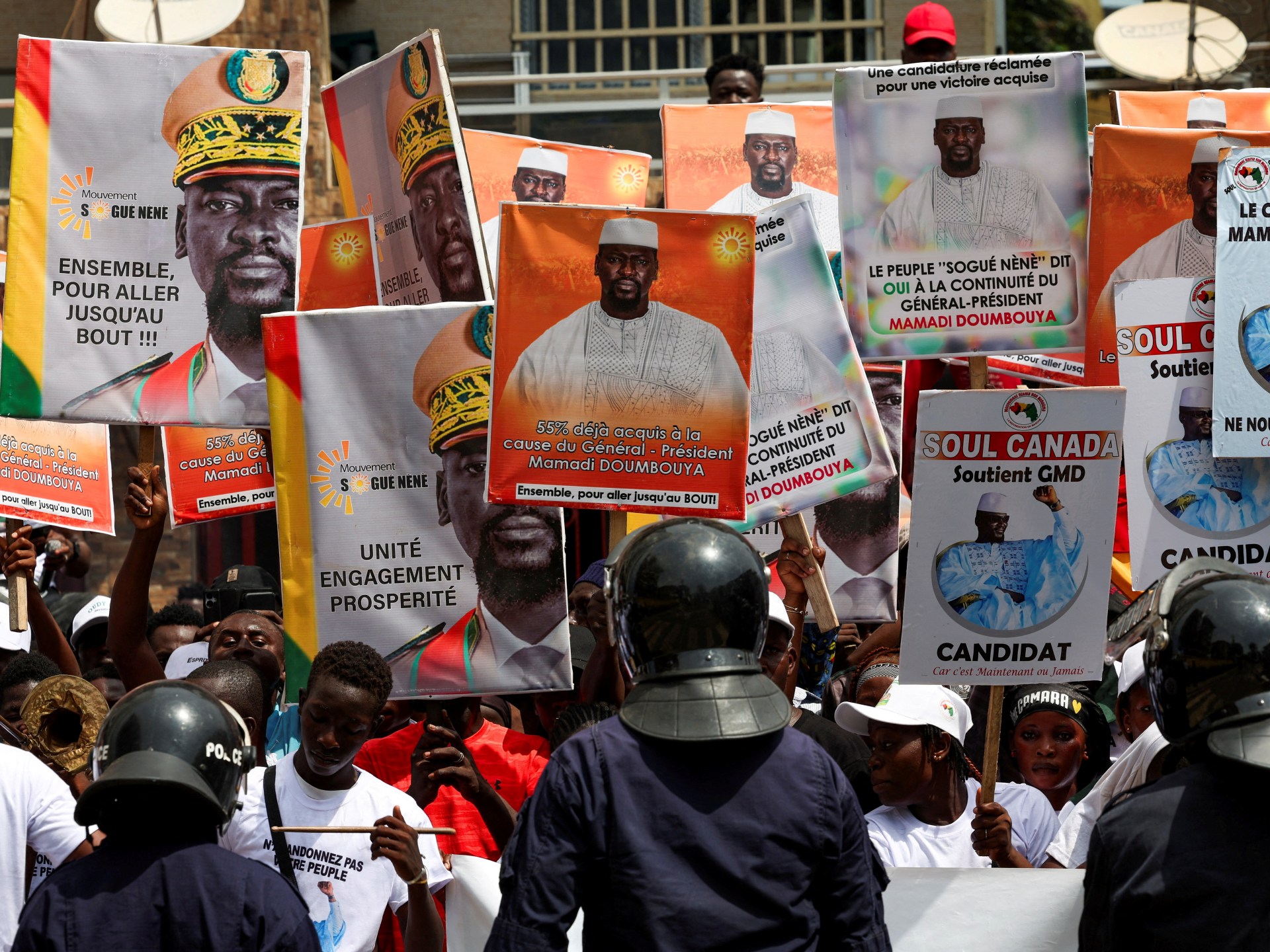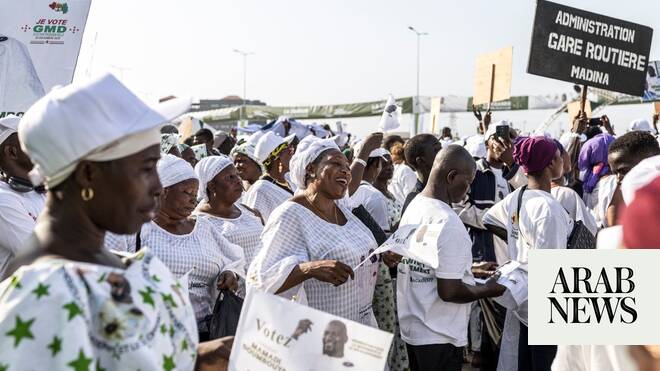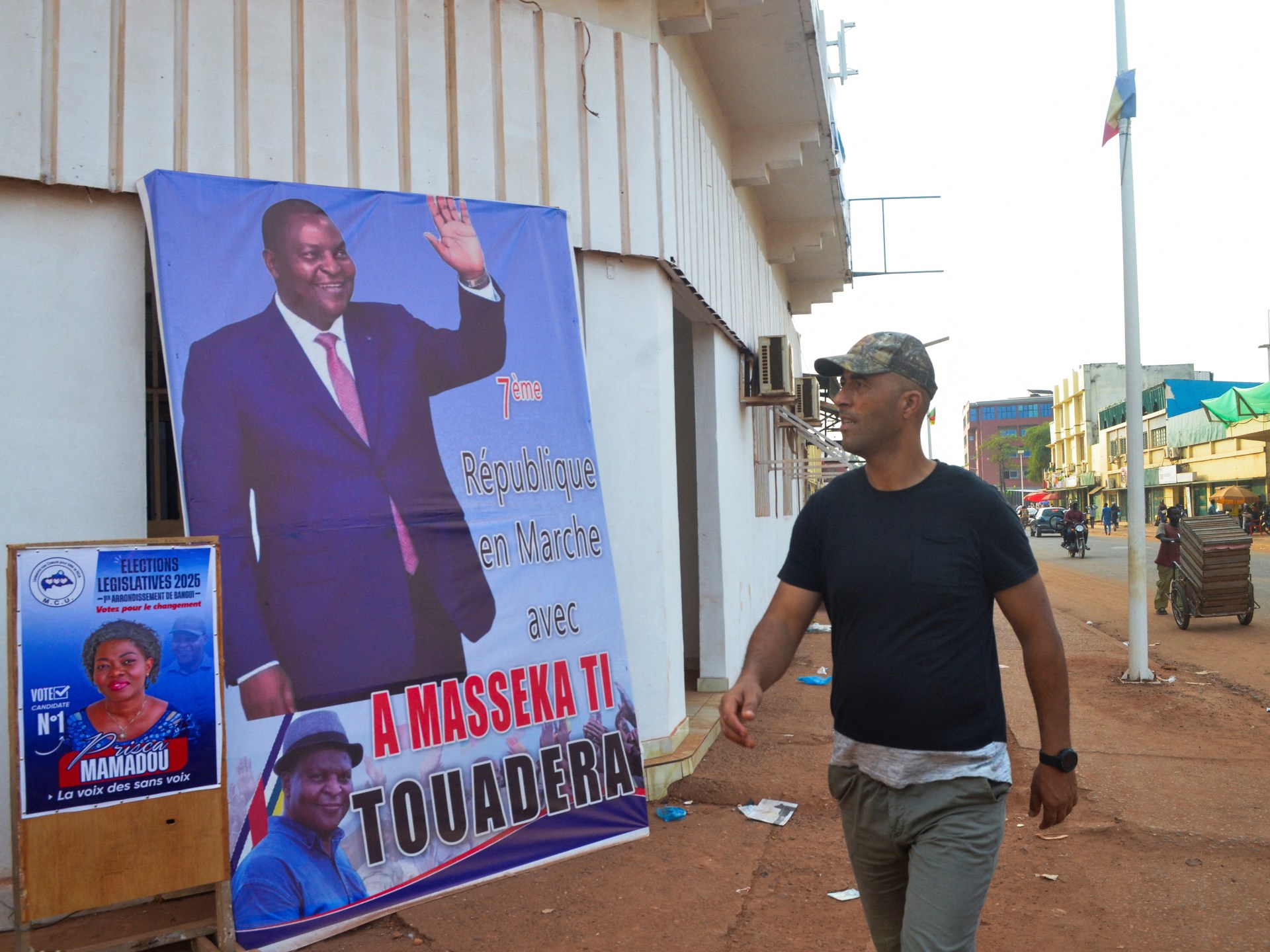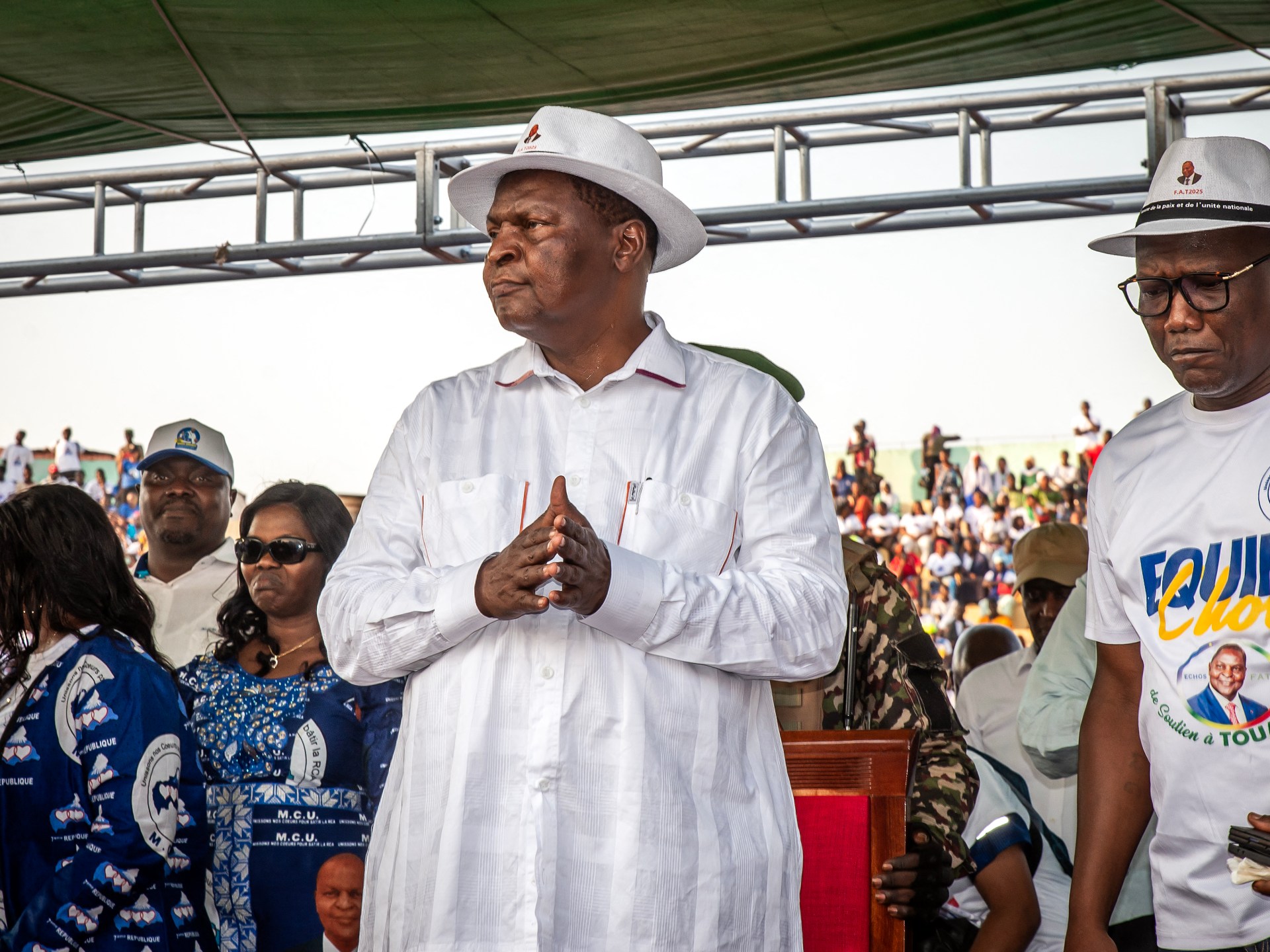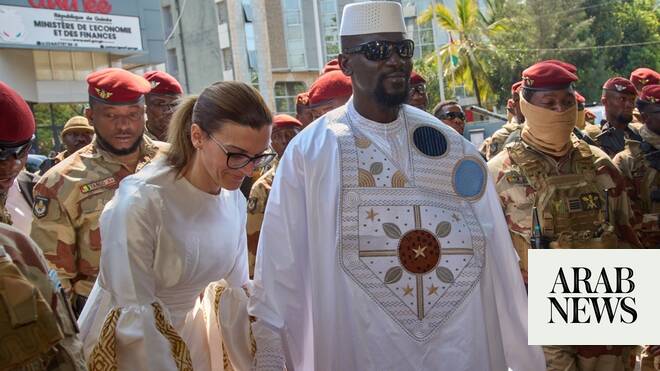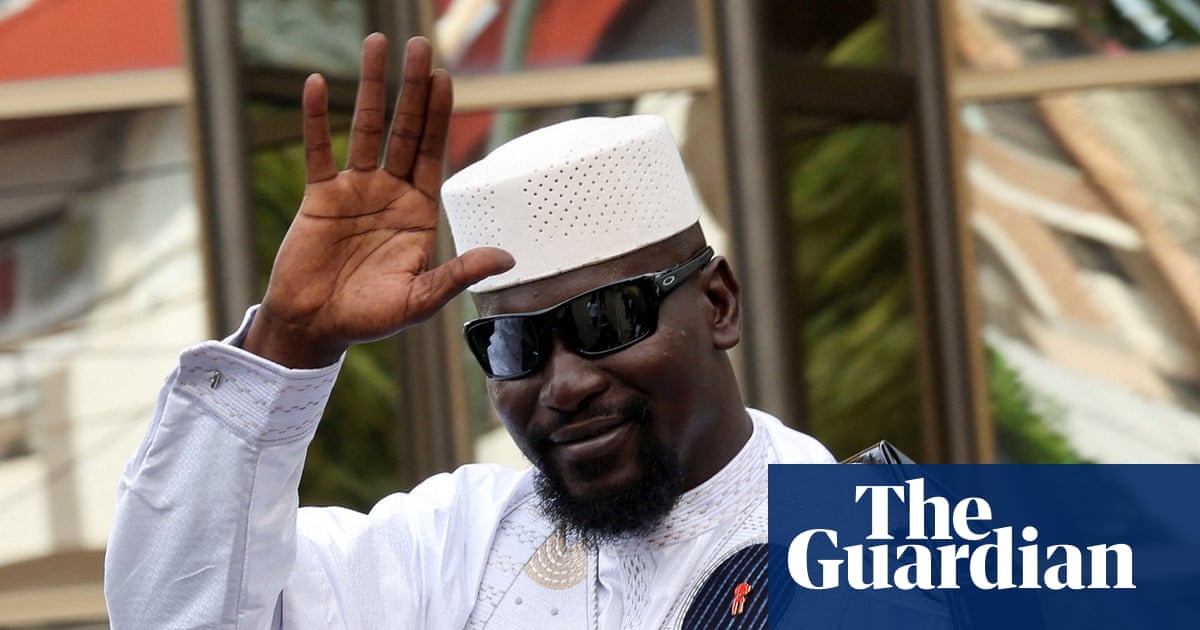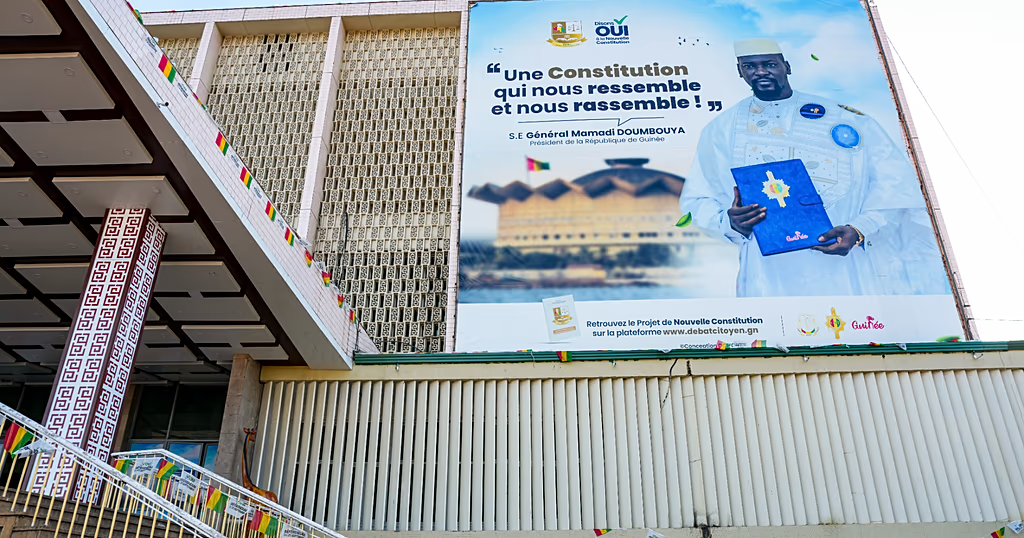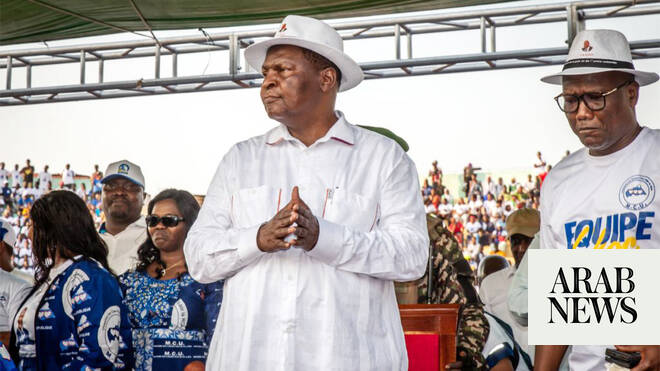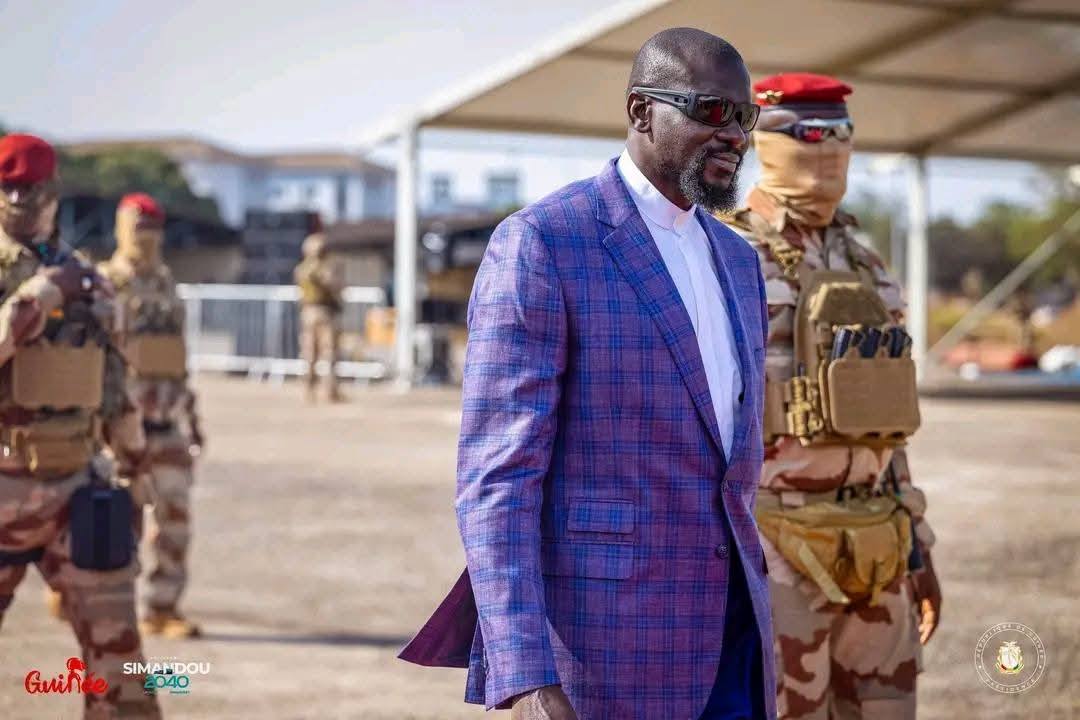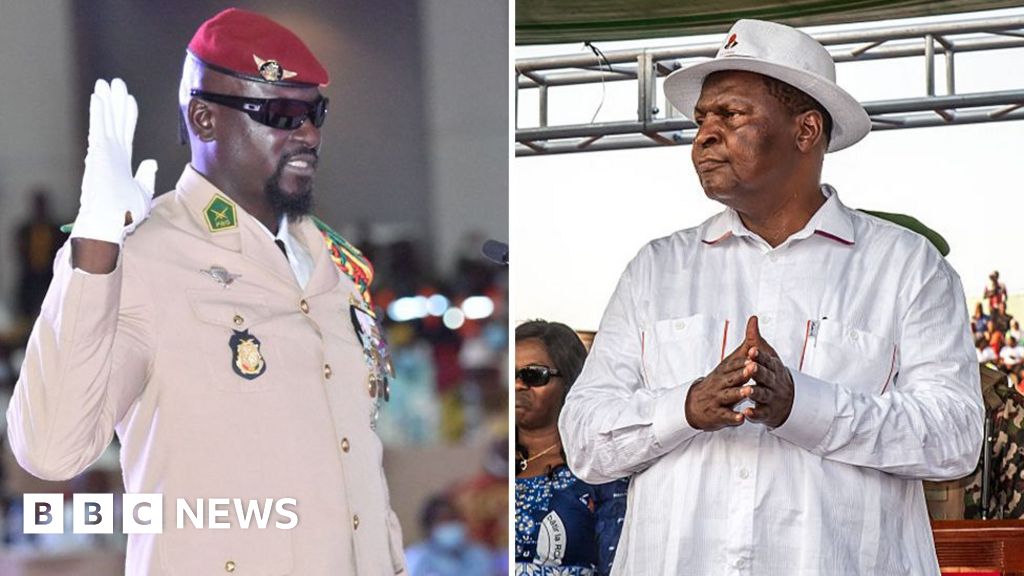
On Sunday, citizens of Guinea and the Central African Republic (CAR) will go to the polls to elect their presidents for terms of office of seven years.
Both contests could, in theory, go on to run-off ballots. Yet in both, the incumbents are strong favourites, with observers predicting they will clinch victory outright in the first round with more than 50% of the vote.
But that's where the similarities end.
The CAR, vast and landlocked, is one of Africa's poorest countries, marred by chronic instability for decades, with a succession of armed groups motivated by a variety of local grievances, opportunities for racketeering or political ambitions.
From 2013 to 2016 it was only the intervention of African, French and then UN peacekeepers that averted a slide into deeper inter-communal violence.