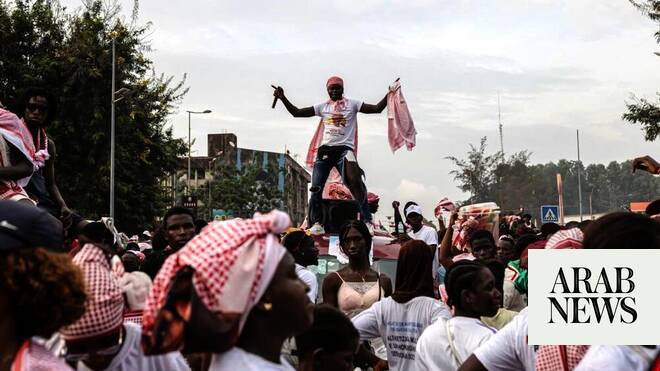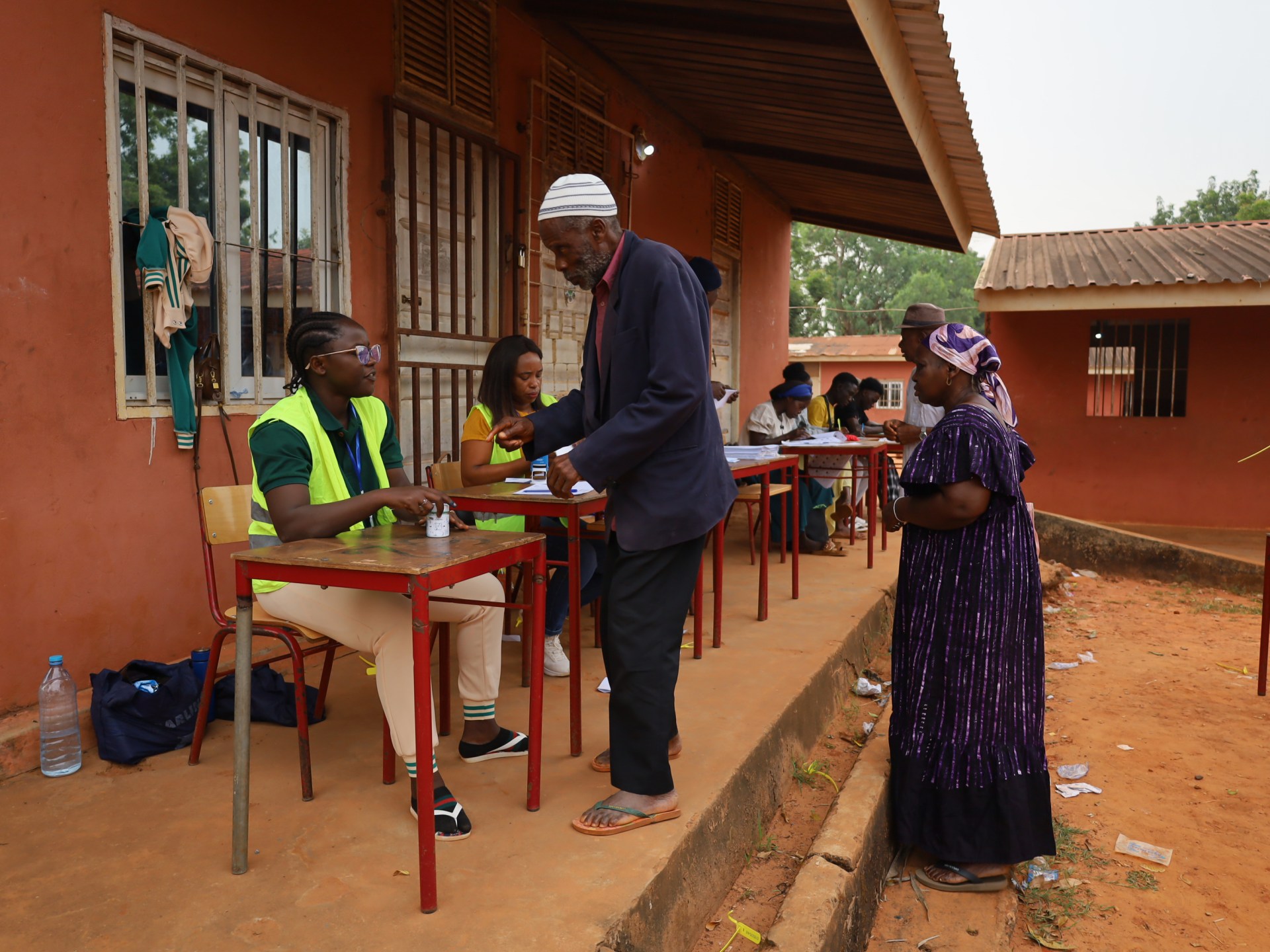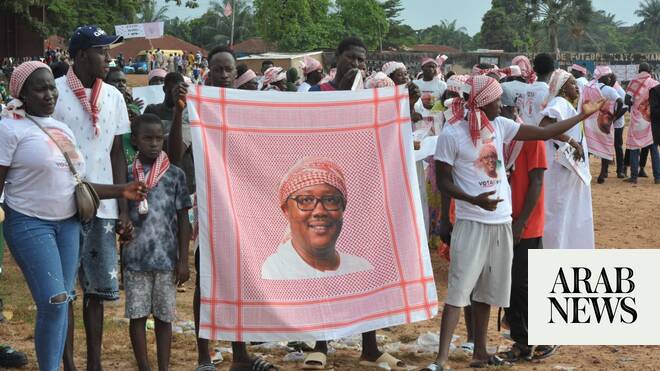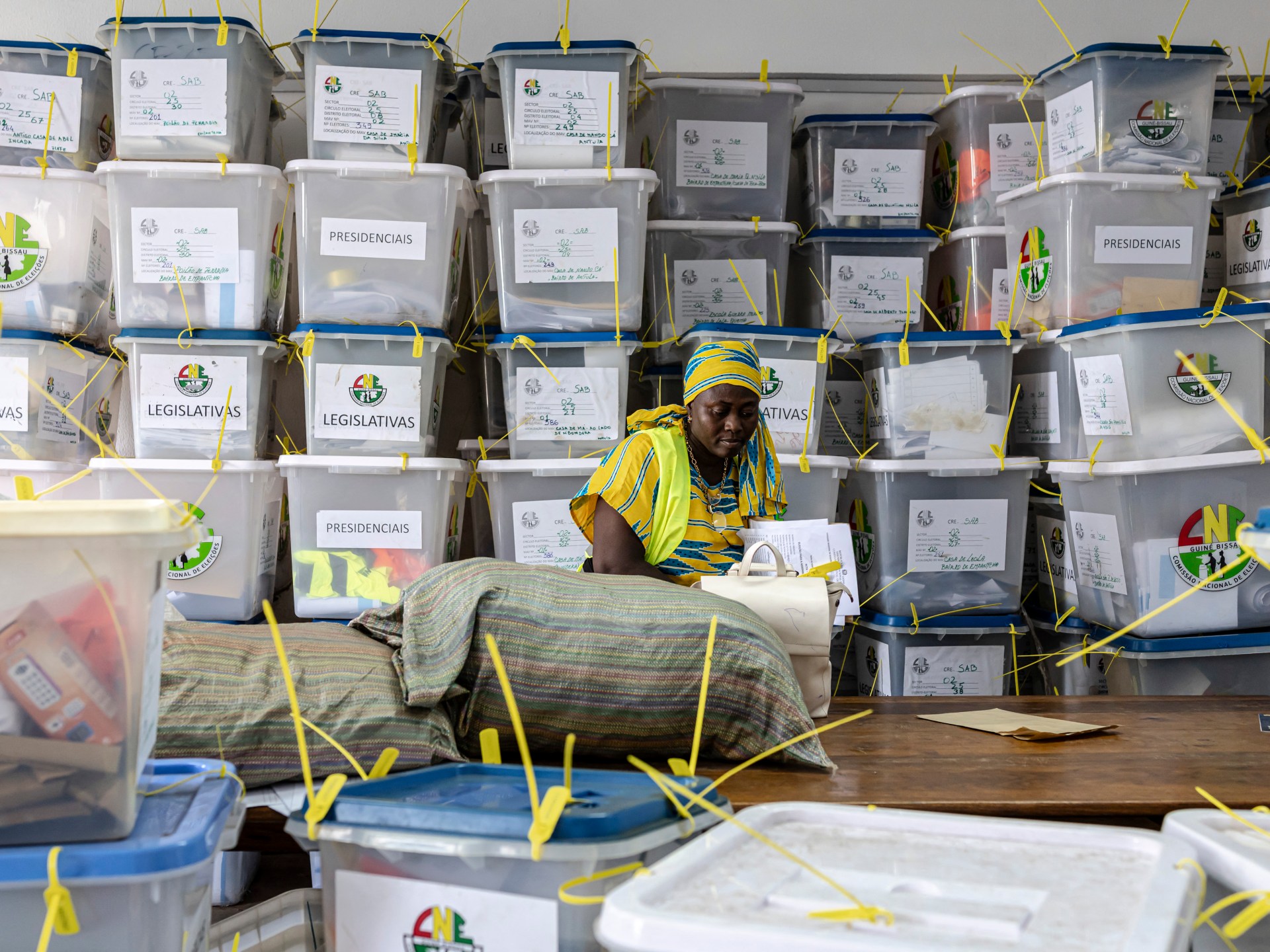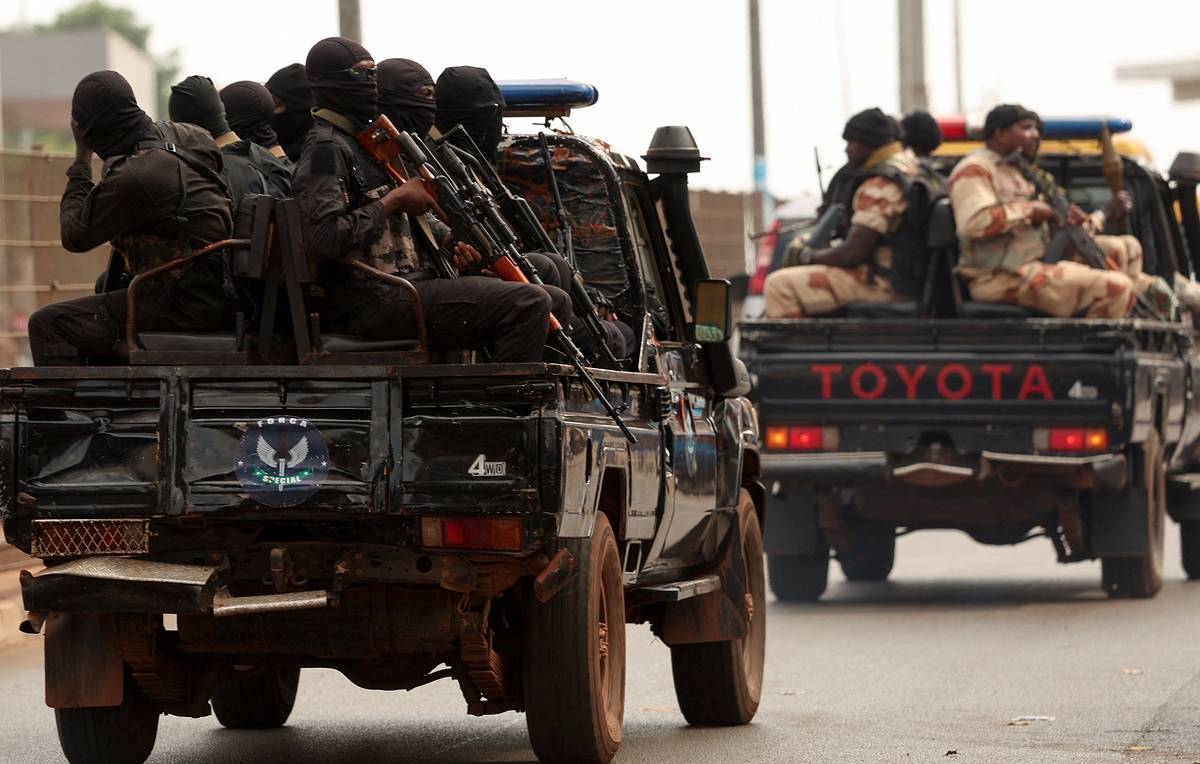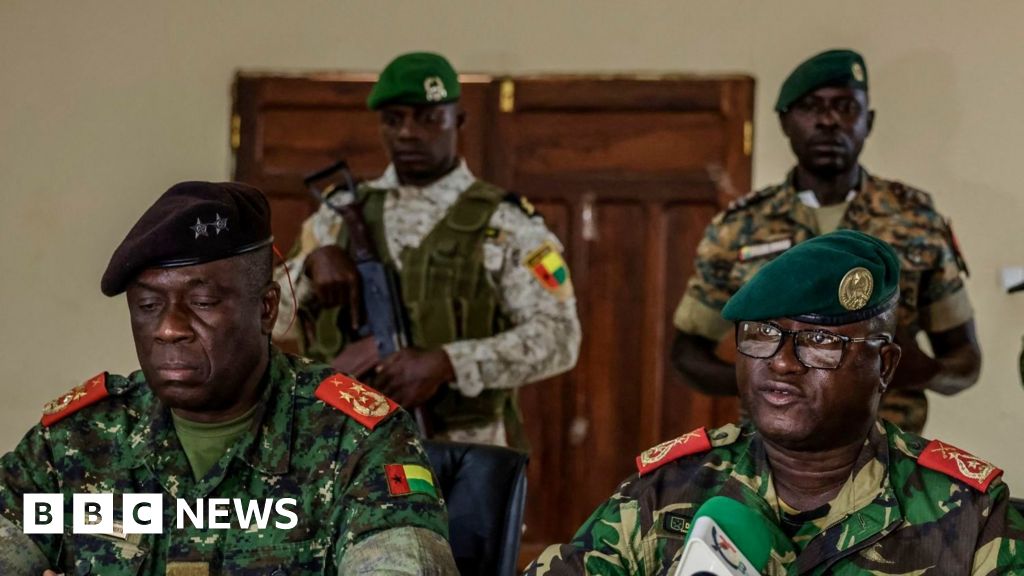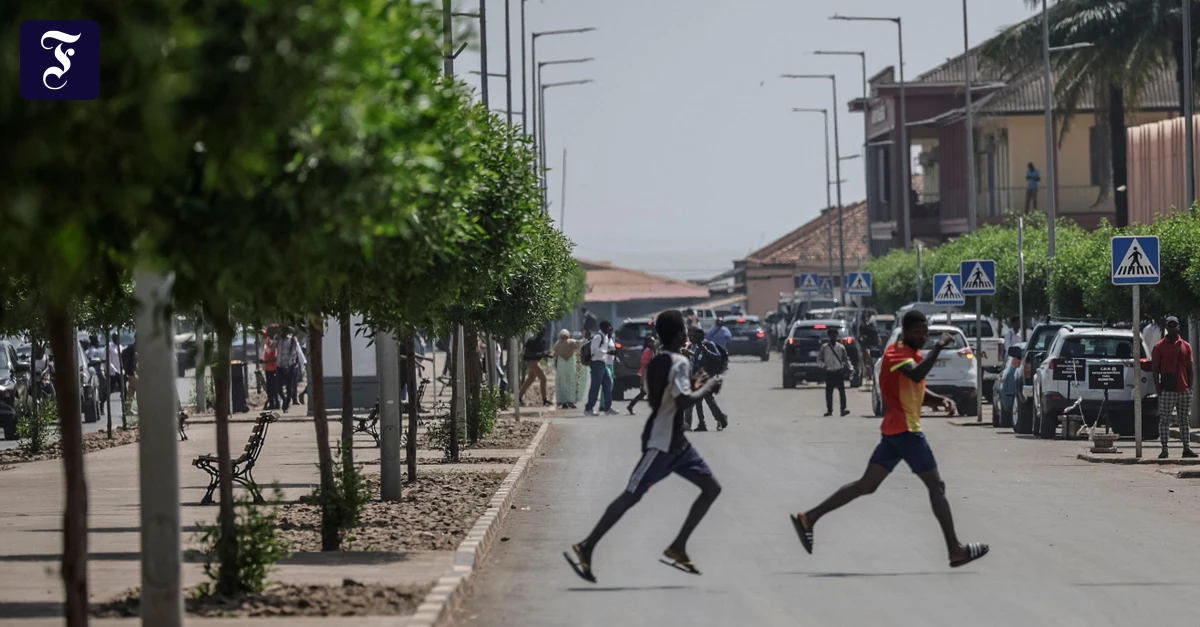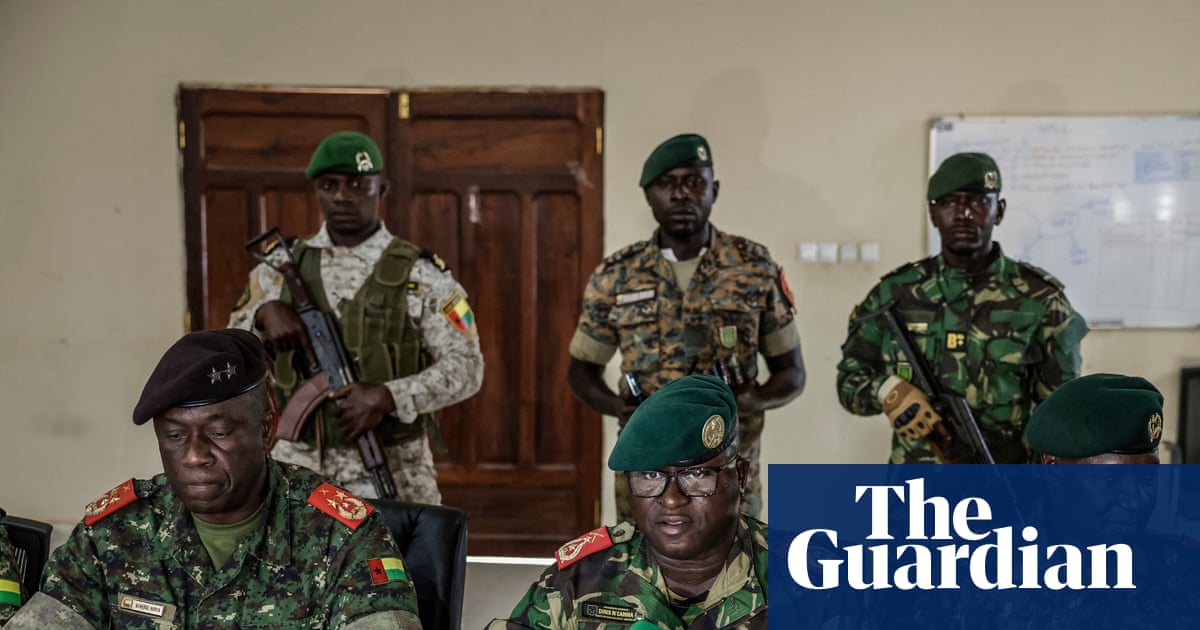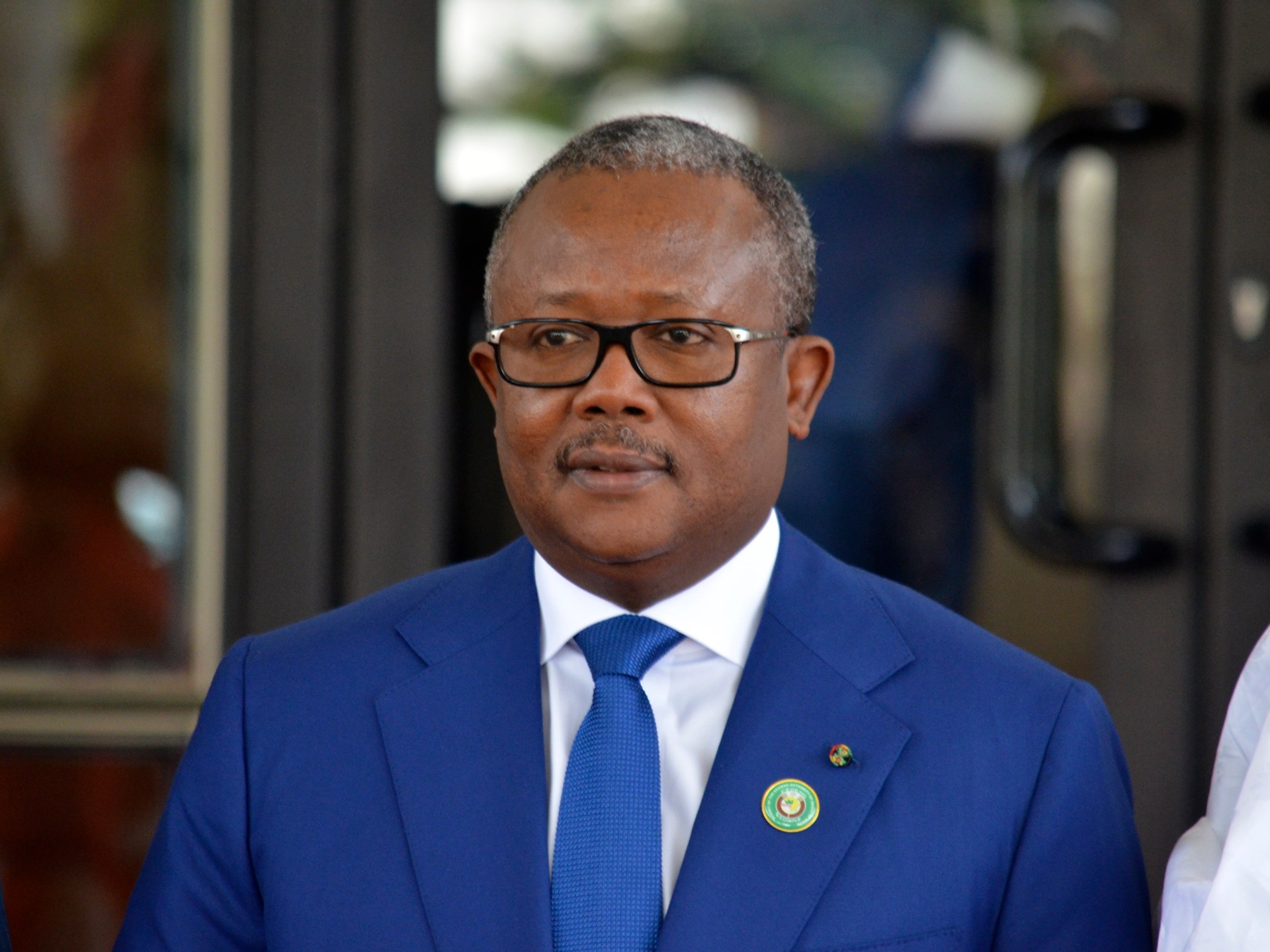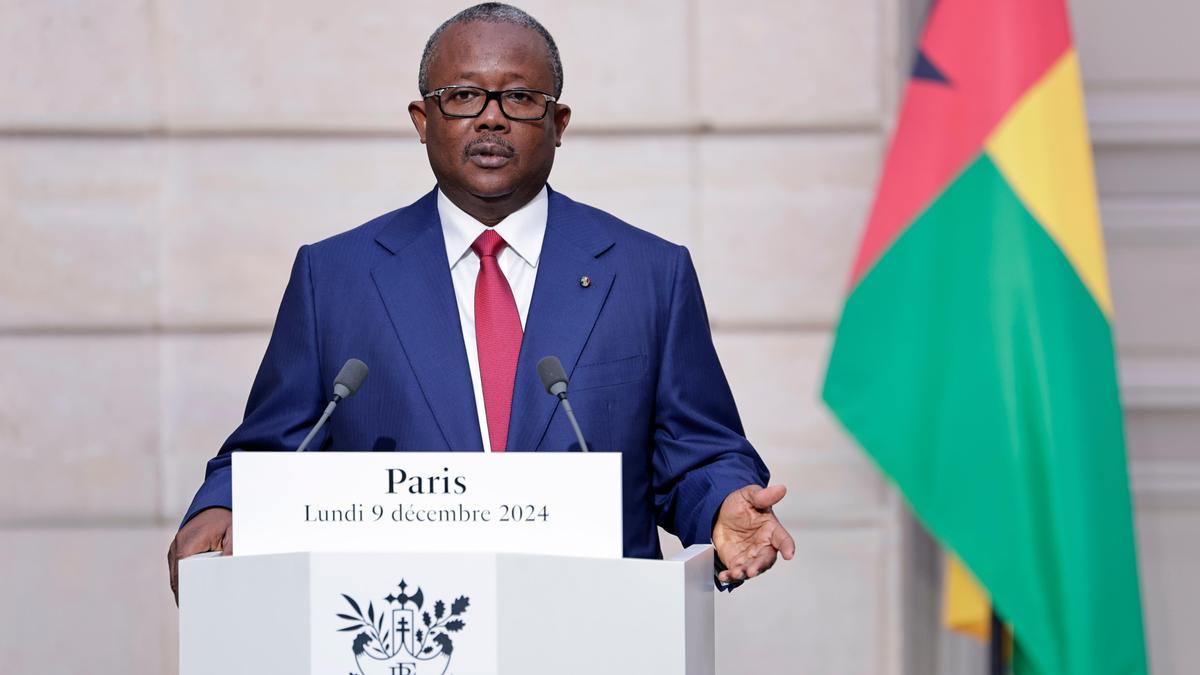
Guinea-Bissau will vote on Sunday (November 23, 2025) in a presidential election marked by political and ethnic tensions, with President Umaro Sissoco Embaló seeking a second term that would make him the nation’s first leader elected to successive terms.
The presidential and parliamentary elections come at a critical time in West Africa, where democracy has recently been challenged by disputed elections that analysts say could embolden militaries that have forcefully taken power in several countries.
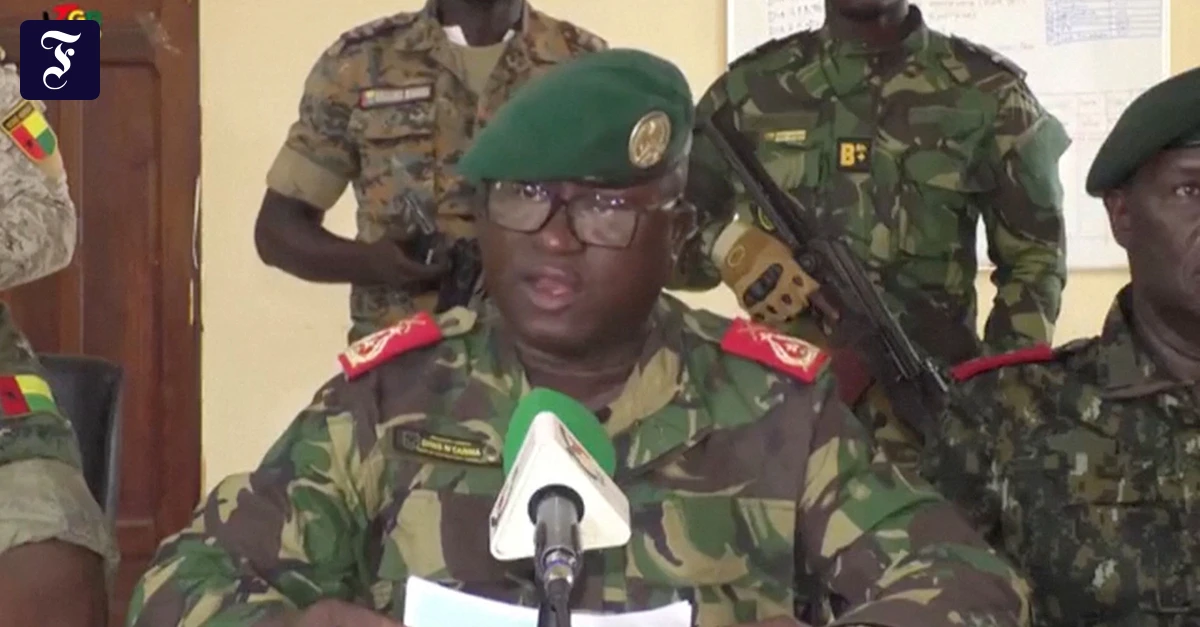
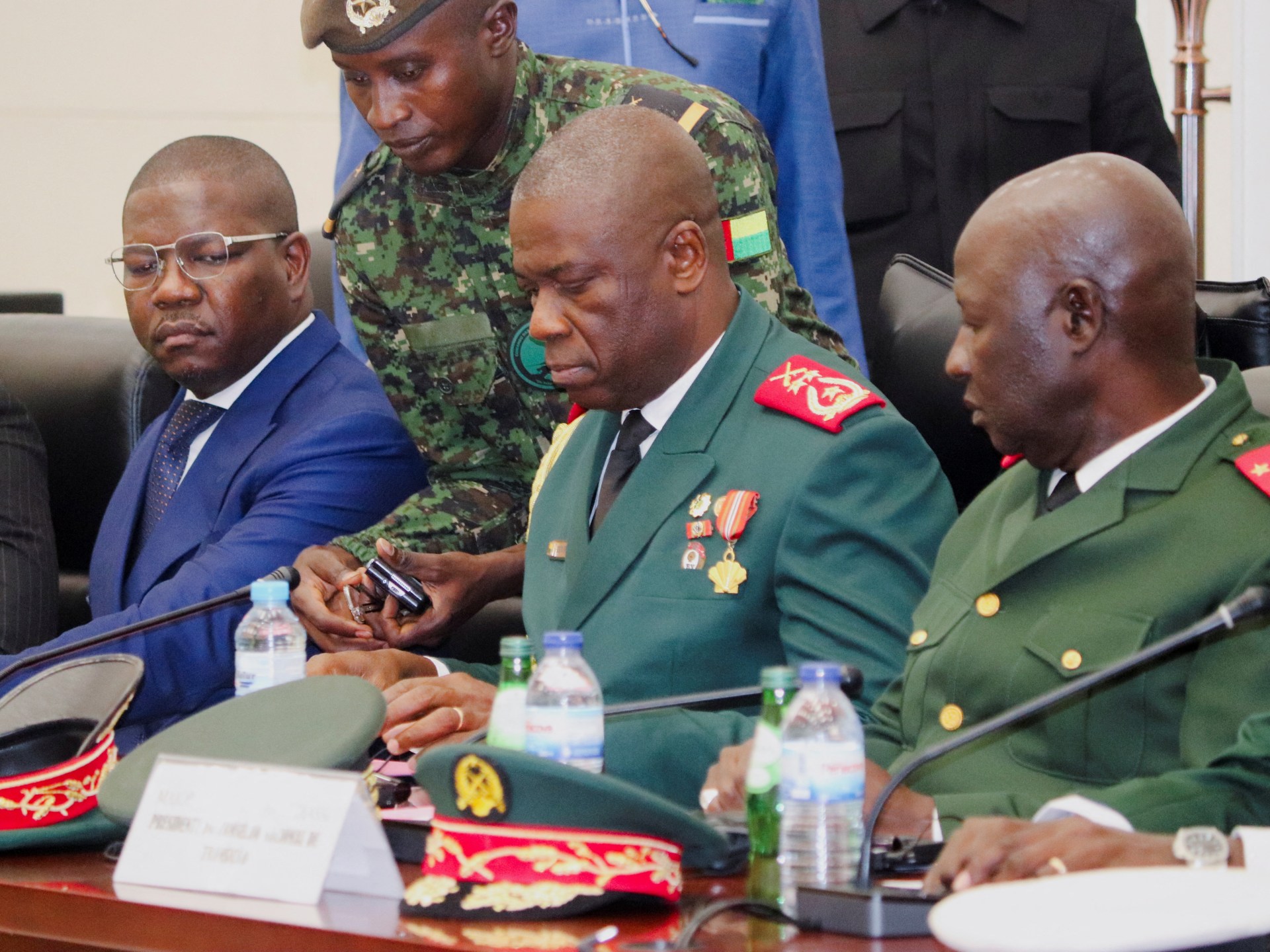
Guinea-Bissau is one of the world’s poorest countries, with half its population of around 2.2 million people considered poor, according to the World Bank. It has emerged as a hub for drug trafficking between Latin America and Europe and has been dogged by coups and attempted coups since its independence from Portugal more than 50 years ago.
Mr. Embaló, a 53-year-old ex-army general first elected in 2021 and backed by a political coalition of more than 20 groups, is being challenged by 11 other candidates.
Analysts say Sunday’s (November 23) vote is a close race between Mr. Embaló and Fernando Dias da Costa, a little-known 47-year-old backed by former Prime Minister Domingos Simoes Pereira, the runner-up in the 2019 presidential election.