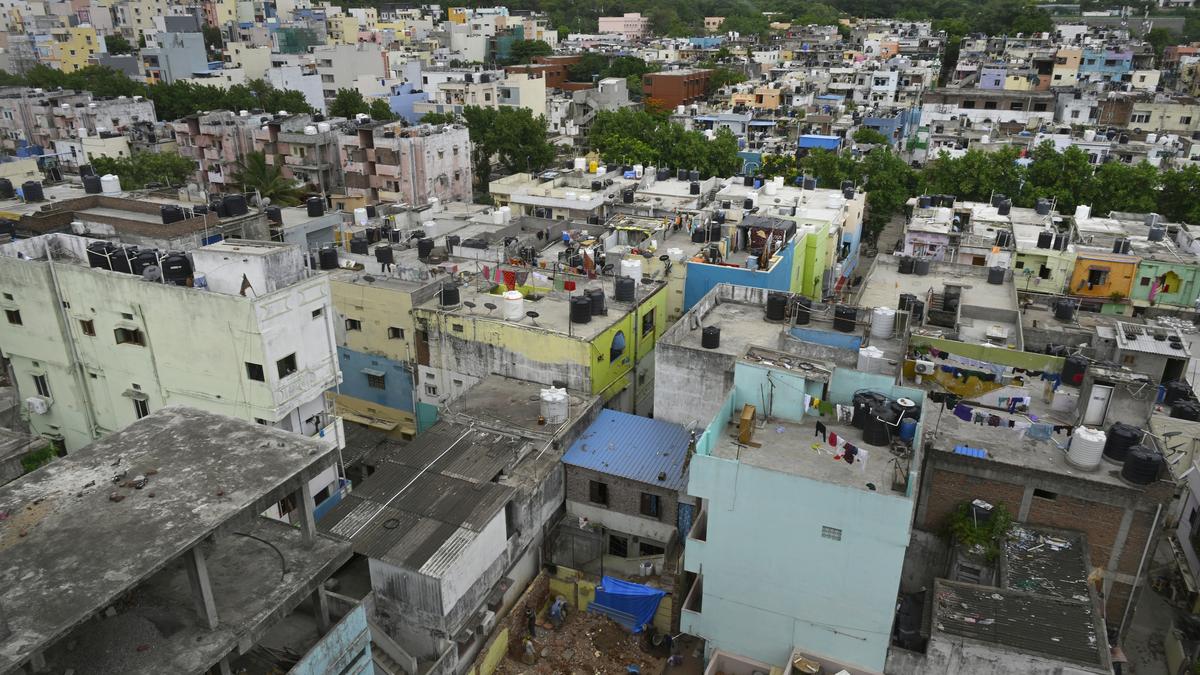
At her home in Vaddera Colony in Rajiv Nagar on the outskirts of Vijayawada city, 16-year-old Sushma is getting ready to leave for school. She looks smart in her green-white uniform and long braided hair neatly folded and tucked behind her ears. Around her, the colony, a dense grid of modest, one-room houses packed tightly against one another along narrow lanes, drowns in the din of morning rush hour.
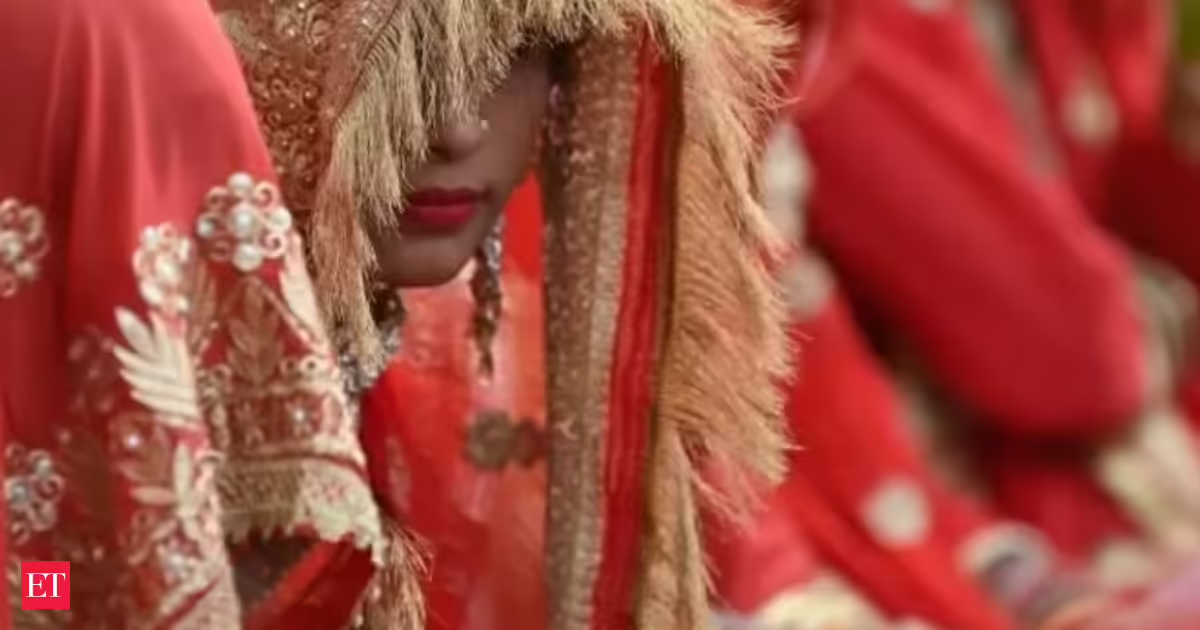
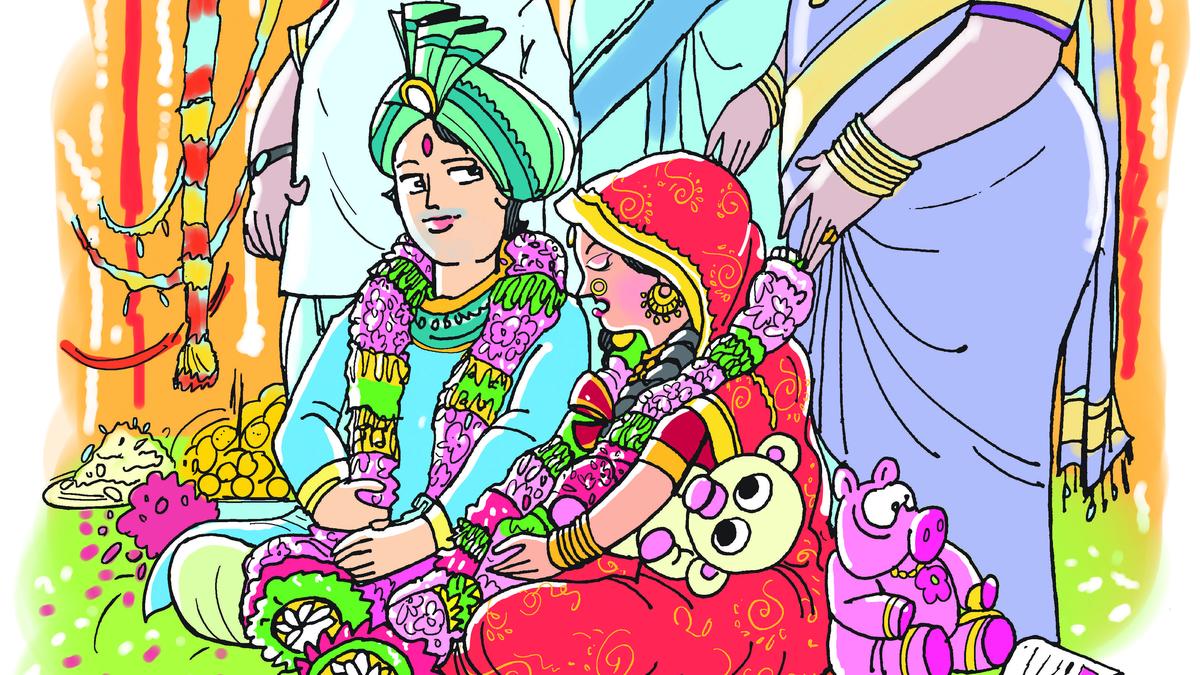
Hardly six months ago, however, Sushma was married off to a 22-year-old day labourer from Devarapalli village in Rajamahendravaram district. It was after the intervention by a team of volunteers from an NGO and government officials, who arrived at her home soon after the ‘wedding’ on June 11, that she was put back in school.
“I have been instructed to ensure that the two live apart until she turns 18,” says Bathina Penchalamma, her mother. The groom, who fled the scene in panic that day, returned later to sign an undertaking, agreeing to wait until she attained the age of 18. Sushma was produced before the Child Welfare Committee and later shifted to a Child Care Institution (CCI) at Krishnalanka for two months.
The child brides of Andhra
At the time of marriage, Sushma was just 15 years old, says O. Sowjanya, a volunteer from the NGO Vasavya Mahila Mandali (VMM), which works in collaboration with Delhi-based Just Rights for Children (JRC) to end child marriages in Andhra Pradesh. The JRC is a network of over 250 organisations working to protect, promote and advocate for the rights and welfare of children, especially those in vulnerable situations.