https://arab.news/vxknr
Are we living in a world with a greater propensity for war and conflict? And as we reflect on 2025, have we seen any moves away from conflict, not least in the Middle East? How seriously is conflict resolution and prevention taken? Or do we have to settle for low-grade conflict management?
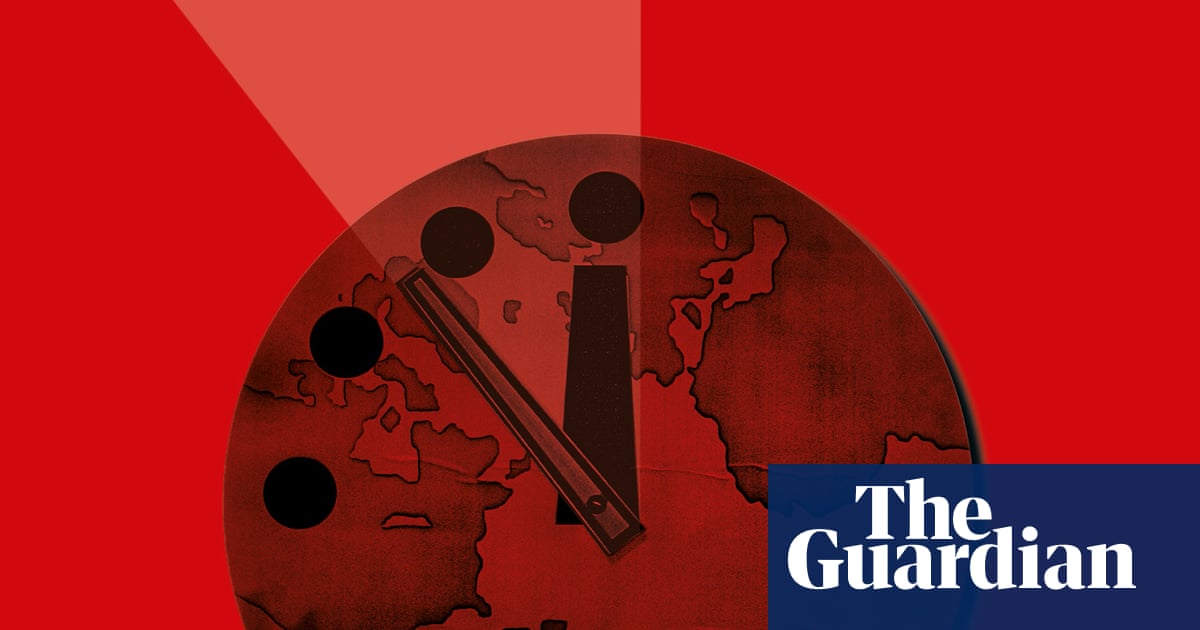
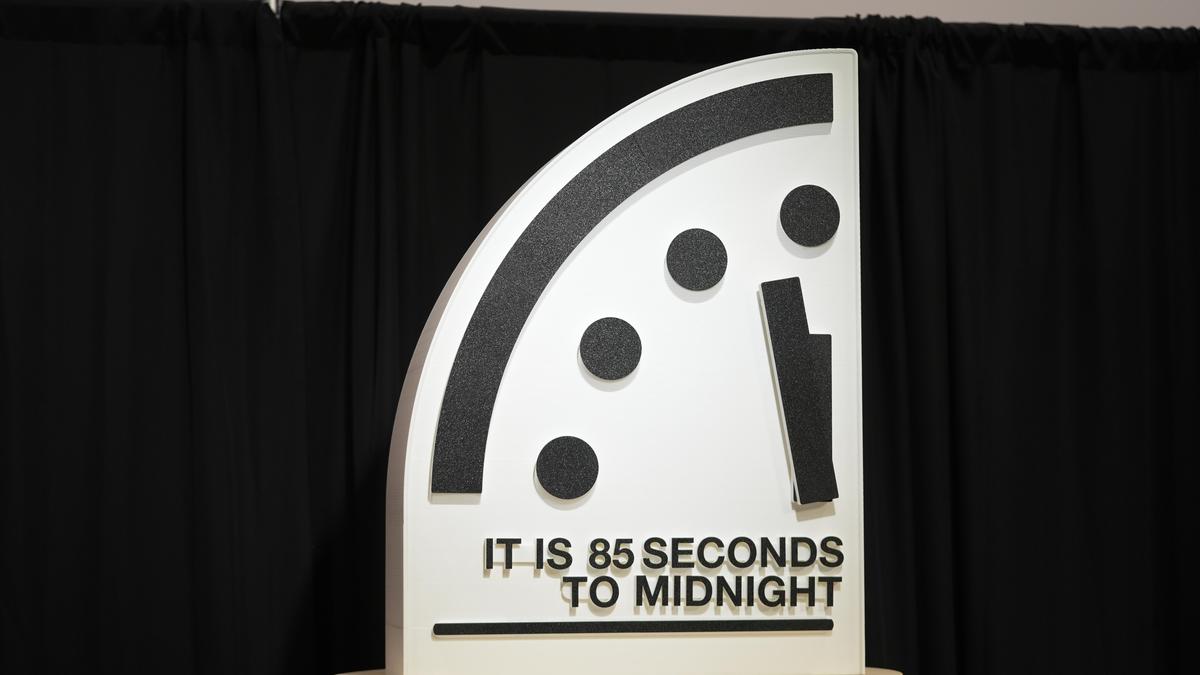
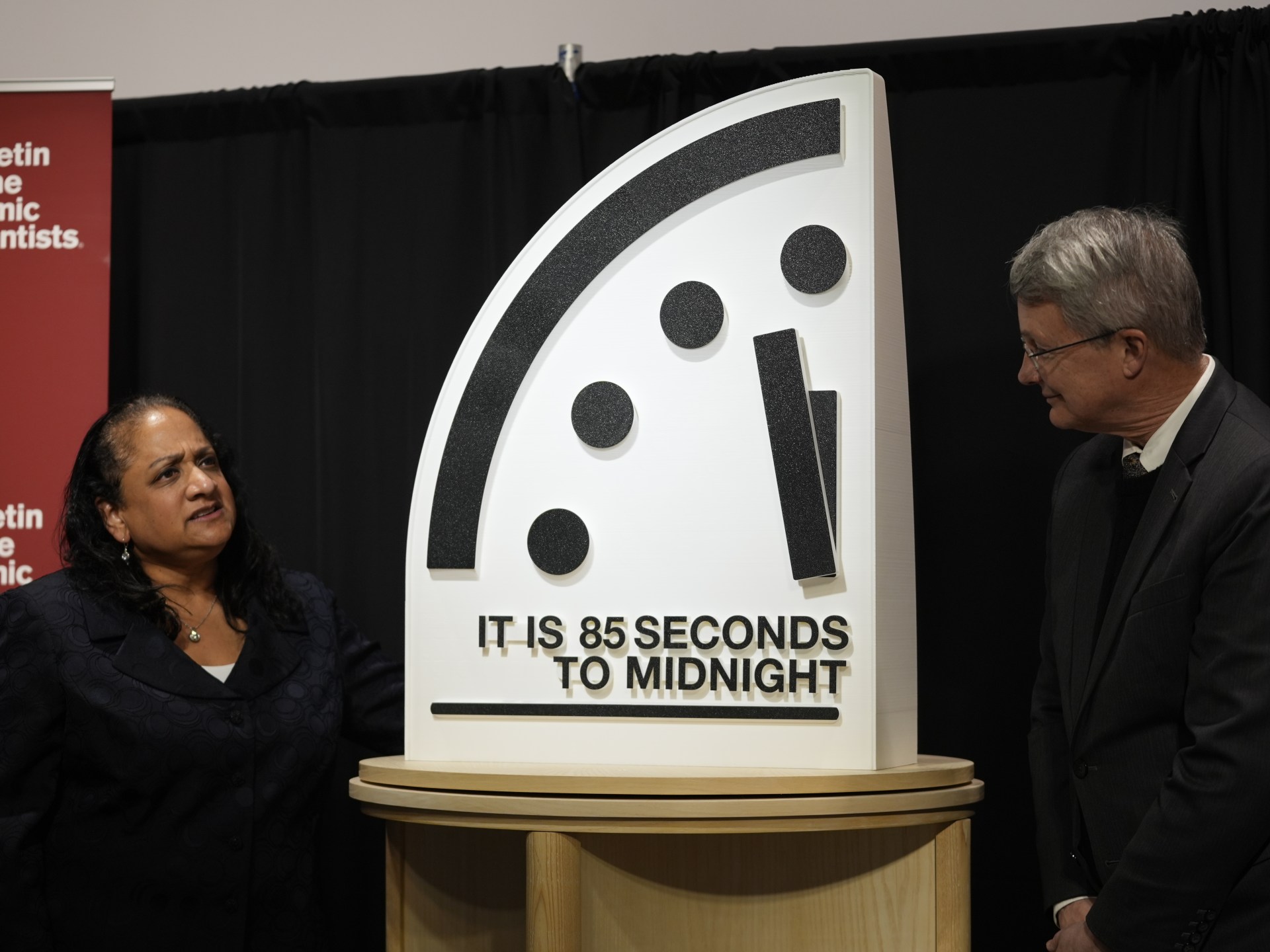
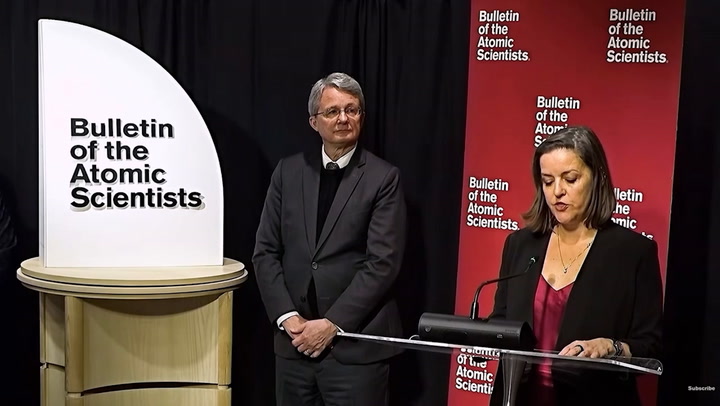
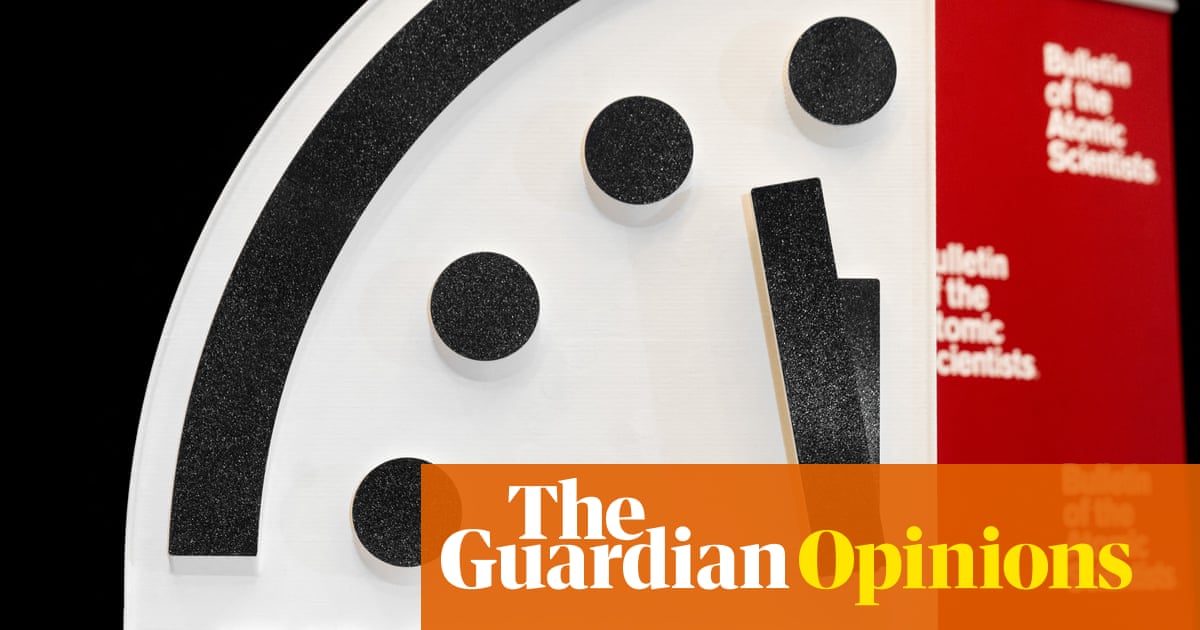
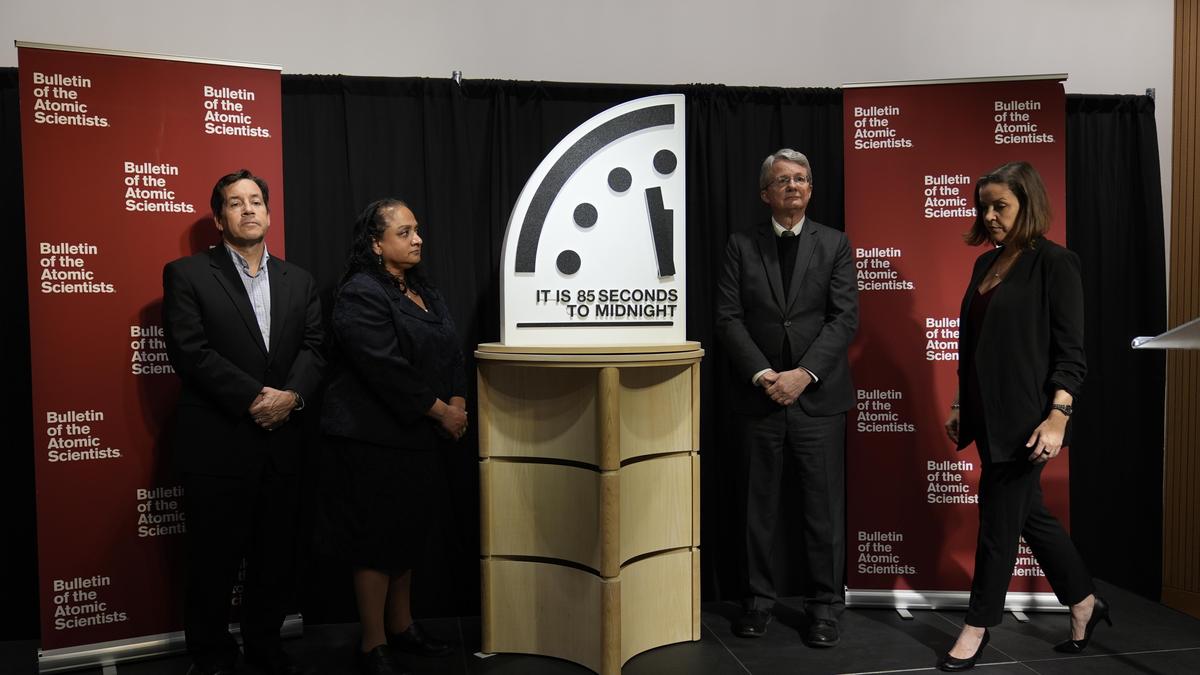
The Doomsday Clock managed by the Bulletin of the Atomic Scientists in January shifted its dial to just 89 seconds to midnight, the closest it has ever been to predicting catastrophe. Can one argue with this? Perhaps. All in all, about 122 million people are currently displaced by war, persecution or disasters — an indication of the impact of conflict.
But the evidence is there. In the Middle East alone, 2025 saw a major Israeli war on Iran that dragged in the US. An Iranian missile was fired at Doha. The chances of another Israel-Iran round in 2026 are alarmingly high. Israel also targeted Hamas negotiators in Doha, a ploy that backfired as it infuriated the Trump administration. The November 2024 Lebanon ceasefire is as good as over. In Gaza, the Israeli genocide has slowed but far from ended. As for Sudan, the country is totally divided between two warring factions, with most Sudanese caught up in a horrendous war that has led to the worst humanitarian crisis in the world.