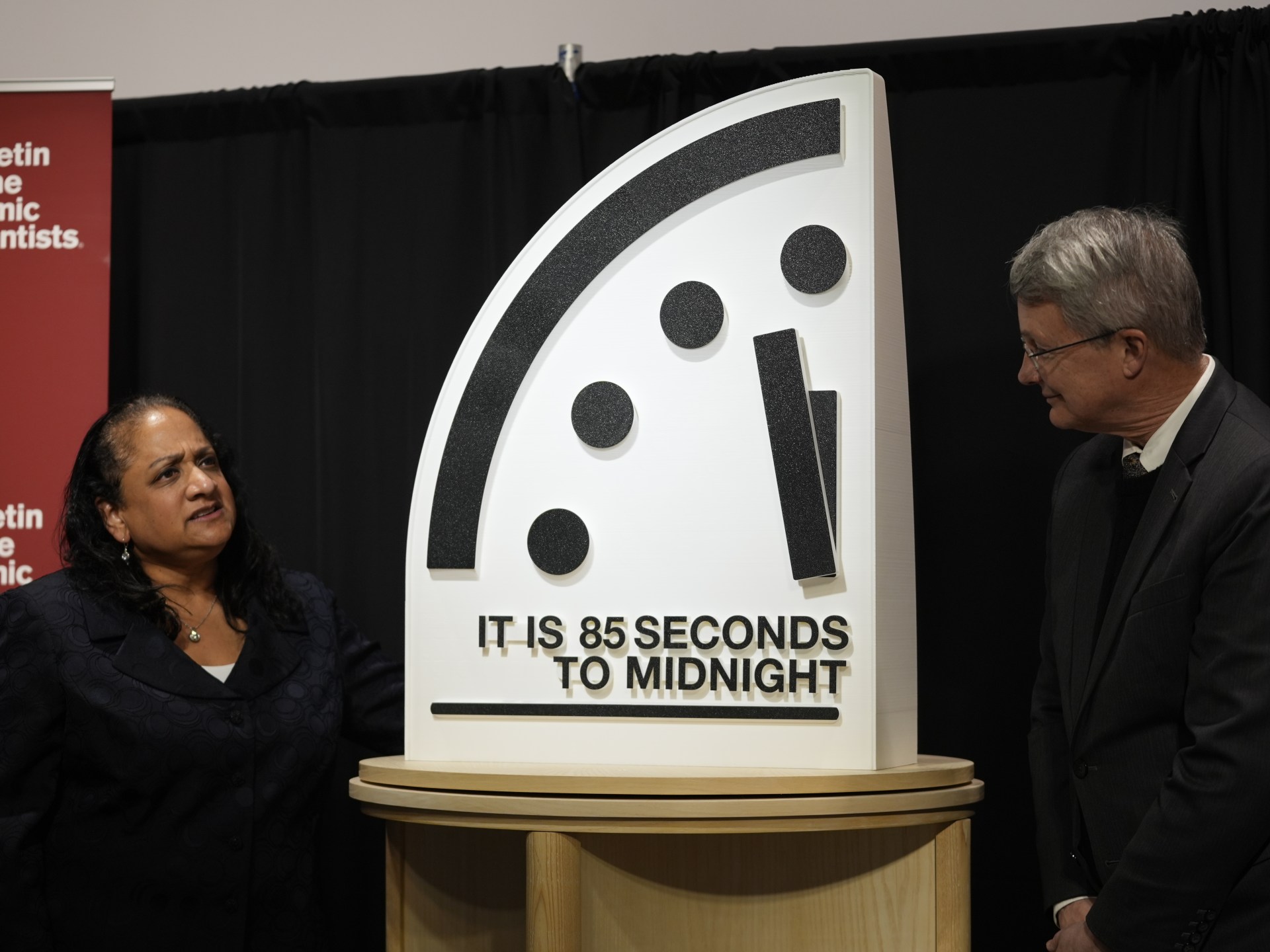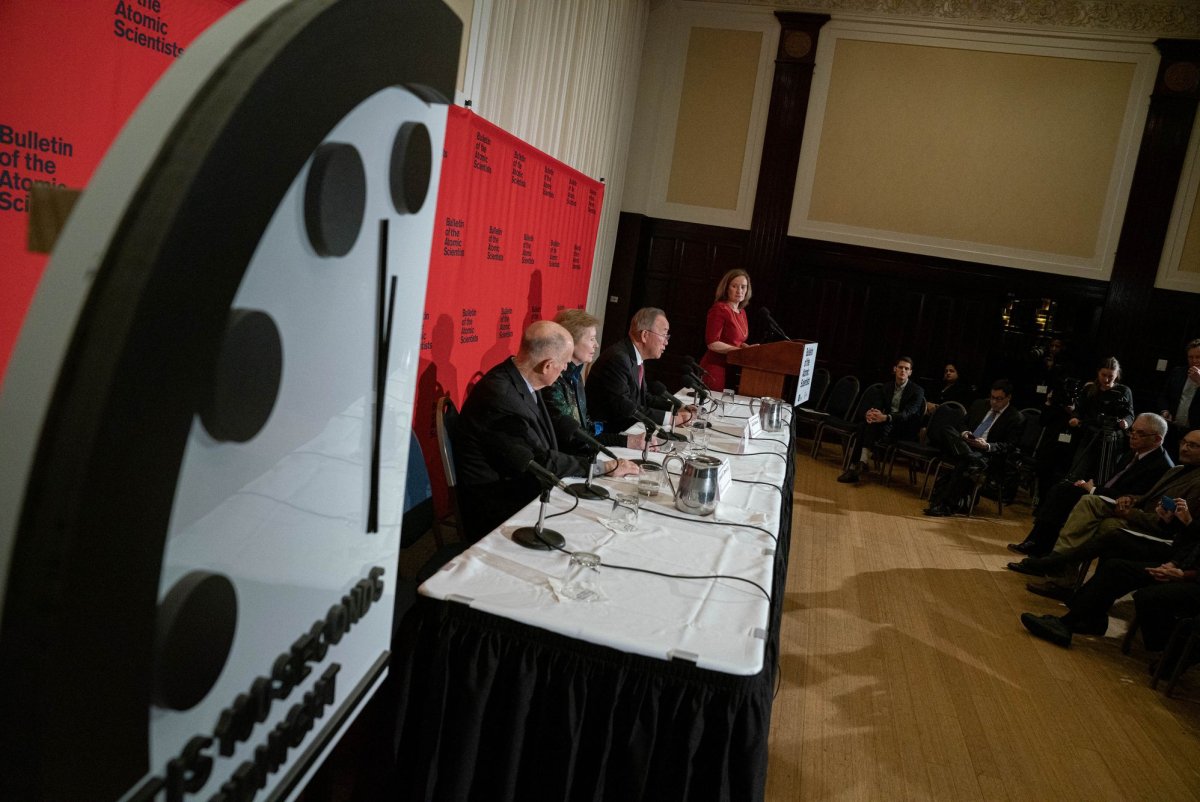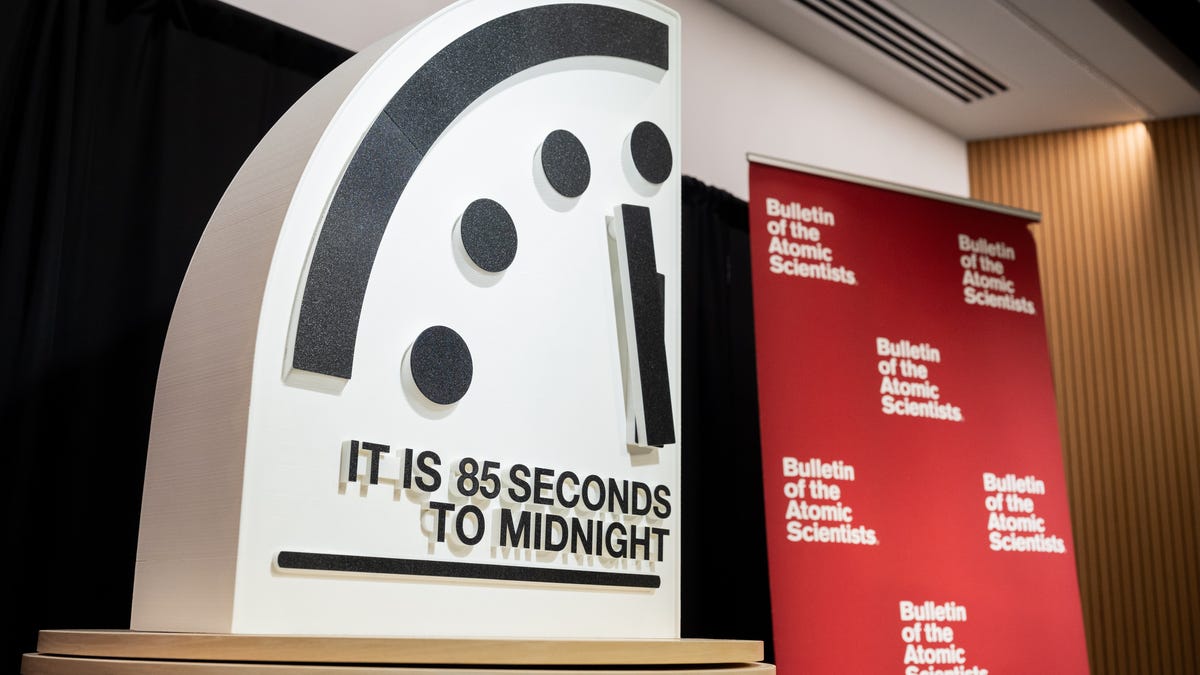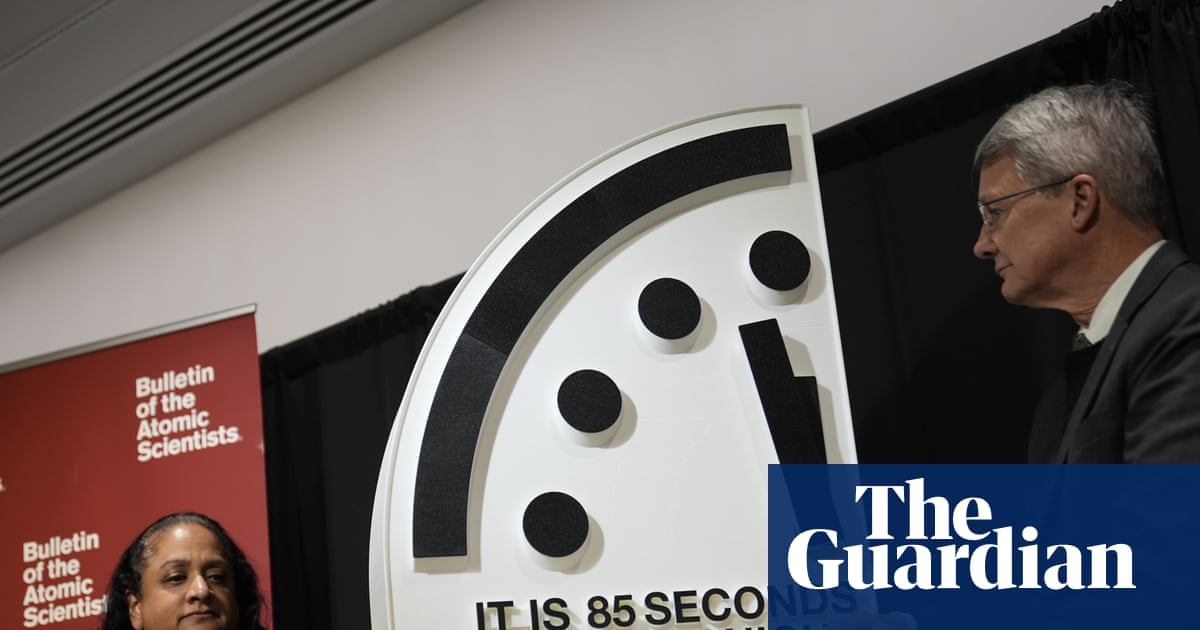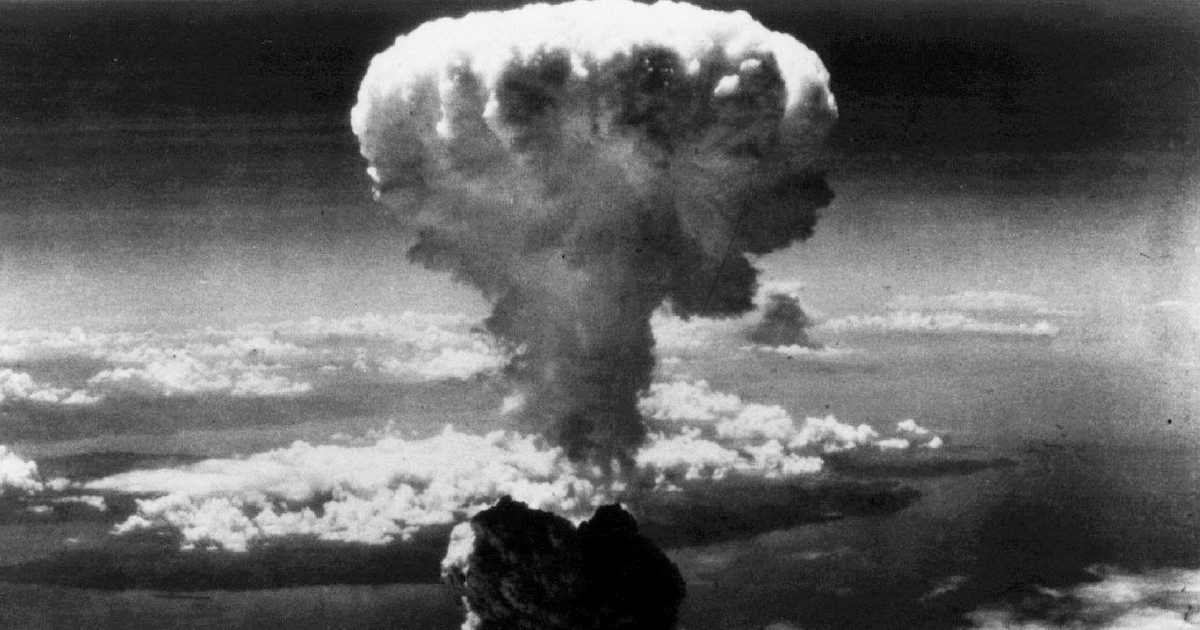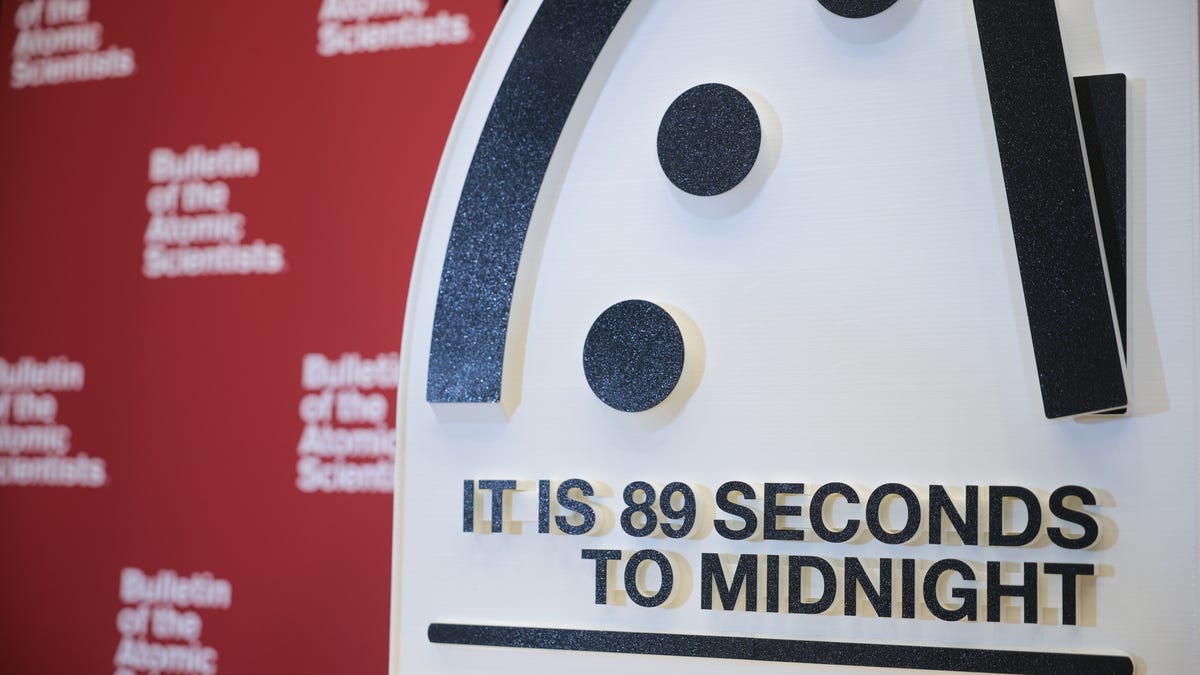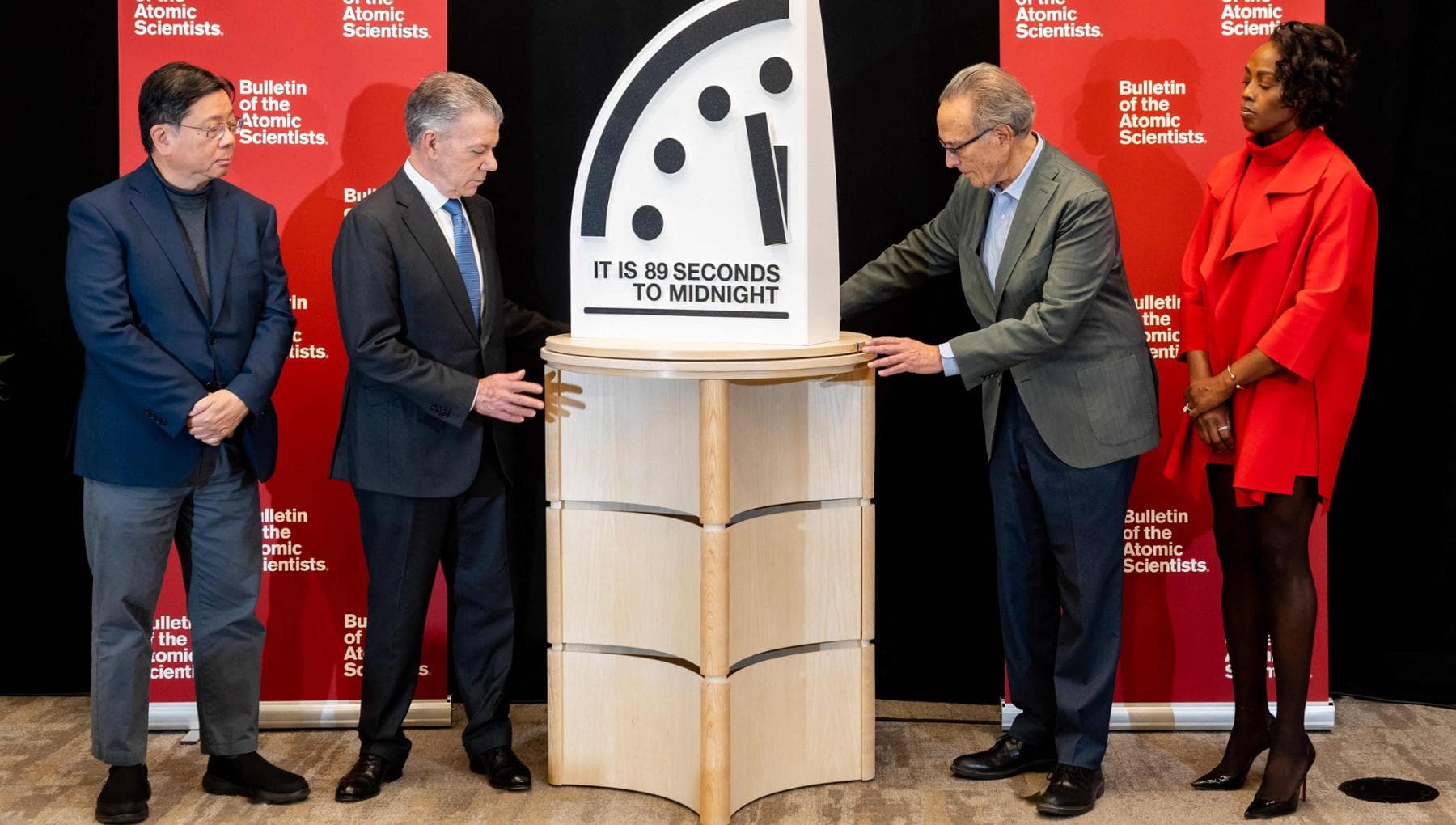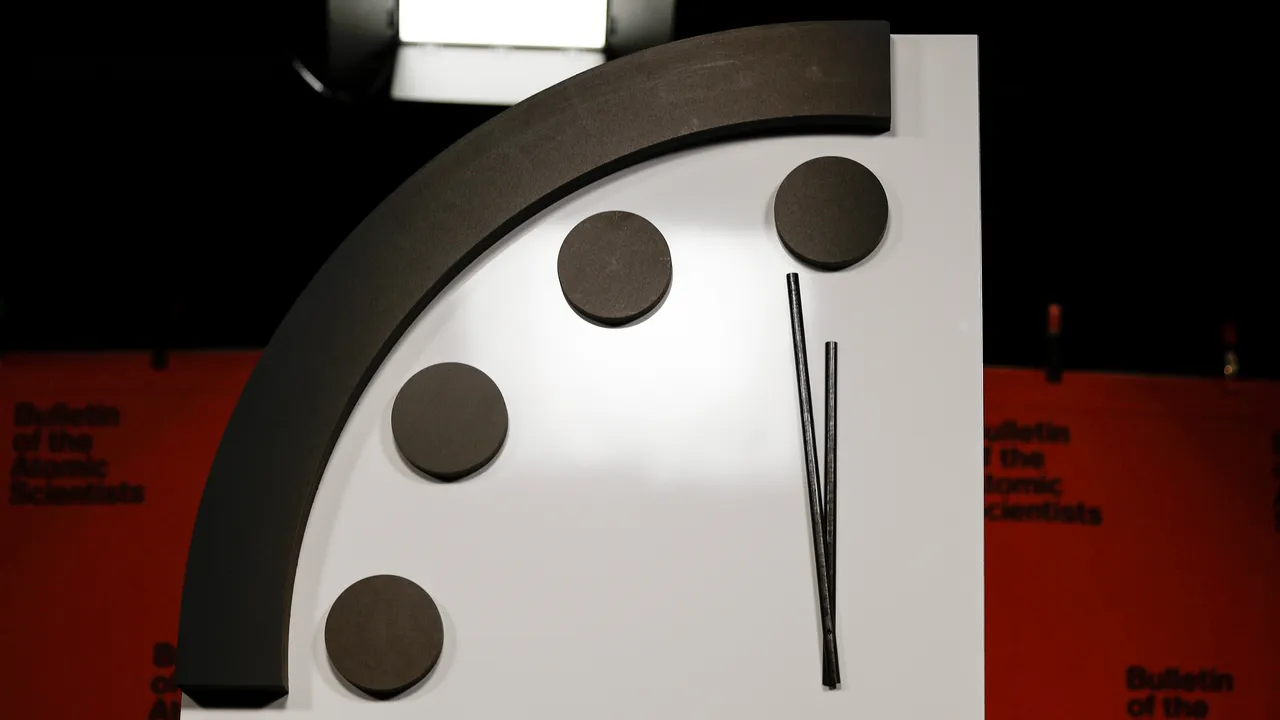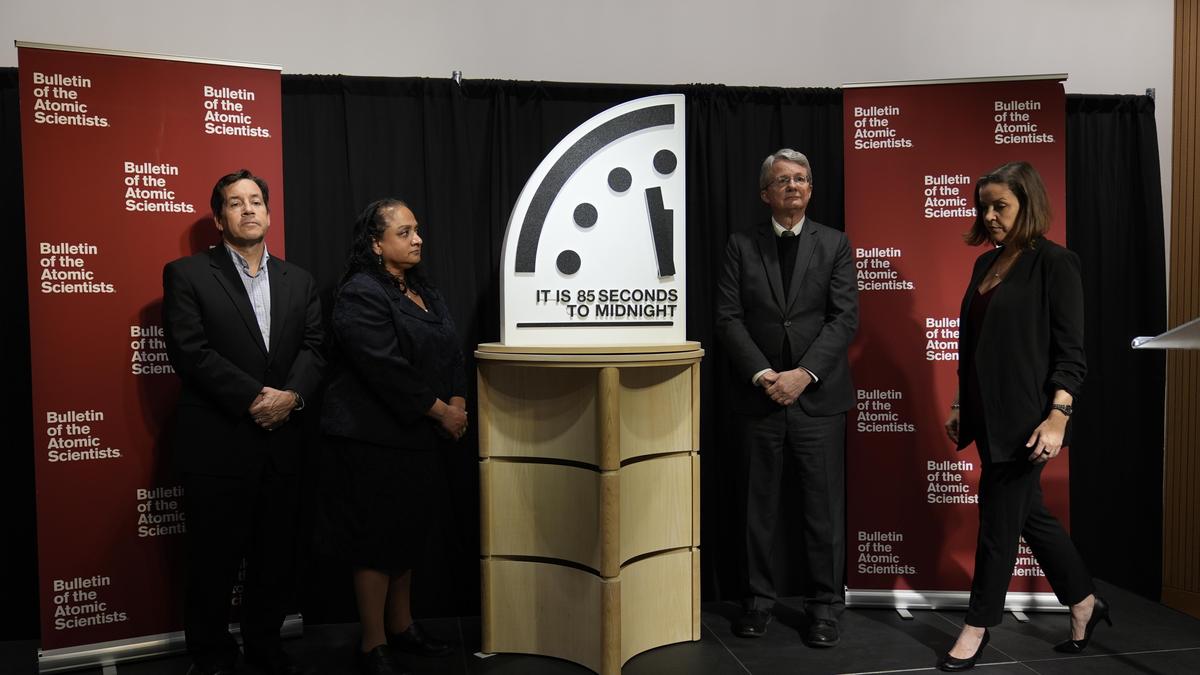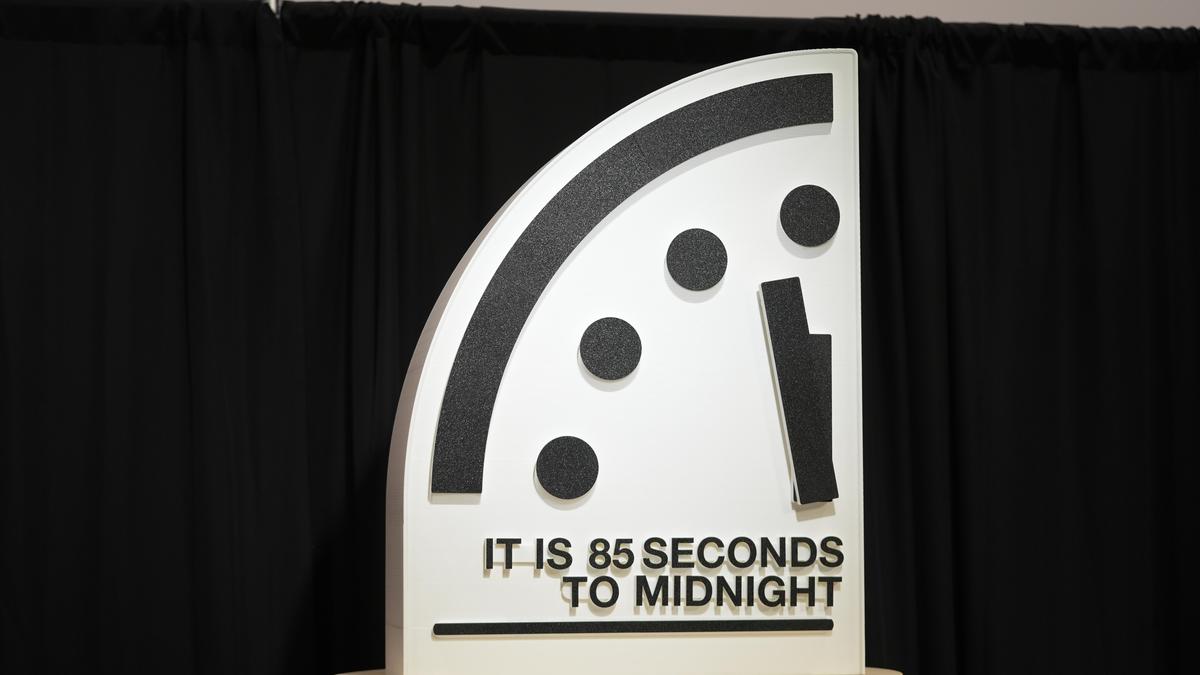
On January 27, the Bulletin of the Atomic Scientists moved its Doomsday Clock to 85 seconds to midnight, the closest it has been to the metaphorical point of global catastrophe. The Doomsday Clock is historically significant because it transformed the abstract, technical threat of nuclear war into a universally understood symbol of urgency. Since the so-called Chicago group of scientists involved in the Manhattan Project created it in 1947, the clock has bridged the gap between scientific experts and the general public, forcing the world to confront the reality of potential self-destruction through a simple visual metaphor.
As the Bulletin has moved the clock’s hands back and forth, but mostly forth, their movements have validated major arms control treaties or condemned dangerous escalations like the hydrogen bomb. And in the last eight decades it has become a cornerstone of the cultural framework that treats nuclear weapons and climate change as existential, rather than just political, problems.